LOST IN TRANSLATION

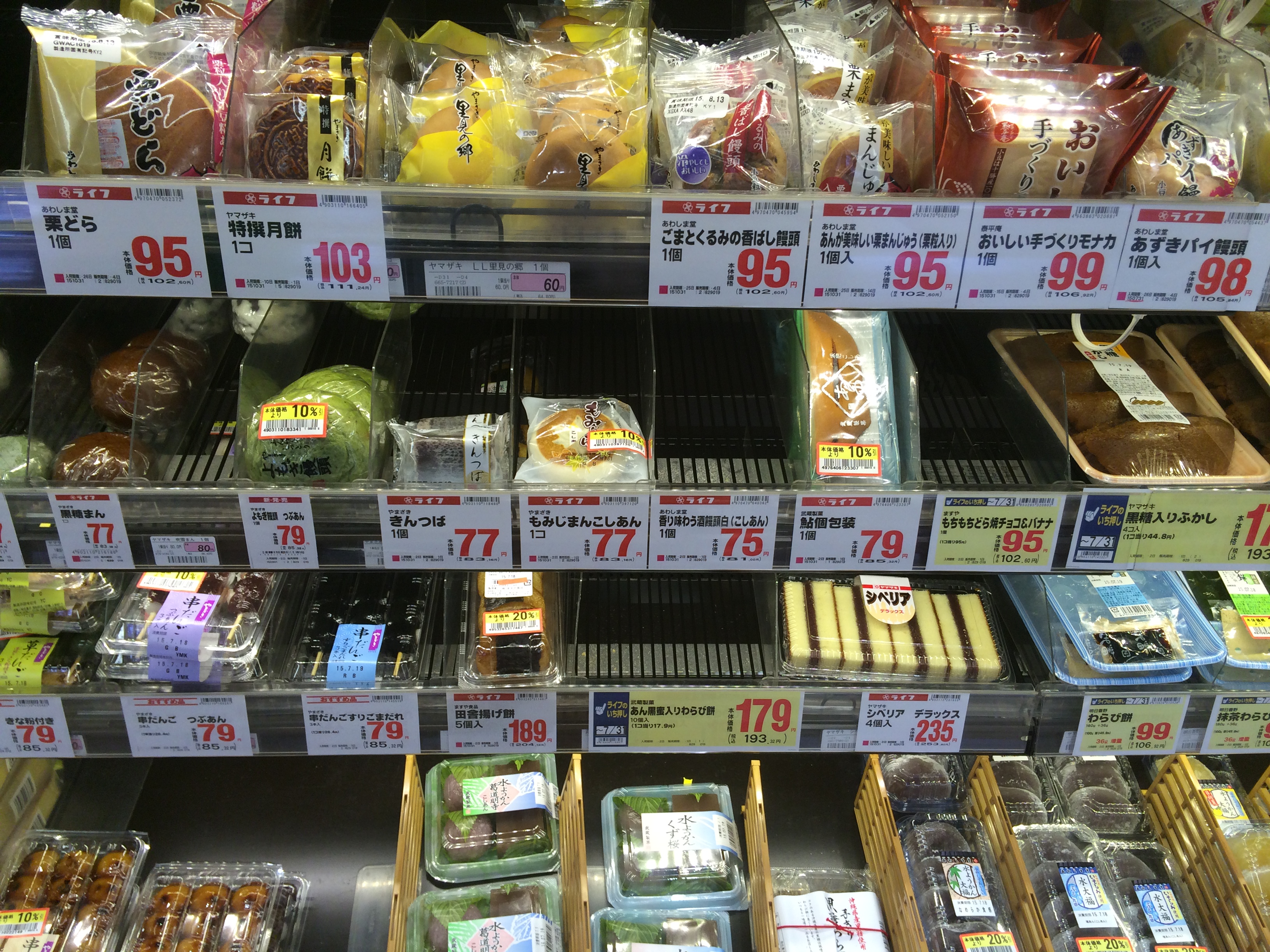
As somewhat of a food tourist, it’s always fun to see what you can find in the local markets and convenience stores, and I think this is more exciting in Japan than most countries, actually. Whether you go into a convenience store, market, vending machine, or just a restaurant or pastry shop, because of the language barrier, often times you have no idea what you’re really getting. The mystery is part of the fun. I loved seeing the local goods, but also got a rush from wondering “what is it?” or “what’s inside?”

The markets are packed full of product. Great candy aisles, amazing produce sections, lots of prepackaged goods and an abundance of prepared foods. There is so much for your eyes to feast on!
IMG_8744 IMG_9473 IMG_8283 IMG_9857  IMG_8285 IMG_8286 IMG_8287 IMG_8697 

You can buy everything in vending machines – all the normal beverages , plus alcohol, cup of noodles, cigarettes, and so much more.

IMG_9845 IMG_9310 IMG_9843

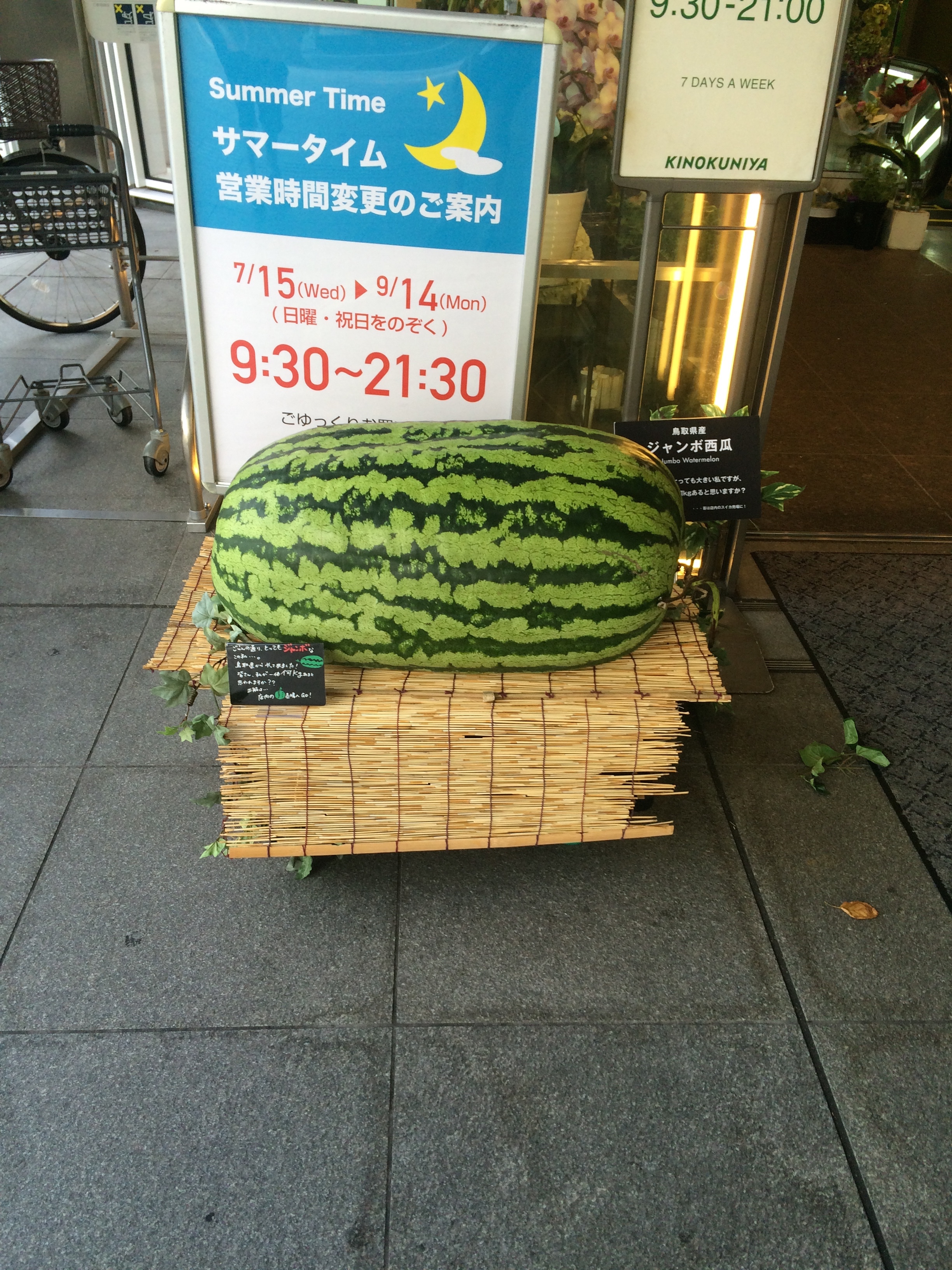
Japanese produce must be a source of a pride for the country and the people because they grow perfectly shaped, huge fruit, that tastes as if it’s been soaked in sugar. Look at the color on those peaches! Fruit is very expensive in Japan, so each bite is truly to be savored.

IMG_8276 IMG_8328 IMG_7658

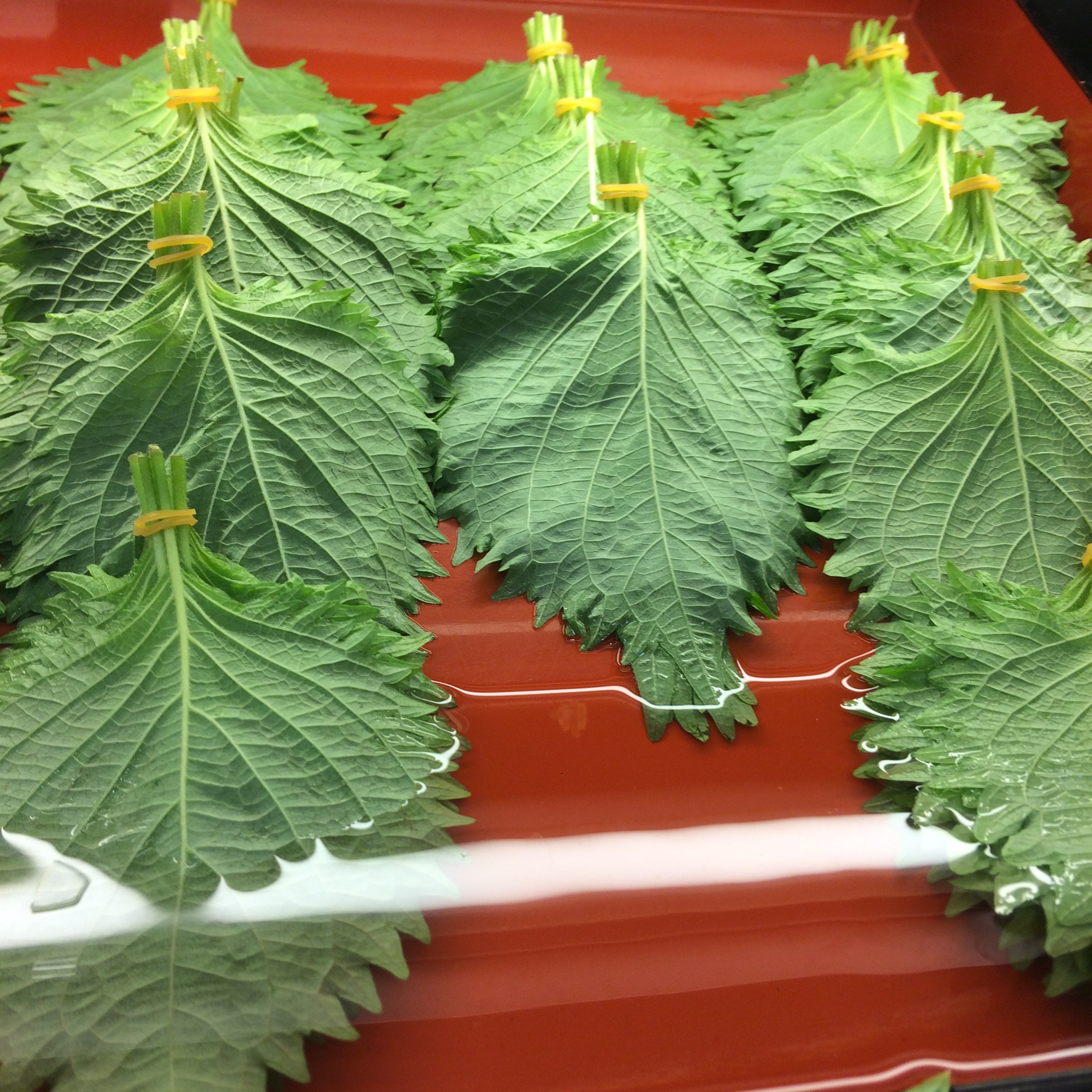
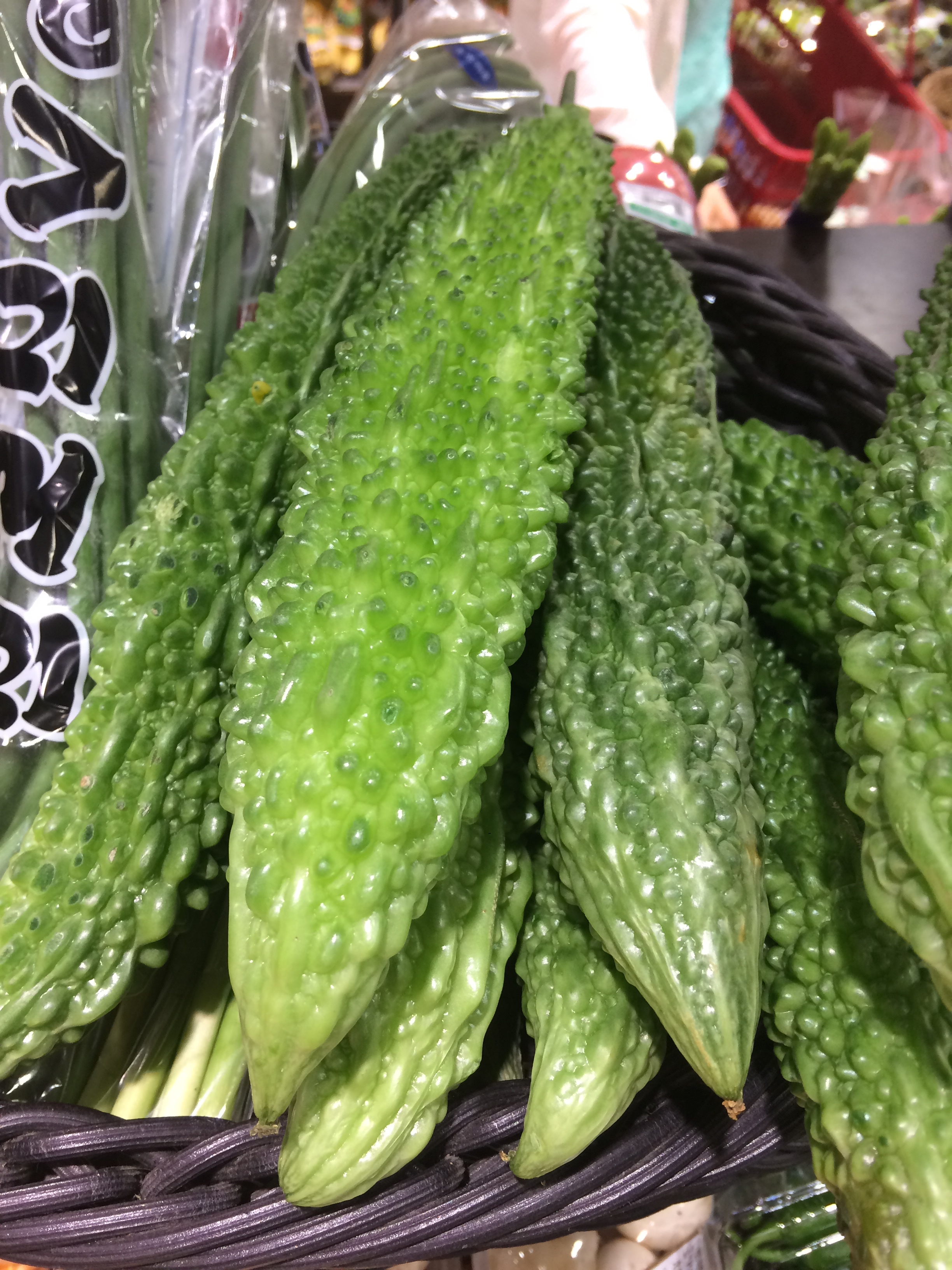
It’s not every day that you find bitter melon, as well as a section of shiso leaves, in your produce section. I love shiso and was so happy to be in a country where it’s flavor is a staple.
IMG_8278 IMG_8281

I question the people who though salad dressing in this packaging was the smartest choice
IMG_9291

So here are some of the fun foods I found, and remembered to photograph before they were all gone…

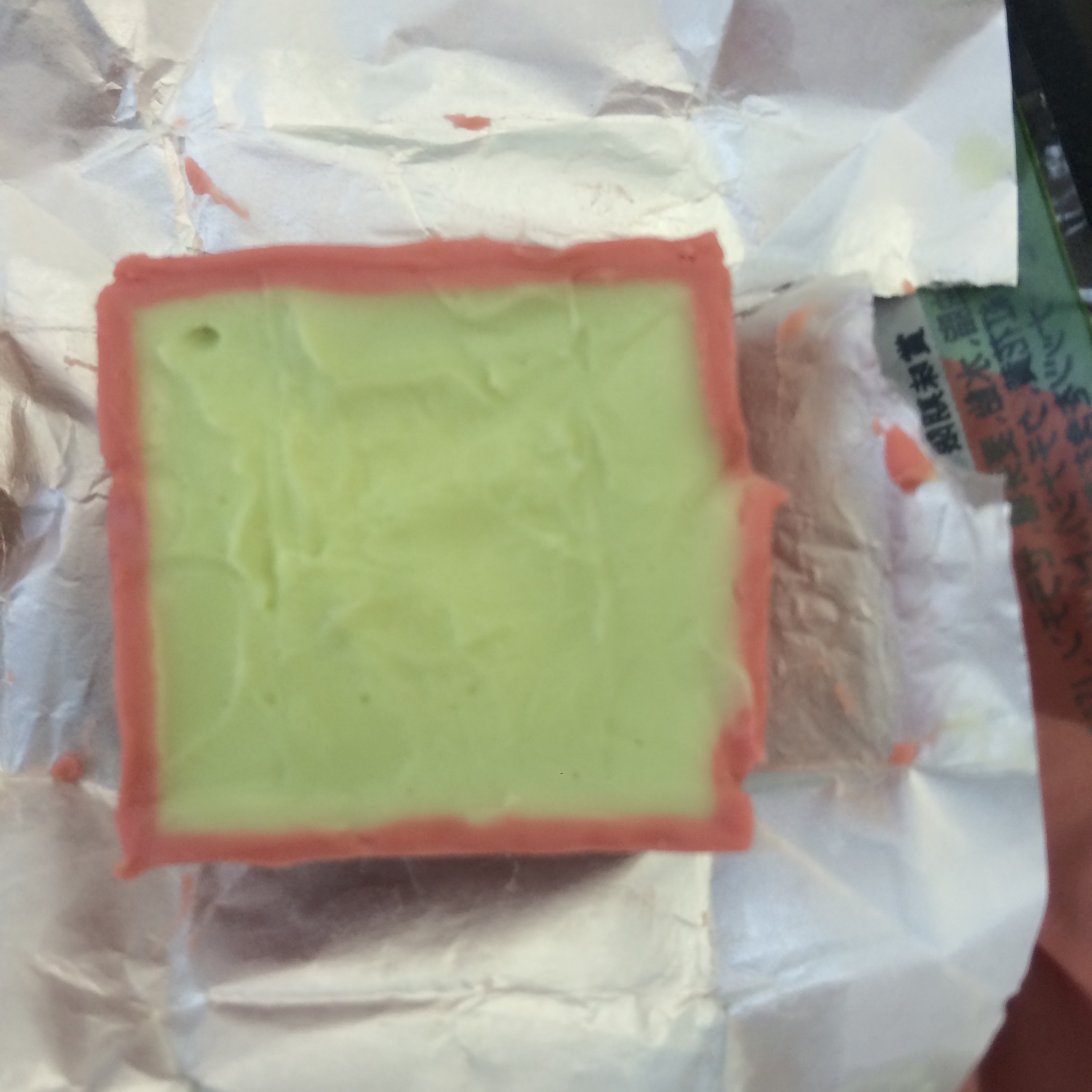
Chocolate mint candy. The Kit Kat bites were good – and better than some of the other special kit kats that we had bought from the special kit kat store (apricot & ginger). These galbo mini candies had a malt-ball-like texture inside. No complaints here.

 IMG_0048 IMG_8041 

I couldn’t let this watermelon candy pass me by. Luckily the wrapper was a dead giveaway for the flavor, but what I thought might be kind of like a Now & Later ended up being a different consistency completely. It was somewhere between that of a Laffy Taffy and melty chocolate. A great bite – I’m glad I only bought one though because it could have gotten dangerous!

IMG_0208 IMG_0437

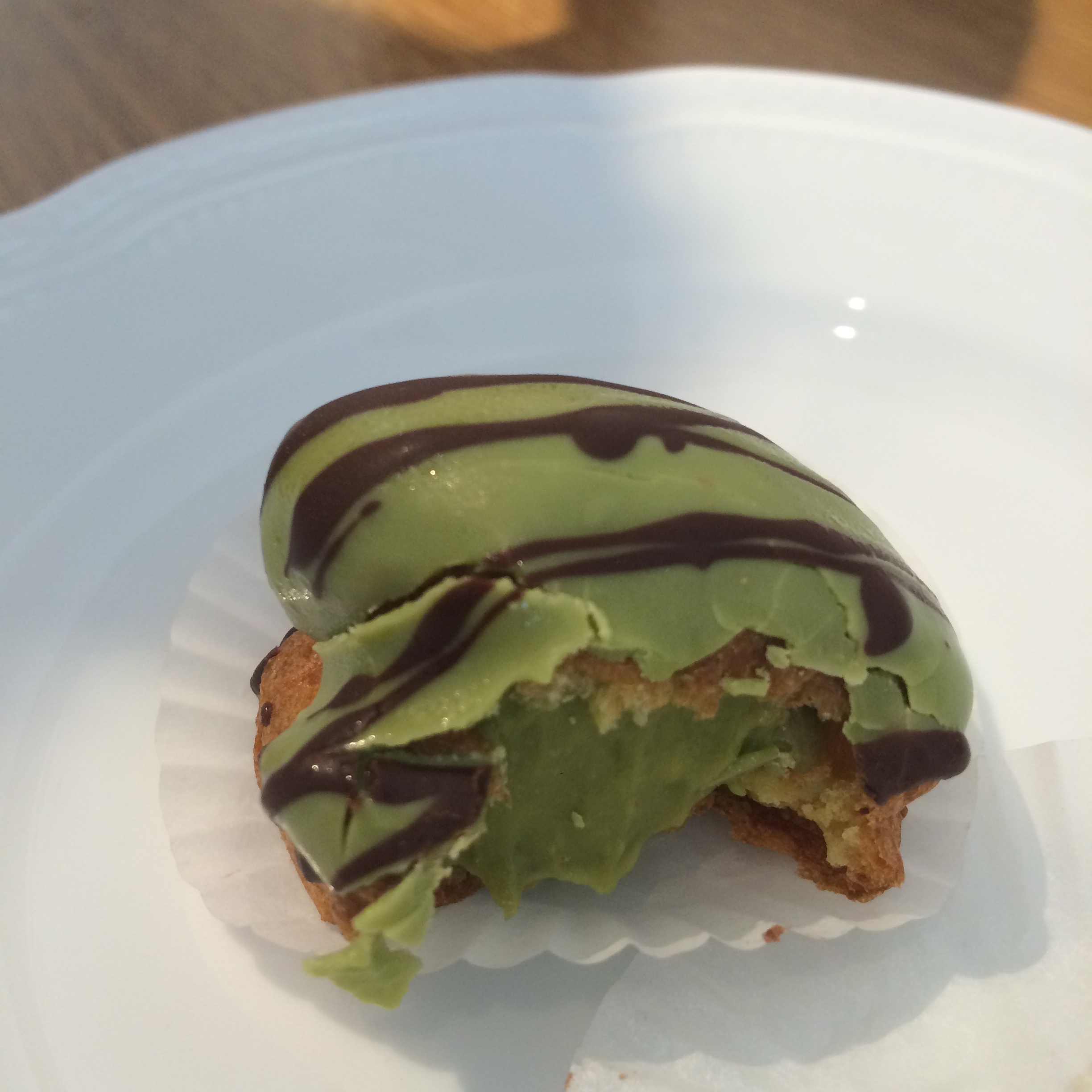
Matcha Cream Puff (And 1 hazelnut cream puff as well). Really good matcha cream filling. A nice little boost in the middle of a hot and humid afternoon.

IMG_8259 IMG_8262

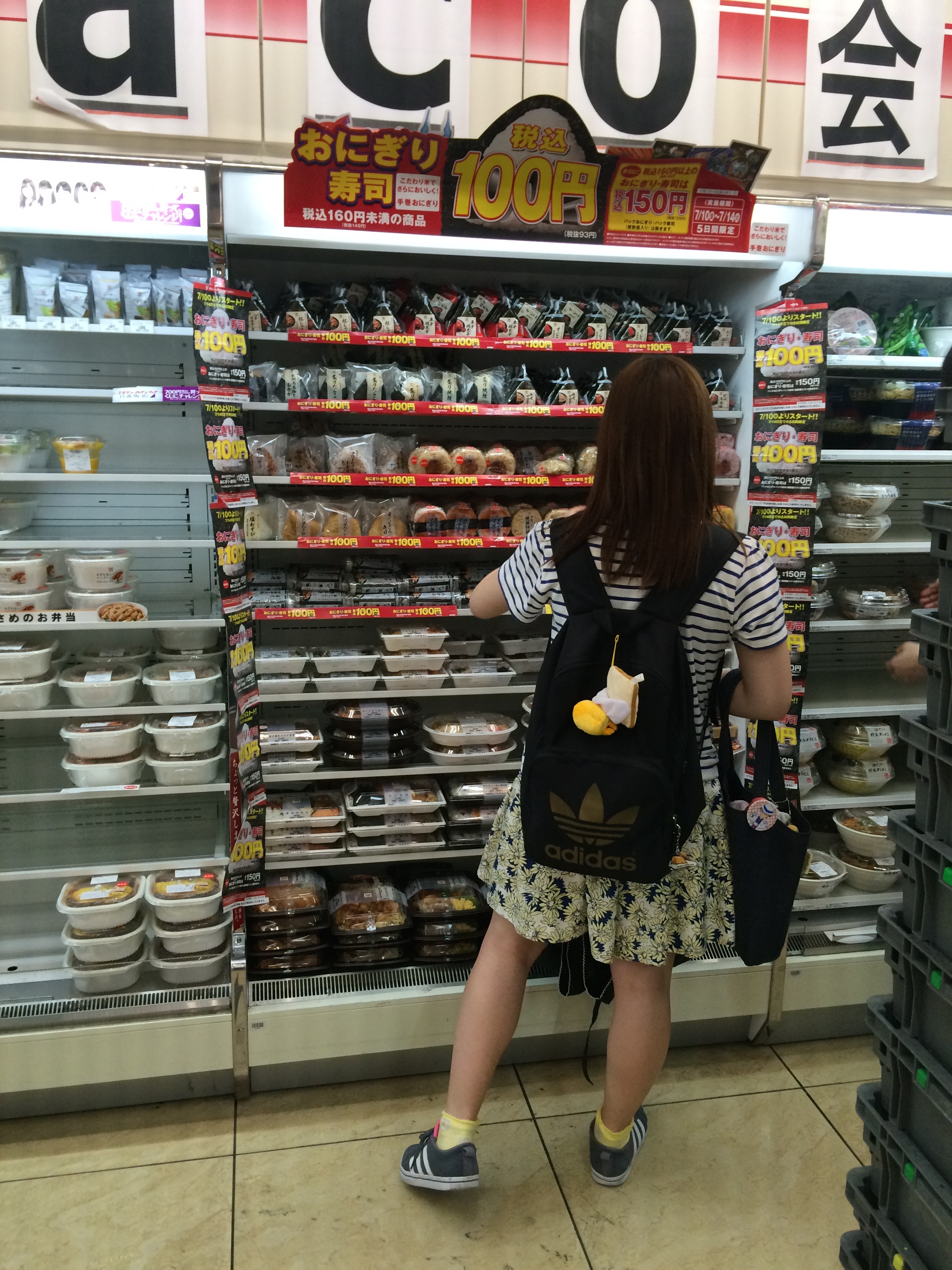
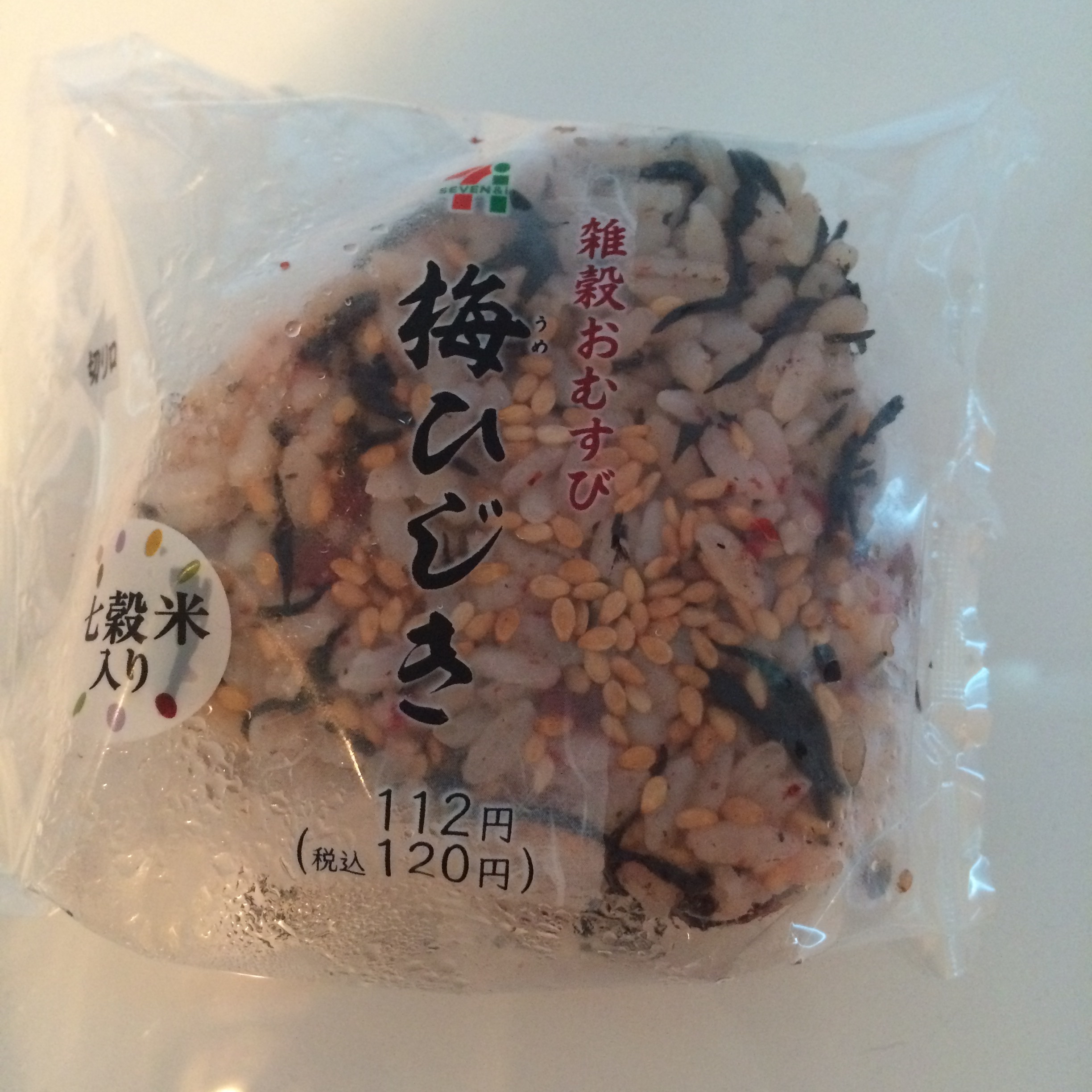
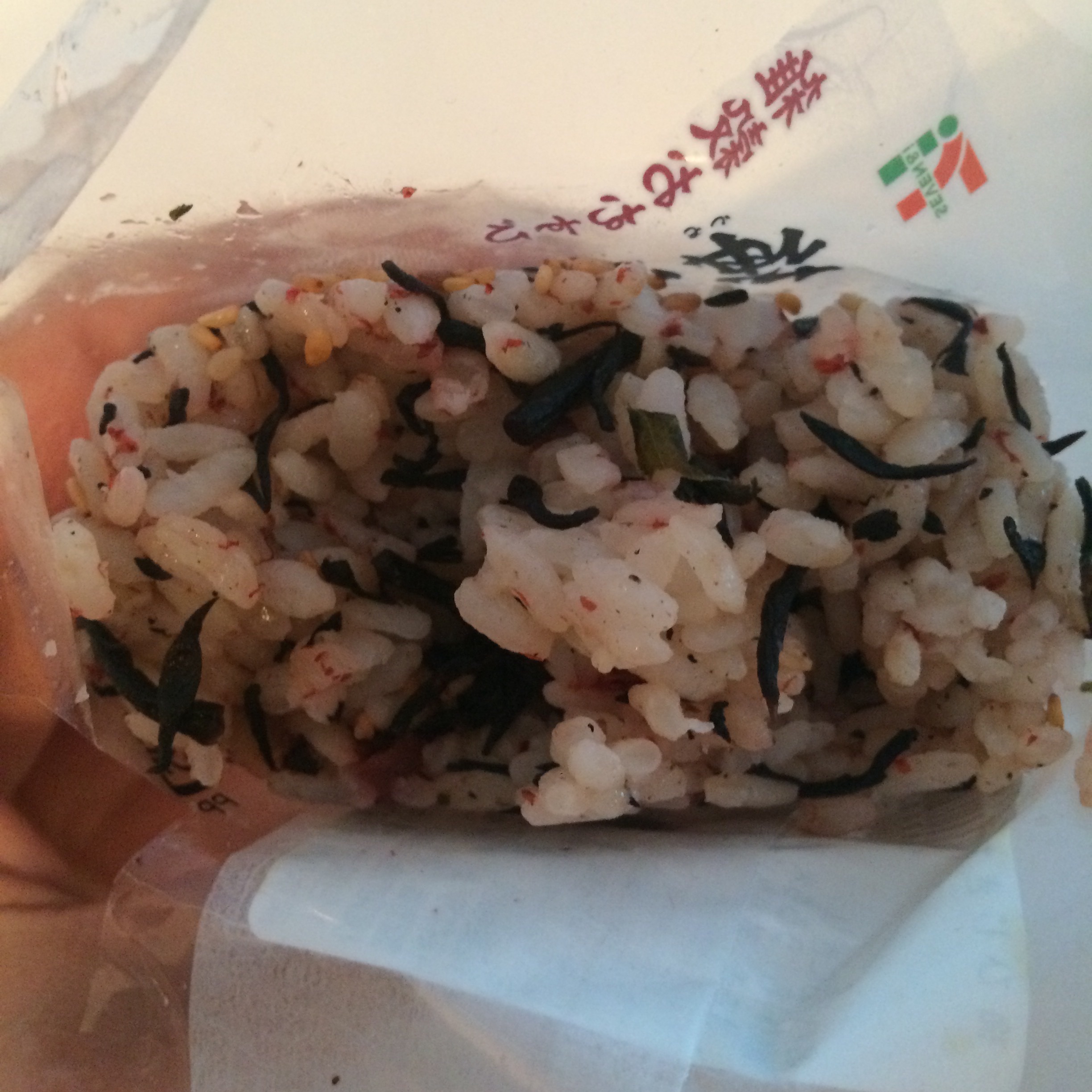
You can find these balls of rice (for lack of a more official name) everywhere – some are filled with fish, others are peppered with other things, like this one which had sesame seeds, seaweed and some sort of pickled vegetable. I was a little bit chicken when it came to buying the ones with fish, because it was often times hard to know what kind of fish you were getting. I also hate mayo, and some of the ones with fish had mayo as well, so I figured I was safe if I went vegetarian.
IMG_7684 IMG_7685

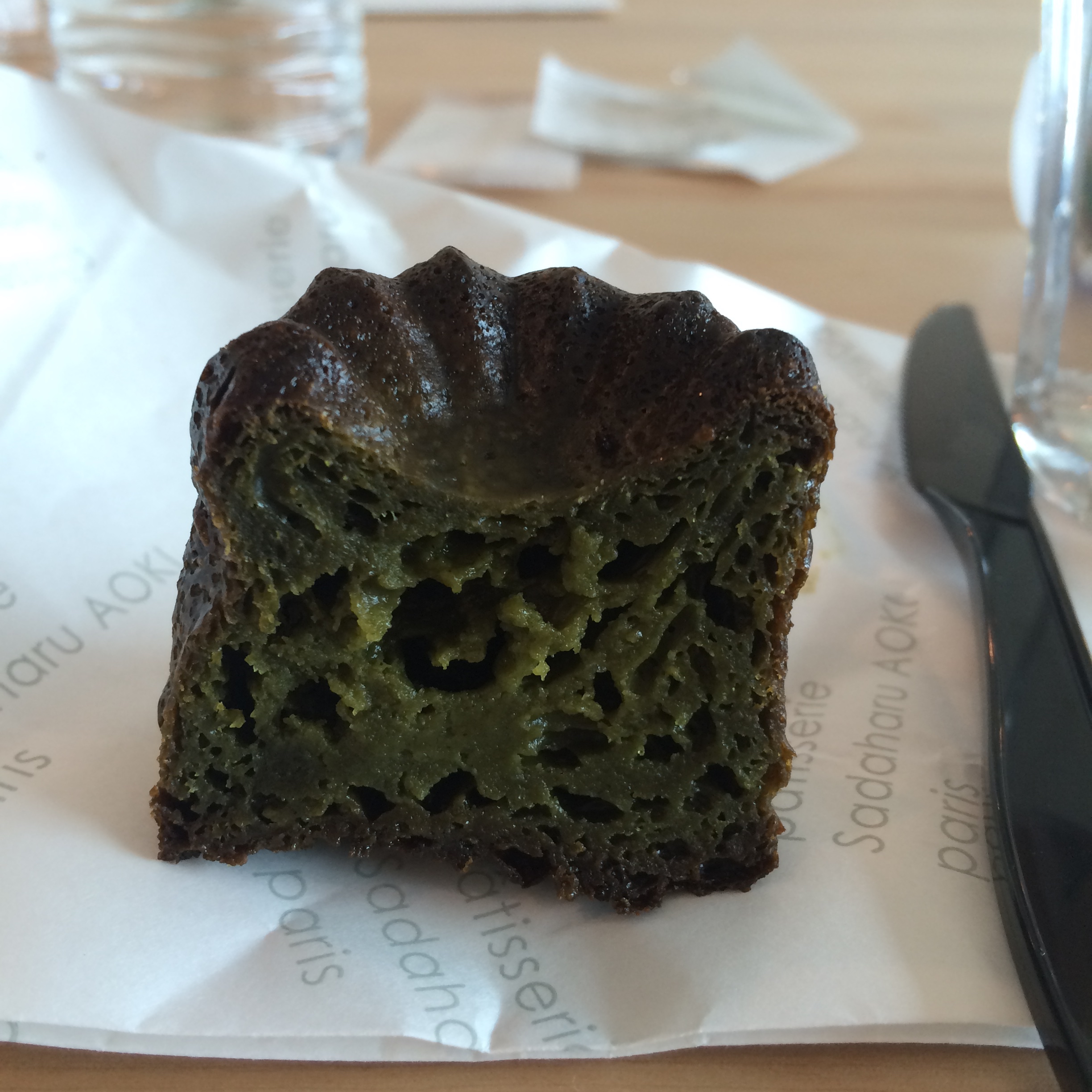
Green Tea Canele from Sadaharu Aoki. This was the best green tea flavored pastry I had all trip – great flavor and amazing texture, it had it all. Oishi (read: delicious)!!
IMG_8113 IMG_8166

Peanut butter sandwich, sold in markets and convenience stores. The bread is sealed around the edges, there’s a cute little peanut embossed on the bread (not sure if it’s legible in the picture), and it’s filled with deliciously sweet PB. This felt more dessert than lunch sandwich to me, but such a great treat! Thanks to Logan for the hot tip on this.
IMG_8293 IMG_8294 IMG_8295

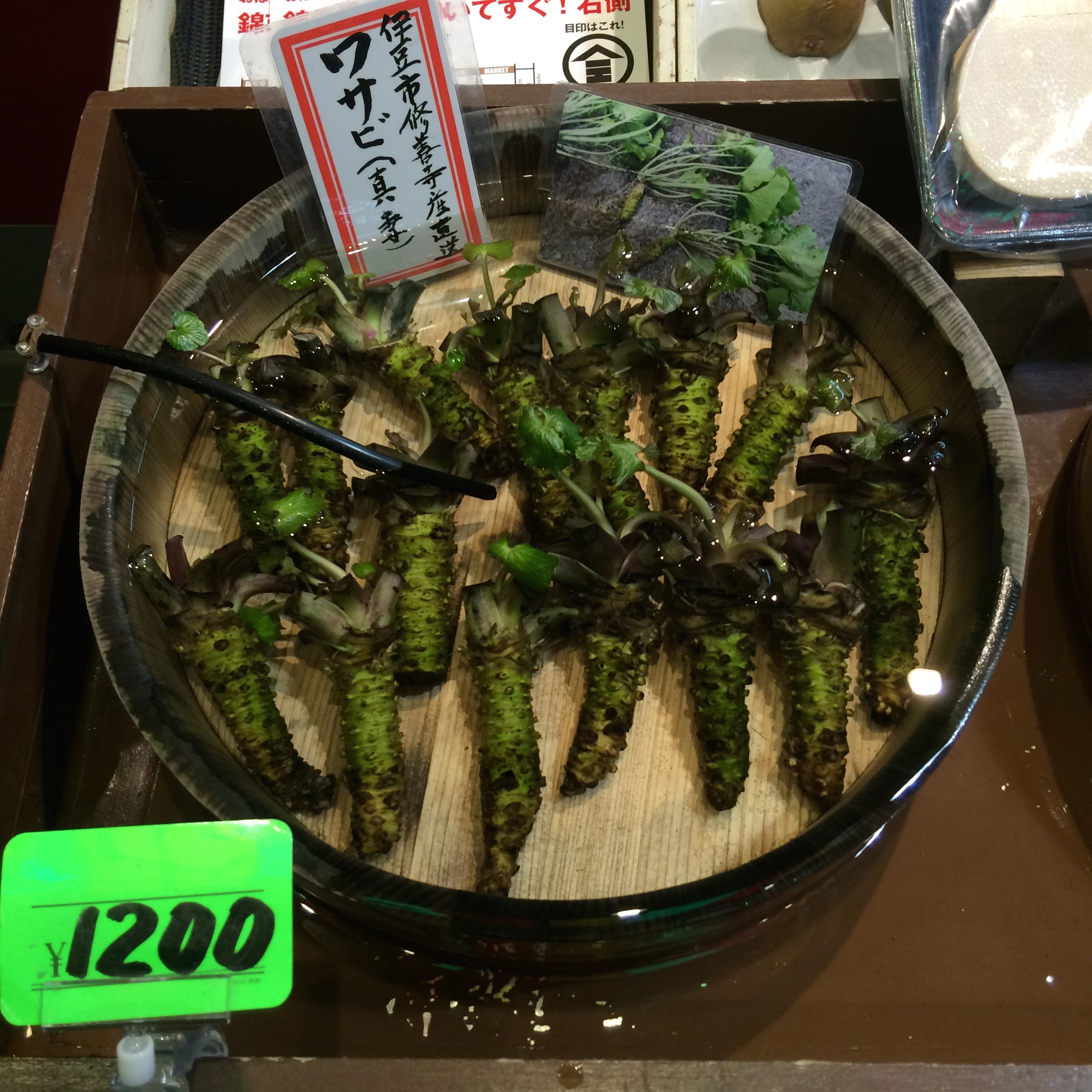
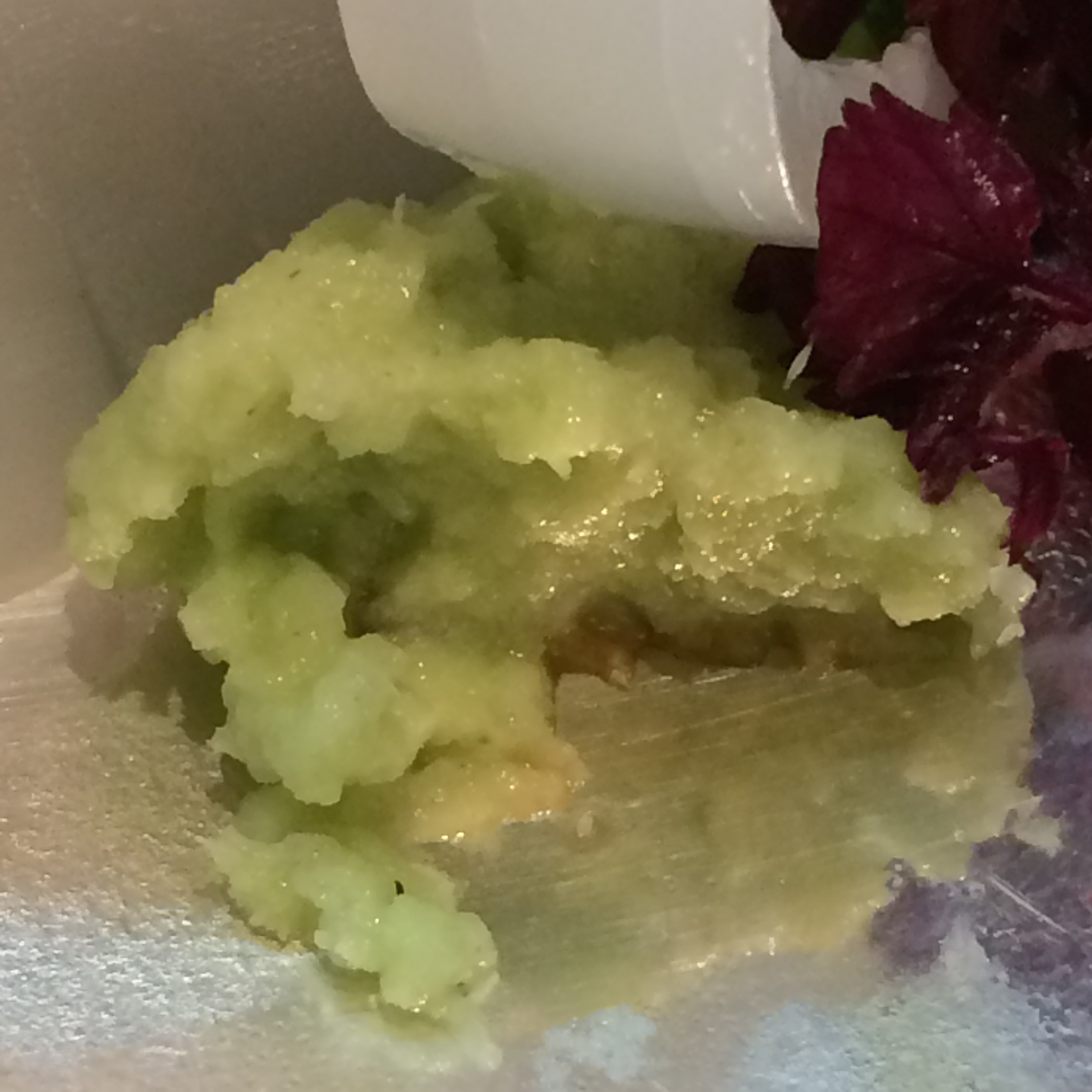
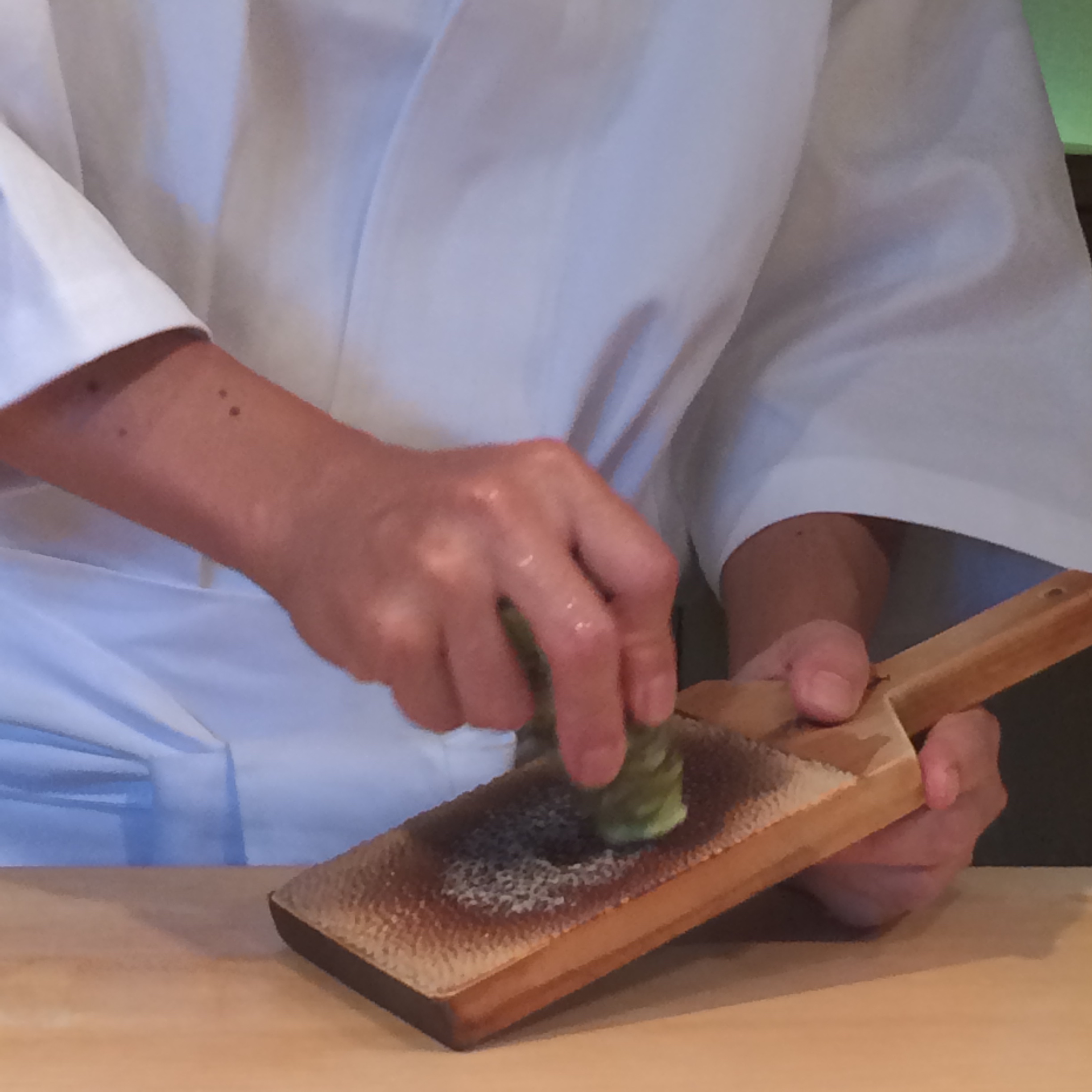
Real Wasabi two ways. Root form, and freshly grated (in a circular motion on a special shark-skin covered board.
IMG_8376 IMG_0140 IMG_8405

Custard square from Omotesando Koffee. I wish I found this earlier in the trip, because I would have gone back multiple times.

IMG_0012 IMG_0015

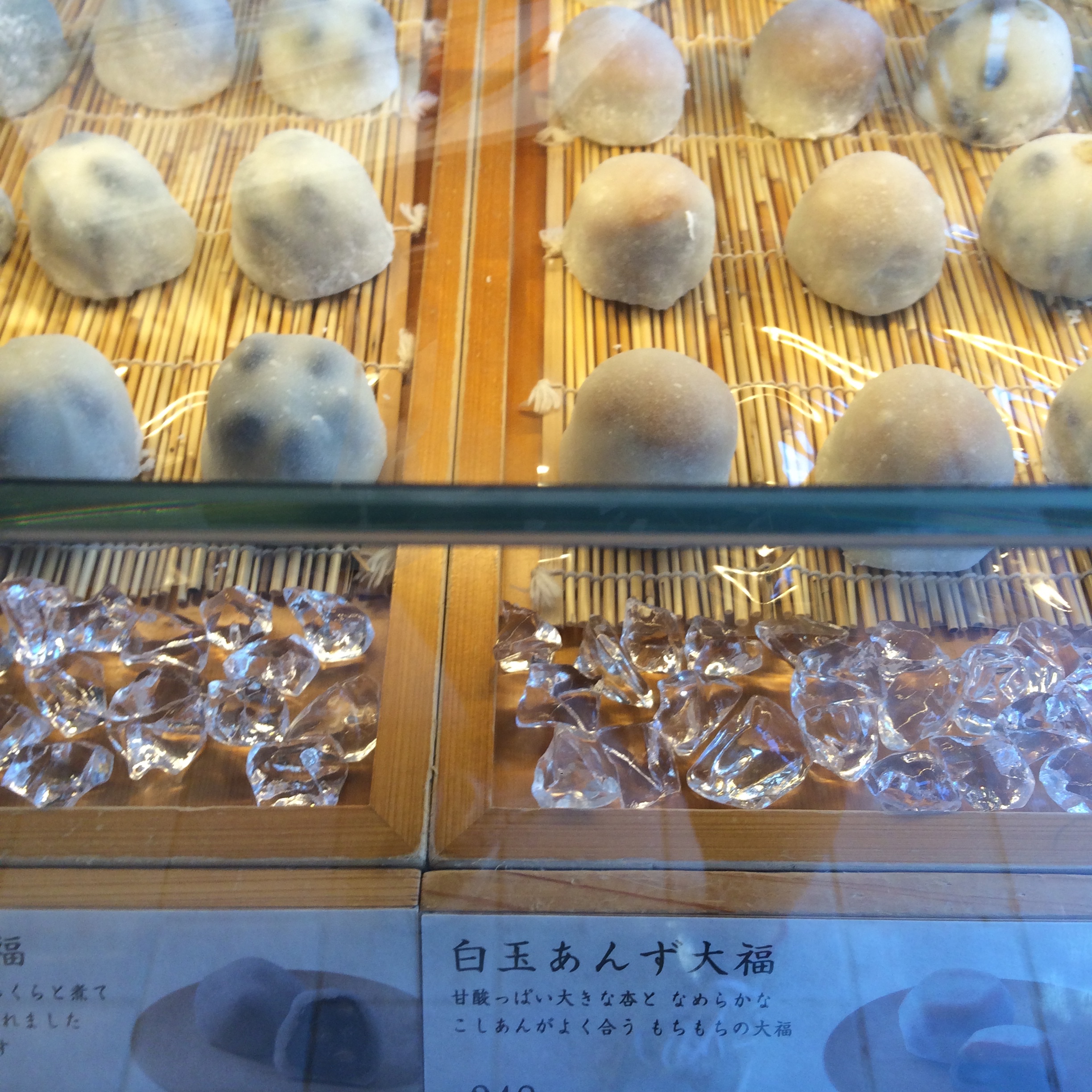
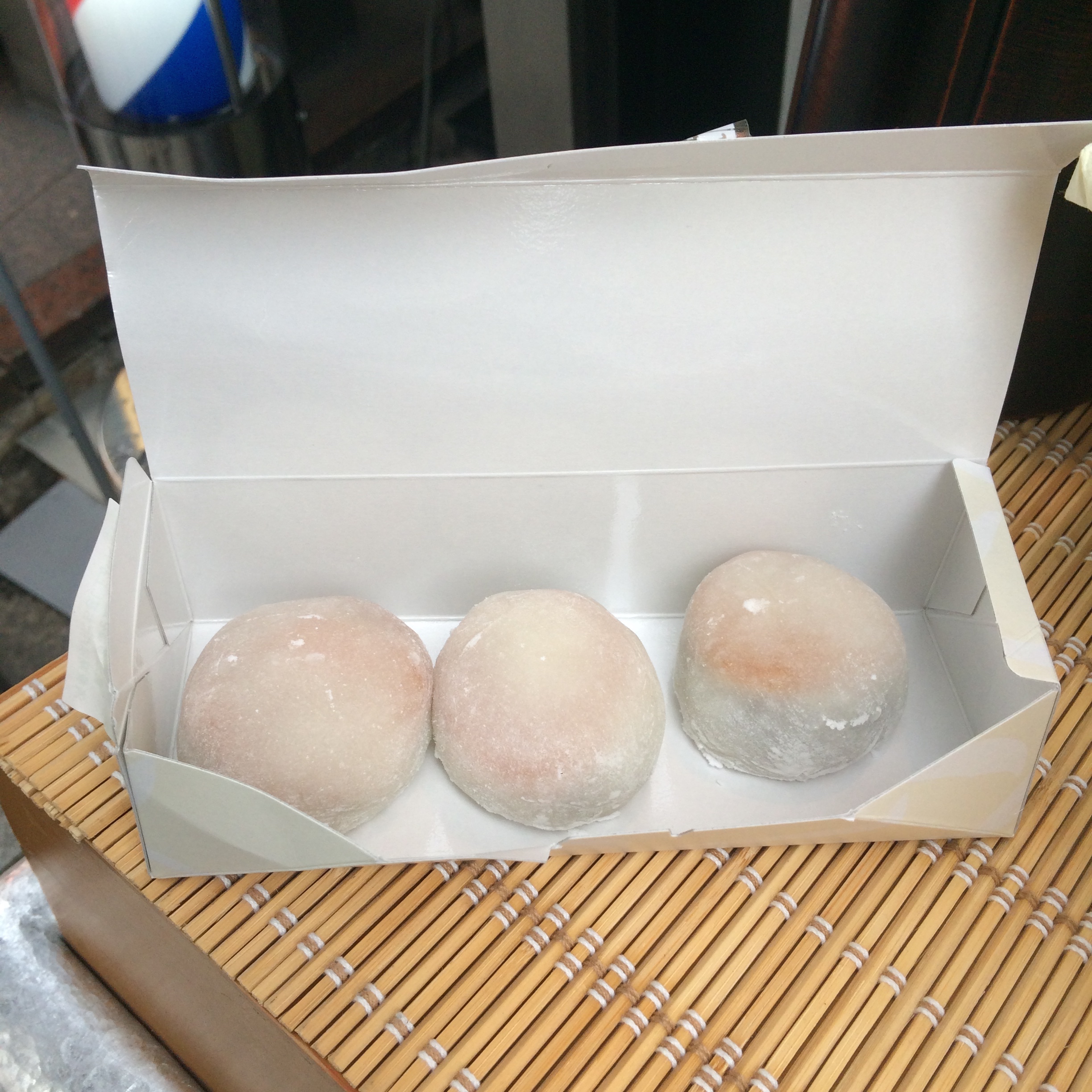
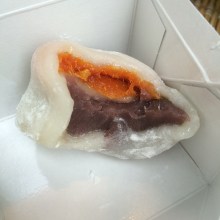
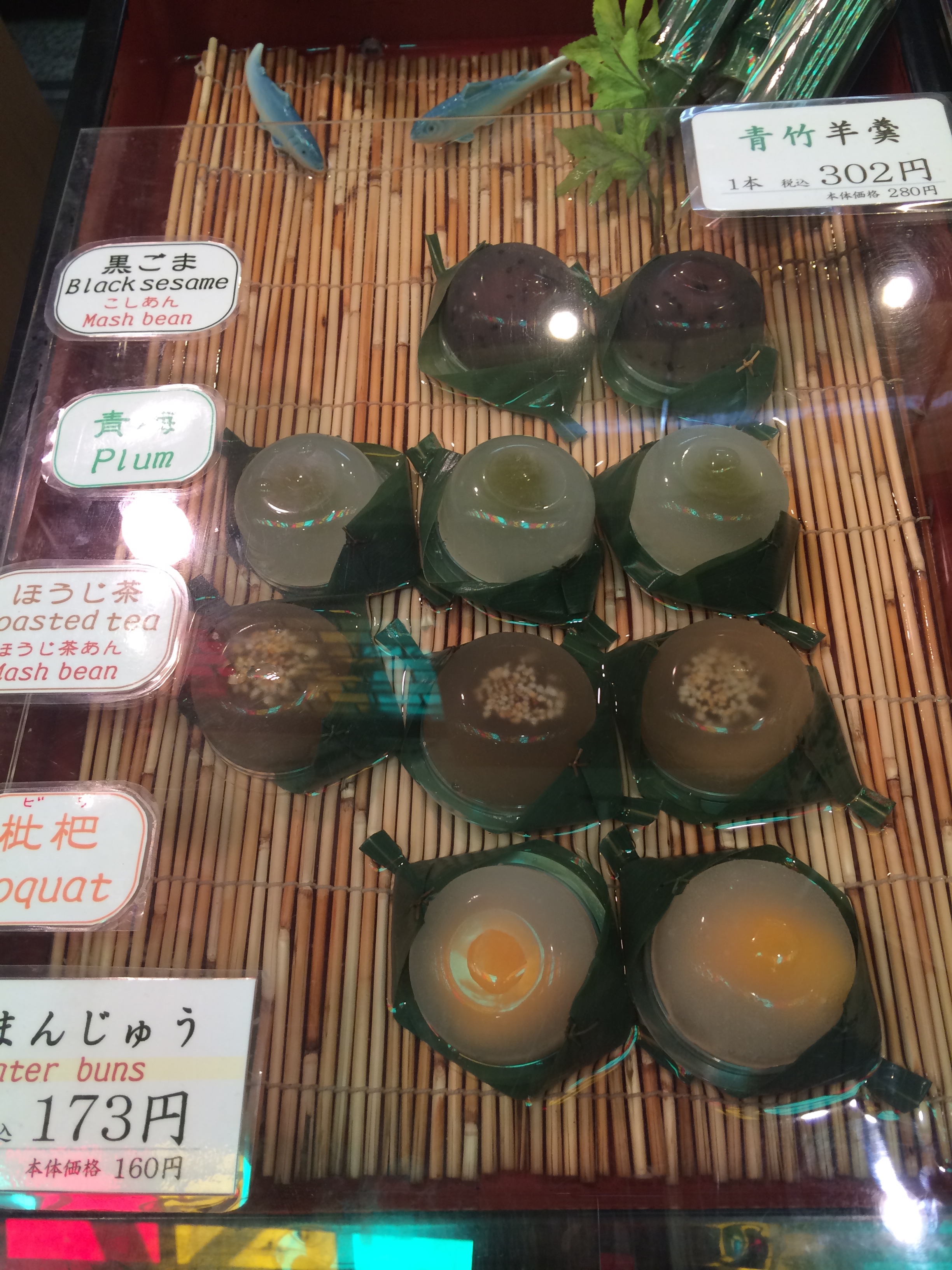
Red bean and Apricot Mochi. I had read about Ginza Akebono Mochi Shop and wanted to check it out. The mochi with a full strawberry in the middle was either sold out every time I went, or it wasn’t the season for it, hard to tell from the little English that was spoken. Either way, in place of the strawberry we found the apricot. This was probably my favorite treat of the trip…and we made a few trips back for more! Filled with typical red bean, and then topped with an apricot, this was such a great surprise every time you took a bite.
IMG_9765 IMG_9766

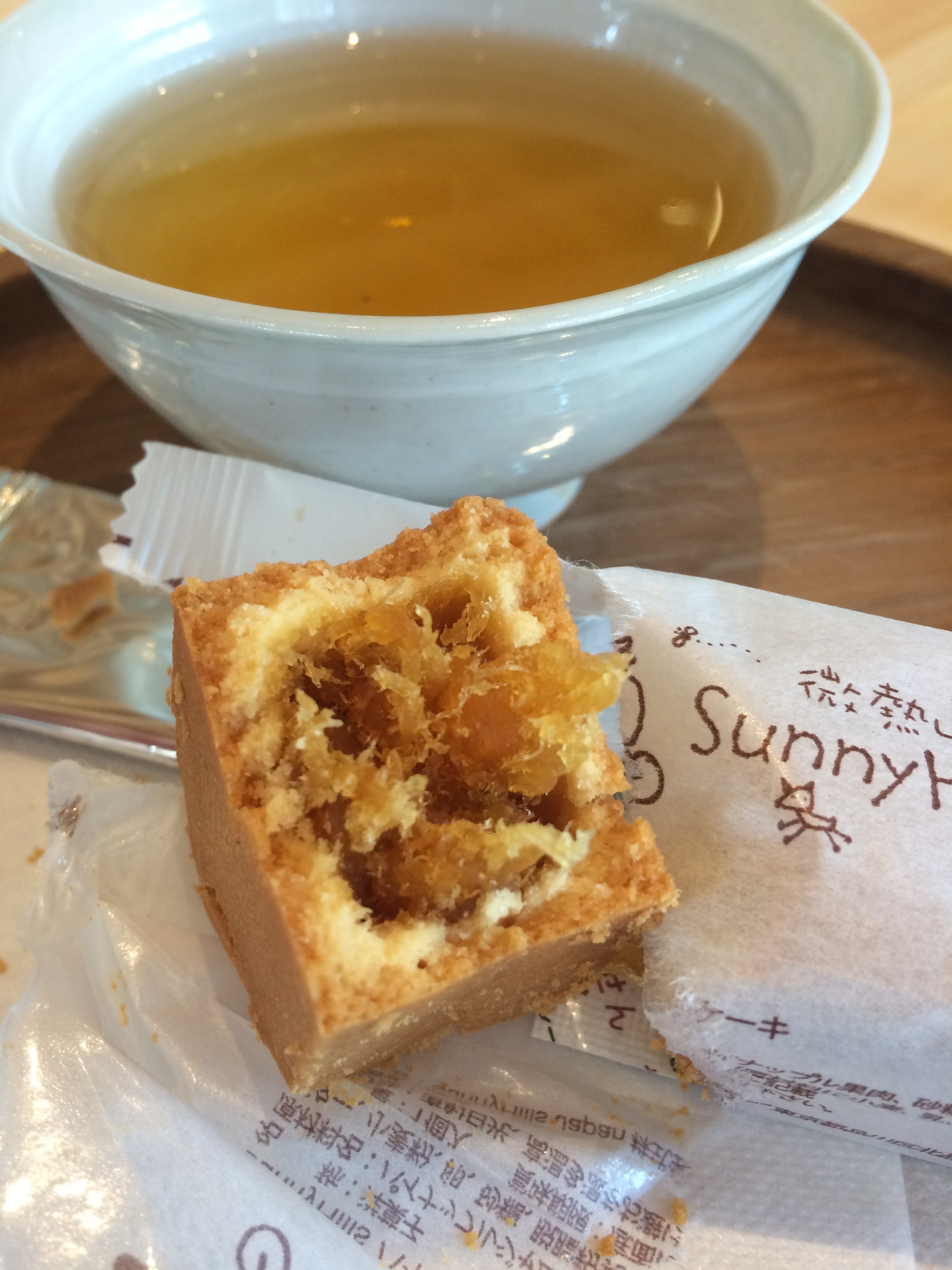
One afternoon we walked by this crazy looking wooden building exterior and decided we had to find out what was inside. It turns out this was a pineapple company, and the wooden exterior we guessed was meant to mimic that of a pineapple. We were brought upstairs for a free sample and this is what we found – tea and a prepackaged little cake. I wasn’t expecting much from this, but it turned out that it was a buttery little cake stuffed with stewed pineapple. The filling tasted like this dried baby pineapple that I love from Trader Joes. These cakes are exclusive to Japan…and they’re the perfect size for a midday treat.
IMG_0176 IMG_0182 IMG_0183

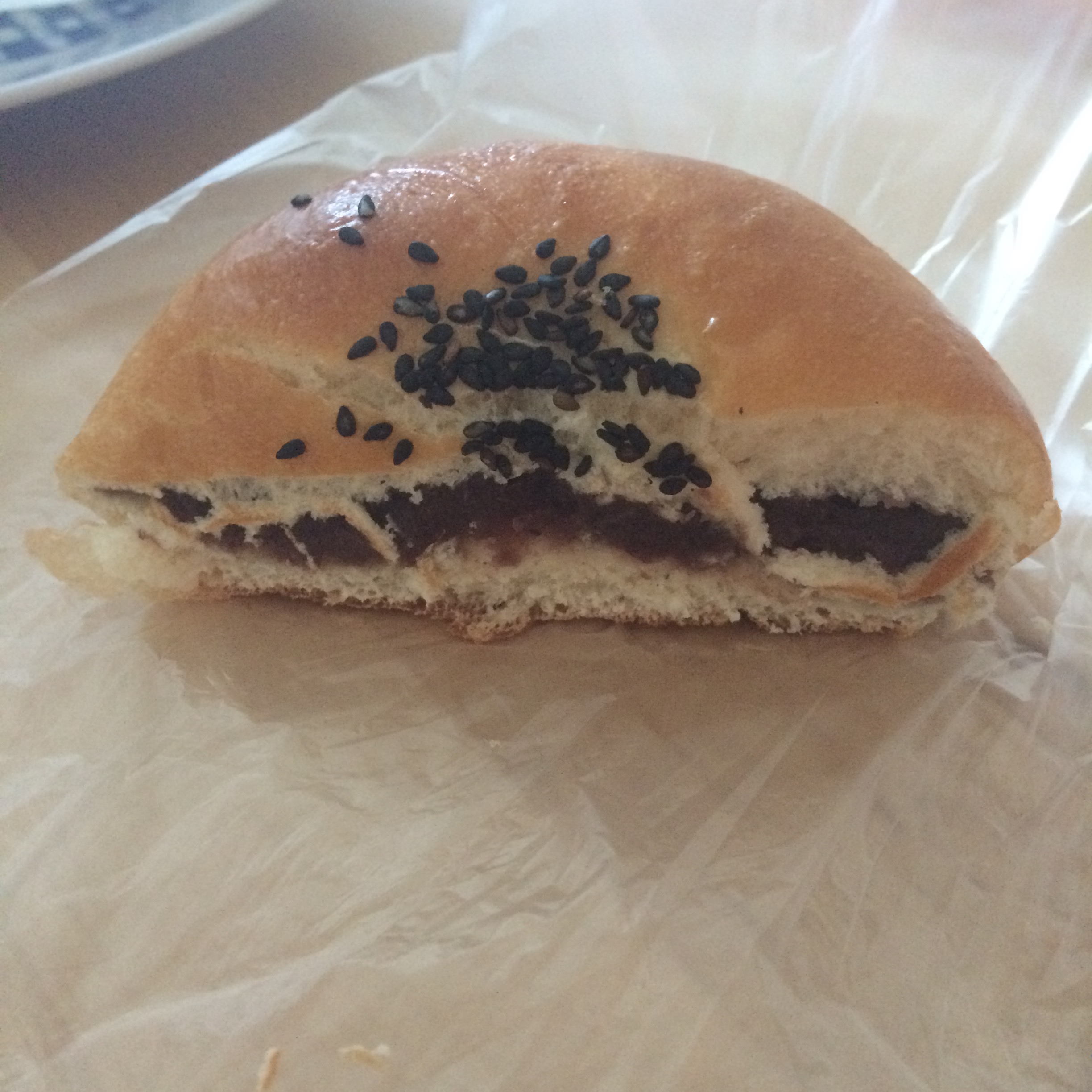
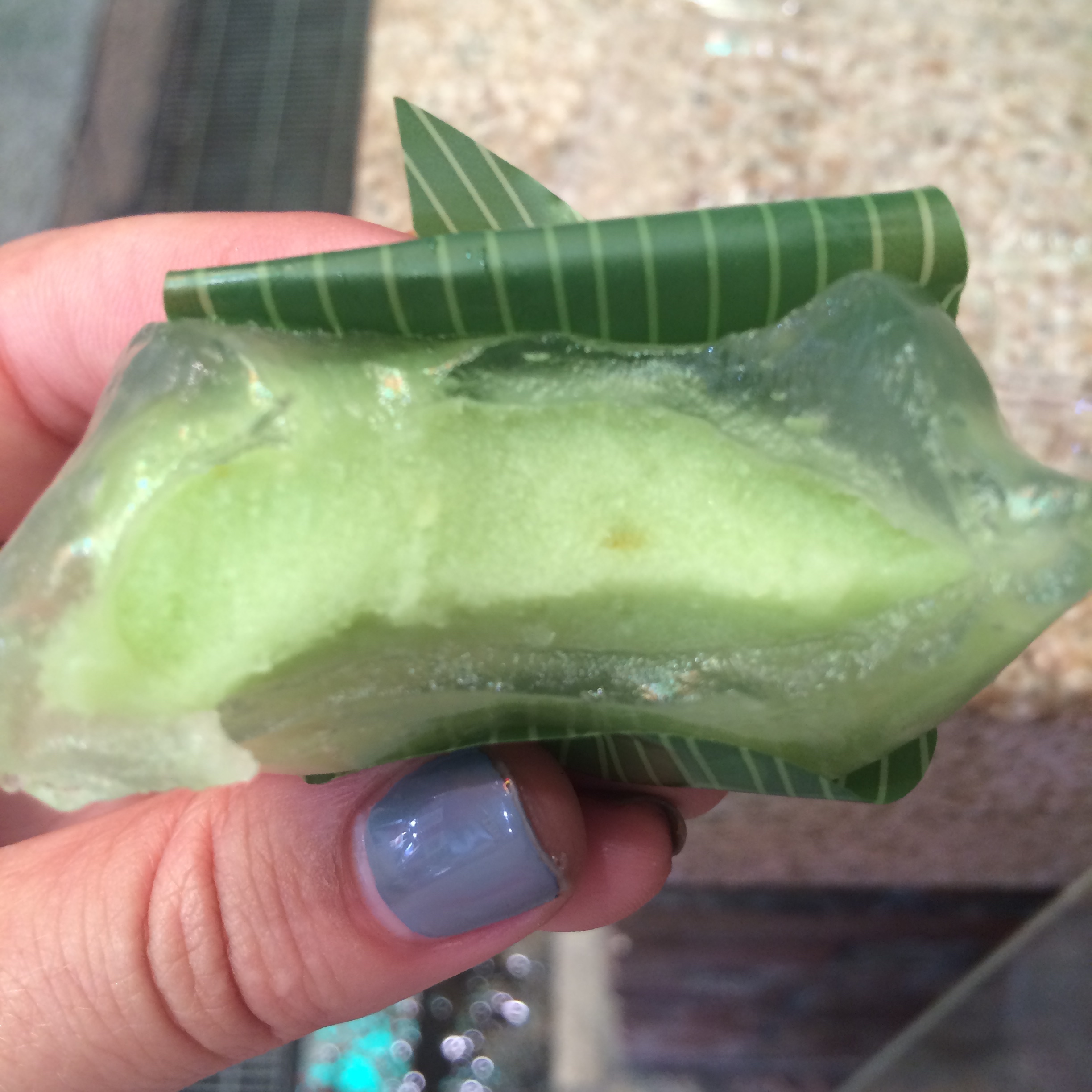
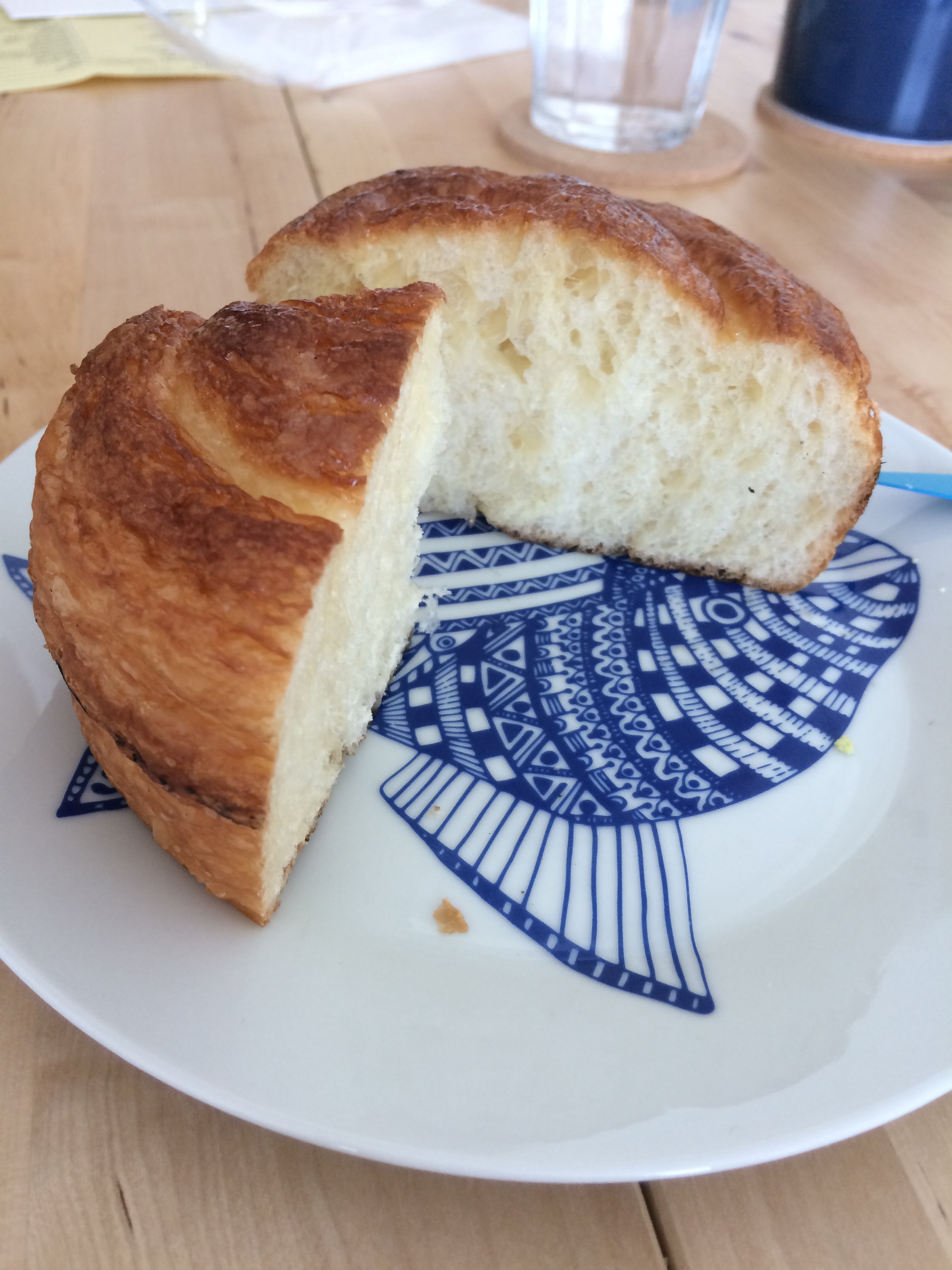
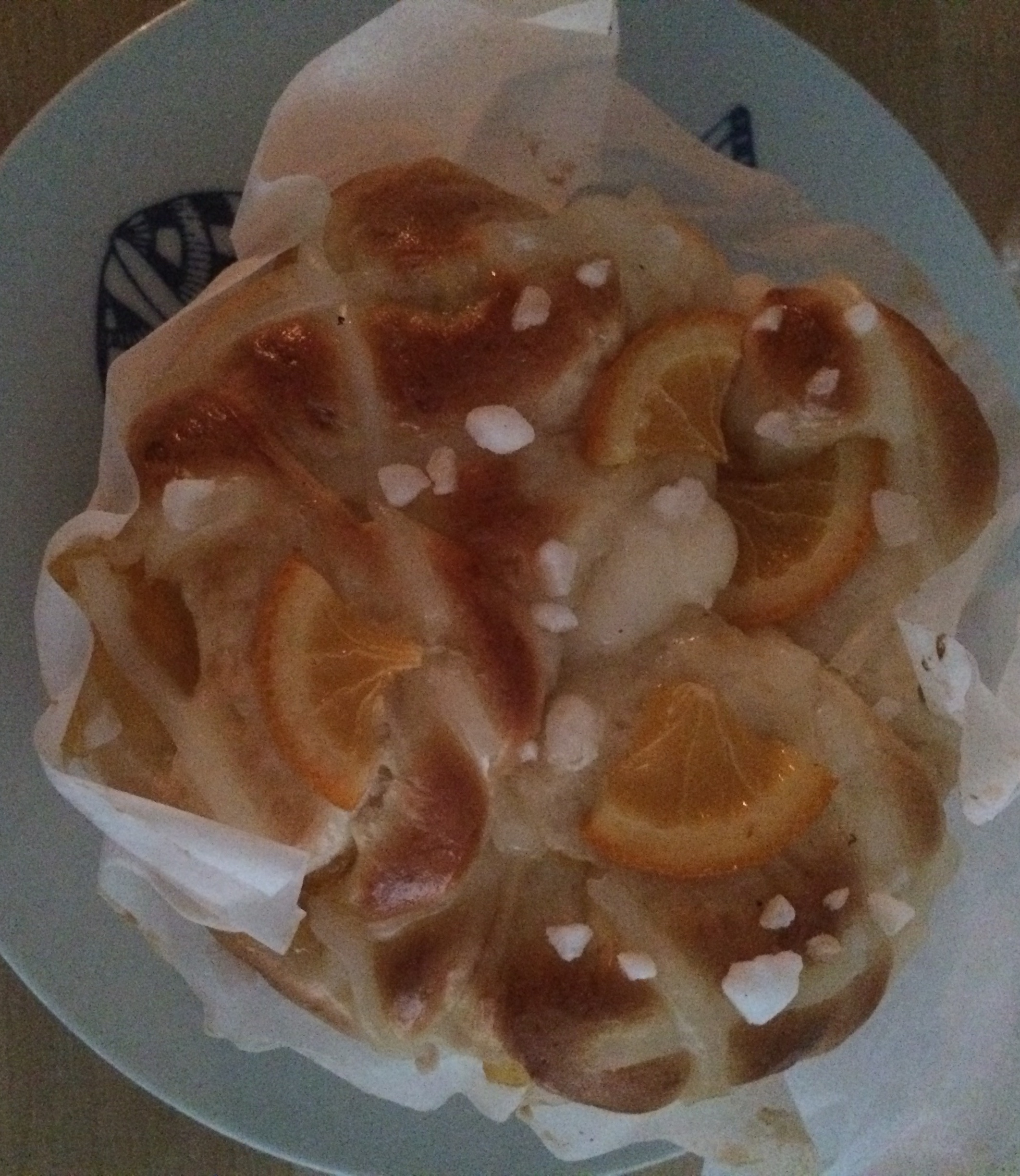
On a sleepy Saturday, we went for breakfast burritos at 1 of the 2 Urth Cafes in the city and then stopped at the market on the way home. Beyond the checkout aisle is the pastry department of this market, and Josephine thought we should take a little looksy. Well, we ended up taking home 4 different pastries, and we had absolutely no shame in doing so. We weren’t totally sure what we had picked out, and for the most part there were surprises with each one…especially with the green pastry that we assumed was matcha, and ended up actually being honeydew-melon flavored! I don’t think I’ve ever had a bread item with the flavor of melon…and I kind of loved it!! One round pastry that looked like it could be similar to a cinnamon bun, actually ended up being a round croissant. The one with citrus on top was the most obvious – just a little bit of icing and the citrus topping. The last one, the one with black sesame seeds on top actually had a red-bean filling. I noticed afterwards that you can buy this type of pastry prepackaged in convenience stores as well. The red bean surprise inside was such a nice compliment to the sesame flavor!
IMG_9863 IMG_9988 IMG_9864 2  IMG_9865 IMG_9866

I think you get the point here  – the mystery was half of the fun, but the food and the flavor was right there with it (or if I wanted to be cheesy I could say the flavor is one thing that doesn’t get lost in translation…thank you, and goodnight!).


LOST IN TRANSLATION

CATCH MY [TOKYO] DRIFT

IMG_0069

In between all of the delicious meals, and Zimas, I have found time for some culture in Tokyo. It hasn’t all been museums and temples though, for me culture here has been about flowers, baseball, and singing…and 1 temple and 1 garden, actually.

IMG_9669 IMG_9671 IMG_9679 IMG_9681

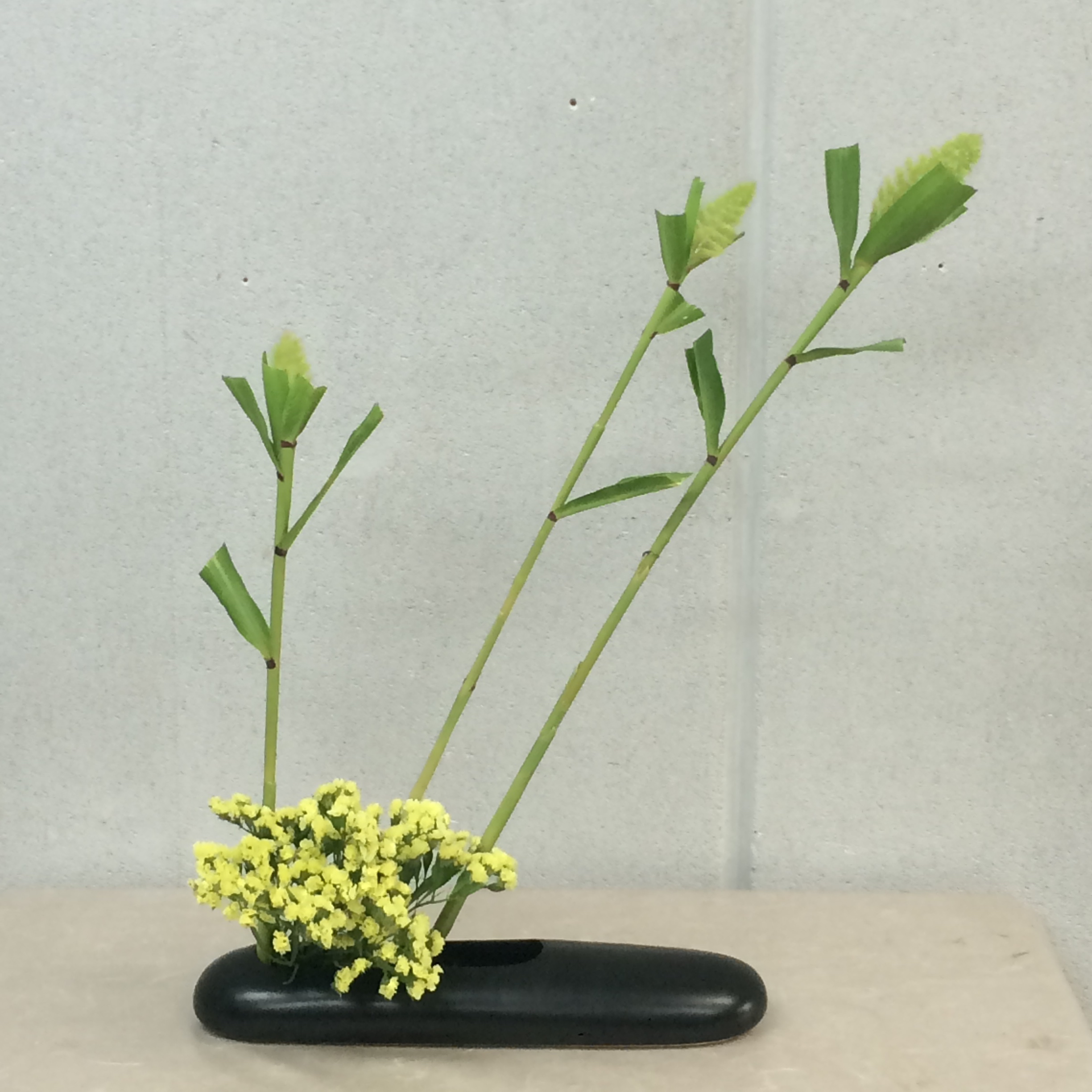
One of the things I was hoping to be able to learn about while in Japan was Ikebana, the traditional art of Japanese flower arranging. I love flower shops and arrangements, and the little I knew about ikebana intrigued me because the arrangements were so beautiful and yet so different than anything I had ever done. I found a woman who does classes, and just my luck it ended up being a private lesson. My teacher, Reika, told me that similar to Home Ec class in the States, Ikebana was once taught to girls in school, and was thought to be one of the main skills desired for an arranged marriage. Reika showed me 3 different types of ikebana arrangements, before I was to try one of them myself. Line, shape, and space are all extremely important in ikebana – most arrangement are an exercise in the beauty of minimalism. The style of my arrangement was of the slanted Moribana persuasion. 3 main stems, of different lengths, and at different angles, provide the basis for this type of arrangement in a low, shallow vase. I have seen arrangements in this style before, but never understood that there were rules that govern the final product. Upon learning said rules, I was pretty nervous, thinking I wouldn’t be able to figure it all out, but I have to admit I felt good about my final product…and my teacher did say I have “natural ability”…I guess I can always fall back on these beginner’s skills should I need them :). What do you think, not too bad, right?!
IMG_9773 IMG_9775IMG_9793 IMG_9780IMG_9872 IMG_9786IMG_9785 IMG_9825IMG_9818 IMG_9820                                                IMG_9826 IMG_9809

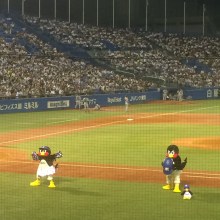
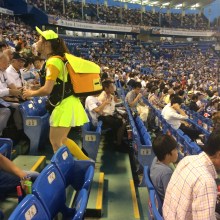
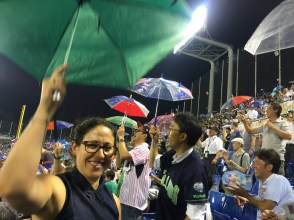
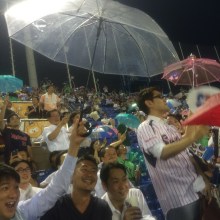
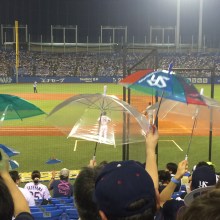
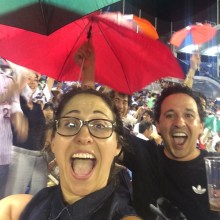
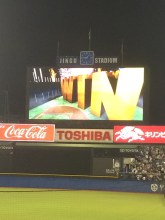
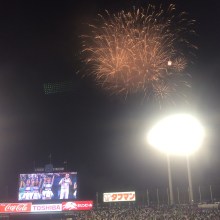
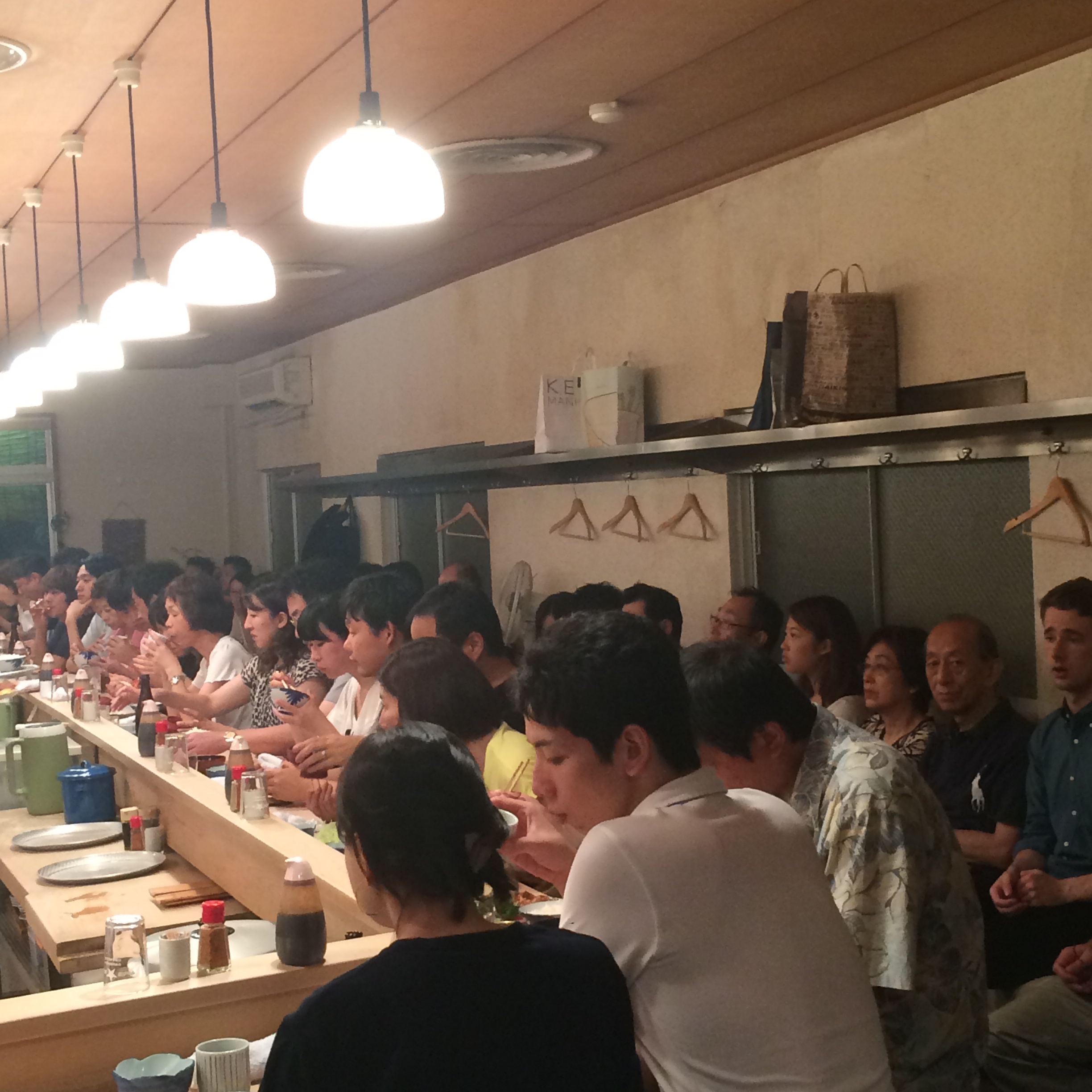
My brother is a big baseball fan, so I grew up a fan too. I wanted to go to a game in Japan to see what the experience was like there, and turns out it’s different from games here. In fact, it reminded me more of Michigan football games than it did a Dodger Game. There were constant cheers and instruments being played. Girls with mini kegs on their backs, like backpacks, sold beers throughout the stands. And umbrellas were opened and raised with each run that scored. In fact, teams have mini souvenir umbrellas for just this purpose. Luckily, it had rained on and off that day, so we had our umbrellas in tow and could participate. The Swallows stadium is right in the heart of the city – we walked from my brother’s apartment. I always think it adds to the experience when you can walk right up to the game and be in a totally different environment from everything else around it. The Swallows won – just the cherry on top of an overall really fun time.

IMG_9919 IMG_9921IMG_9923 IMG_9927

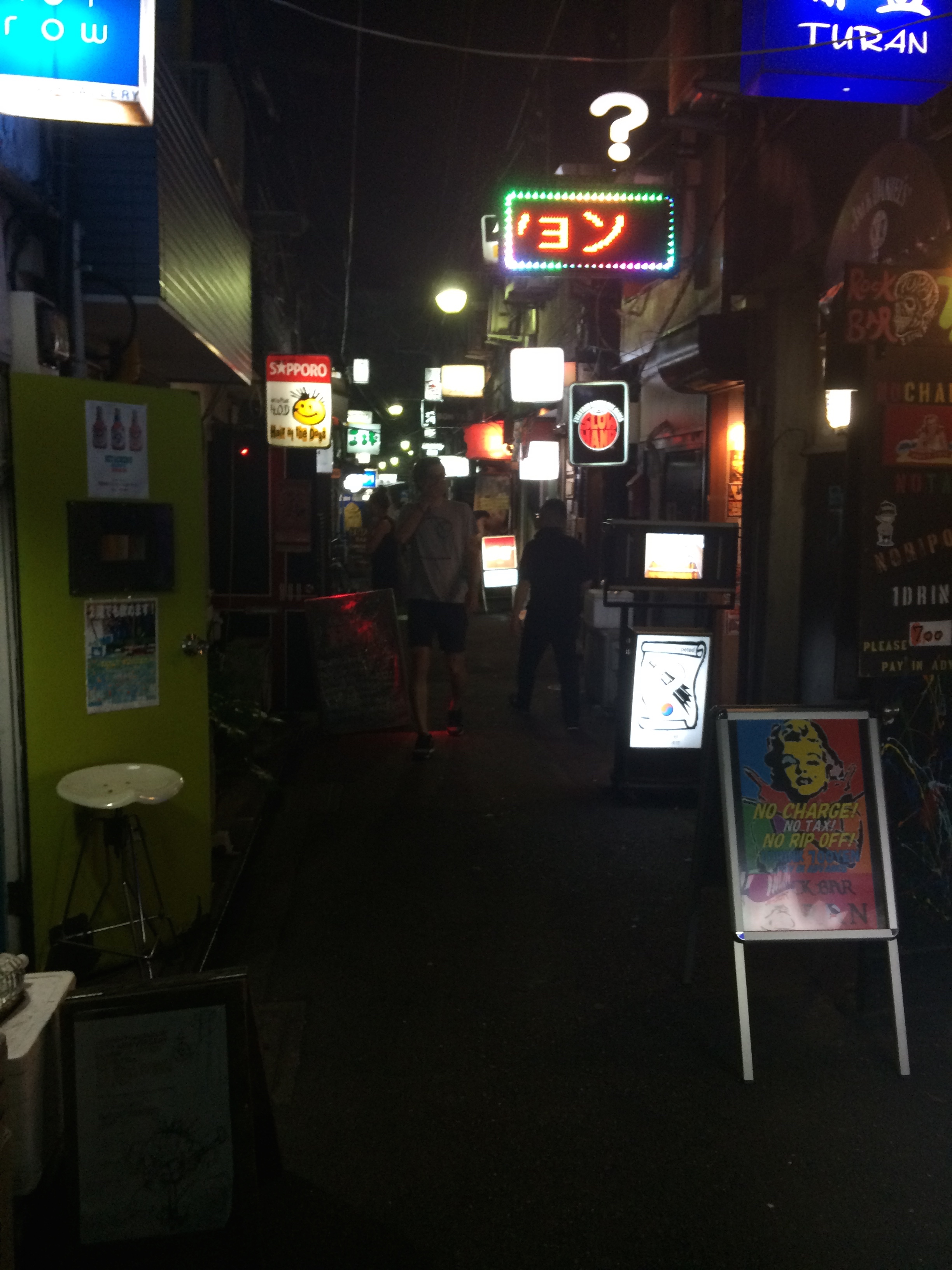
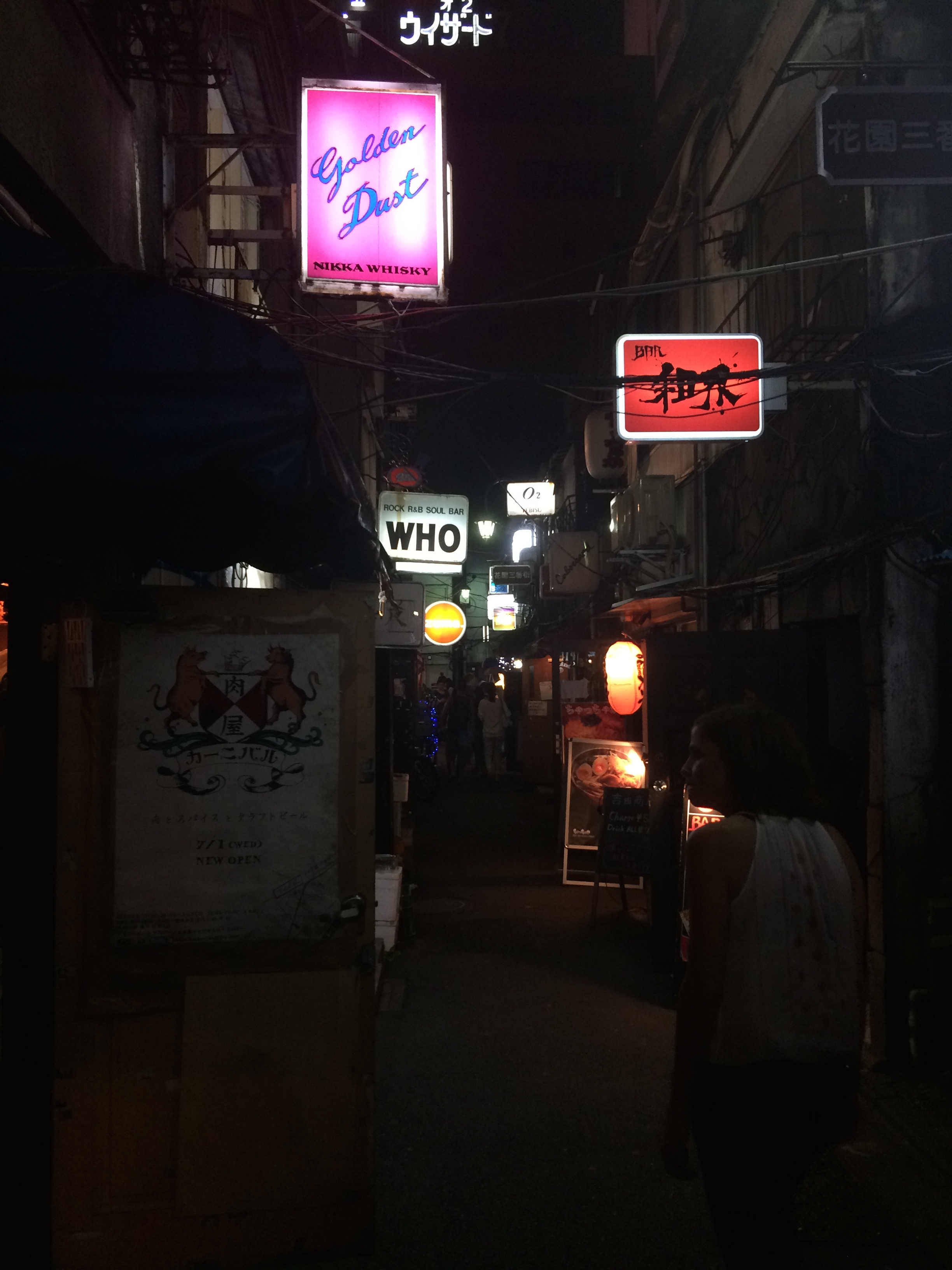
I couldn’t leave Japan without some Karaoke!! Some of you know that karaoke is a favorite pastime of mine, especially with my brother, who is actually good at it, so it was imperative that we had a fun night out in a private room. Luckily, Josephine was in for the fun, and we also met up with 2 friends who were visiting from LA, so we had a bigger group than just us. We all met up in Golden Gai, a network of small alleys and passageways stuffed with something like 200 bars, in the Shinjuku area of the city. The bars are tiny, many holding just a handful of patrons at a time. We visited 2 different bars before heading out for some karaoke. Our group of 5 sang everything from Disney anthems to classics from the 80s up to present. I think I could have continued to sing for hours and hours, but we had a pretty good session as is. A very, very fun night indeed!!

IMG_9937 IMG_9934 IMG_9933

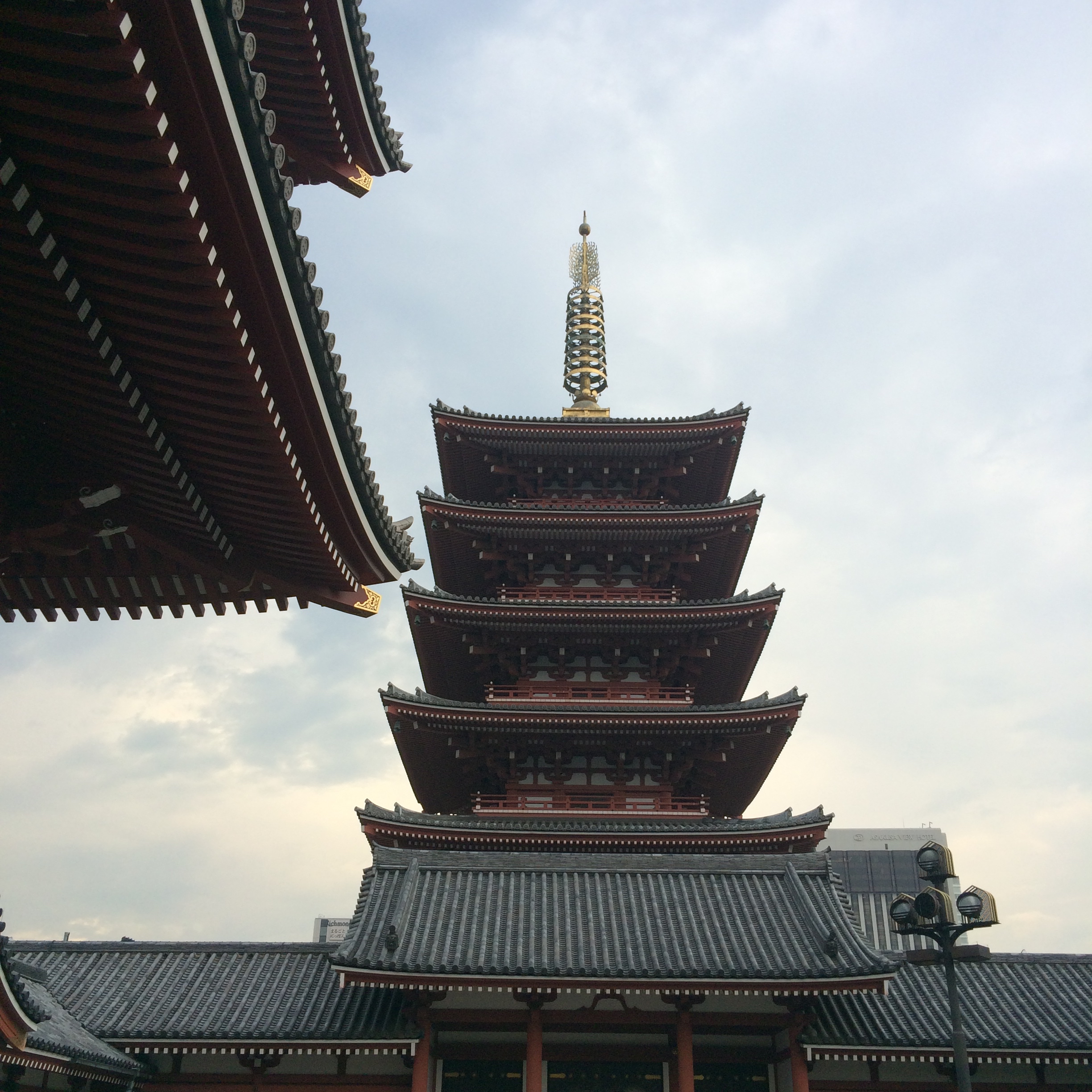
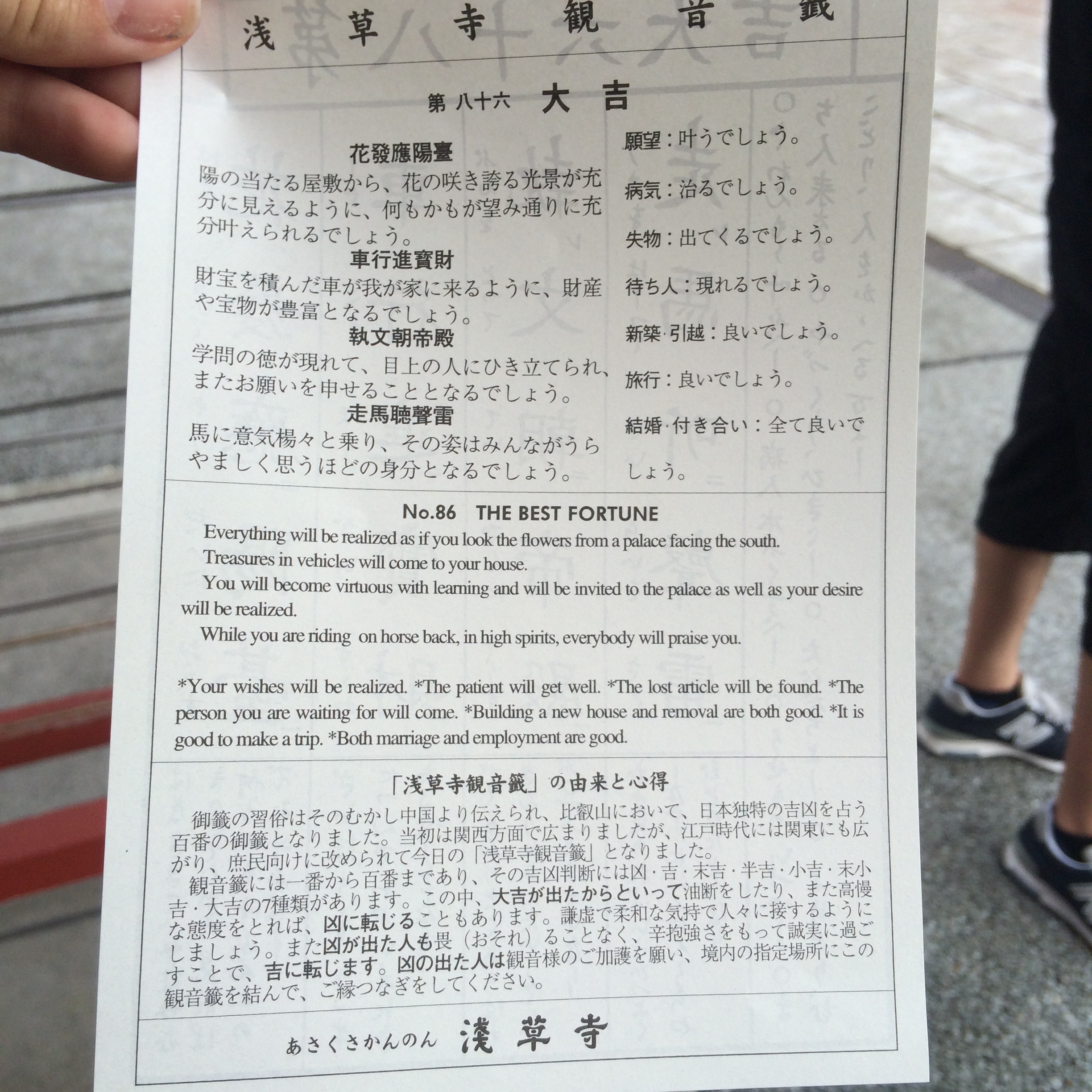
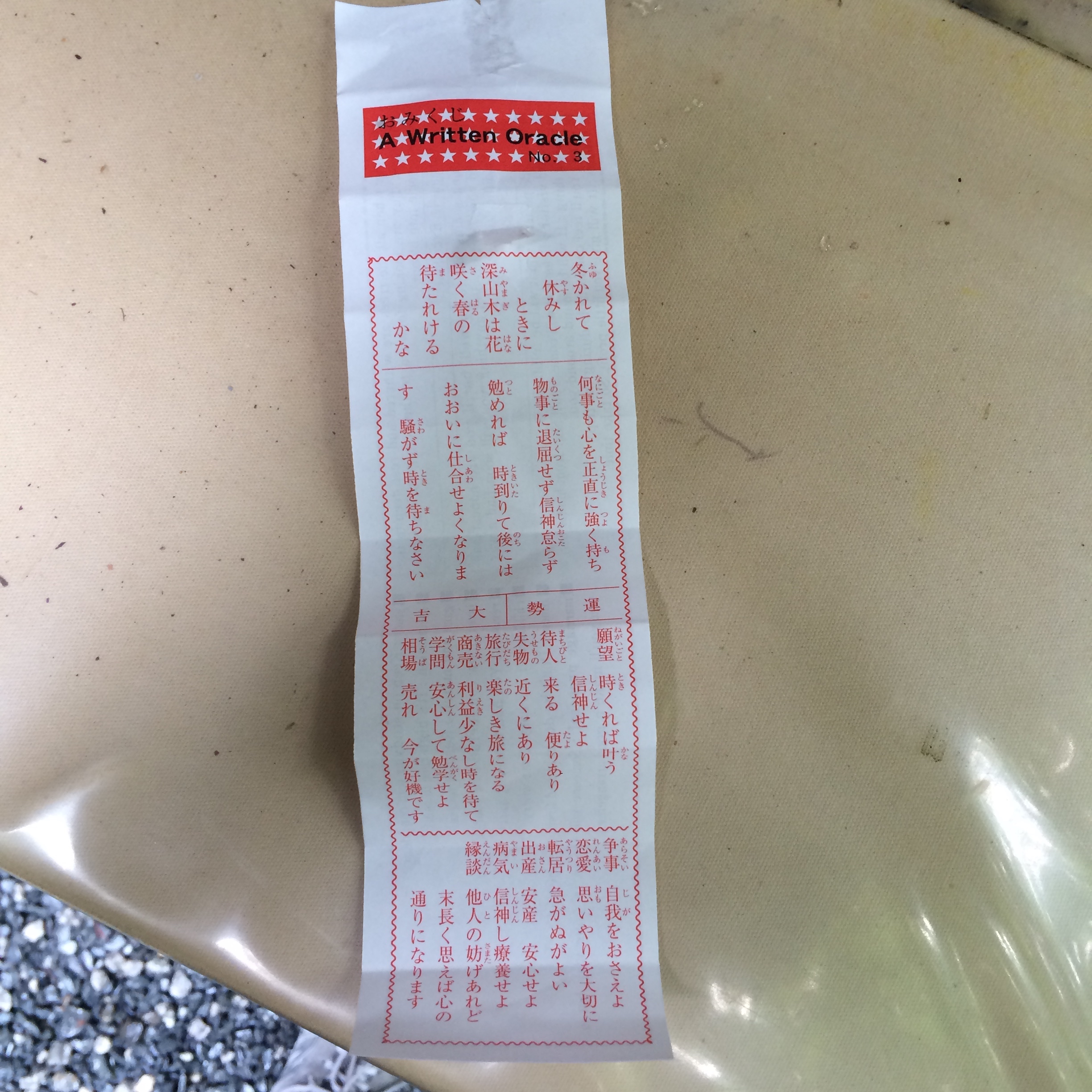
In addition to all the fun typical Japanese activities, there was also one major temple I wanted to visit in the city. Sensoji is the oldest and biggest temple in Tokyo. The huge lanterns at the gates that sort of serve as the entrance, are iconic throughout Japan. I paid 100 yen (80 cents usd) to visit an o-mikuji (random fortune) stall where I consulted an oracle in the form of a metal container. You shake the metal container to free a stick labeled with a number that corresponds to a drawer with a fortune in it. My fortune was titled ‘The Best Fortune,’ what a relief! Apparently some of them are actually ‘curses’ so I was happy to get a fortune, let alone one of the best caliber. My fortunes in Japan have been very positive – I’m feeling good about the future!

IMG_9730 IMG_9724 IMG_9728IMG_9740 IMG_9733 IMG_9747    IMG_9737 IMG_9735 IMG_9736

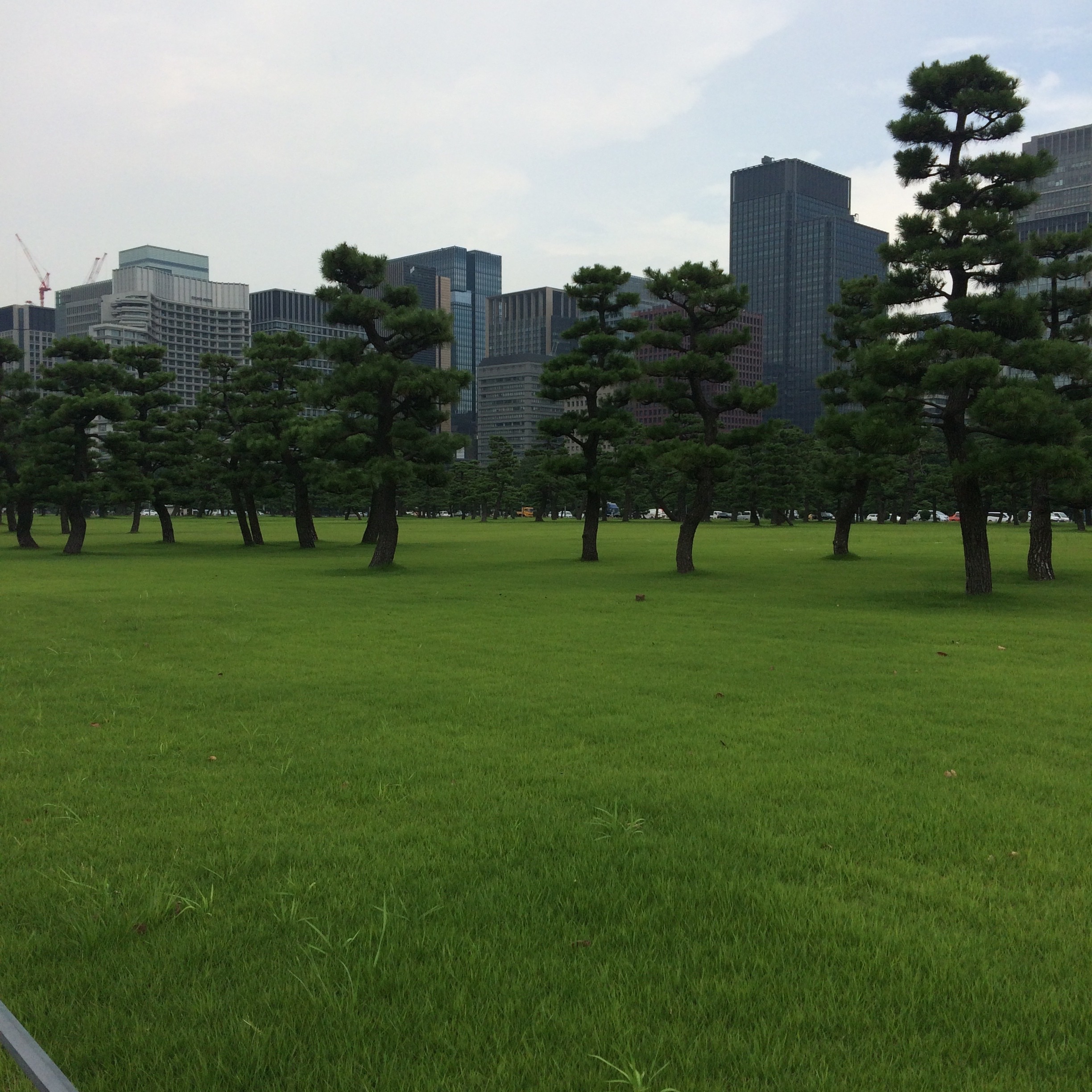
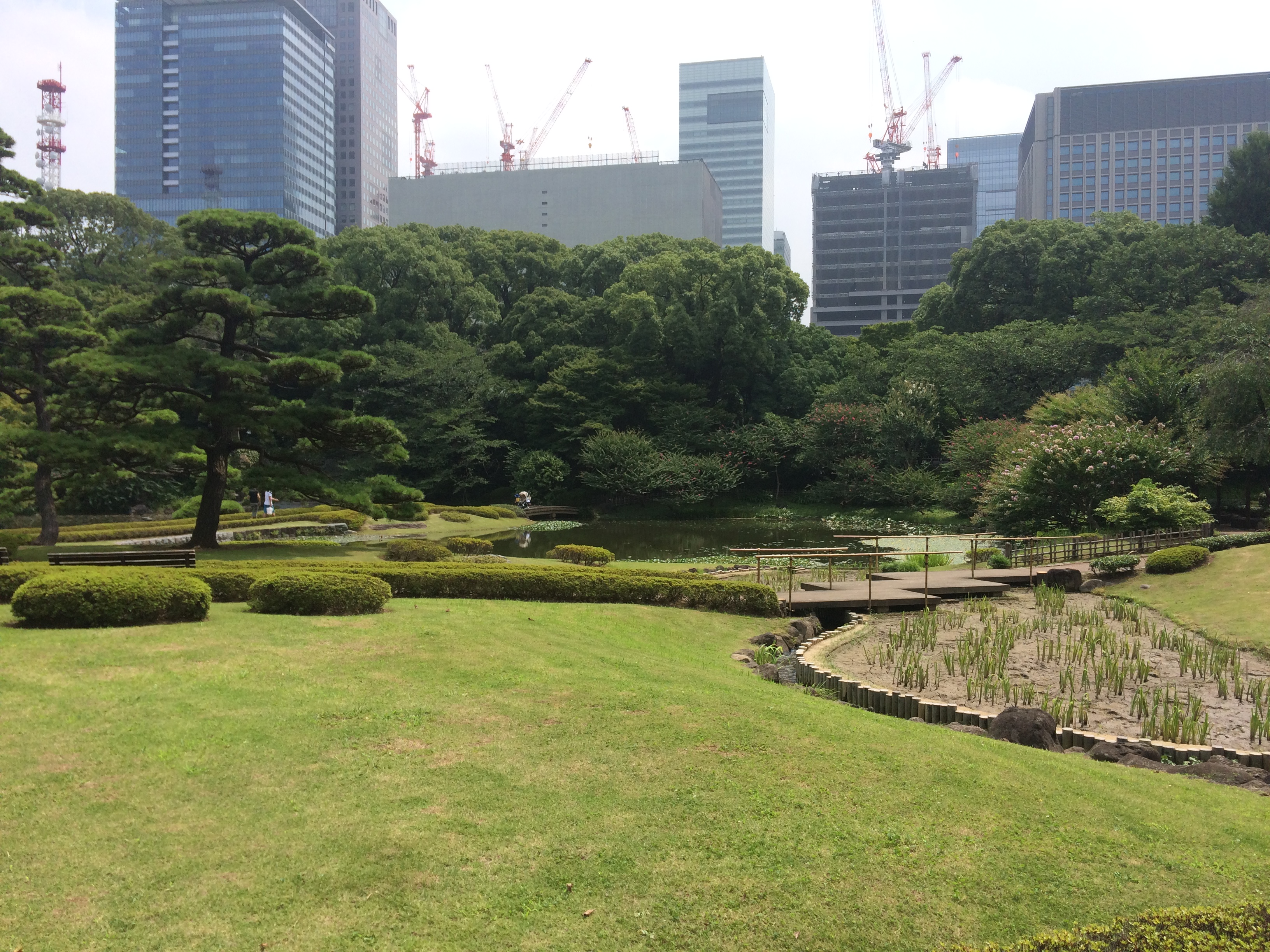
Last but not least -The Imperial Gardens. Very large and beautiful, I love the views of these gardens with the city skyline backdrop – just a little bit of peace and quiet in this packed city. I love the way Japanese gardens are pruned – the aesthetic is so simple and yet so beautiful. I think “cloud pruning” is actually a term used for this style, which reminds me of Crouching Tiger, Hidden Dragon with battles taking place jumping from branch to branch, or “cloud to cloud” high up in the trees. I don’t think it’s easy to capture this look in pictures, and that has bothered me throughout the trip, but some of these wide shots do it a little justice.

IMG_9700 IMG_9698 IMG_0379 IMG_0367IMG_0380 IMG_0381 IMG_9706 IMG_0430 

There is so much to do and see here, and I’m so glad I’ve had the time here to do it all. More food and fashion to come…

CATCH MY [TOKYO] DRIFT

LOTS OF PORK IN JAPAN

Before arriving in Japan, neither ramen nor tonkatsu were high on my list of foods I craved, but unfortunately (or fortunately) now that’s no longer the case! I usually don’t eat much pork, except for prosciutto, but other than sushi there was pork in a lot of my favorite things in Japan. So…when in Japan, right?!

IMG_0047

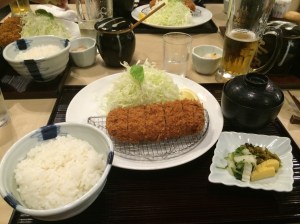
Tonkatsu was not something that I ate much of before my trip. I think I had had it in one form/cuisine or another once or twice, but I had never had it like this. We first went to Maisen, situated in an old traditional bathhouse. You can get a tonkatsu sandwich from their little window on the street, or get the plate, served hot, inside the restaurant. The menu explains the many different types of pork that they have, as well as the different cuts available for order. Our dinner was on the later side (by Japanese standards, where dinner at 6pm is normal), so they were sold out of some, but luckily they had our choice of Korobuta (quality pure breed of pork) Filet (the least fatty of the different cuts). Served with pickled vegetables, white rice and miso soup, as well as 3 different sauces to choose from, this fried pork cutlet was strangely light and airy feeling, not heavy at all! I tried all 3 sauces – sweet, spicy, and “special” and couldn’t get enough of it all. Maisen very quickly turned my thoughts around regarding Tonkatsu, and I couldn’t wait to try it again somewhere else.
IMG_8314 IMG_8313 IMG_8306 IMG_8311

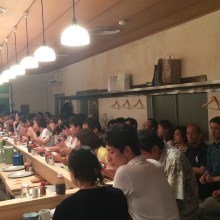
That somewhere else was Tonki. My brother had been talking about wanting to try this place, but mentioned that you have to line up at like 3:30pm for dinner. Seeing as that sounded crazy, we kept pushing this off. We were free one night though and decided to just go check on how bad the line was at 6:30pm on a Saturday. Luckily, we only waited about 30-40 minutes, which was only a problem because of the lack of a/c. Tonki is a family-run operation, and the experience of it all is the biggest reason to go there. Dinner is served in the round, with a 3 sided counter enveloping the open kitchen. While in line you shout your order to the man keeping track of the line from the kitchen. There are only two menu options – a cutlet either with a little fat or one with more fat – we opted for 1 of each between the 2 of us. You can watch the tonkatsu as it progresses down it’s assembly line – from the batter station, to the fryer, to the old grandpa who cuts each cutlet perfectly and then hands it off to the plating station, where the mound of lettuce already sits on the plate waiting for the pork to accompany it, and a dollop of spicy mustard is waiting to be added. Tonki makes their cutlets a little differently than everyone else – they keep them in the fryer for a long time so that the coating is almost separated from the pork – it’s crunchier than the rest. There is less emphasis on sauce here, having only 1 option other than the mustard. These plates are also served with the pickles, white rice, and miso soup, only this miso soup is like no other I’ve ever had…naturally, it is made with pork in it. Rich and delicious, this was AMAZING!! I would go to Tonki, like I said, mostly for the experience, but also for this soup. Don’t get me wrong, the cutlet was delicious (we preferred the one with less fat, by the way) but the miso was unforgettable.

IMG_9899 IMG_9880 IMG_9879 IMG_9883 IMG_9897  IMG_9896 IMG_9892

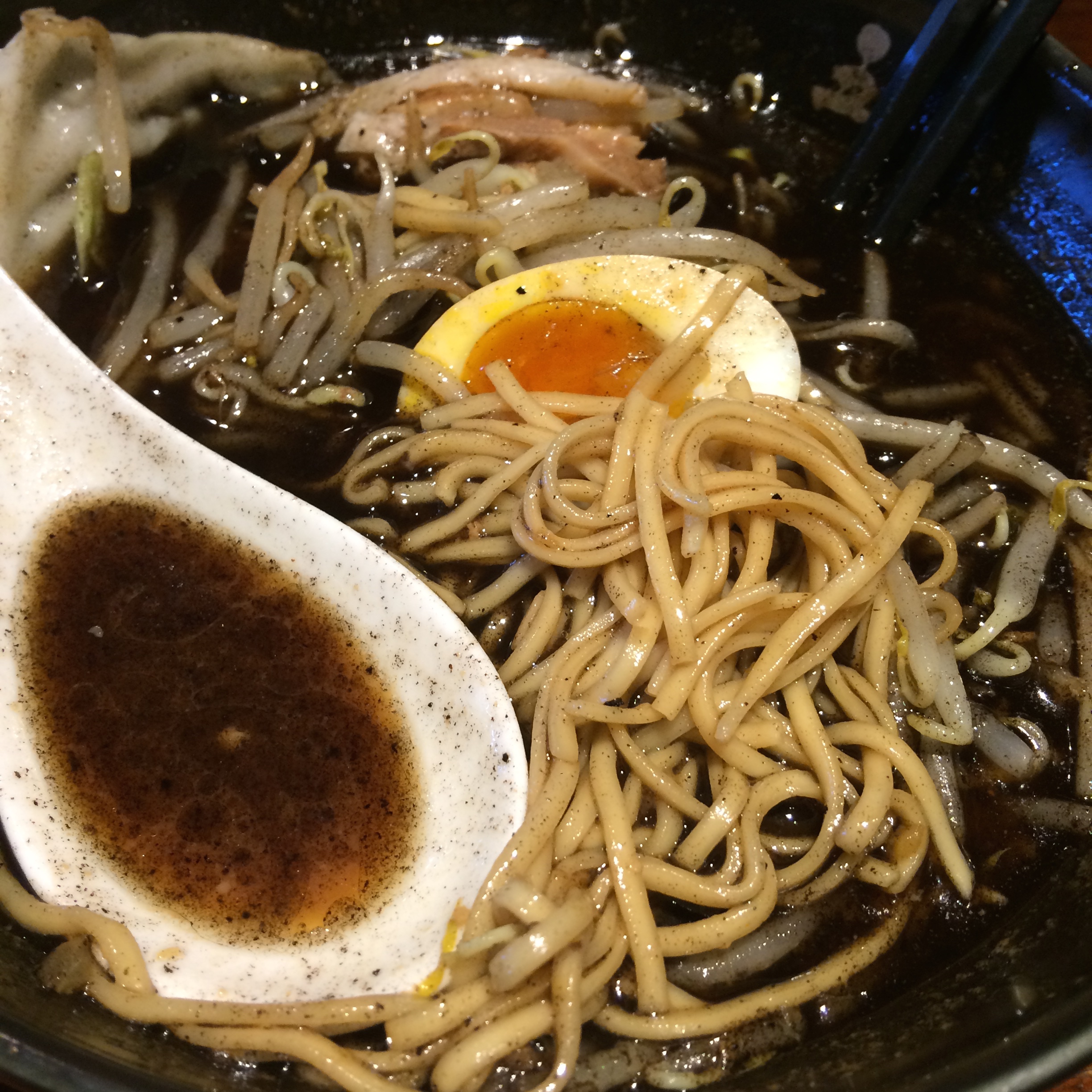
Another typical pork-filled meal, albeit not fried, is ramen. Now I’ve already talked about some of the ramen that I’ve had in Japan, but one additional place that deserves mentioning is Gogyo, which offers burnt-miso ramen (called kogashi), as well as the more typical sort. This burnt-miso broth is essentially made by scorching miso in lard…which is of course what gives it it’s intense flavor. The broth is dark in color, and looks almost as if it is charred. Sprouts, cabbage, nori, a fish cake, and some pork accompany this delicious bowl, plus I added an egg, because it’s what I do. I’ve never had a bowl of ramen quite like this, but I can’t recommend it more. It’s extremely rich and yet very hard to stop eating once you’ve started. If you find yourself in Japan (Tokyo or Kyoto) make sure you go to Gogyo!!

IMG_9491 IMG_9494

Still more food, culture, and a Japanese fashion wrap up to come. I’ll be posting all week so stay current.

LOTS OF PORK IN JAPAN

SUSHI, SUSHI, GOOD FOR YOUR BODY

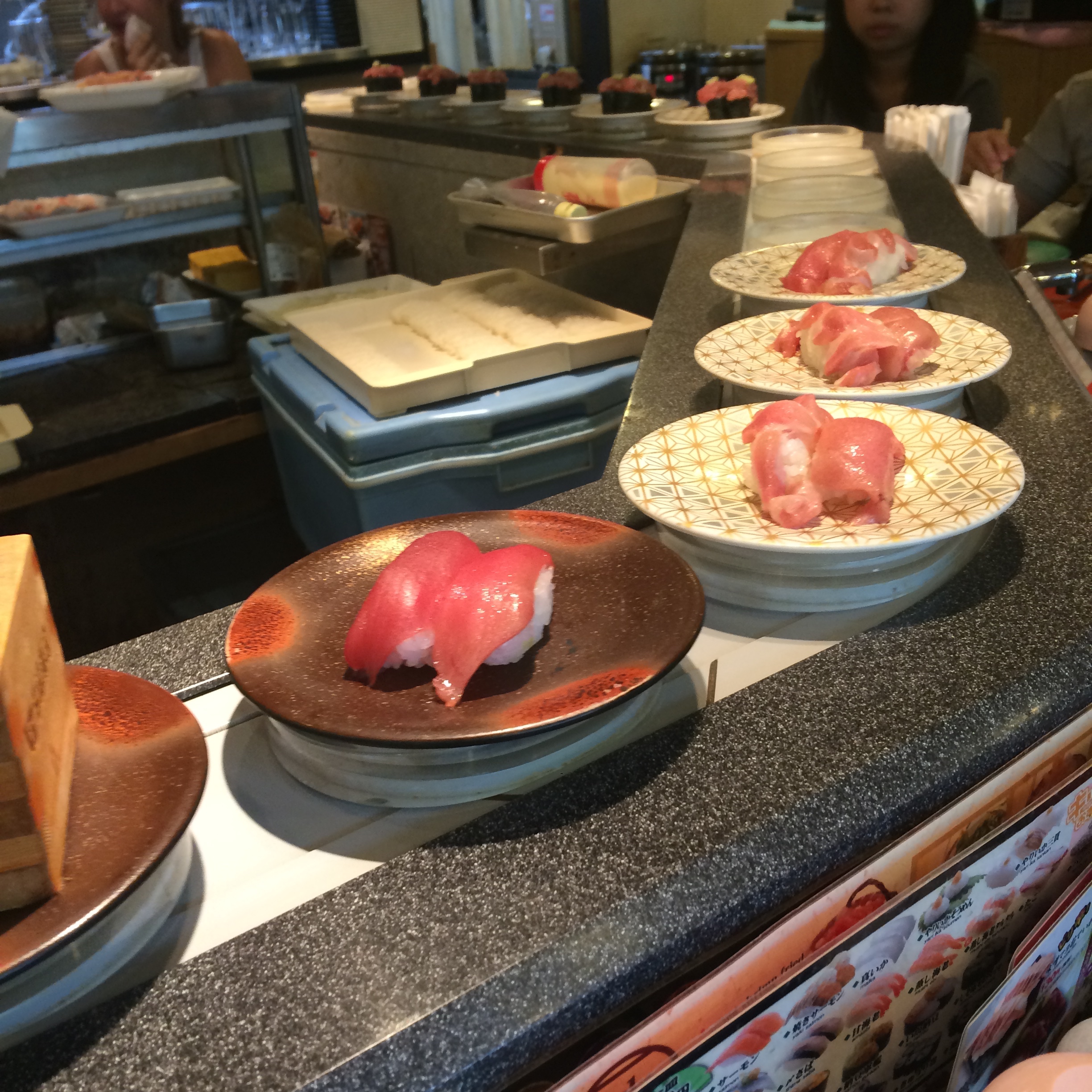
Sushi meals come in many shapes and sizes here in Tokyo, and I can pretty much guarantee that no matter which place, style, etc., you choose it will be better than the sushi you’ve had back in the states. This week I’ve had 4 sushi meals: 3 serious sit-down (totaling 3 Michelin stars), and 1 of the pop-in conveyer-belt variety (not to mention the delicious sushi breakfast at Daiwa last week that I already covered). Conveyer belt is always fun, of course, but I’m going to focus on the serious sit-down meals.

IMG_0030 IMG_0037

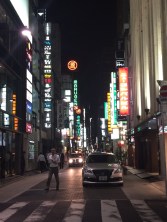
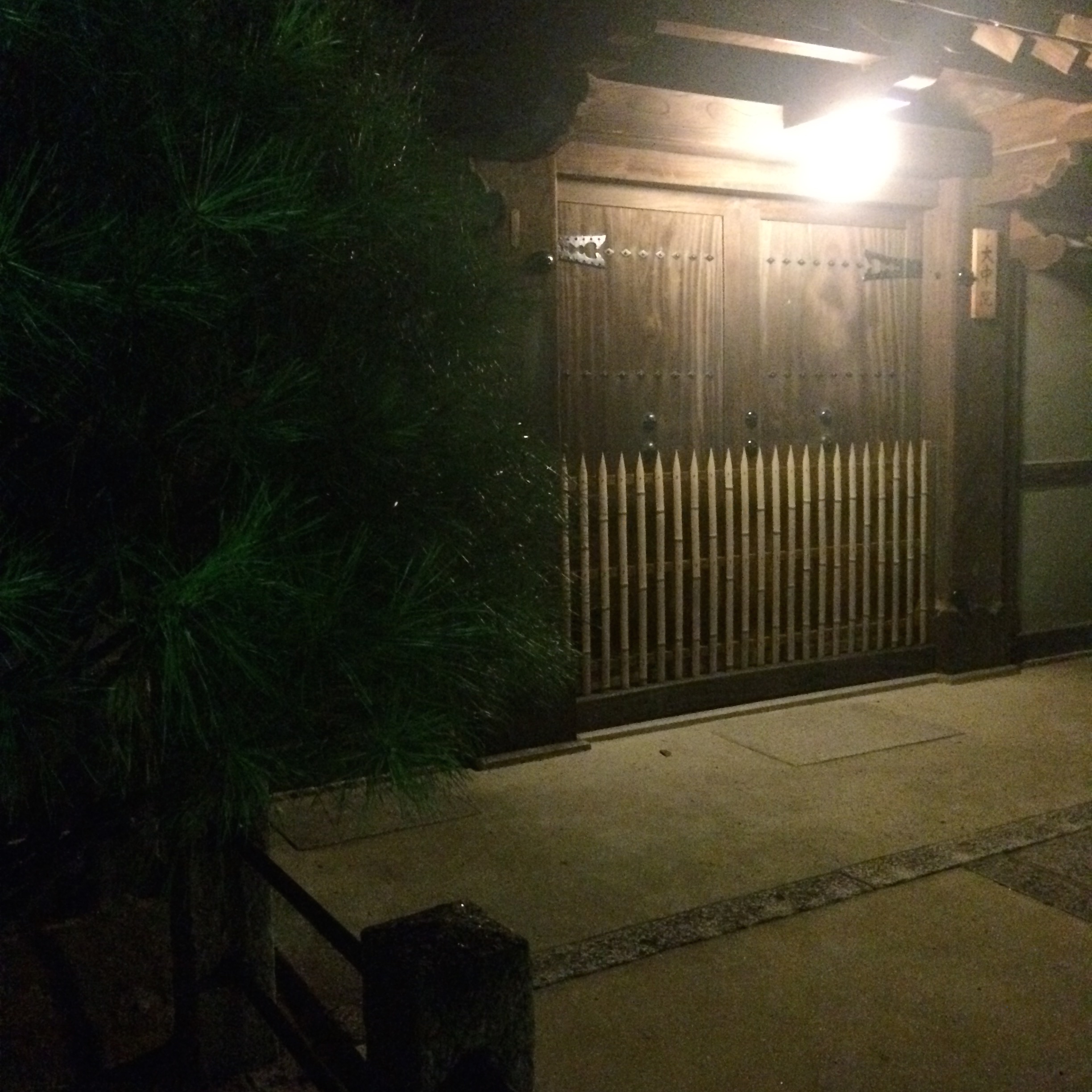
First up was Sushi Iwa in Ginza. 1 Michelin Star, 6 seats, 2 dinner seatings, no menu. Ginza is a bustling area at night. Men in suits, expensive cars line the streets, bars and clubs everywhere…and amongst all of that, in a traditional wabi-sabi style building with the curtain in front of the sliding bamboo door, sits Iwa.

IMG_9586 IMG_9584

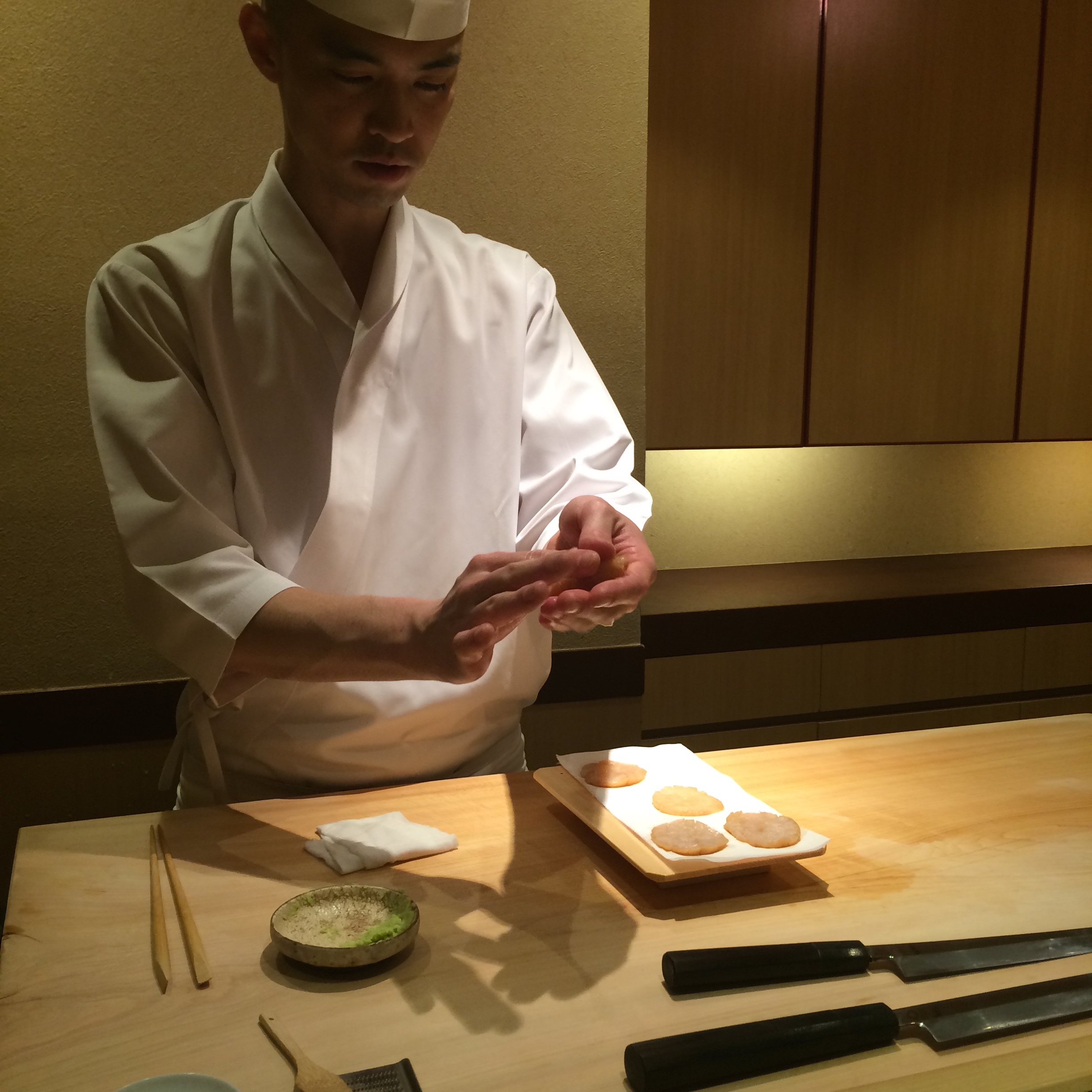
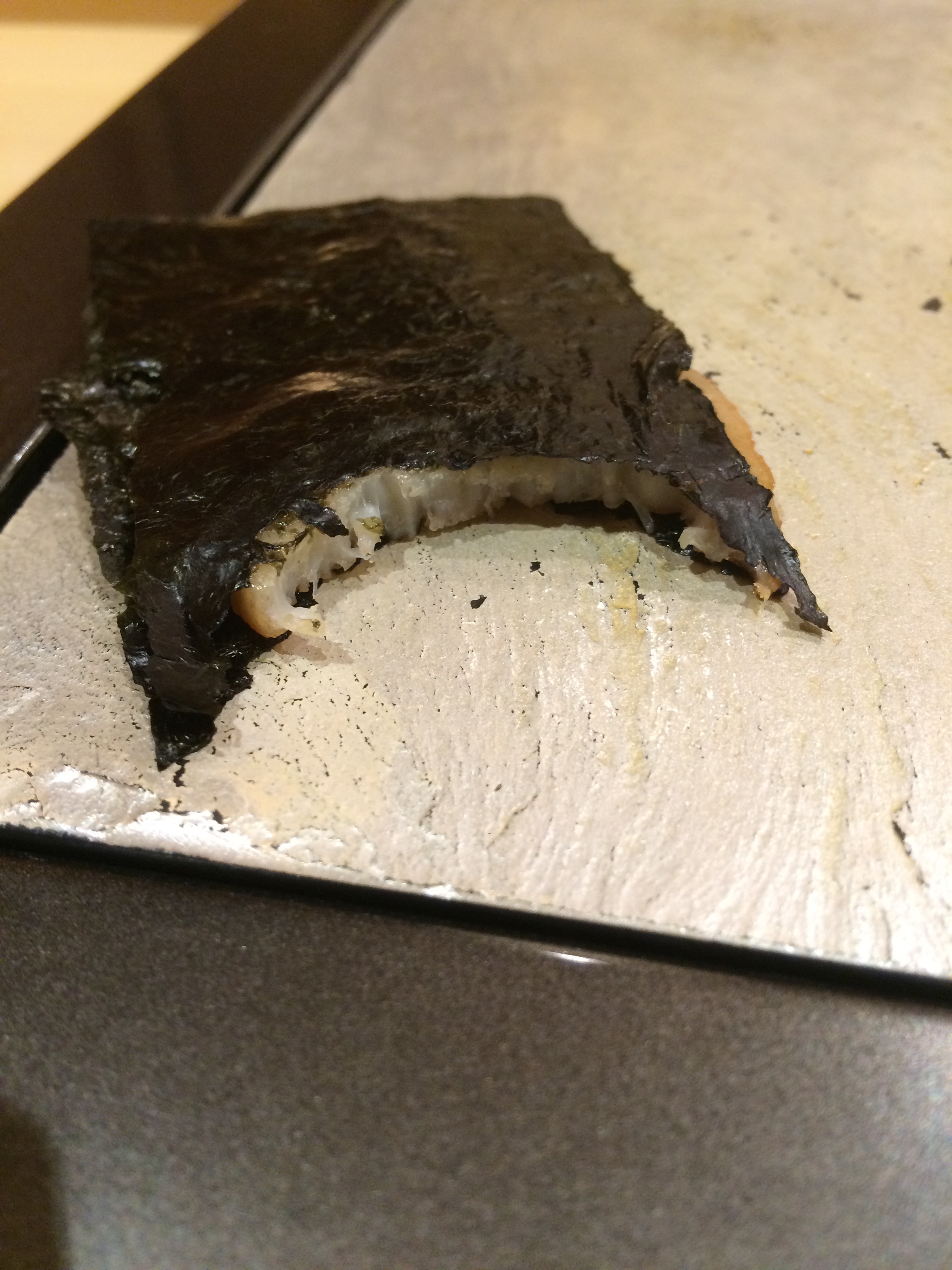
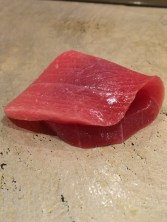
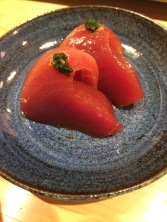
The meal started with appetizers (a few pieces of sashimi, a thinly sliced scallop-like mollusk served as a sandwich between two pieces of nori, a little bowl of crab, more sashimi of tuna with wasabi, abalone, bonito, and a cooked piece of fish served with radish), and then moved onto the sushi courses.

IMG_9503 IMG_9517 IMG_9508 IMG_9510 IMG_9514 IMG_9515IMG_9518 IMG_9522 IMG_9525 IMG_9526 IMG_9530 IMG_9532

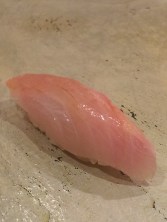
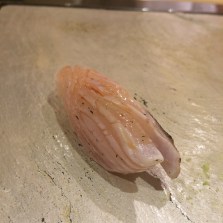
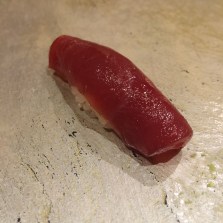
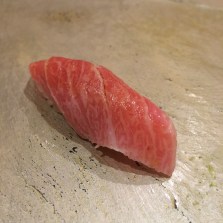
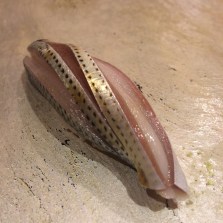
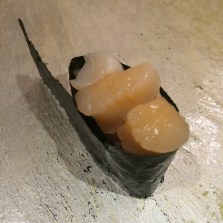
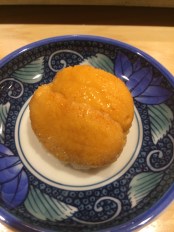
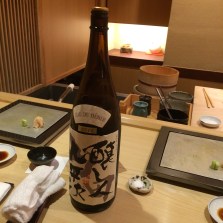
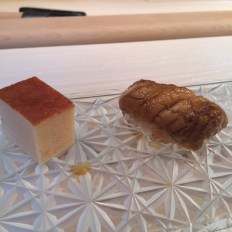
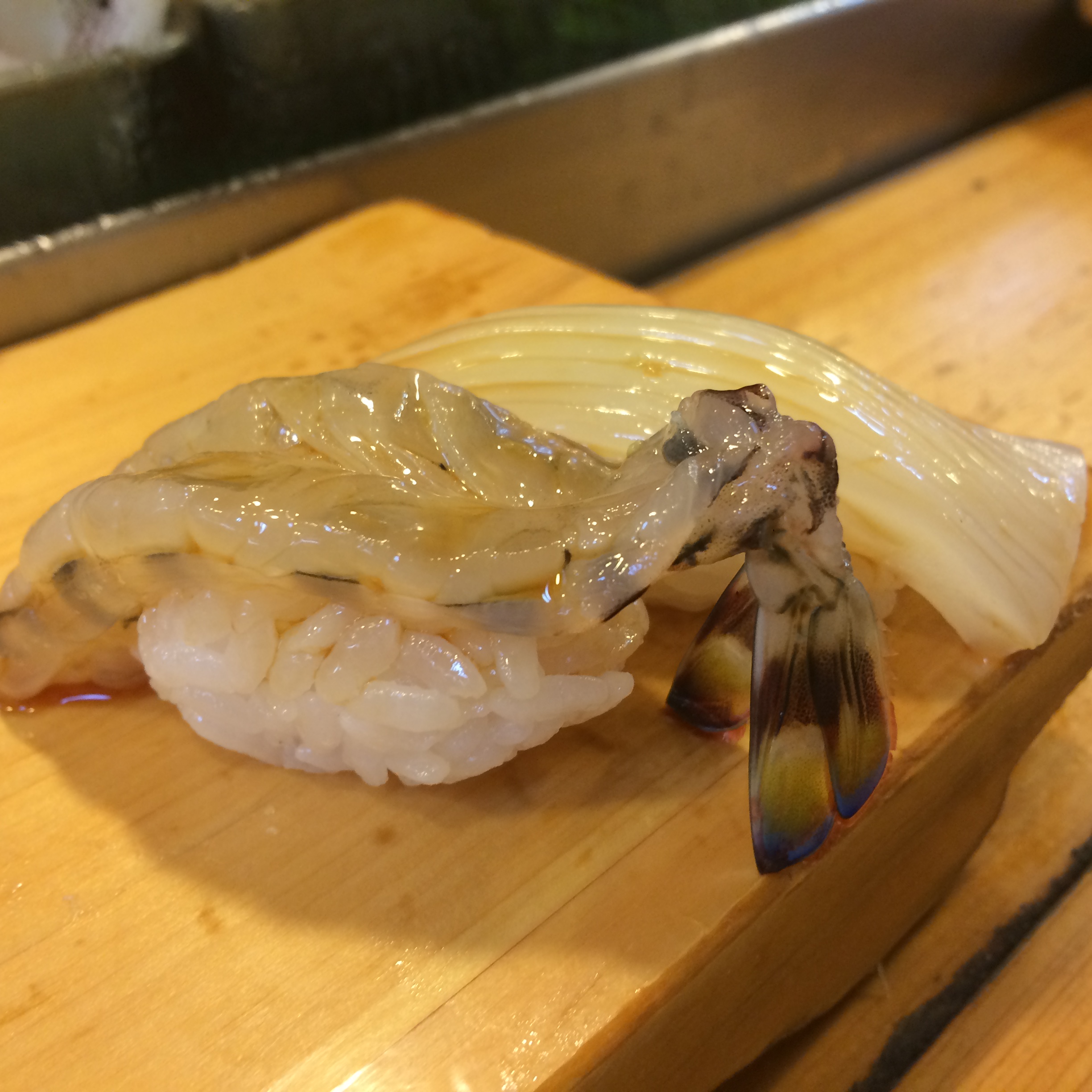
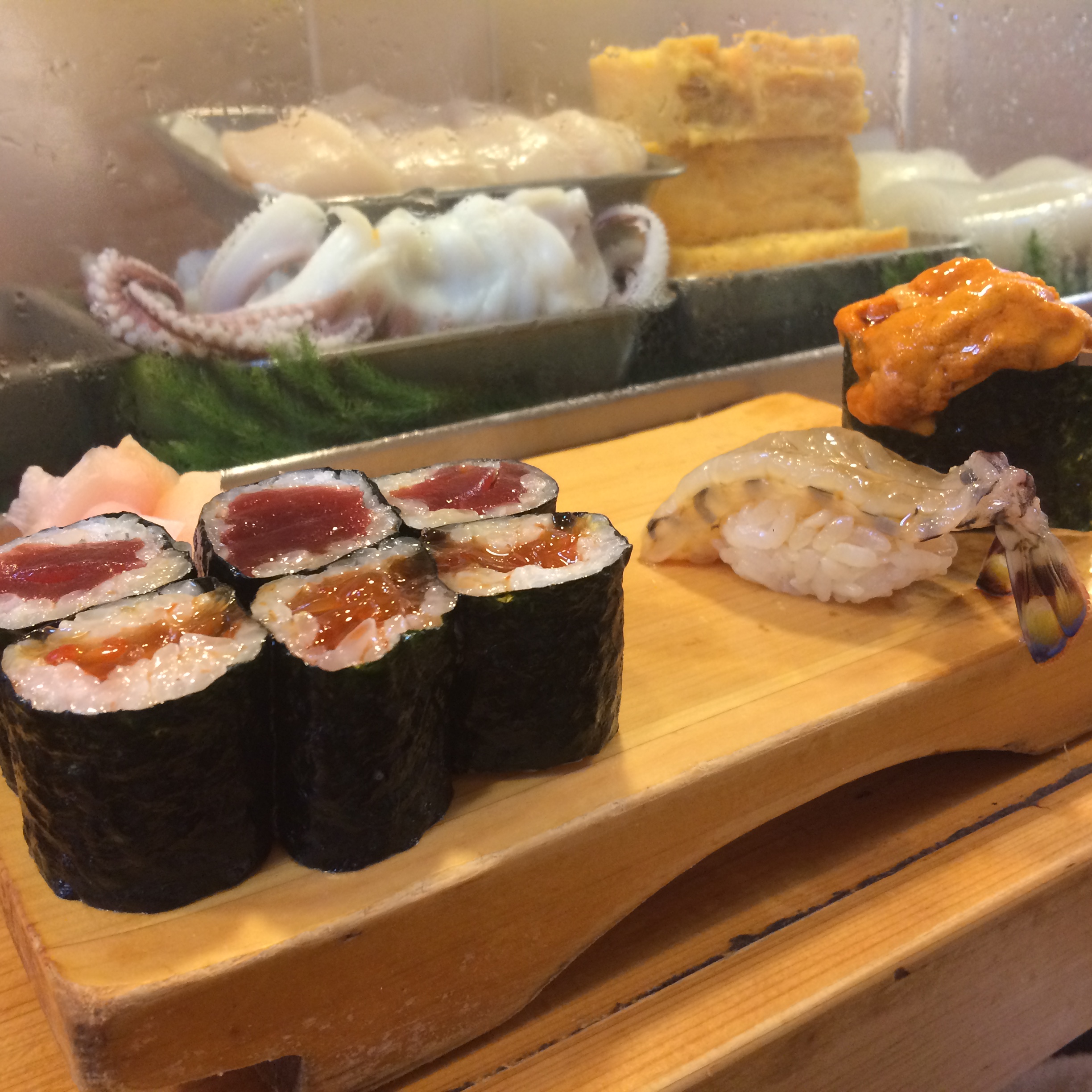
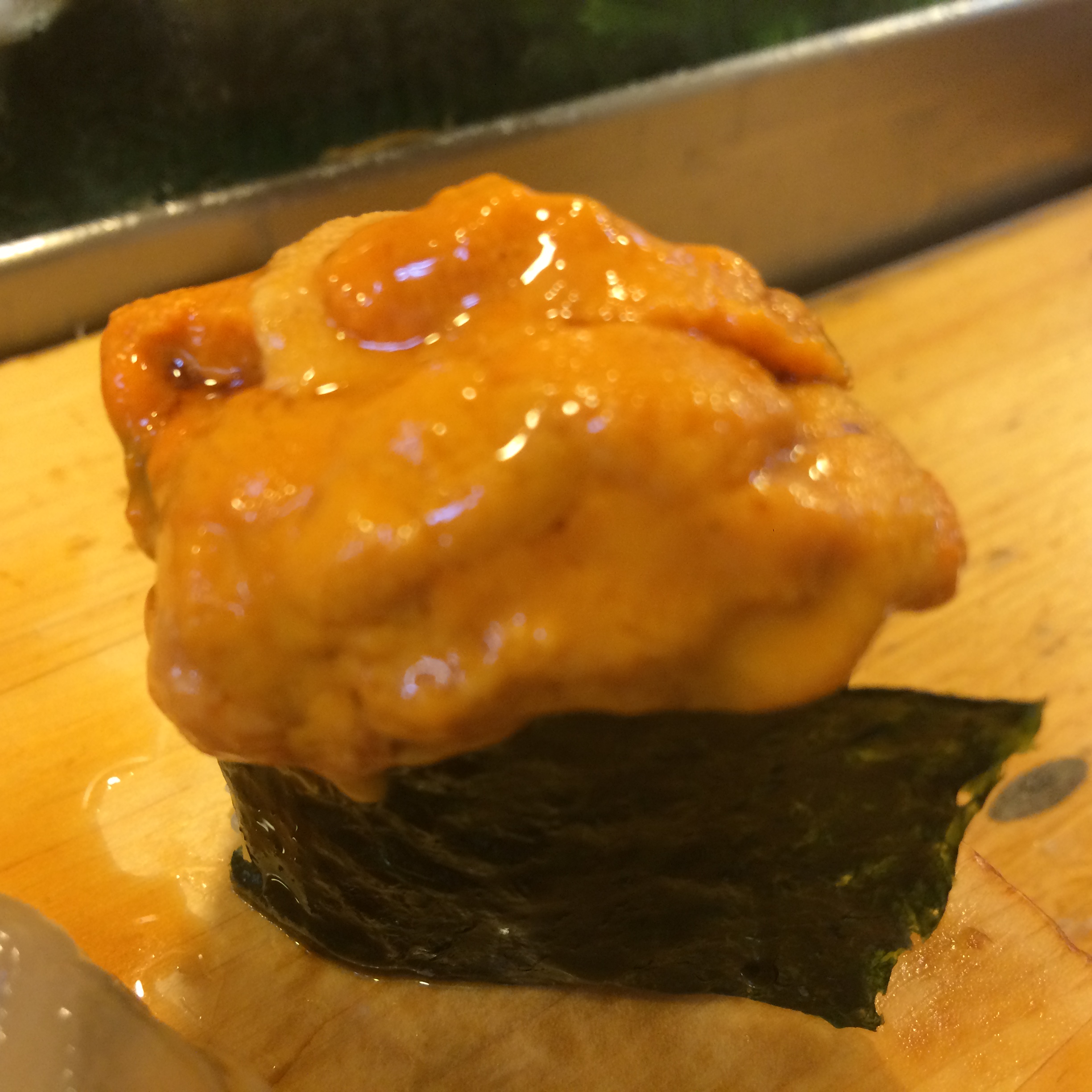
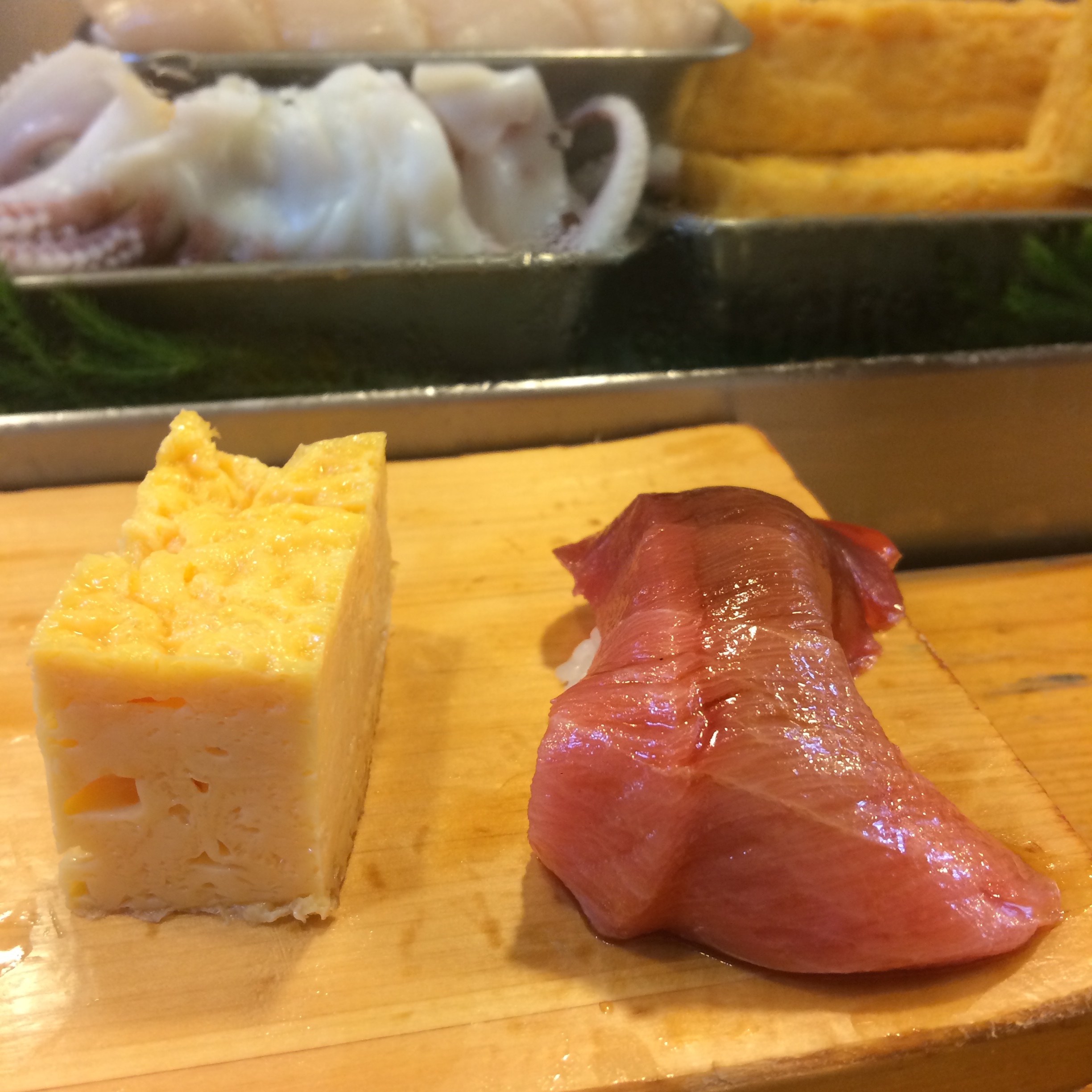
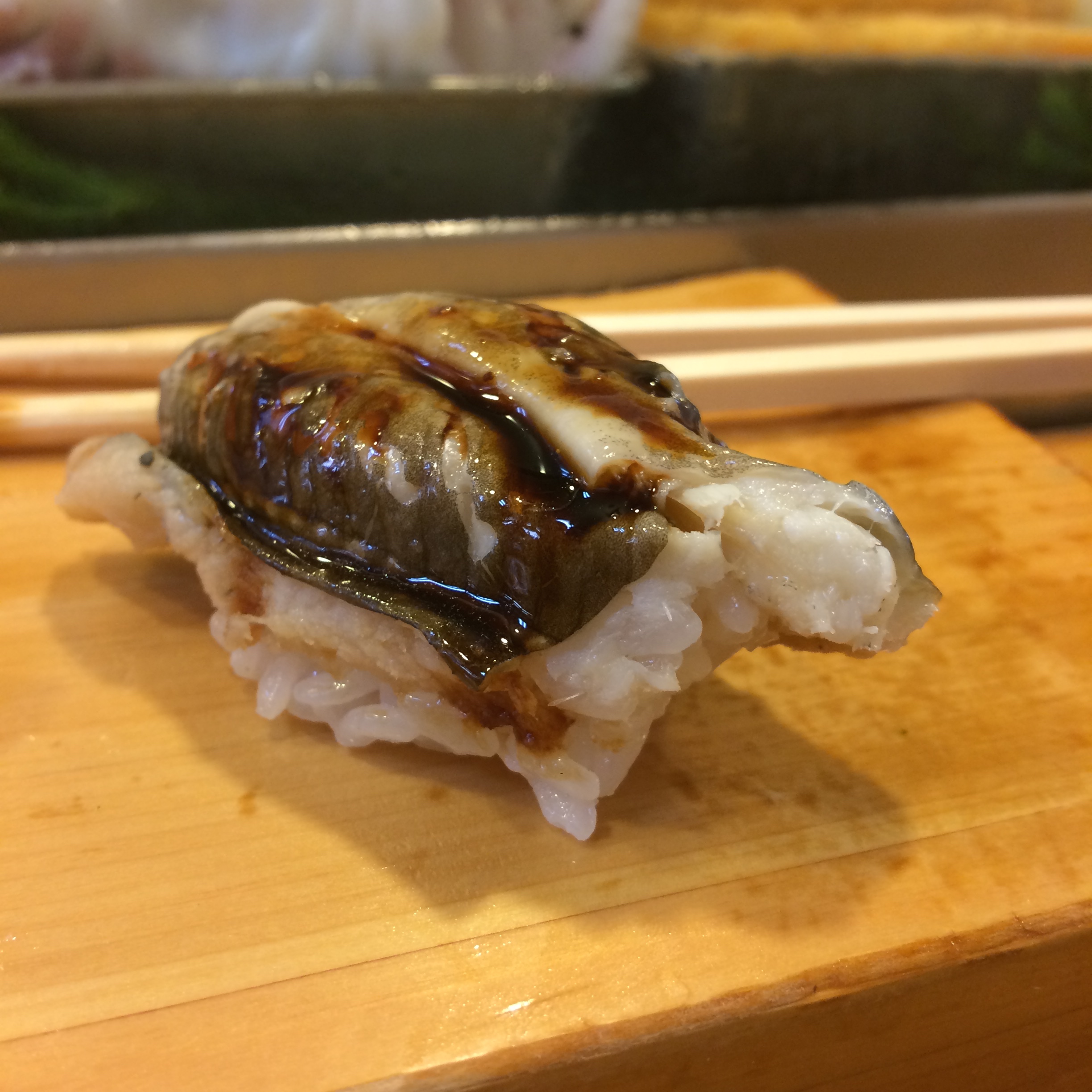
The translation for many of the fish was difficult, so a few pieces of sushi go unaccounted for, but Chef Tsunoda was able to communicate the majority of them. We had sea bream, white shrimp, tuna, toro, mackerel, an awesome scallop which had been tenderized, a fresh shrimp, scallop maki (rolled in seaweed), fantastically fresh uni flown in that morning, a local species of clam, anago (sea eel), and tamago. We ordered 2 different sakes, chef’s choice, and were served the same one that we loved at our kaiseki meal in Kyoto – Kamoshibito Kuheiji. We couldn’t believe our luck because we had been talking about it for days since we first had it!!

IMG_9537 IMG_9538 IMG_9540IMG_9543 IMG_9547 IMG_9549 IMG_9553 IMG_9556 IMG_9558 IMG_9560 IMG_9562 IMG_9565 IMG_9570 IMG_9571 IMG_9573 IMG_9577 IMG_9579 IMG_9506

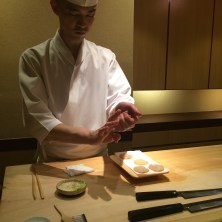
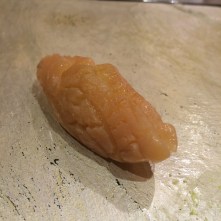
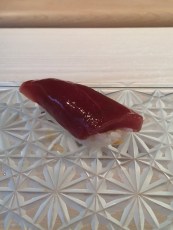
There was not a misstep in this meal. Fantastic bonito and uni, and toro that looked more like wagyu than any tuna I’ve ever had…plus I didn’t use one drop of soy sauce during the meal. It was really fun that Sushi Iwa had such a unique roster of fish – I loved trying multiple pieces, local to Japan, that I had never had before. And look at how beautifully the mackerel is cut (the silver skin cut almost like a spiral) – there was true artistry happening right in front of us, and in such a small space that it was as if we had our own private show. I loved watching as chef delicately placed 1 drop of yuzu (literally 1 drop) on a piece of fish. This meal was all about subtlety and it really worked!

IMG_9511 IMG_9563

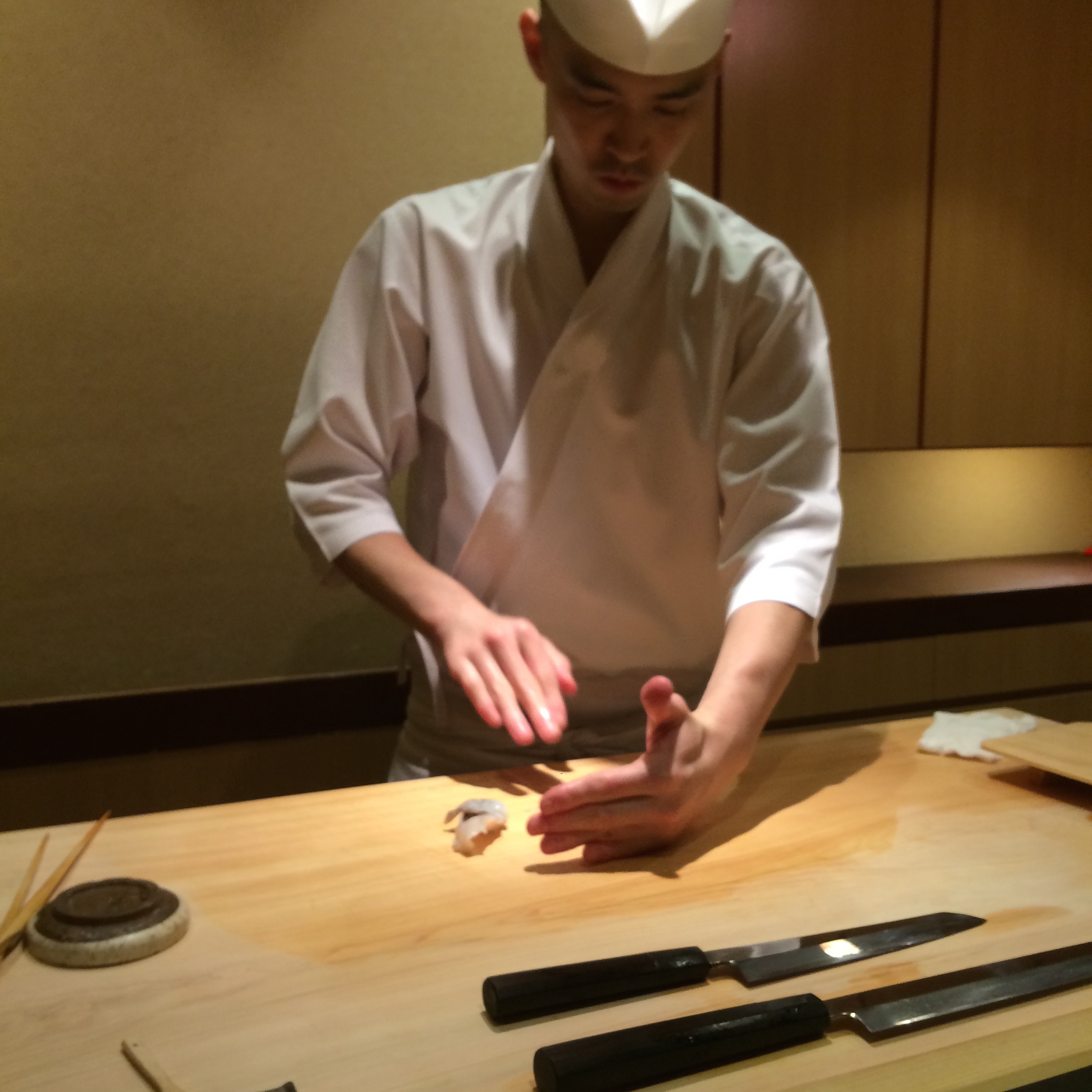
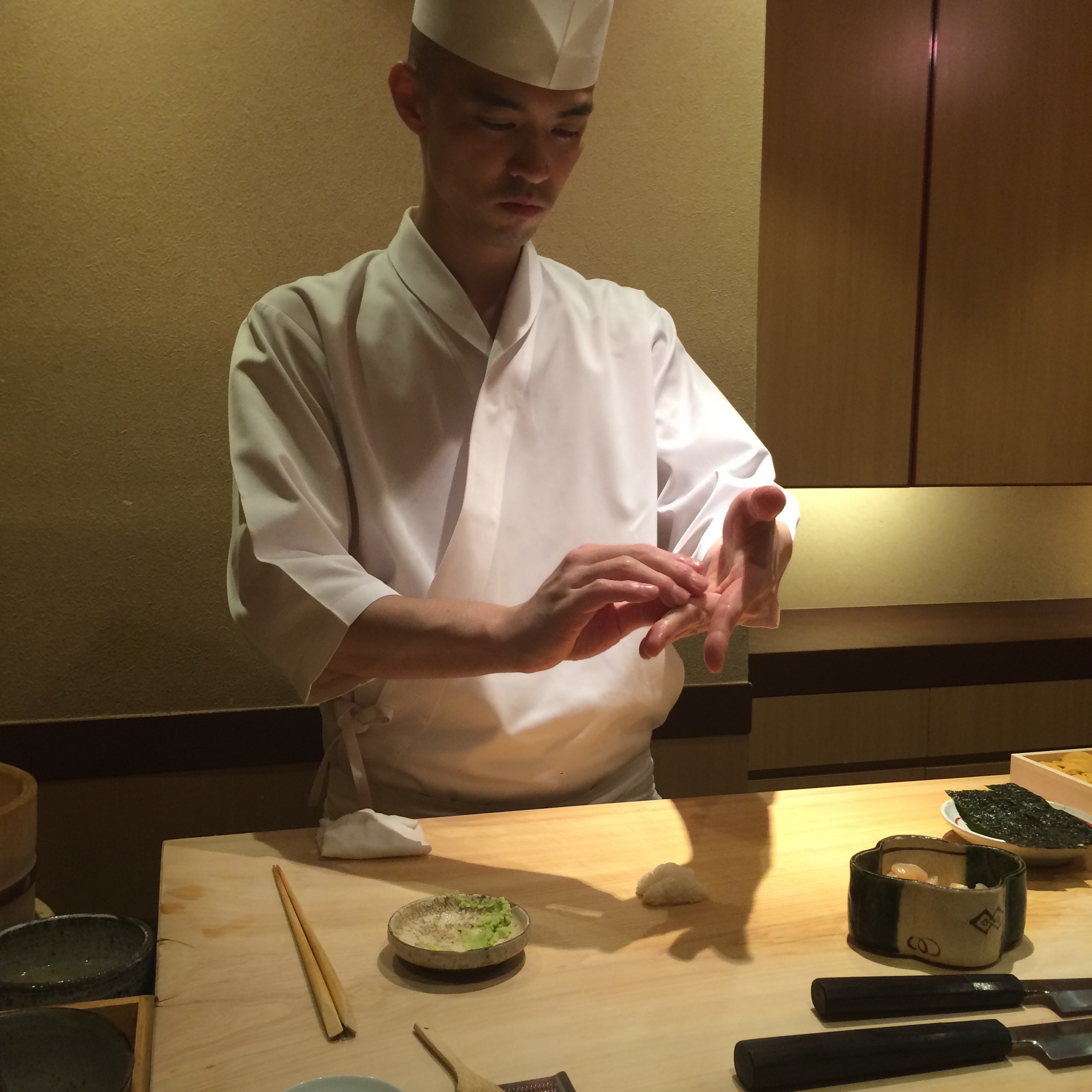
One thing I noticed for the first time on the trip was how gigantic chef’s hands were and how strong, and yet nimble and delicate, they have to be in order to master this art. It got me wondering if survival of the fittest comes into play for sushi chefs – if your hands are too small, are you immediately shown the door?! I had a lot of questions (I didn’t ask this of course, but I would have liked to) for Chef Tsunoda throughout the meal, and he was beyond gracious. He saw that we were into sake, so he poured us each a taste of an aged sake at the end of the meal, just so that we could try it and compare to the different sakes we drank throughout the meal. This was definitely the most unique of the sushi experiences I had in Tokyo, thank you Chef for making it so memorable…and delicious!

IMG_9589

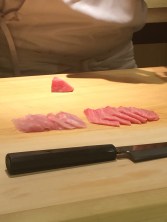
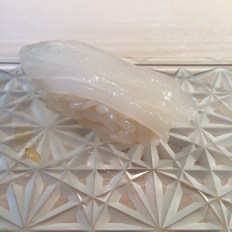
The next sushi meal was lunch at Kanesaka, a 2-star Michelin rated restaurant. Sushi “lunch sets” in Tokyo are a great way to experience an amazing place at a fraction of the price. No photographs allowed at this 16-or-so seater, but I’ll briefly talk about the meal: Started with snapper, followed by amazing yellowtail, then a great piece of tuna brushed with a little bit of a sauce. Fatty tuna (toro) came next and literally melted in my mouth…fantastic!! Squid served with wasabi, but without sauce (which was unlike the other places I had been this trip). Mackerel came next – honestly my least favorite in the typical Japanese sushi lineup, but still very good here. An amazing piece of bonito with scallions was next, followed by a scored scallop with wasabi and a light sauce. White shrimp, followed by some sort of pickled vegetable roll, and tamago and anago (sea eel) to finish it off. This was great sushi, but a little more straight down to business than our experience at Iwa, which was a little lighter/more fun/more social. This wasn’t my personal favorite of all the sushi I’ve had this trip, but it was a really good meal with great fish which is obviously key…I’m just lucky enough to be picking favorites among champions here.

IMG_0170 IMG_0171 IMG_0143 IMG_0152 IMG_0147IMG_0149 IMG_0140IMG_0150 IMG_0154IMG_0156 IMG_0158 IMG_0159       IMG_0162 IMG_0163IMG_0166 IMG_0167

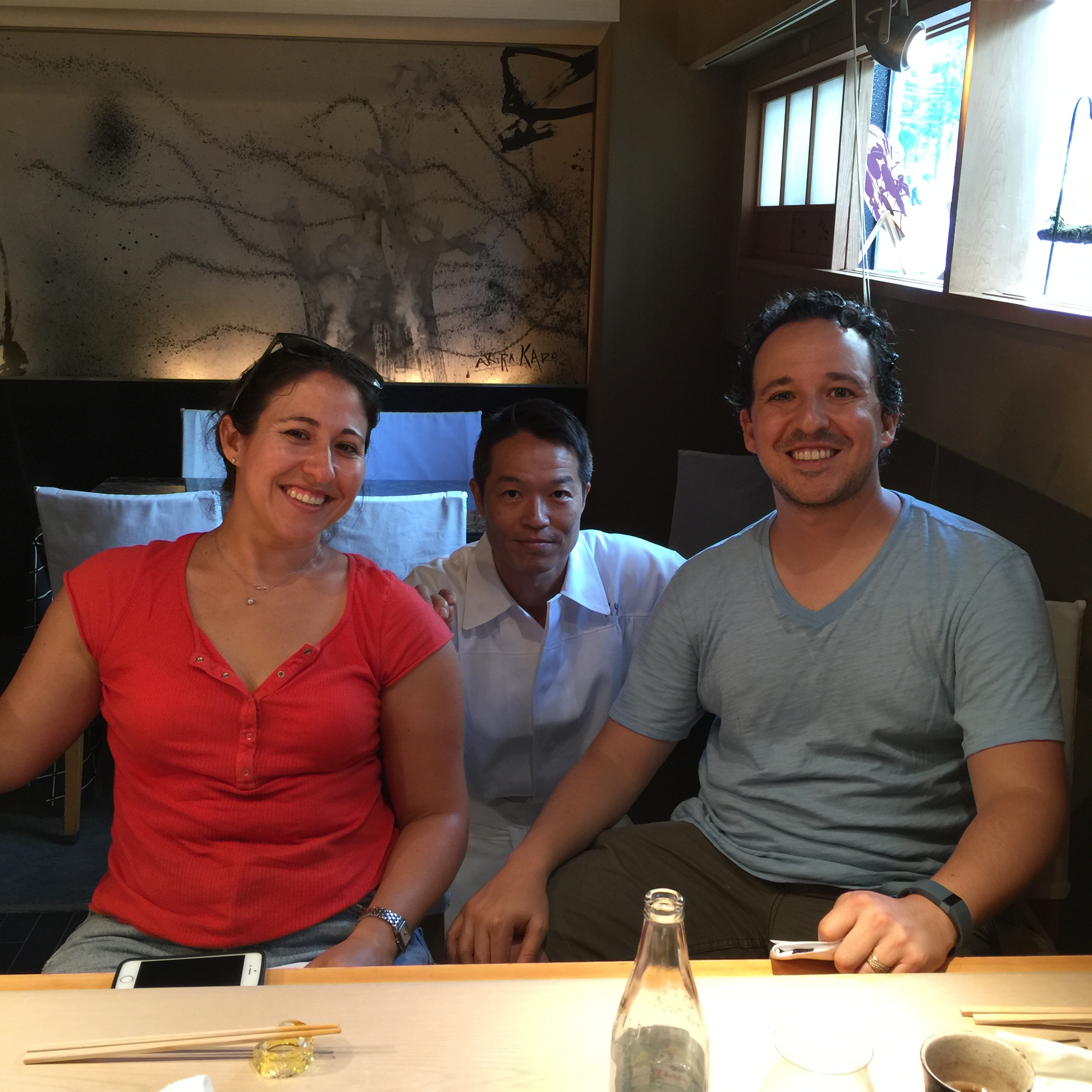
The third, and last, big sushi meal this week was at Aoyama Sushi Sen. This isn’t a place that you will read about in books or blogs, most likely, but was a place that my brother had been taken to by friends a couple of months ago. He hit it off with the chef the first time around, so today’s experience was a lot of fun! Chef Keiichirou talked to us throughout the entire lunch, mostly about baseball, which is what he and my brother had bonded over previously, but also about LA, and my trip to Japan in general. The squid at Sen was definitely the best I’ve had in Japan (great flavor and texture – less chewy than the rest I’ve had), and the bonito had a really amazing smoked flavor, different than the other pieces of bonito I’ve had on this trip. 8 seats at the bar, plus a few tables, this is another really intimate sushi experience. Keiichirou made our entire meal directly in front of us (perfect for pictures) and presented each piece on traditional Edo kiriko cut glass. This was a great way to finish up the sushi portion of my trip. The fish was fantastic, and Keiichirou was a lot of fun, which made the experience of dining with him one that is hard to find as a traveler here in Japan…thank God Michael had already warmed him up prior to this visit 🙂

IMG_2271 IMG_2272

I’ve been so spoiled here, and so lucky to have gotten to eat all of this amazing and beautiful sushi. It’s been quite an experience to watch these chefs in action! I wonder if my attitude towards sushi at home will change at all after being this spoiled? I wonder if I will use less soy sauce now that I’ve learned how to properly eat sushi in Japan…or does our sushi at home need the flavor of the soy? Only time will tell, but I’m so happy to have gone to a wide range of sushi restaurants on this trip, to really understand the spectrum of sushi in Japan.

IMG_9767
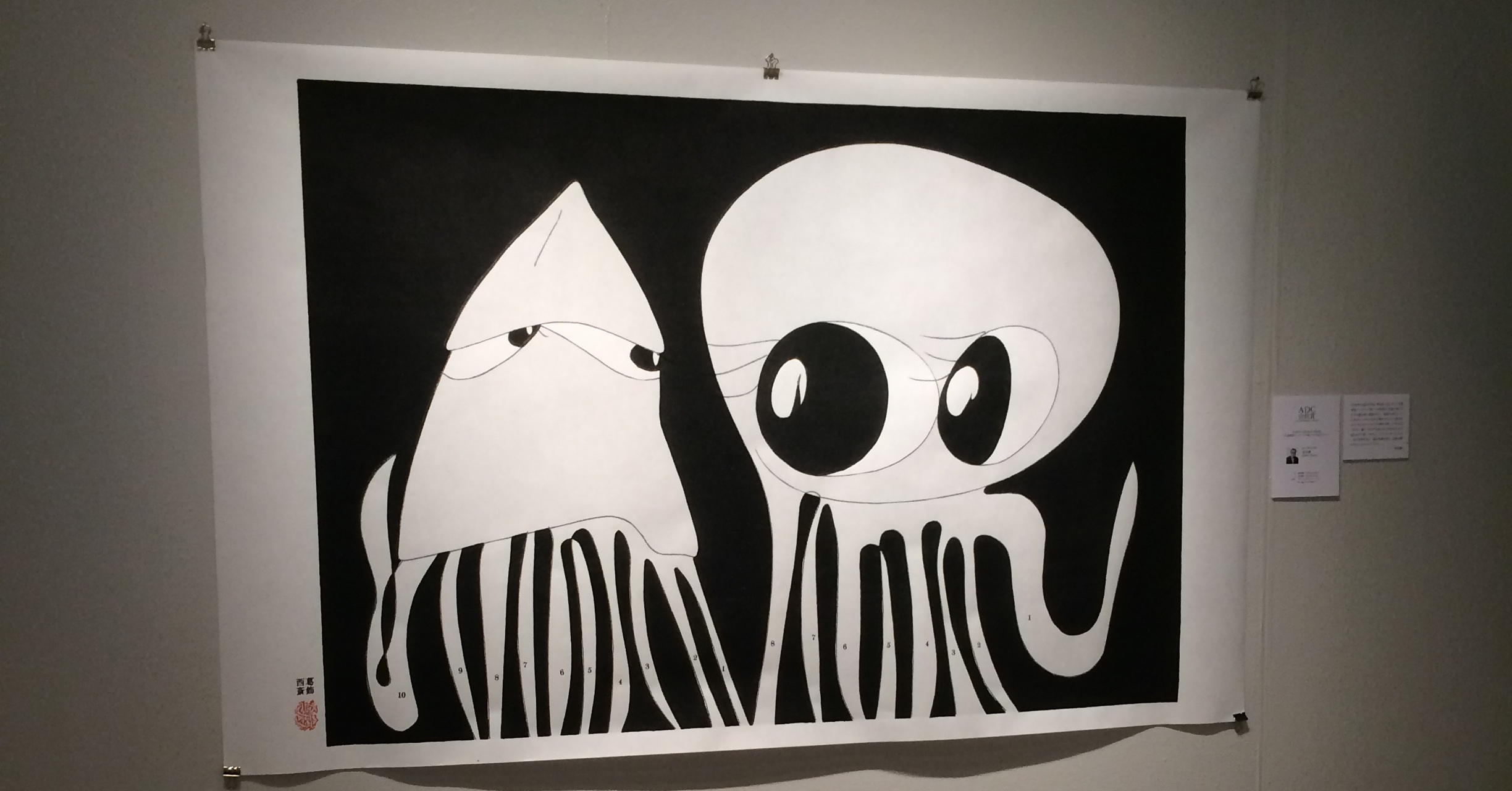
Octopus is like squid. Squid is weak octopus – Kaoru Kasai (JAGDA Award 2015)

I’ve eaten so many other types of Japanese cuisine on this trip – tonkatsu, ramen, desserts, candy, etc. – and done so many cool things this week, so keep staying tuned for more.

SUSHI, SUSHI, GOOD FOR YOUR BODY

THE KYOTO KLEANSE

IMG_9020 2

While there was a lot of culture and religion to visit in Kyoto, there was also a lot of food! Kyoto’s Nishiki market was at the top of my list for this trip. It is 4 or 5 roofed-in blocks full of different food stands and shops. Everything local to Kyoto cuisine can be found here – pickled vegetables, lots of sesame, mochi, yuzu in many different forms, soy donuts (tofu is big here), and so much more. When I travel I love visiting markets like this to really understand the local foods of wherever I am. I took a stroll through and bought and tasted a variety of things that made up my lunch for the day. Ultimately I might have had more sweets/desserts than savory, but it is what it is :).

IMG_9318 IMG_9319 IMG_8354 2

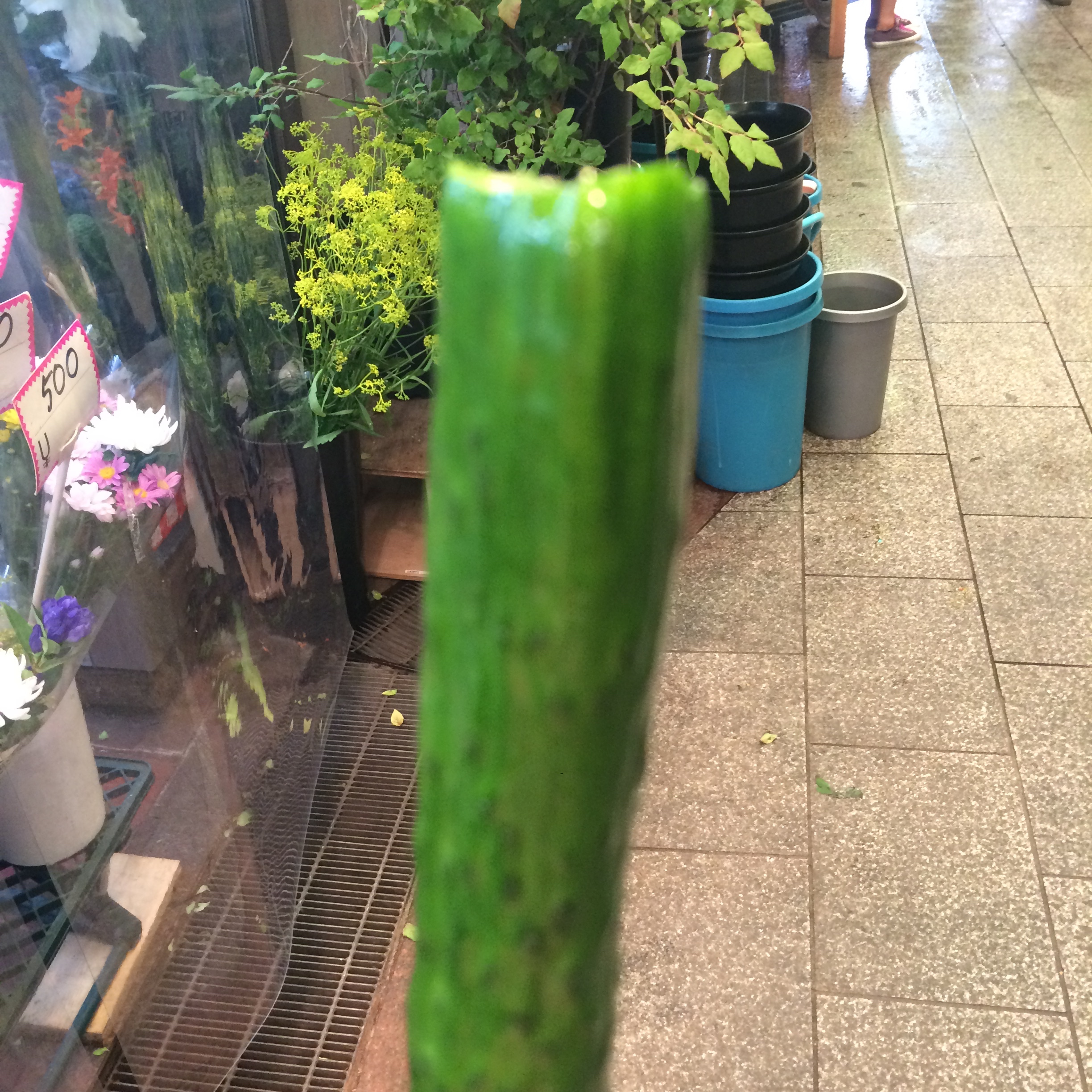
I tried a bunch of different pickled vegetables, some of which were pickled using rice bran to ferment – really strong! I had little round savory donuts filled with octopus (just eh), an amazing yuzu flavored mochi as well as a great black sesame one (which I ate that night), an octopus with a hardboiled egg stuffed in it’s head, a salted cucumber on a stick, and soy-milk doughnuts.  Plus, I bought black sesame covered peanuts and wasabi covered peanuts and almonds. The wasabi nuts were especially different from any wasabi snacks I’ve ever had – and now I can’t find anything similar elsewhere and I’m craving them, I wish we bought more!! The market is also full of fish, produce, and other Japanese crafts and items – it’s a one stop shop.

IMG_9324 IMG_9321 IMG_9322  IMG_9323 IMG_8372 IMG_9325 IMG_9341 IMG_9338 2 IMG_9339IMG_9329 IMG_9395 IMG_9396   IMG_8729 IMG_8376 2 IMG_9349IMG_9330 2 IMG_9331 IMG_9332 2IMG_9334 IMG_9333 IMG_9343 IMG_9344 IMG_9348

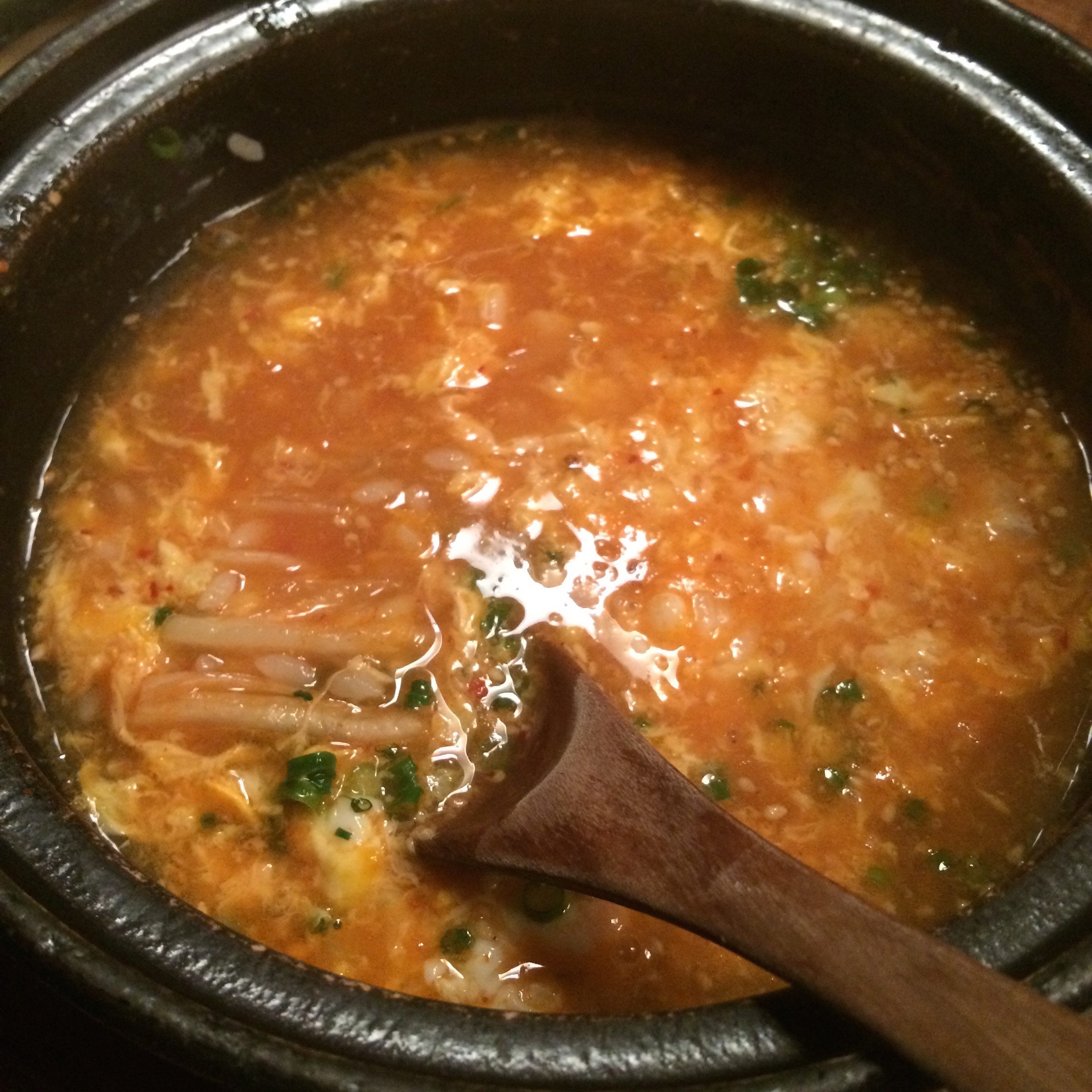
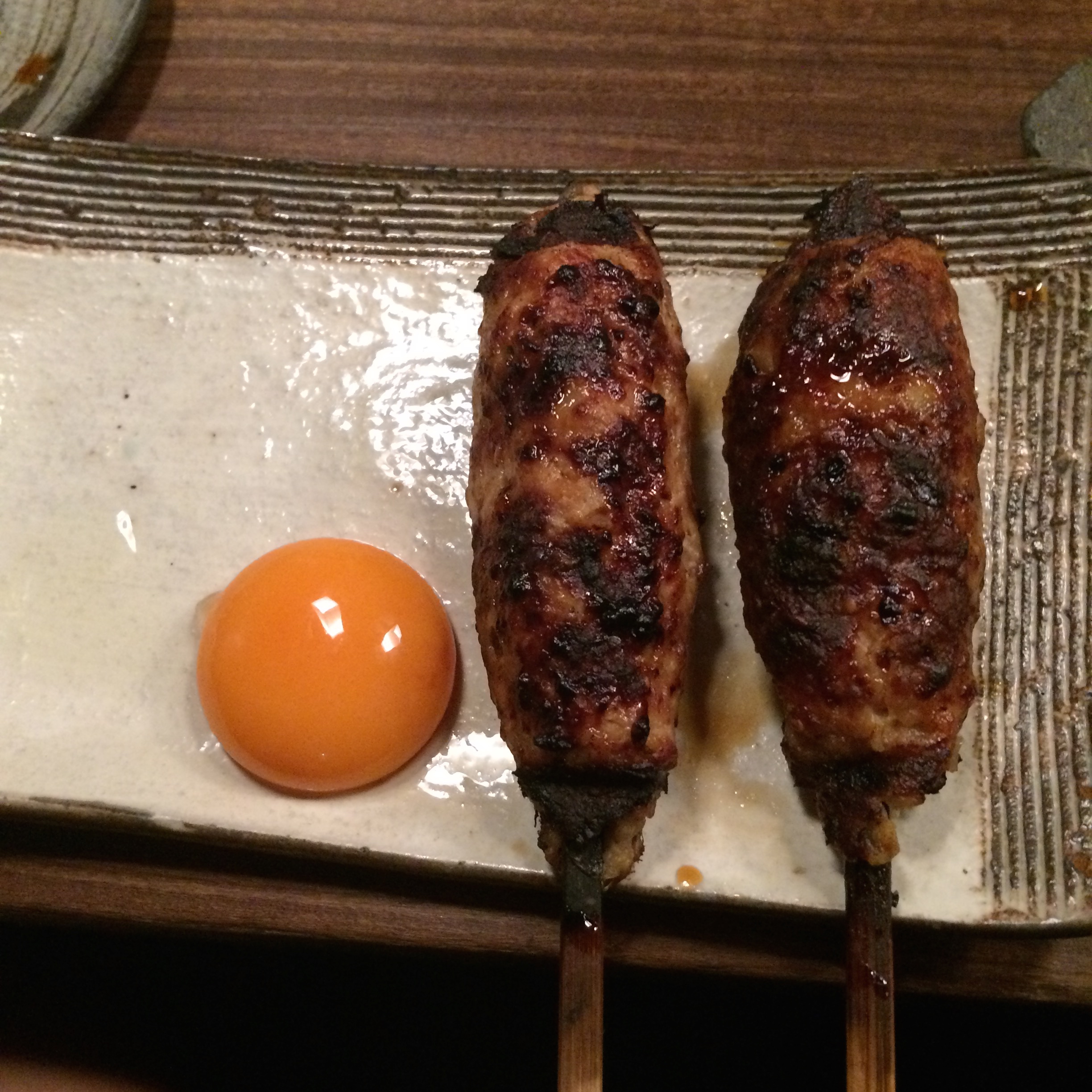
The market isn’t the only place where we had great food in Kyoto. At a little yakitori place called Torito we had great chicken meatball skewers with an egg, and a very tasty stew of kimchee and rice.

IMG_8737 IMG_8739

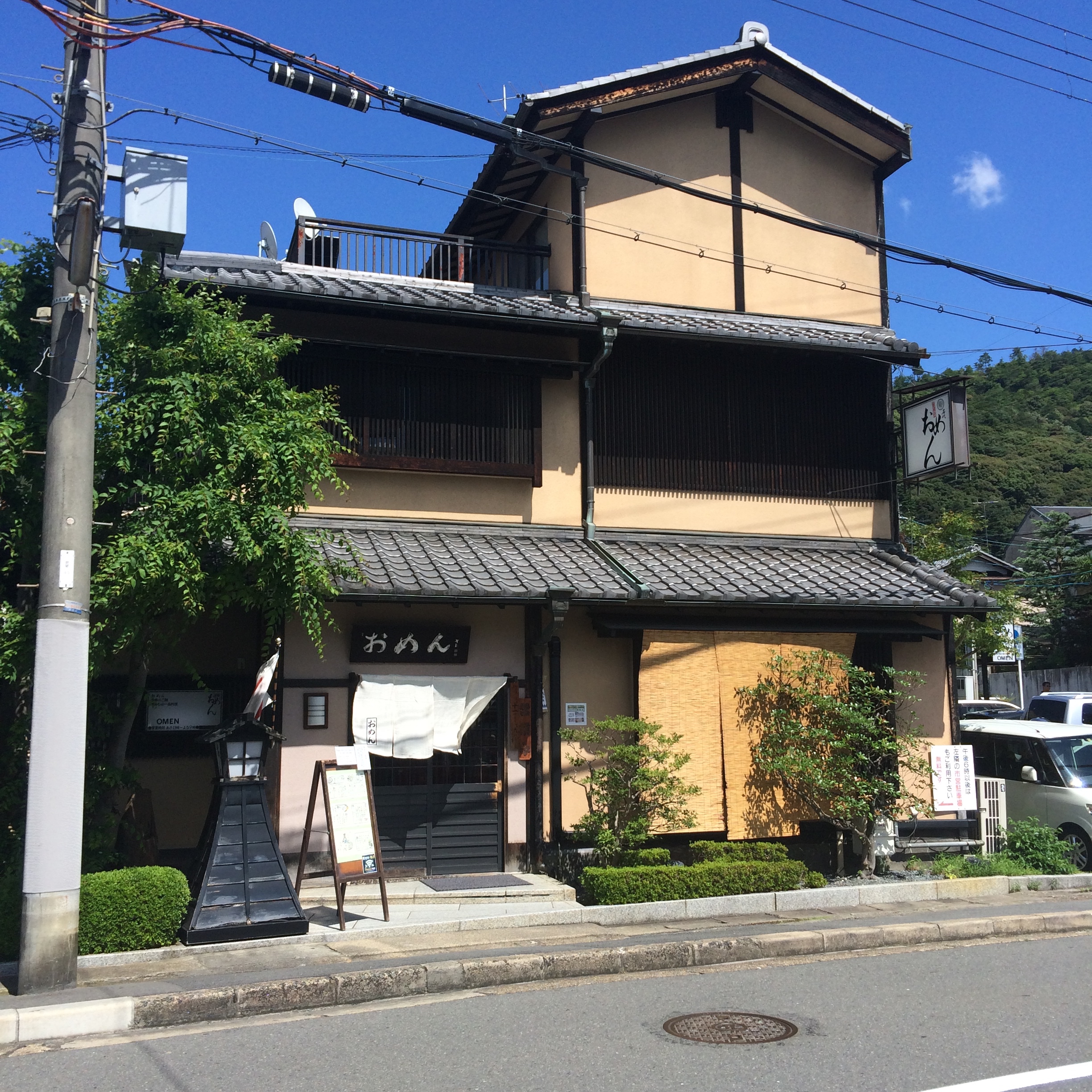
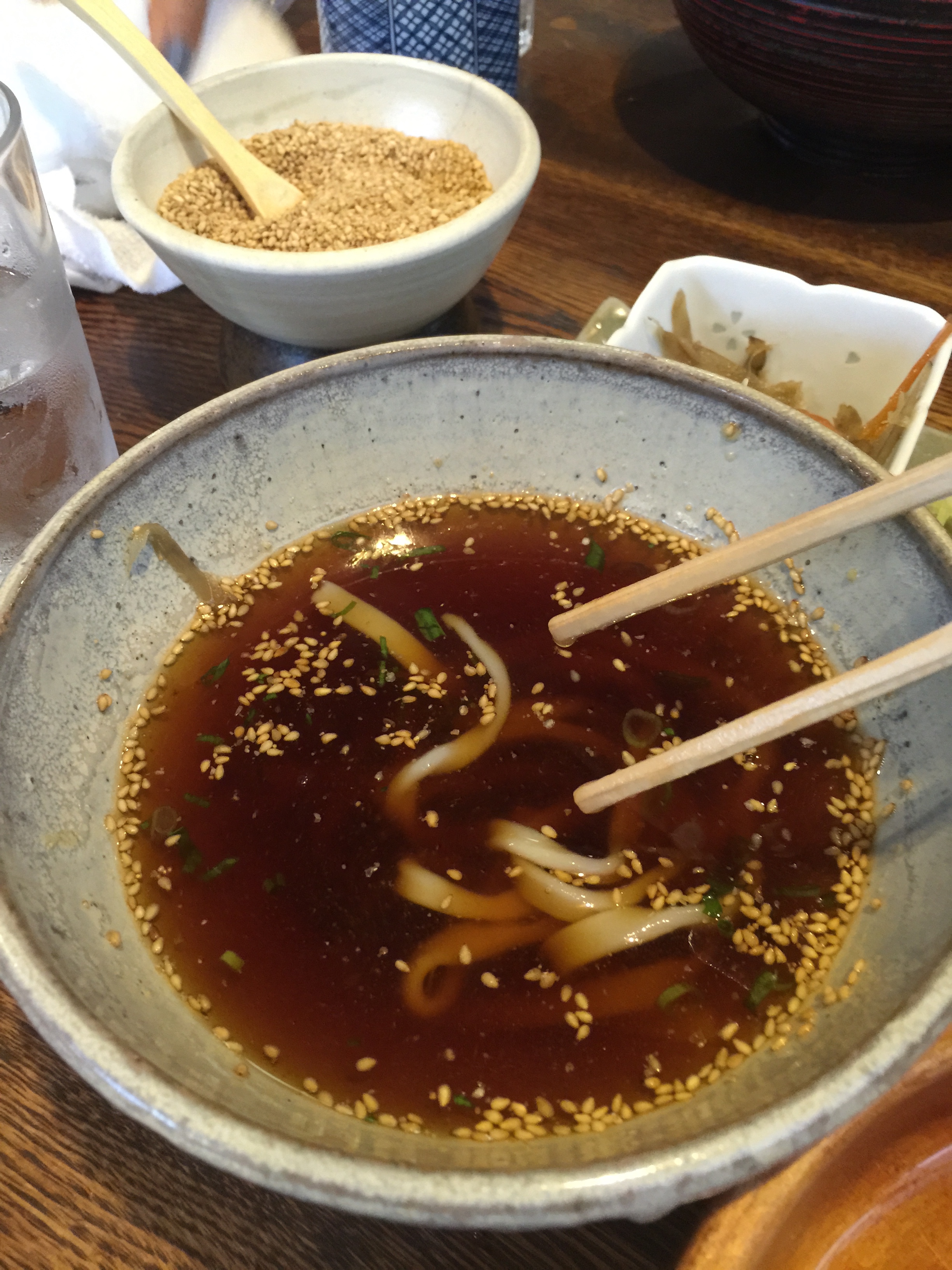
Udon noodles from Omen were fantastic! A little bit of citrus rind on top of the heaping bowl of udon, with a delicious make-your-own sauce with sesame seeds, radish, green onions, etc., to dip into – it was light and refreshing even though it was really just a big bowl of carbs.

IMG_8894 IMG_8892 IMG_8888 IMG_9009 IMG_8880

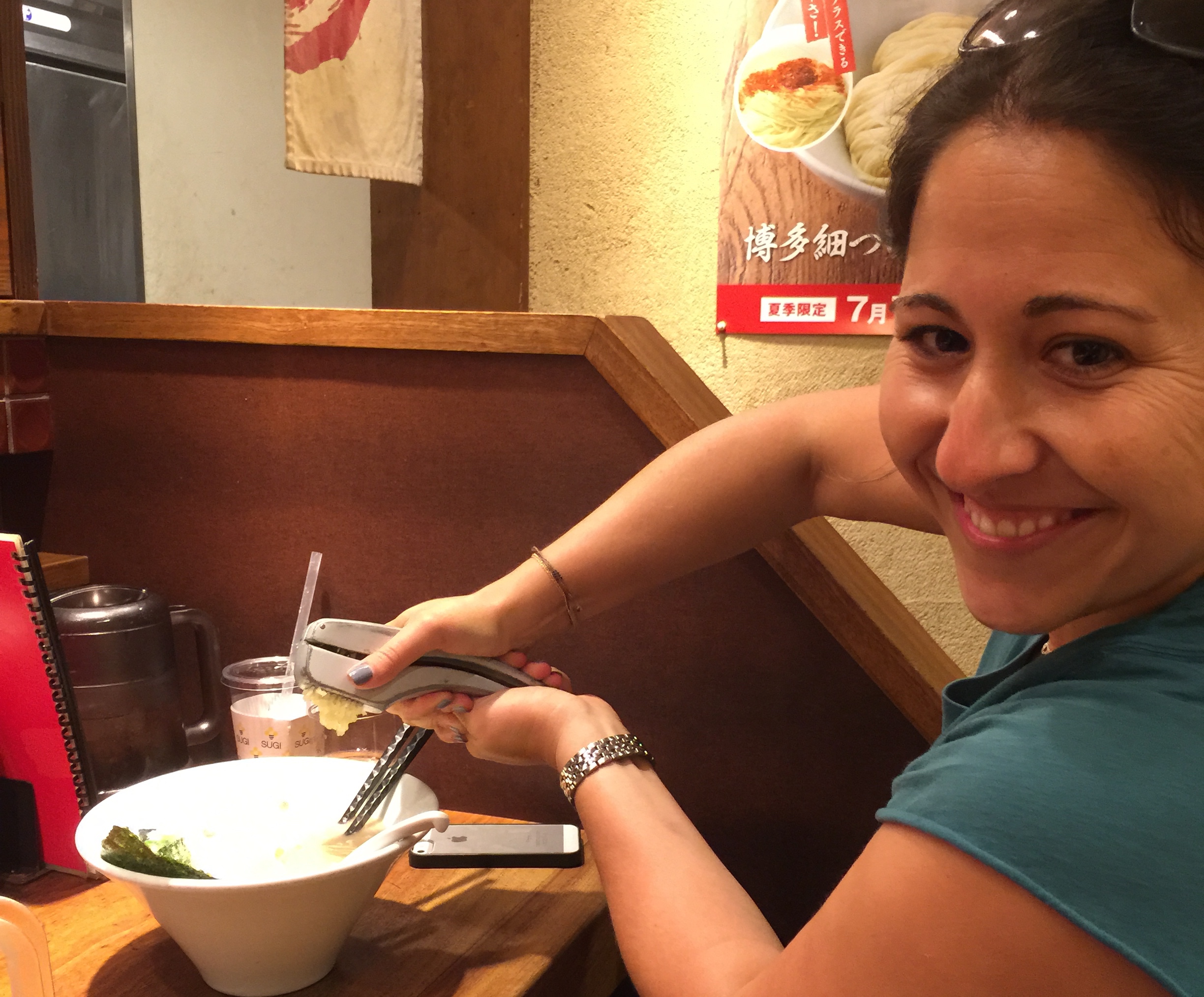
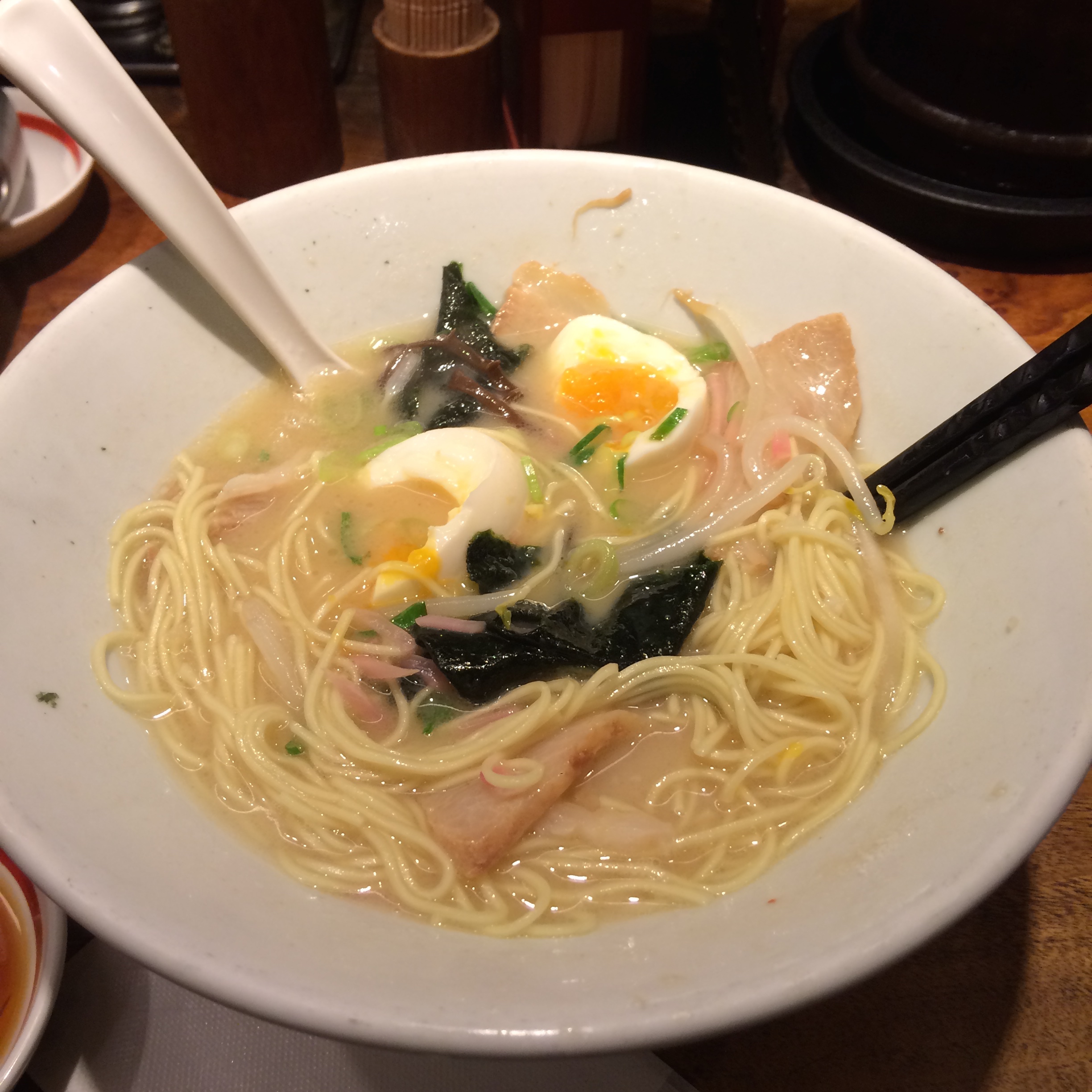
Ramen from Ippudo was awesome! We both added some fresh garlic to our already fantastic broth – kind of fun to do it yourself. The gyoza were pretty great here too. I had heard rave reviews about this place and it did not disappoint!

IMG_8364 2 IMG_9018 IMG_8366 IMG_8365 2

Some other fun snacks along the way:

IMG_8689 IMG_8509

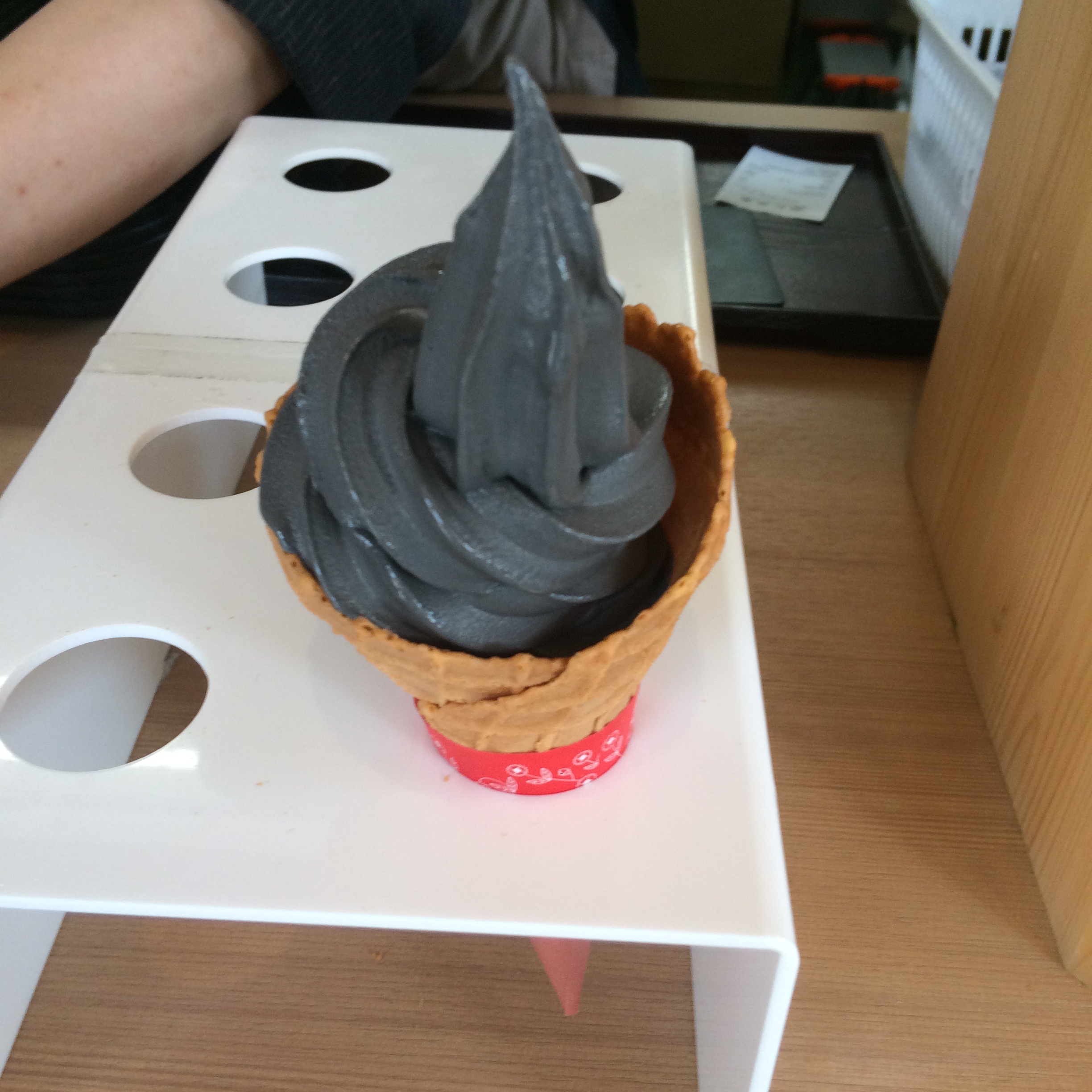
Black Sesame soft serve. I have to say, I first had this at Momofuku in New York a bunch of years ago and it was amazing. It was a special flavor back then, and so I’ve always kind of been on the lookout for it again somewhere. When I saw this outside of the Gold Temple I had to have some…but I was unfortunately disappointed. The Japanese don’t use a lot of added sugar, like we do in the US, but I think this is one instance where they needed to use just a little bit because without it this ice cream ended up with zero flavor. I actually didn’t even finish it. Flocking to everything black sesame, I also had to try some of this mystery treat, which might have been a black sesame coated sweet potato. Again, not 100% but what I was looking for but it was actually pretty good.

IMG_8874

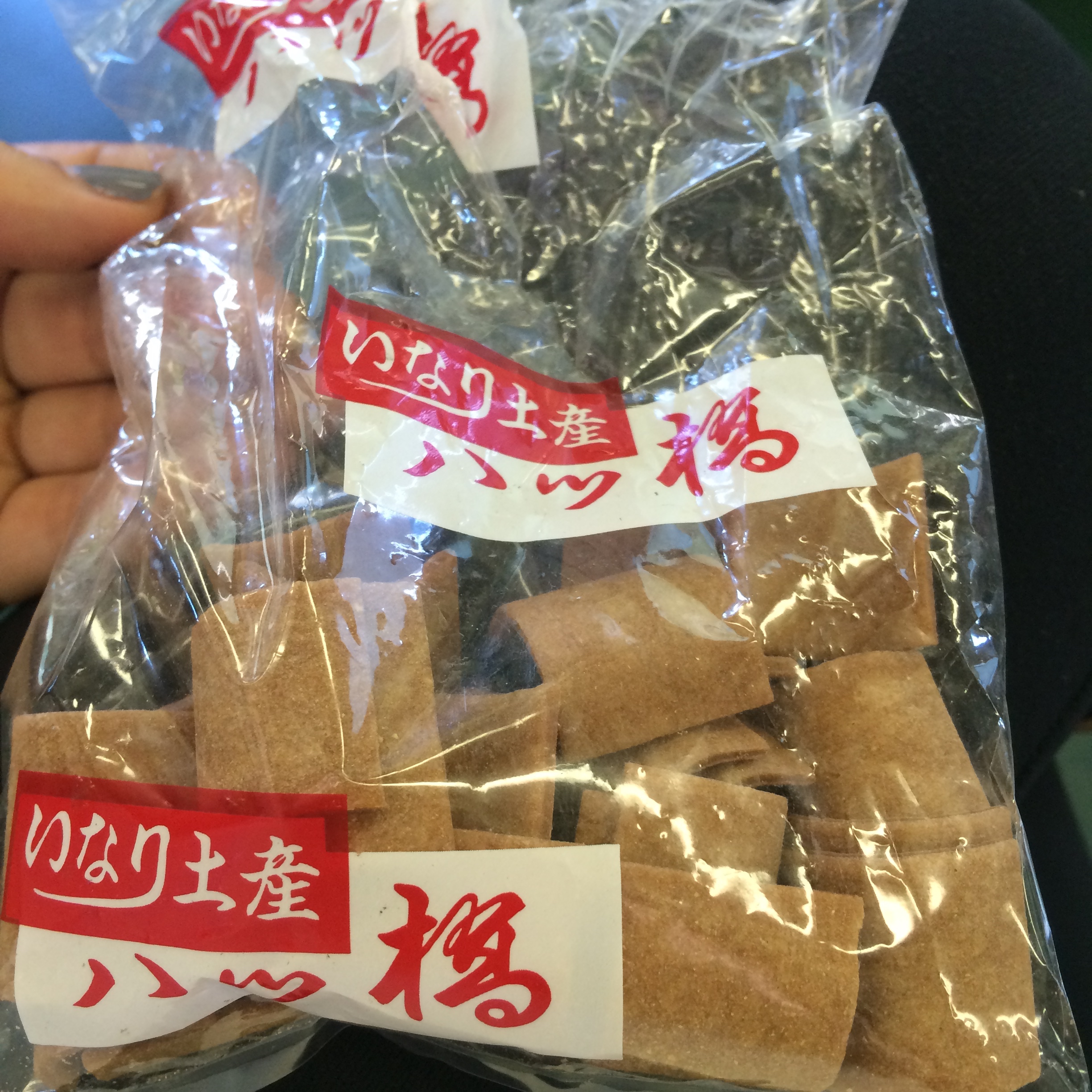
Yatsuhashi are a local cinnamon cookie commonly found in Kyoto. I had read about them, and while extremely simple these cookies were pretty addictive – they were almost like a ginger snap.

IMG_9380 IMG_9420 IMG_9385 IMG_9390 IMG_9456

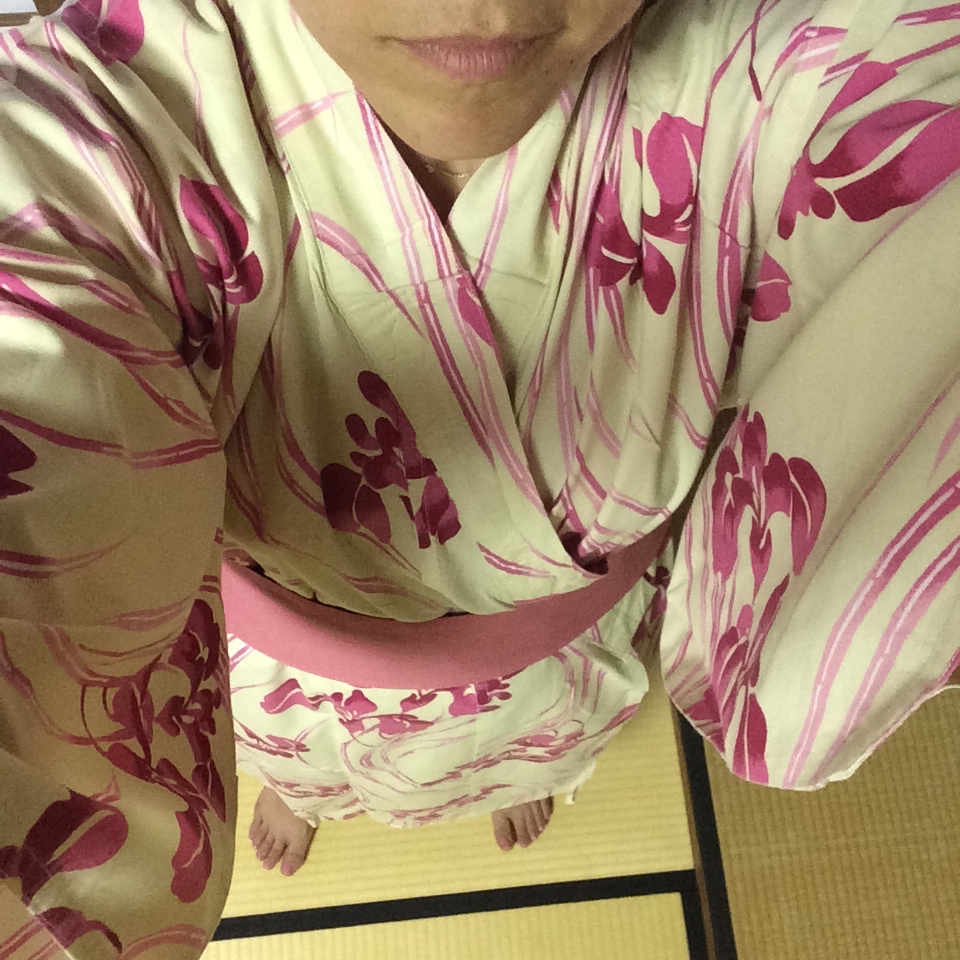
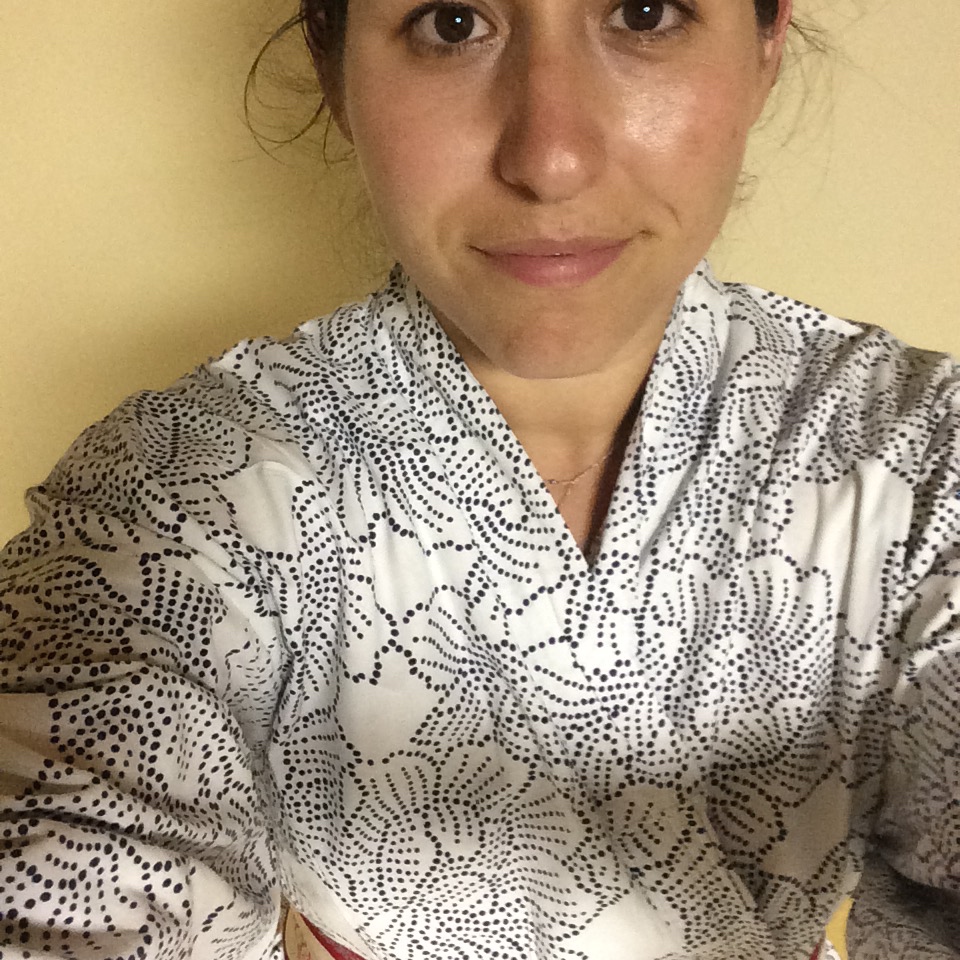
Before I wrap up Kyoto, there was one more Kaiseki meal and one more experience worth sharing. For my last night I decided to stay at a traditional Ryokan in Arashiyama. A Ryokan is a traditional Japanese Inn, dating back to the Edo period, with tatami-matted rooms and yukata (casual, lightweight kimono). My ryokan also had an onsen (hot spring baths) –nothing fancy or luxurious (think Korean Spa), but so welcome in the middle of my trip!! I checked in in the afternoon, had my choice of 2 beautiful yukata patterns, spent a while in the onsen and then upstairs to get ready for dinner. I love a place where I get to wear my robe to dinner, and even better, I got to wear my robe (my yukata), while served a multi-course kaiseki dinner in the privacy of my own room. It was a nice change of pace, and fun to experience it all.

IMG_9418

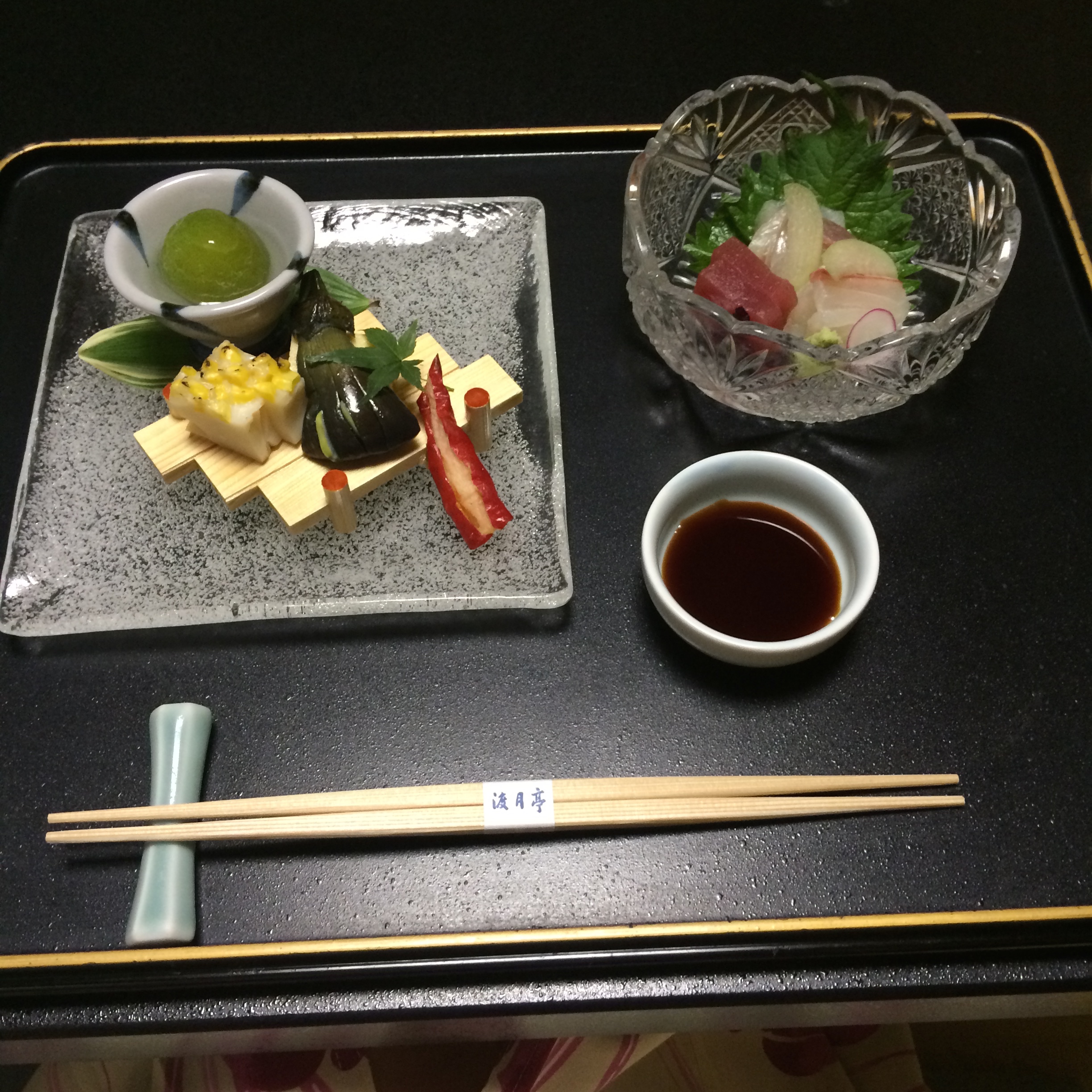
This kaiseki was not as fine a meal as the first one we had in Kyoto, but it was cool to have a second experience so that I could really see what was customary of this traditional meal. My server for the night spoke zero English, literally, and handed me a beautifully written menu for the meal (all of which was in Japanese) but I could predict many of the courses now that this was no longer my first rodeo so I figured we should be ok.

IMG_9398 IMG_9422 IMG_9423 IMG_9426 IMG_9427 IMG_9428 IMG_9430 IMG_9432 IMG_9433

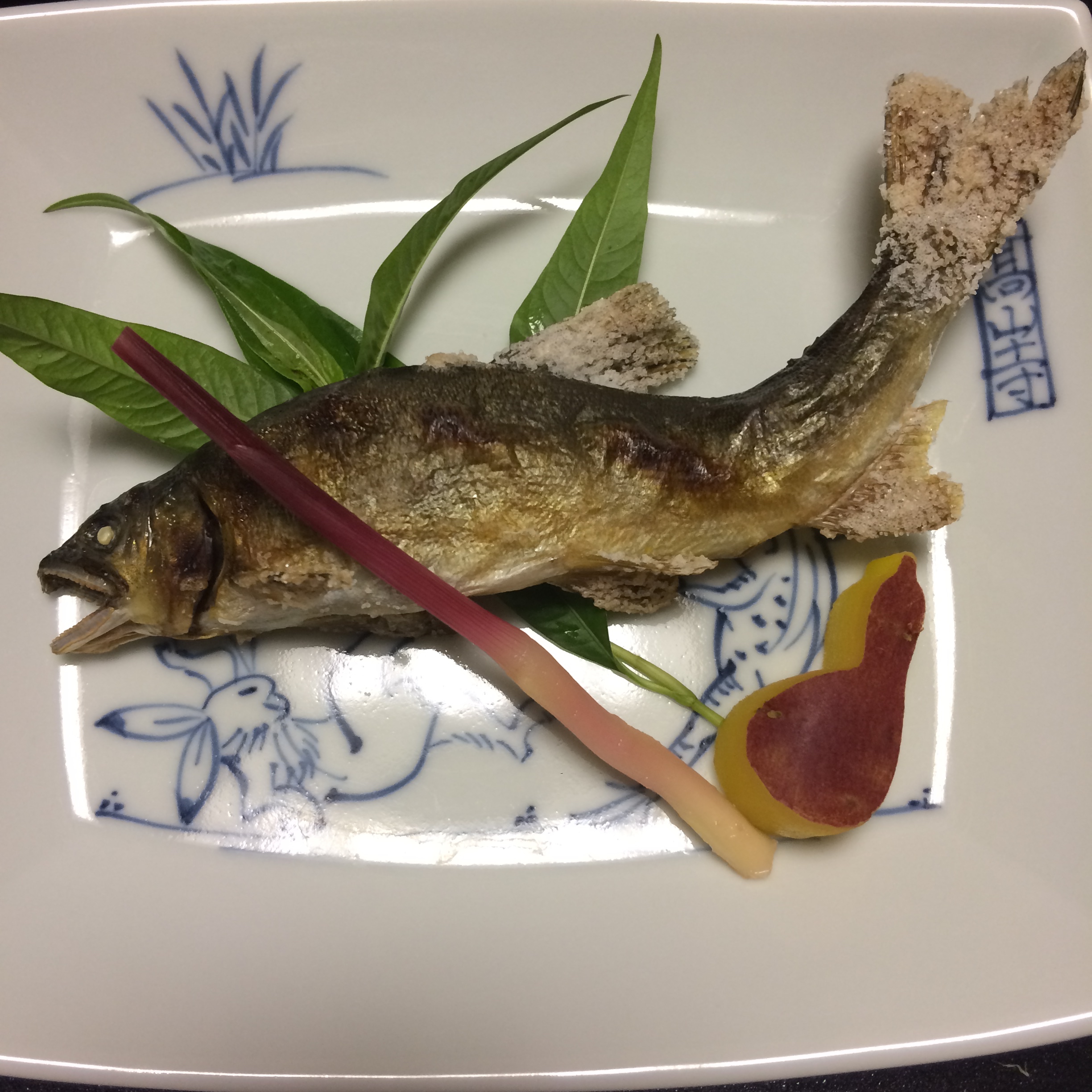
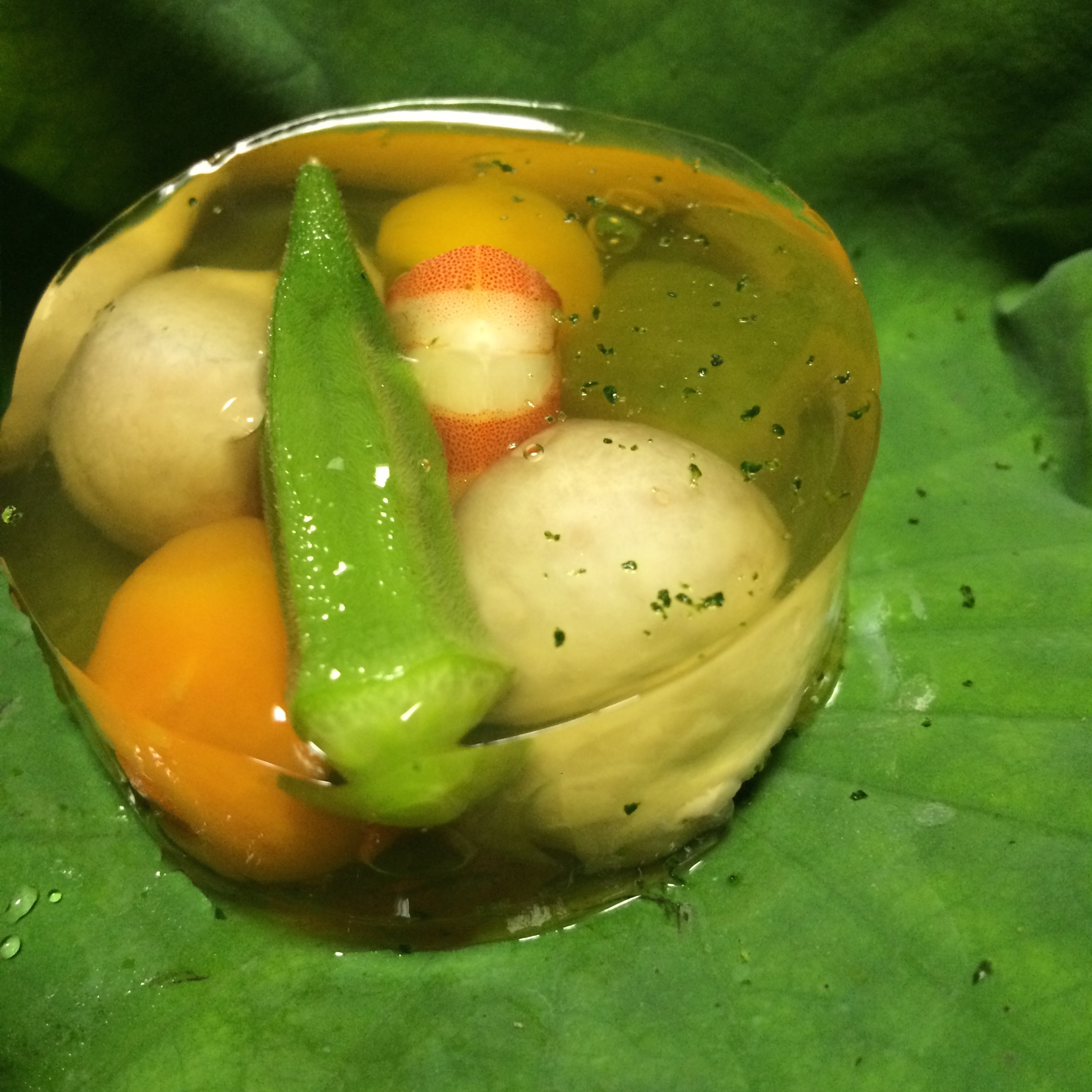
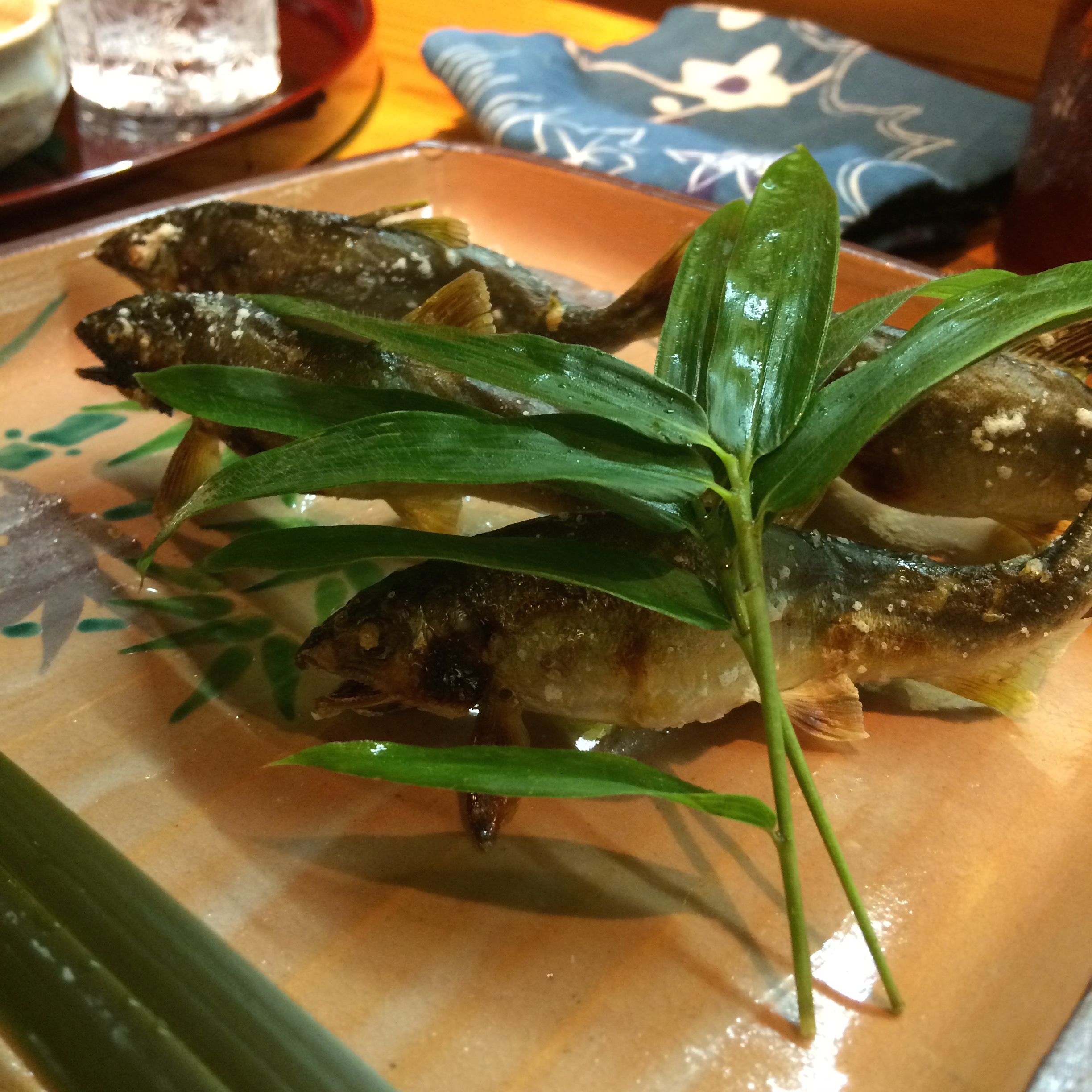
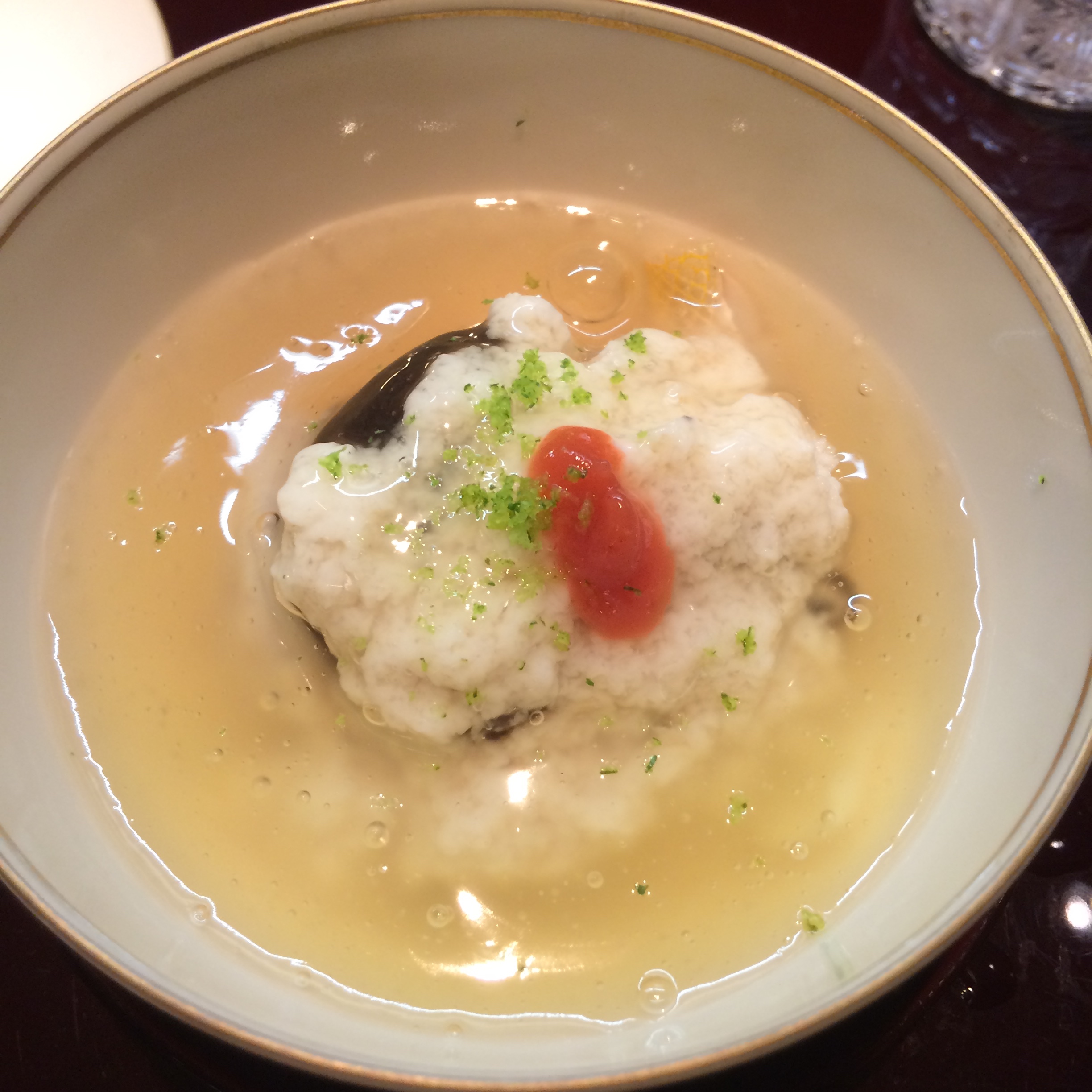
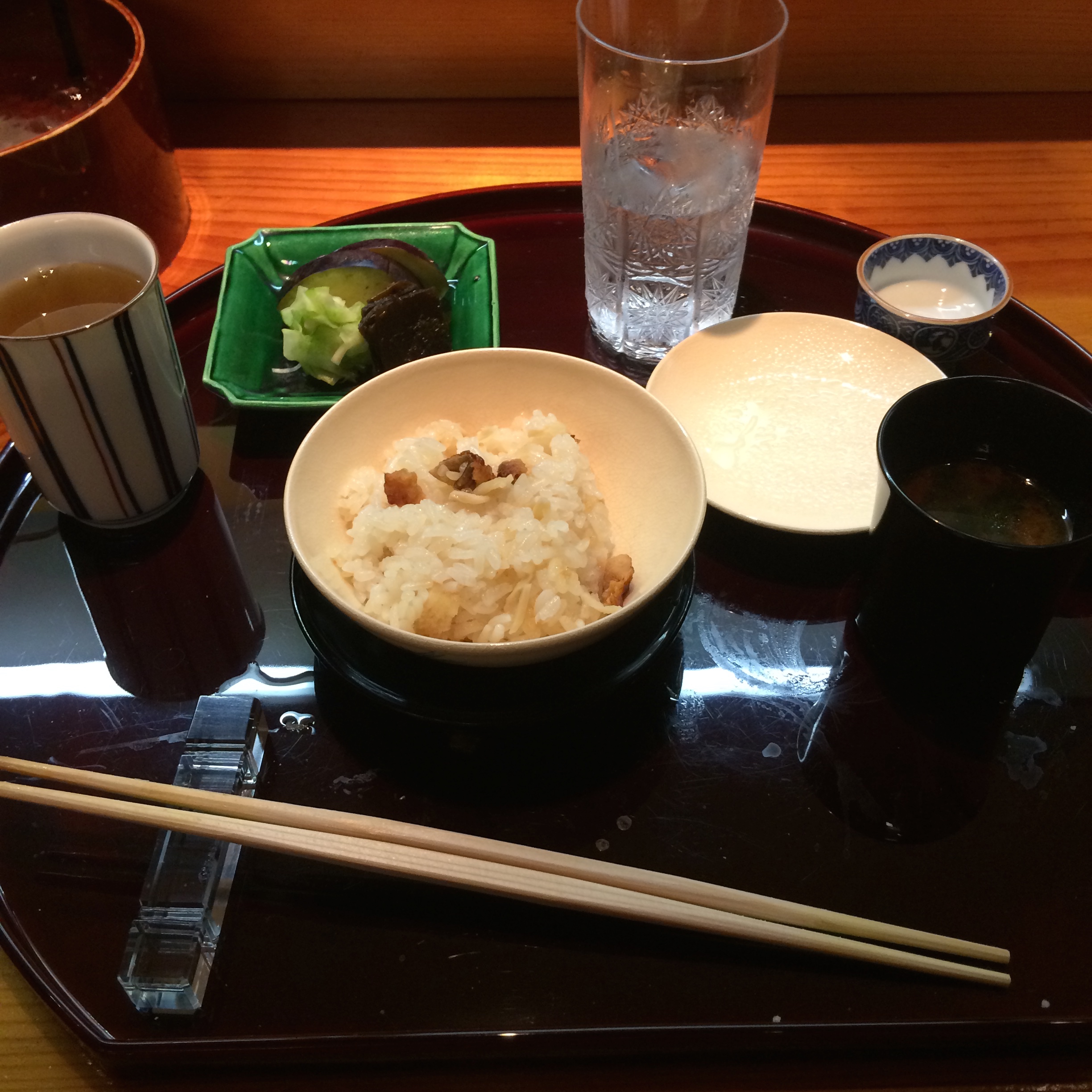
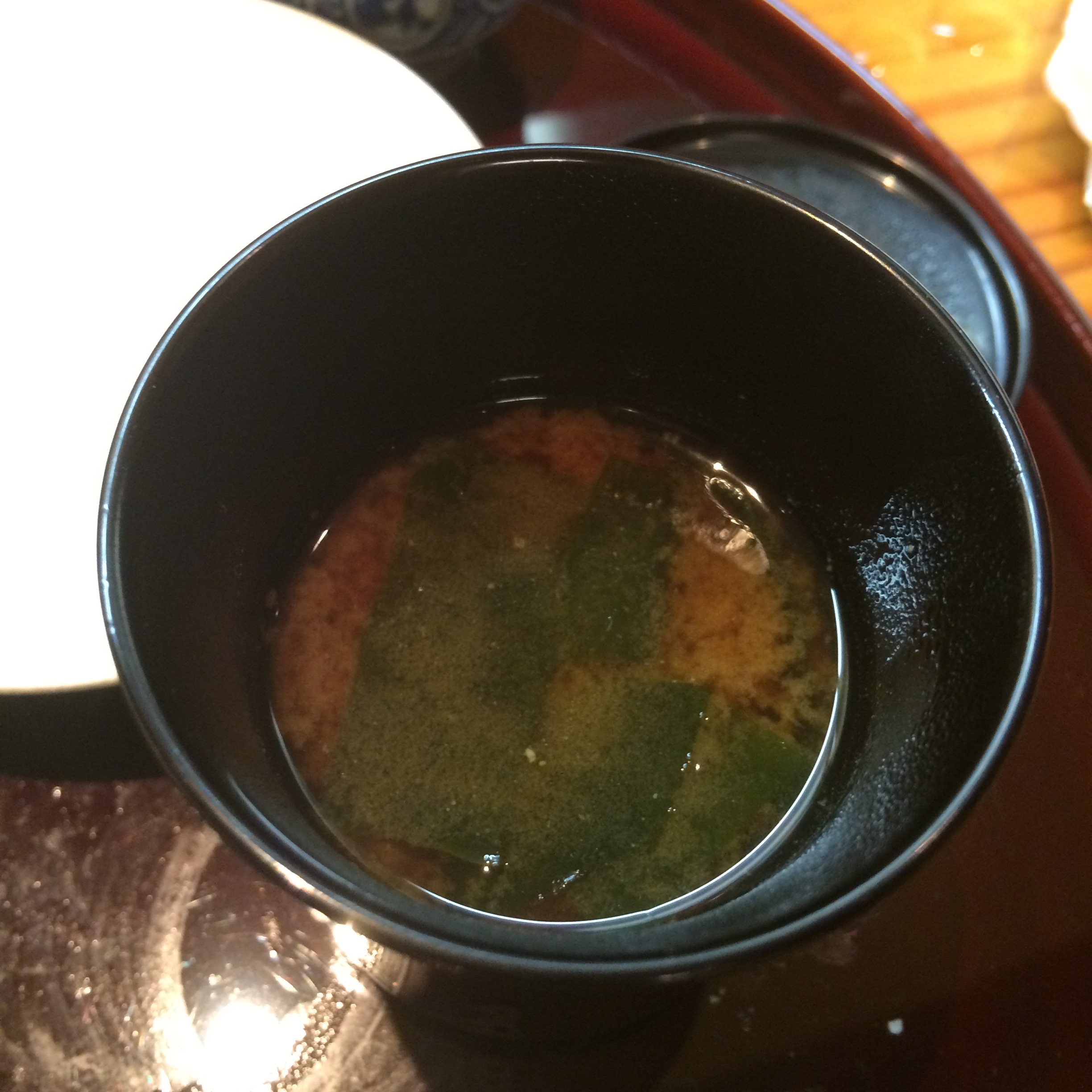
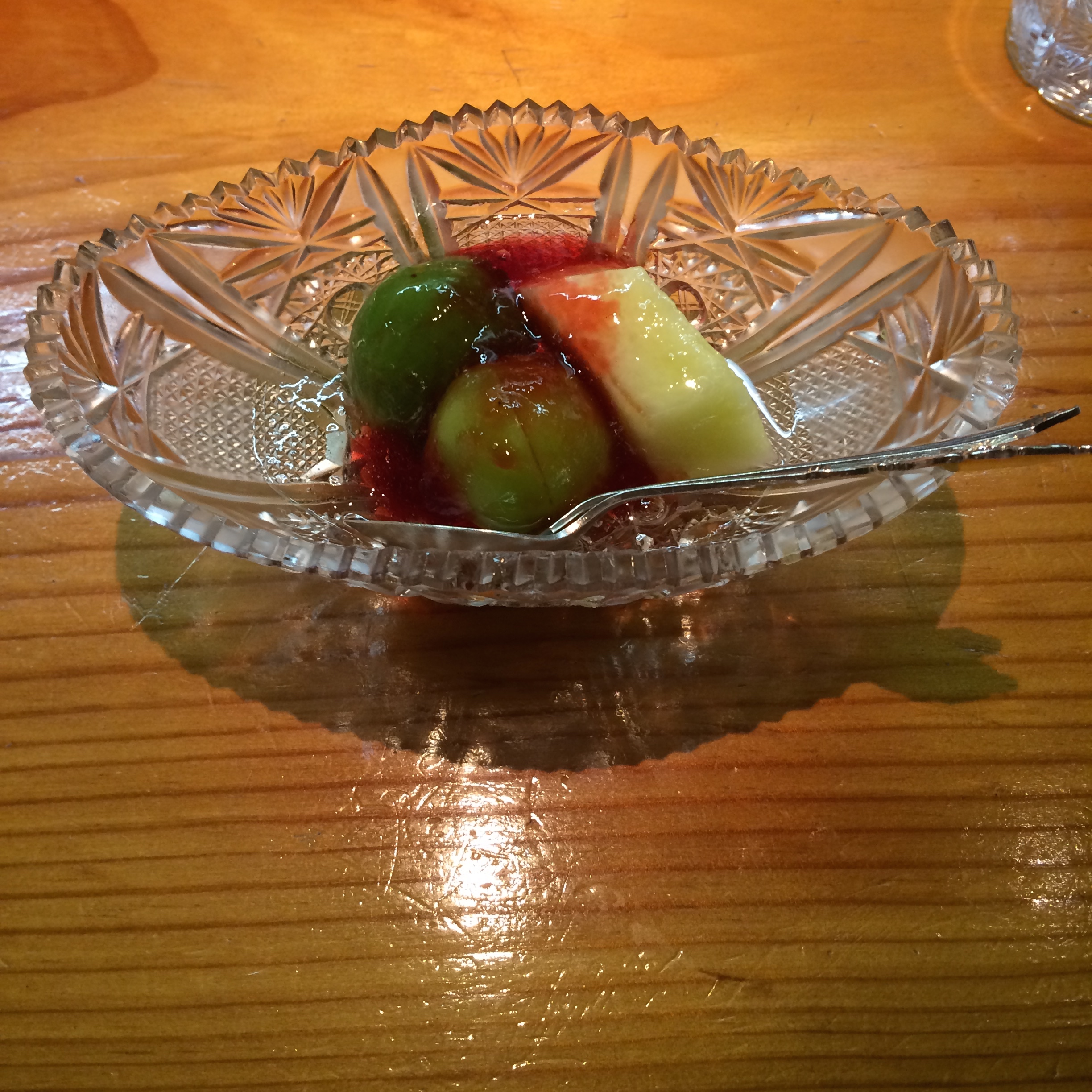
The dinner started with a Japanese apricot (I discovered this in the last kaiseki and loved it), tamago (egg), and some cooked vegetables and crab. Next up was the sashimi course, served with shiso and wasabi. The third course was one where English could have helped. She brought in a personal burner with what looked like a coffee filter and some oil in it, plus an egg, some fish and yuzu pepper. I didn’t know if I was making my own tempura, an omelette, or something else entirely different?! She left the room and I was baffled, but I went for the omelette approach, and still have no idea if it was the right one. It tasted good in the end, so I guess that’s all that matters. A yuzu gelee mold with okra, sweet potato, shrimp and chesnut inside was up next – very good. Followed by the traditional sweet fish, served whole. This one was much bigger than the last I had had, but it was salt crusted in parts, which was delicious. Both the noodle and beef courses were my least favorite – mainly because they couldn’t compare to the other noodles and meat I had had so far in Japan. The traditional end to the meal came in the form of sticky rice, miso soup and pickles, followed by a dessert of cantaloupe, 1 cherry and 1 purple grape, all of which were sweeter than any fruit you’ve ever tasted. The meal overall was very good, and the best part was that I was in my robe, in my room…have I mentioned that? 🙂

IMG_9437 IMG_9440 IMG_9444 IMG_9447

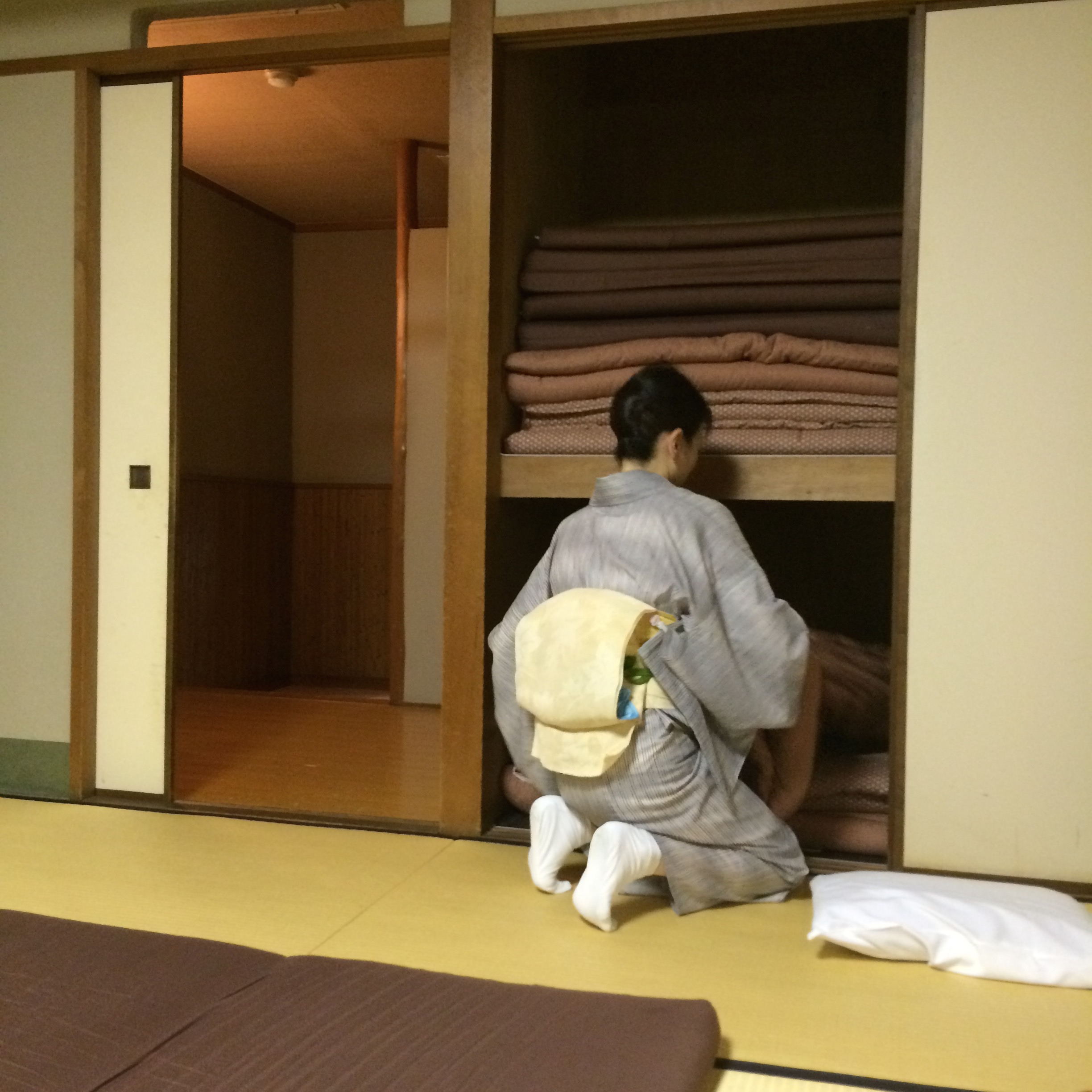
At the end of it all, my bed was made up on the floor and my sleeping yakuta was given to me. It was only 10pm and the onsen was open for another couple of hours, so I decided to visit the hot springs for a 2nd time that day before bed.

IMG_9460 IMG_9463    IMG_9470 IMG_9467

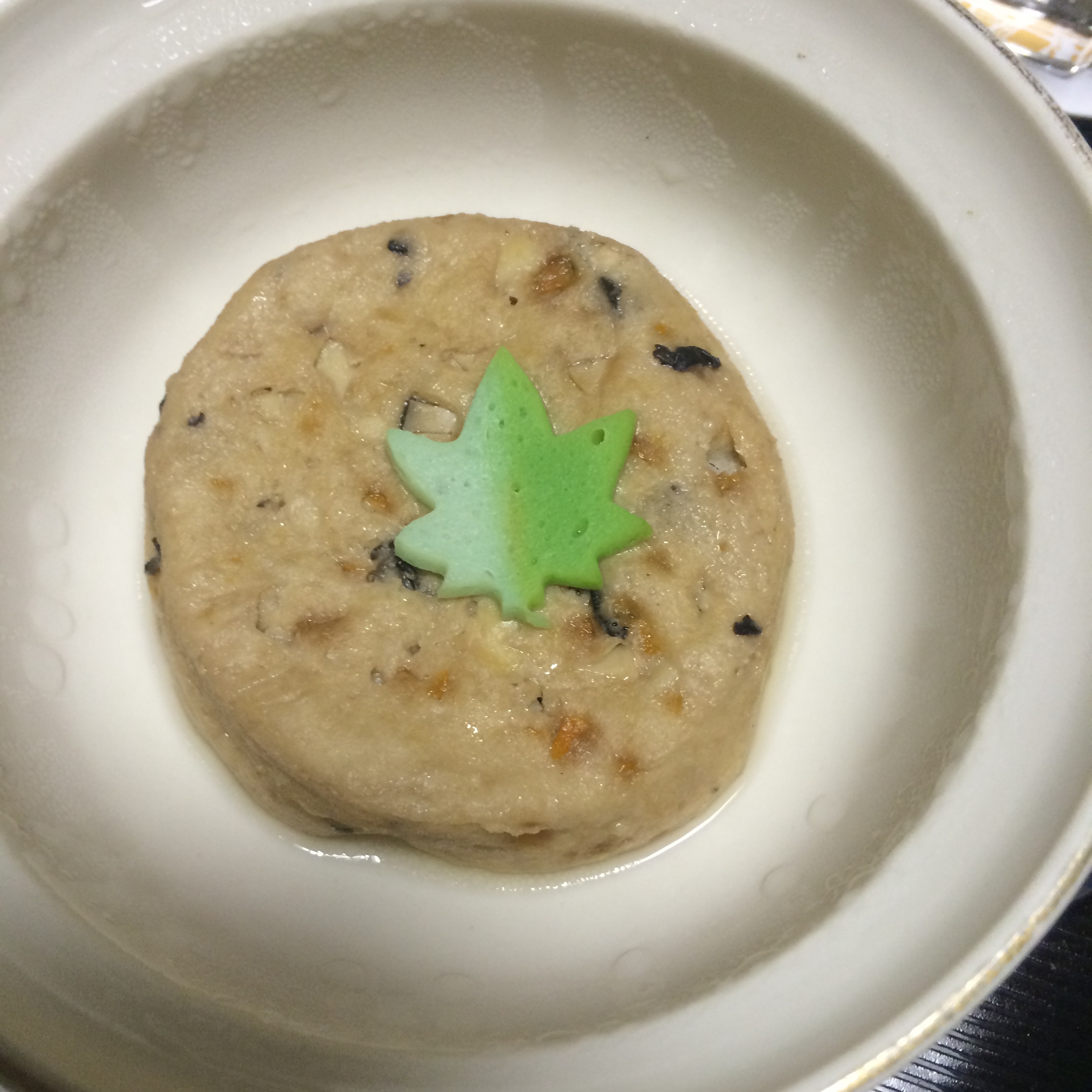
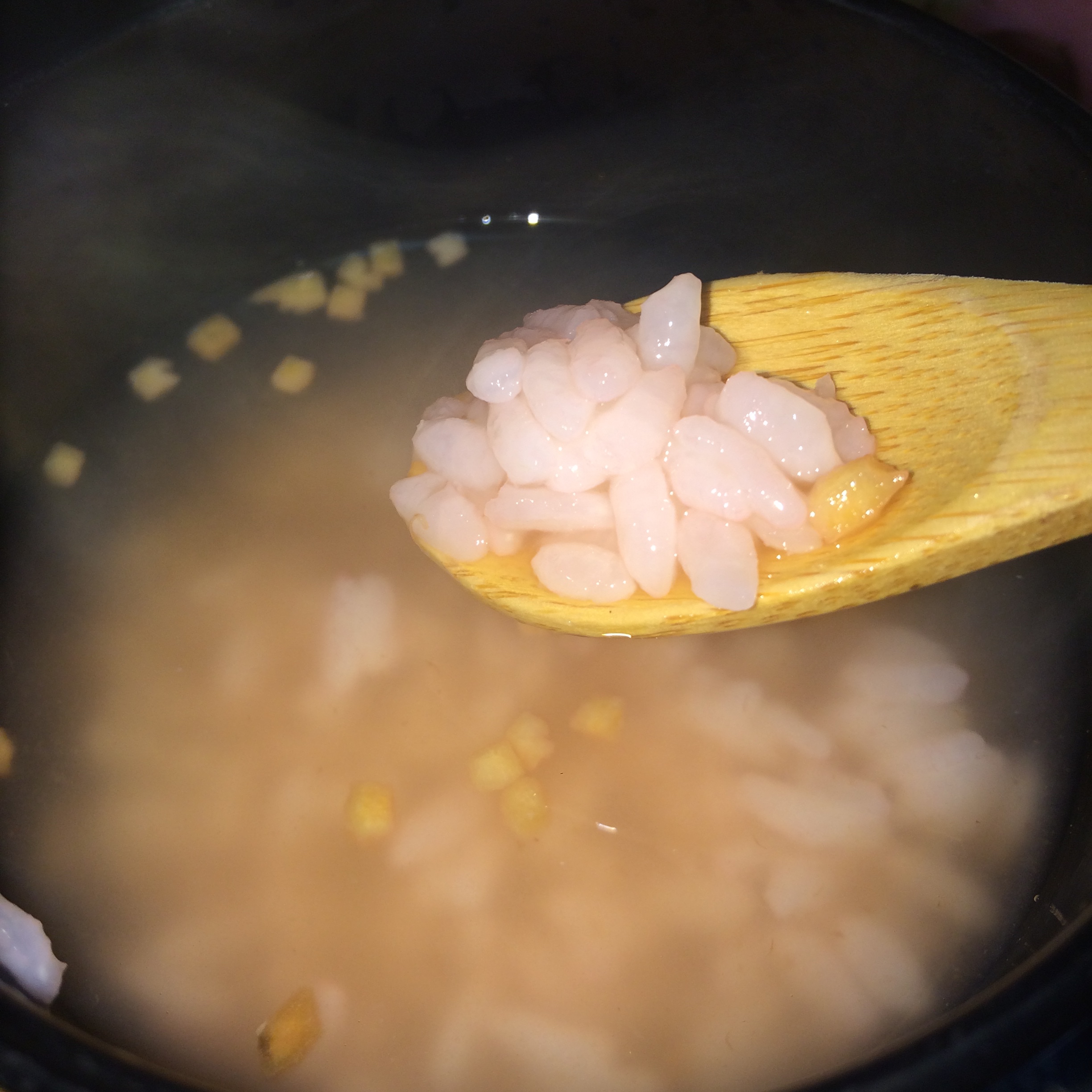
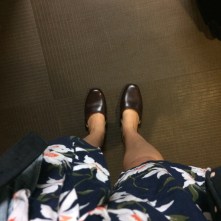
In the morning, I was up early and went for my 3rd and final trip downstairs to the baths. And then a traditional breakfast was served in my room, again in my robe. Hot tofu, miso soup, tamago, pickles, a sour plum, a tofu cake of some sort, and a rice porridge that had some fermented flavors. So much food!! After breakfast I sadly had to trade in my yukata for real clothes again so that I could head back to Tokyo for the remainder of my trip. At check-in the ryokan takes your shoes in exchange for slippers, and upon checkout, you get your shoes back. Well, with my Hawaiian-print shorts + the house slippers, I really felt like I could be “turning Japanese, I think I’m turning Japanese, I really think so…”

IMG_9471

Thank you, Kyoto, for an amazing few days. See you back in Tokyo!!


THE KYOTO KLEANSE

KYOTO:EVERYTHING ZEN…AND SHINTO

IMG_8999

In my last post about the kaiseki meal, I described the geisha district as looking like a film set. Truth be told, much of Kyoto could be spoken about this way. There are so many beautiful temples and shrines, with such cultural and spiritual significance, and each structure and garden is more beautiful than the last. Kyoto is a much bigger city than I was expecting, and there is a downtown that looks just as much a big city as the next, but when you’re at the major attractions around town, even with the crazy holiday-weekend-tourist crowds, you can’t help but be in awe…and find some zen.

IMG_8516

There are literally temples, shrines and gardens around every corner, and you can easily get overwhelmed by it all…or at least I did. I probably could have stayed a full week and continued to find new places to visit, but 3.5 days was the perfect amount of time to see everything I came to see and get a good feel for the city.IMG_8540Some of my favorite places visited were in Arashiyama, a scenic area in Western Kyoto, where it feels like you could be stuck in old-world Japan. This area houses the Bamboo Forest and is home to the Iwatayama Monkey Park (I also stayed in a traditional Ryokan there for my last night, but that’s for a different post later this week).

IMG_8497 IMG_9023 IMG_8473

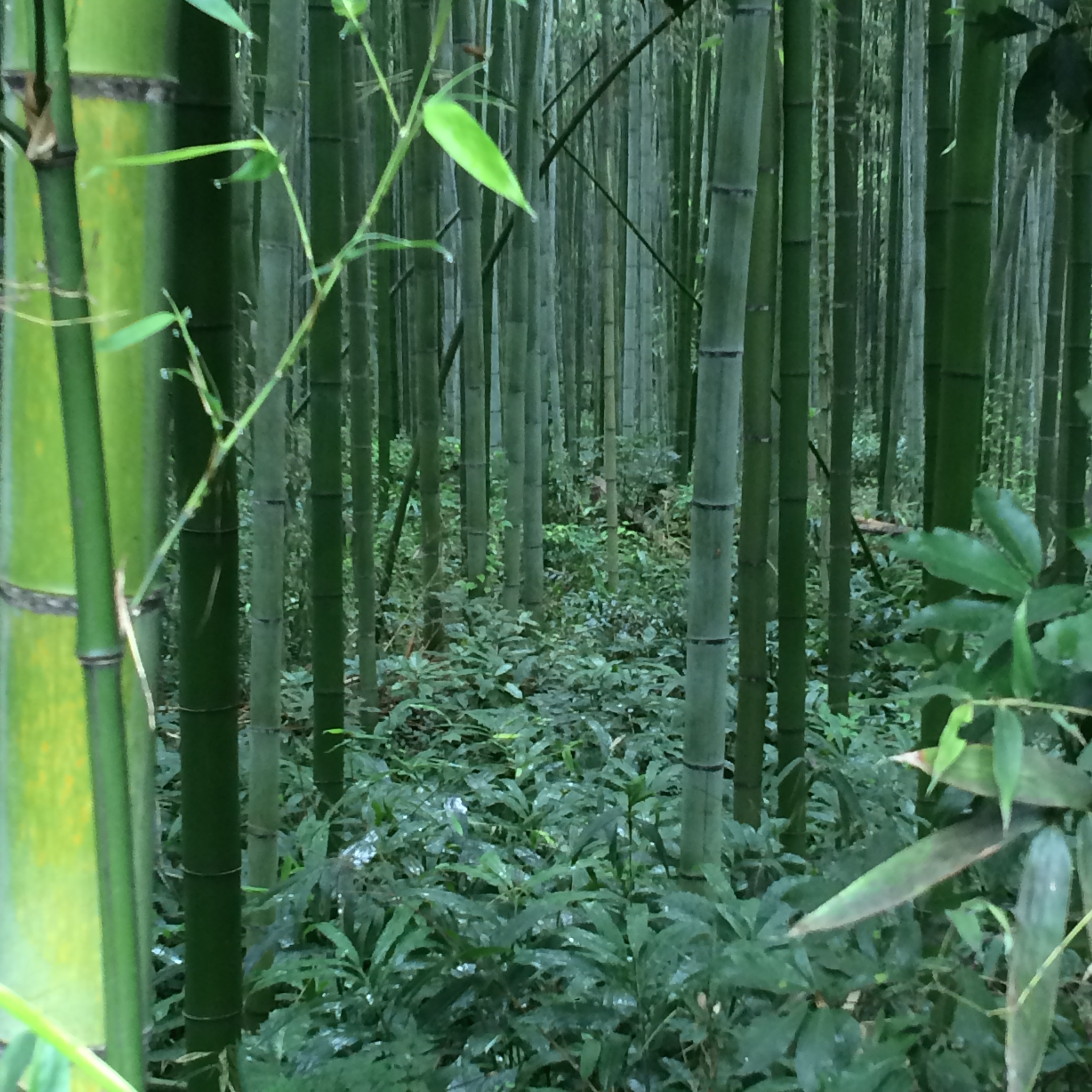
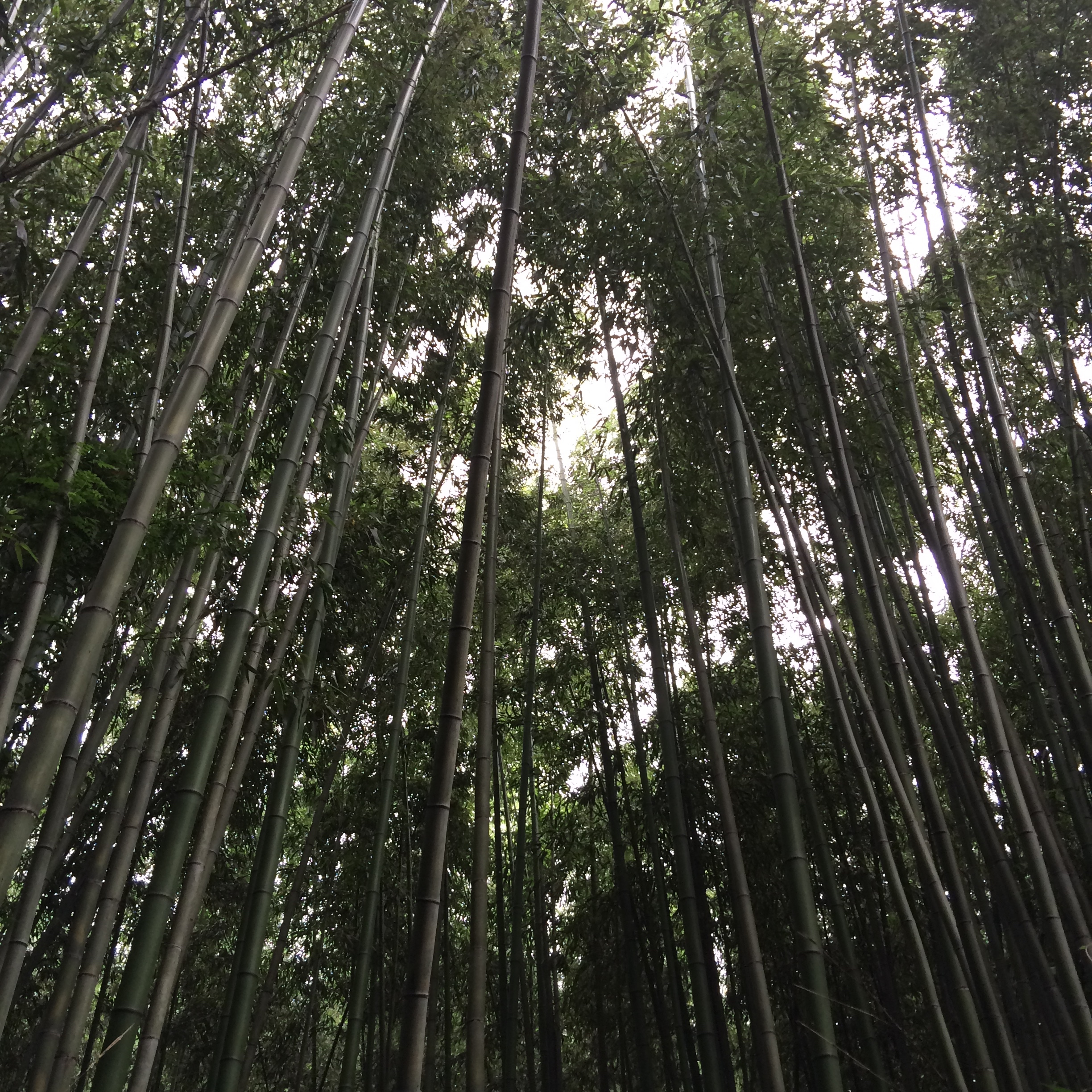
The bamboo forest was something I was really excited about and while it was pretty much what you would expect, it is crazy to look back at these pictures – all from the same place on the same day, none of the photos have been enhanced or filtered. It’s really just remarkable to me that the bright green of the first photo is a color that exists in nature in real life!

IMG_8476 IMG_8478 IMG_8481 

At the end of the bamboo forest there is a shrine, not at all a rarity here. You can pray, pick fortunes, and make, and write down, wishes that you are praying for and leave them at the shrine. I gave 100 yen (less than $1) so that I could take a fortune, and thankfully the one I got said, among other things, that my fortune was, and I quote, “excellent”…thank you, Nonomiya-Jinja Shrine. It could have been a rough few days if my first fortune was less than stellar.

IMG_8520 IMG_8532 IMG_8528

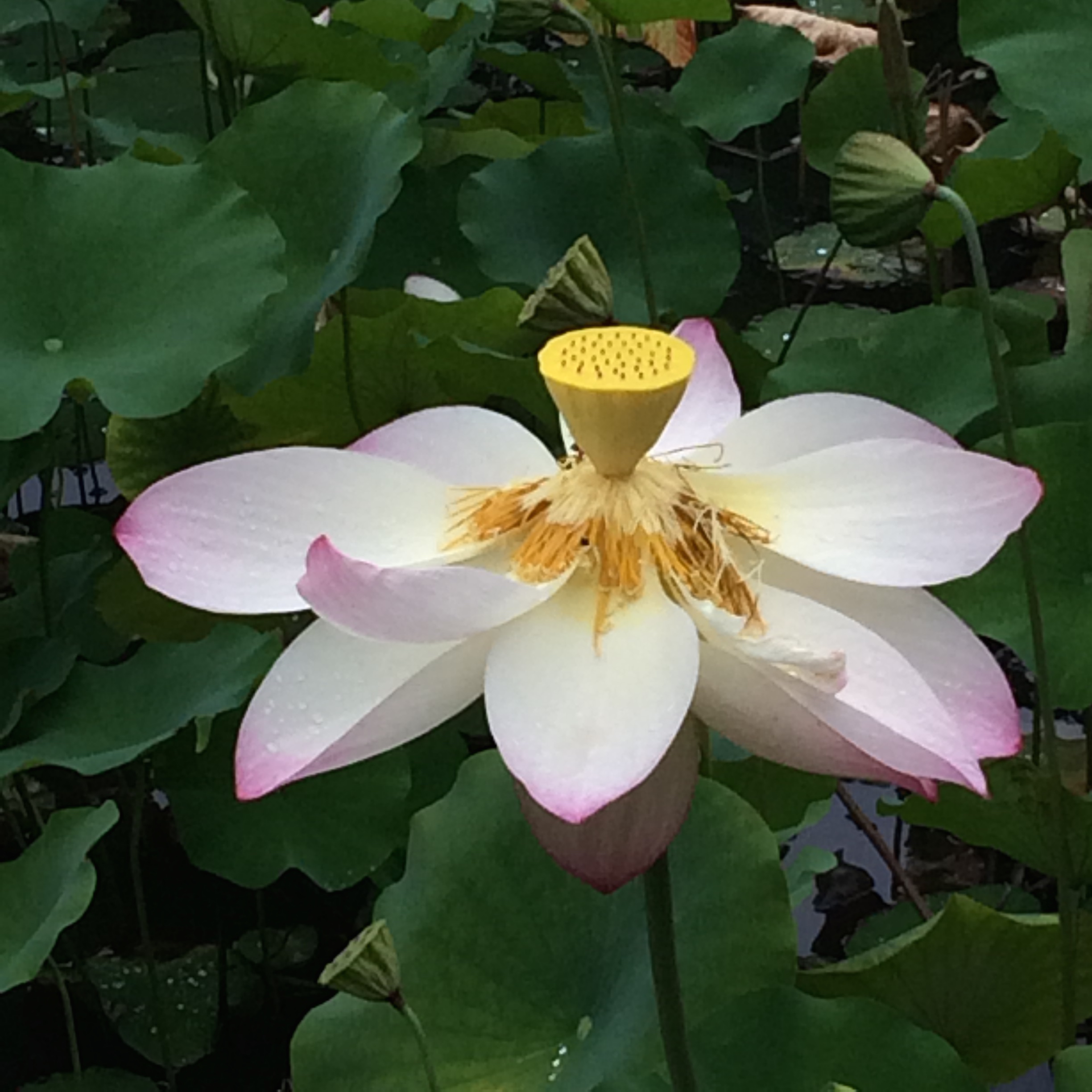
From the bamboo forest we started to make our way towards the Monkey Park, but got sidetracked on our way because there is something to look at no matter what direction you are facing. On the way into a zen garden we found this amazing, overflowing pond of water lilies. They are overgrown but in the most beautiful way. It’s Monet x Japan, a collaboration that transcends time…truly one of my favorite parts of the day!!

IMG_8557 IMG_8559IMG_8552 IMG_8560

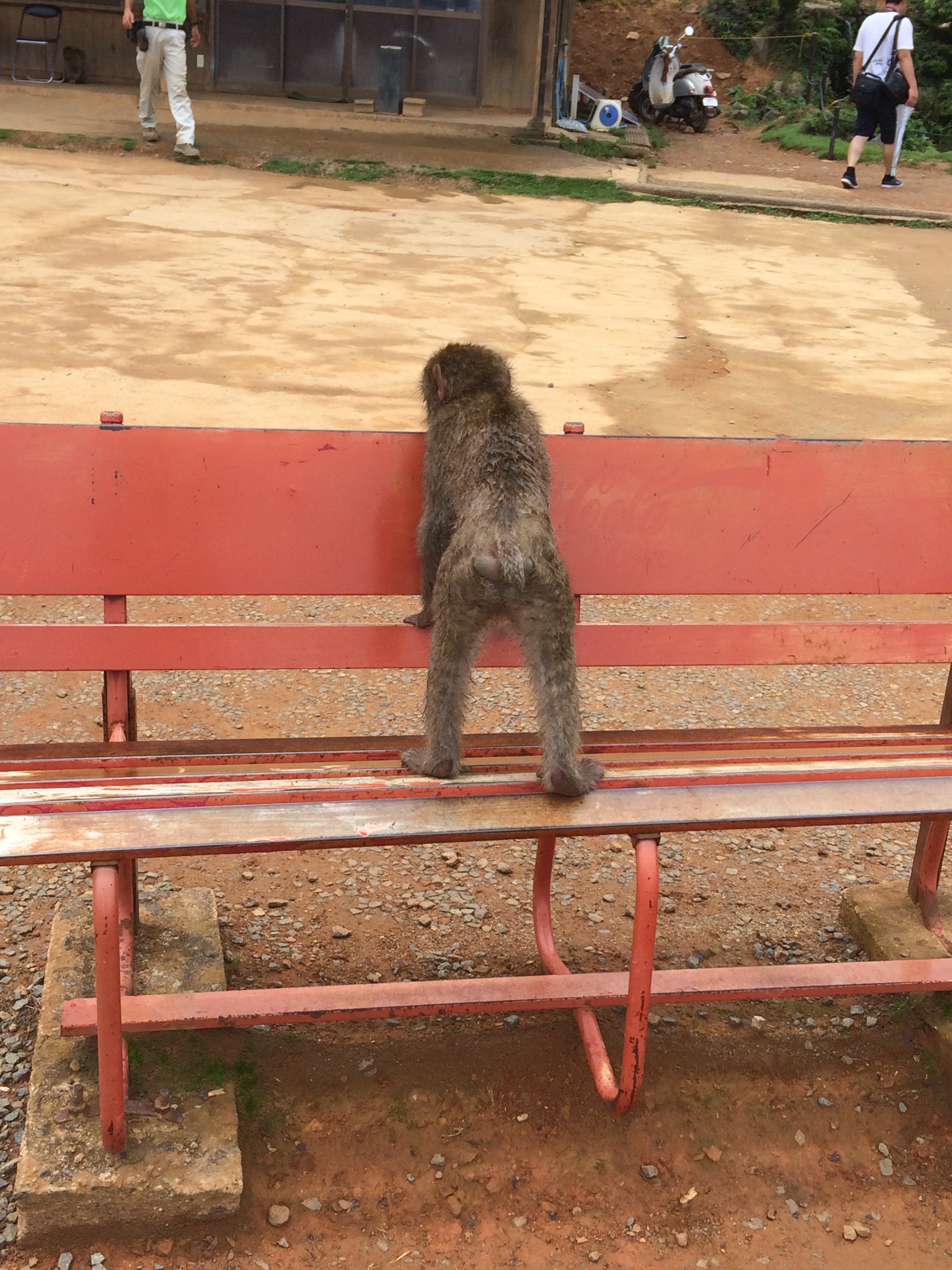
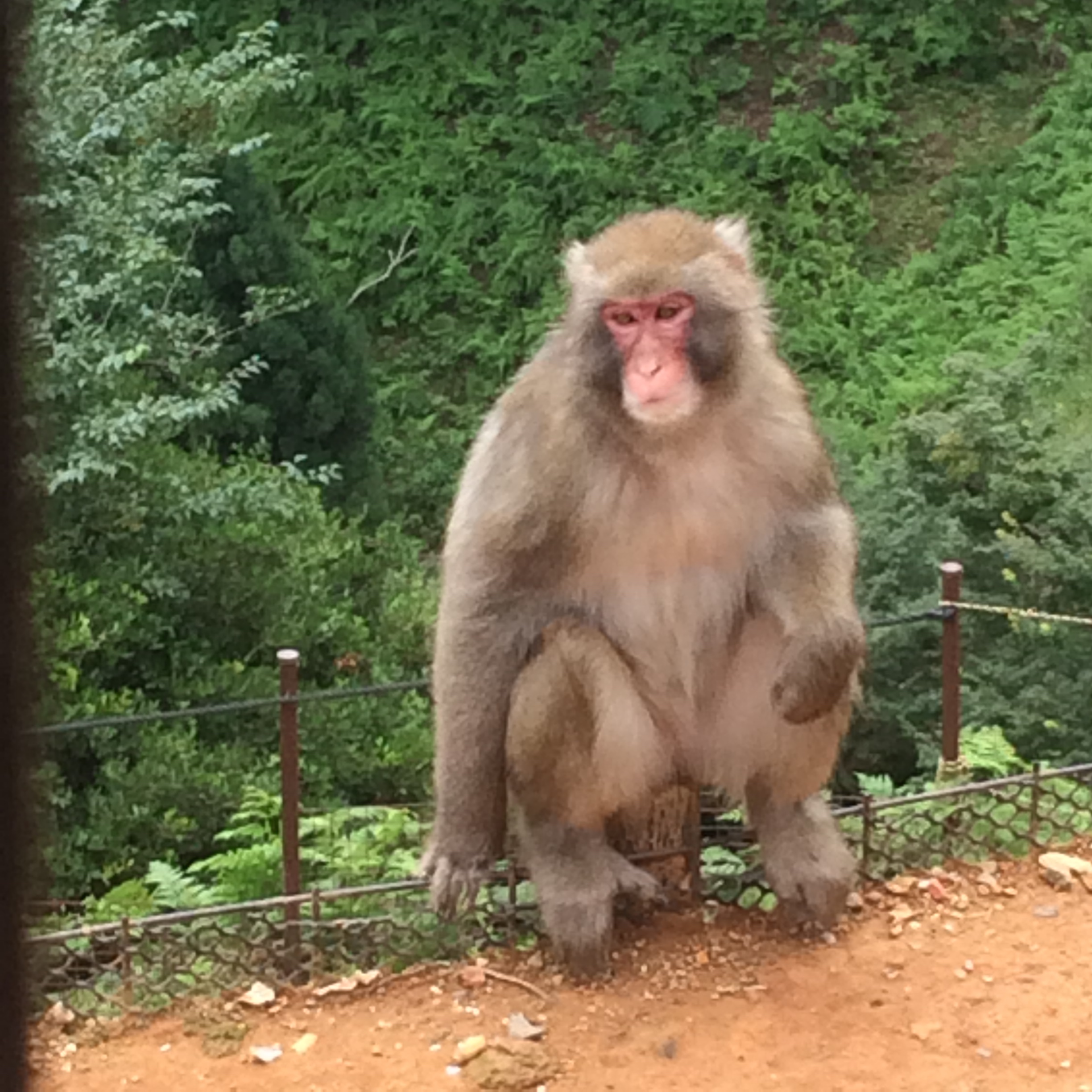
This garden took us down towards the river and the Togetsukyo Bridge. Along the riverside path, I witnessed 2 tourists (I assumed American) ask a few Japanese 20somethings, dressed in kimonos, to take a selfie with them…need I say more?! I would’ve loved the same thing, but I would never ask!! The bridge took us over to the Monkey Park to start our hike up to the top of the mountain. Having no idea what to really expect up there, I was more than pleasantly surprised! I’ve loved monkeys since before I can even remember, so needless to say I was excited for a chance to see some up close here. At this park you can walk around amongst these Macaque monkeys, as well as feed them out of your hand from inside a caged room. Within these tribes there were a few babies , who were cuter than I could handle. These apes were so humanlike in the way they interacted with each other, as well as with all of us feeding them, that I felt like I was living inside Planet of the Apes!!

IMG_8574 IMG_8596 IMG_9027IMG_1893 IMG_8602 IMG_8639

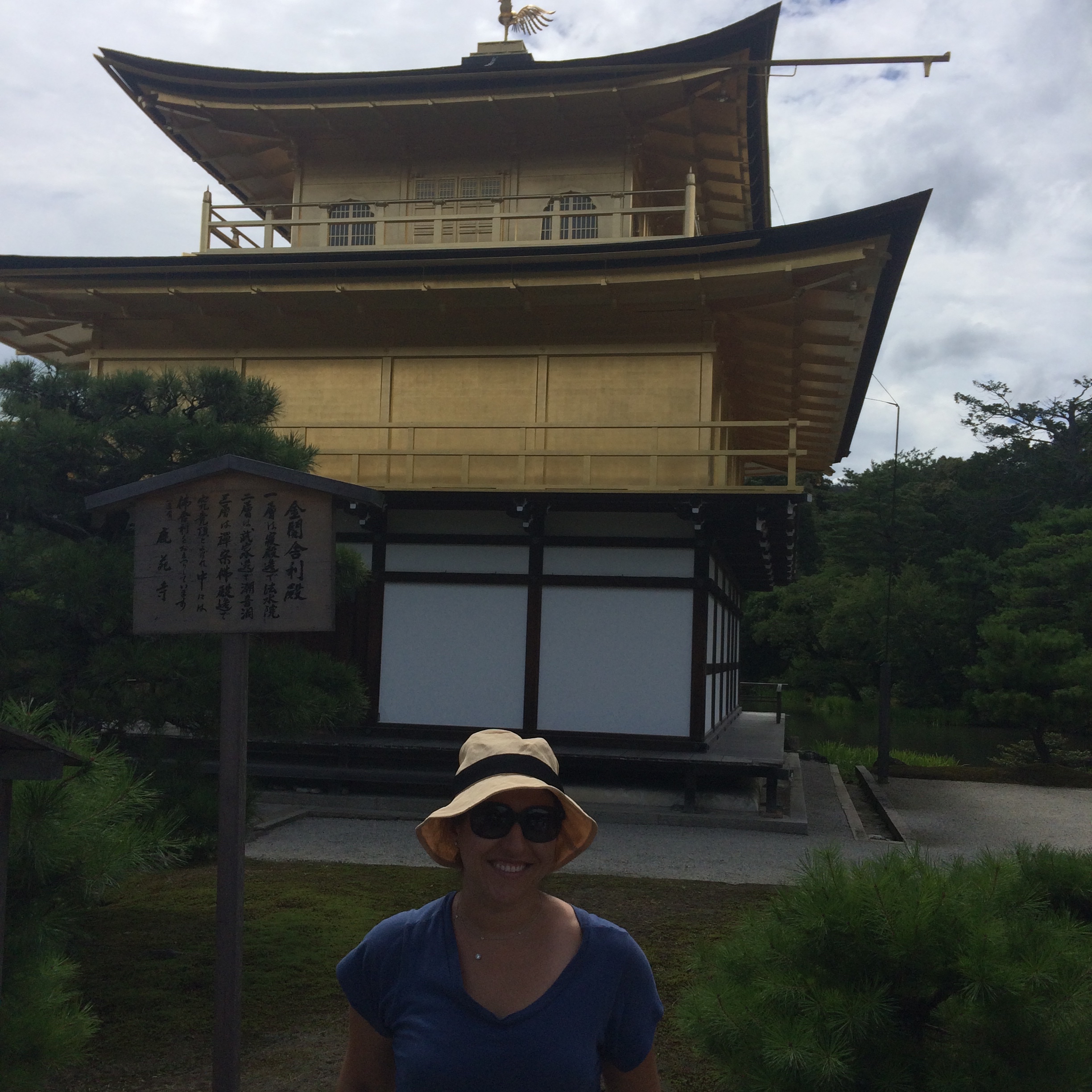
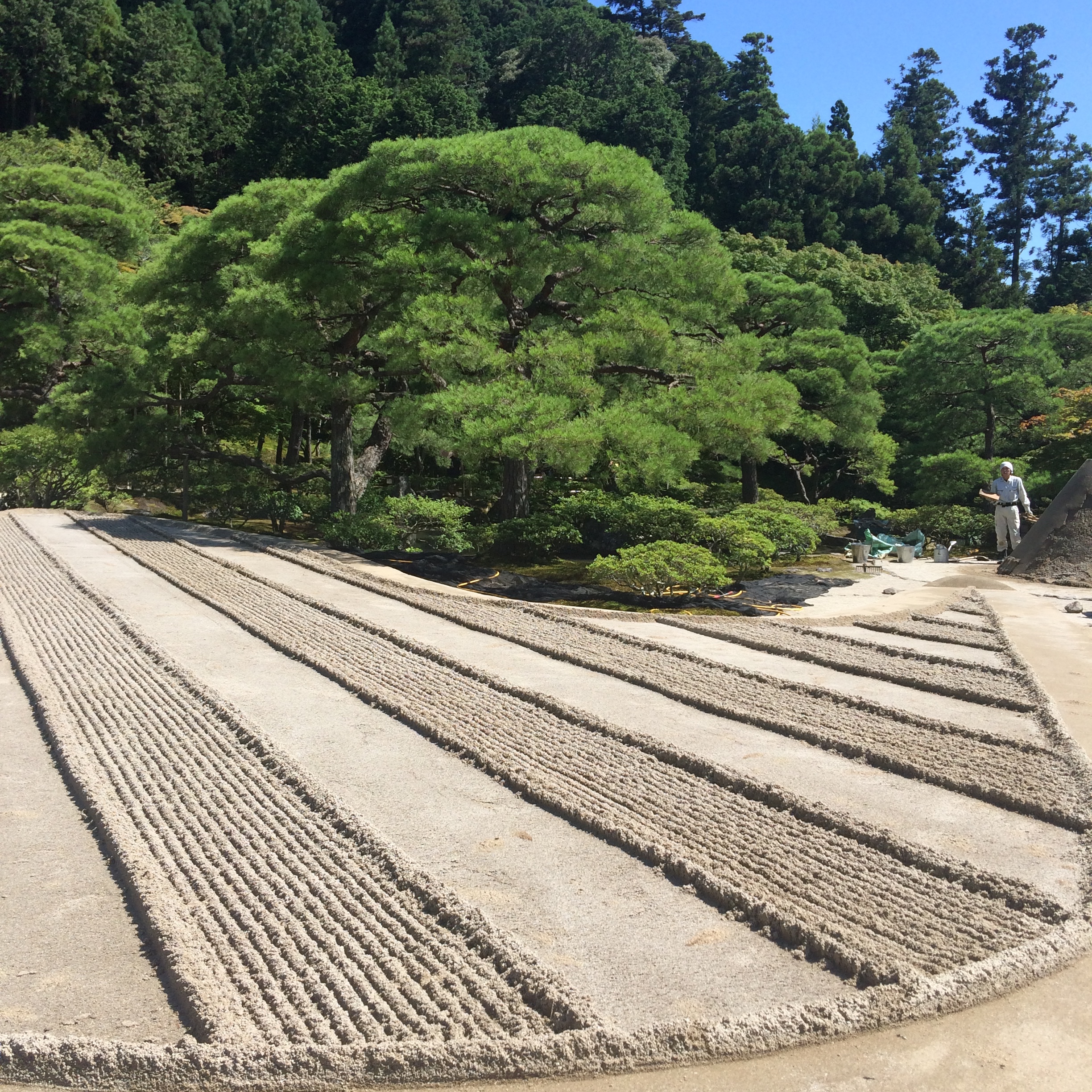
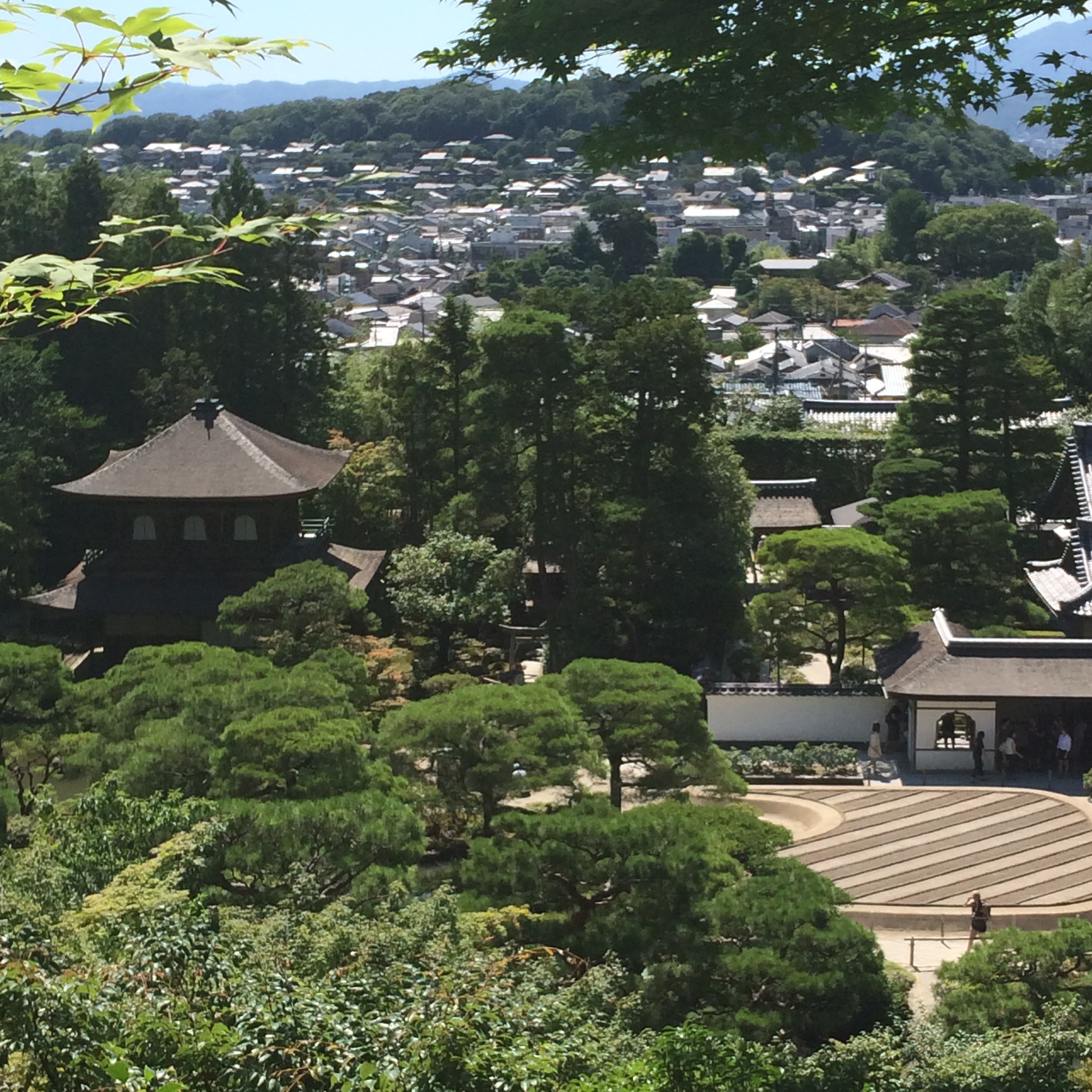
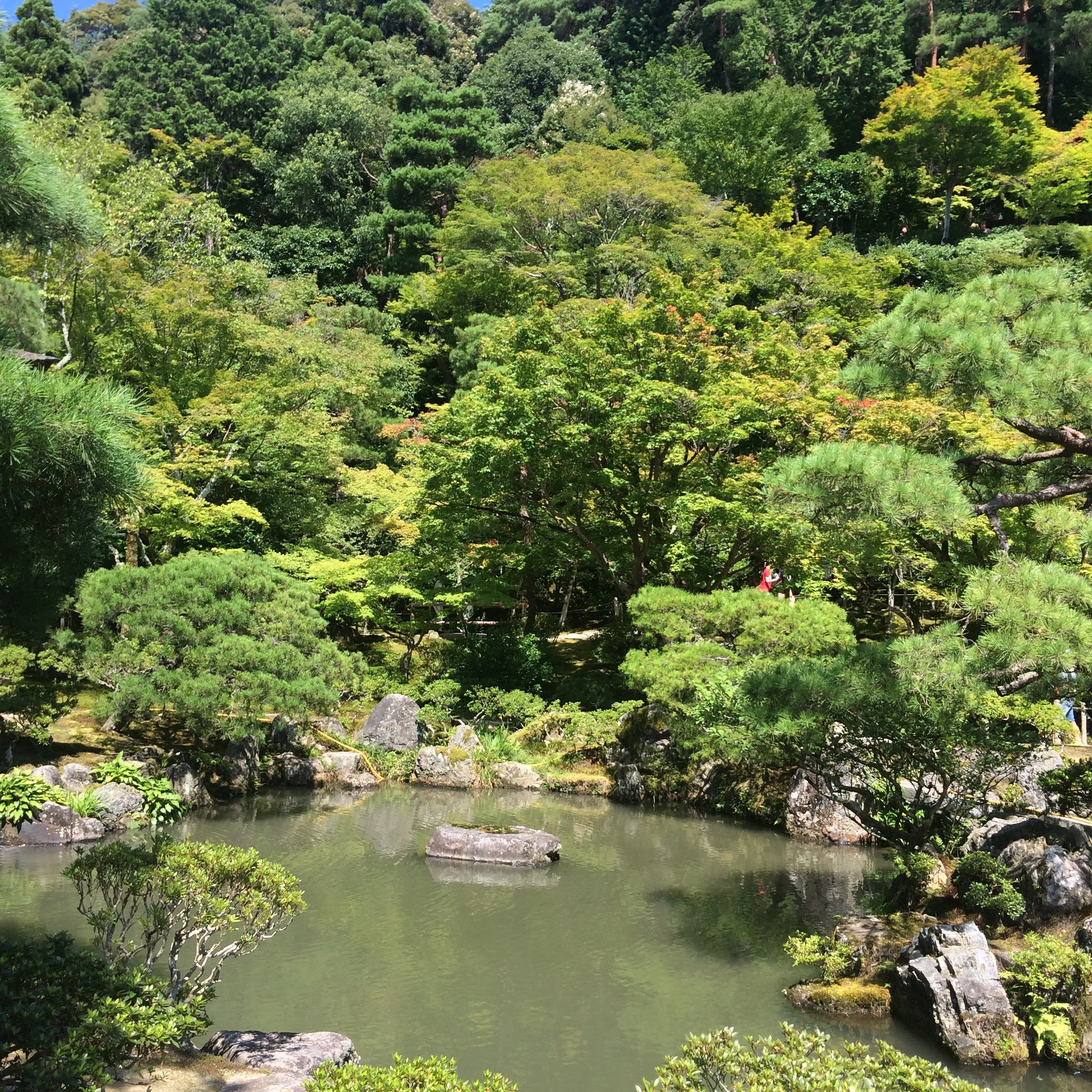
The other major sites we went to in Kyoto were outside of Arashiyama. The Gold Temple, The Silver Temple, Kiyomizu-dera, and Fushimi-Inari Shrine were the biggies. This weekend was the start of the summer holiday in Japan, so it was pretty crazy everywhere we went…not to mention the extreme heat!! I had heard so much about the Kinkakuji, the Gold Pavillion, but actually it was the grounds at Ginkakuji, the Silver one, that I thought were most special. Kinkakuji was the retirement villa of a shogun – not a bad retirement, beautiful villa on a pond – and was converted into a zen temple after his death; Ginkakuji was the villa of his grandson, and was similarly turned into a temple after his death. It is far less opulent than the gold leaf of Kinkakuji (this temple has a silver-colored roof, that is all), but even with maintenance being done, the zen sand and rock garden won me over at Ginkakuji!

IMG_8657 IMG_8672 IMG_8680IMG_8903 IMG_8914 IMG_8943 IMG_8928 IMG_9017 IMG_8919

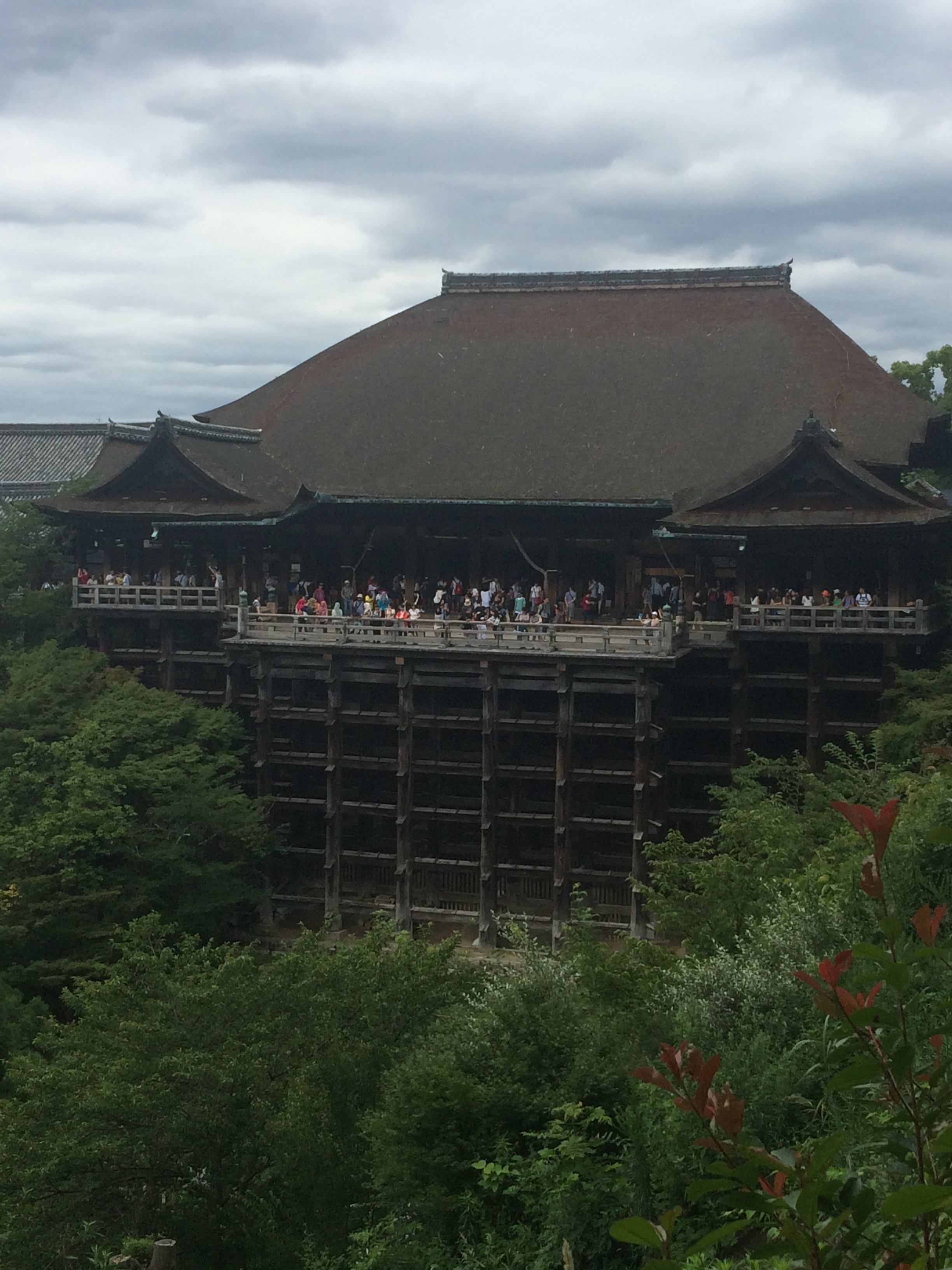
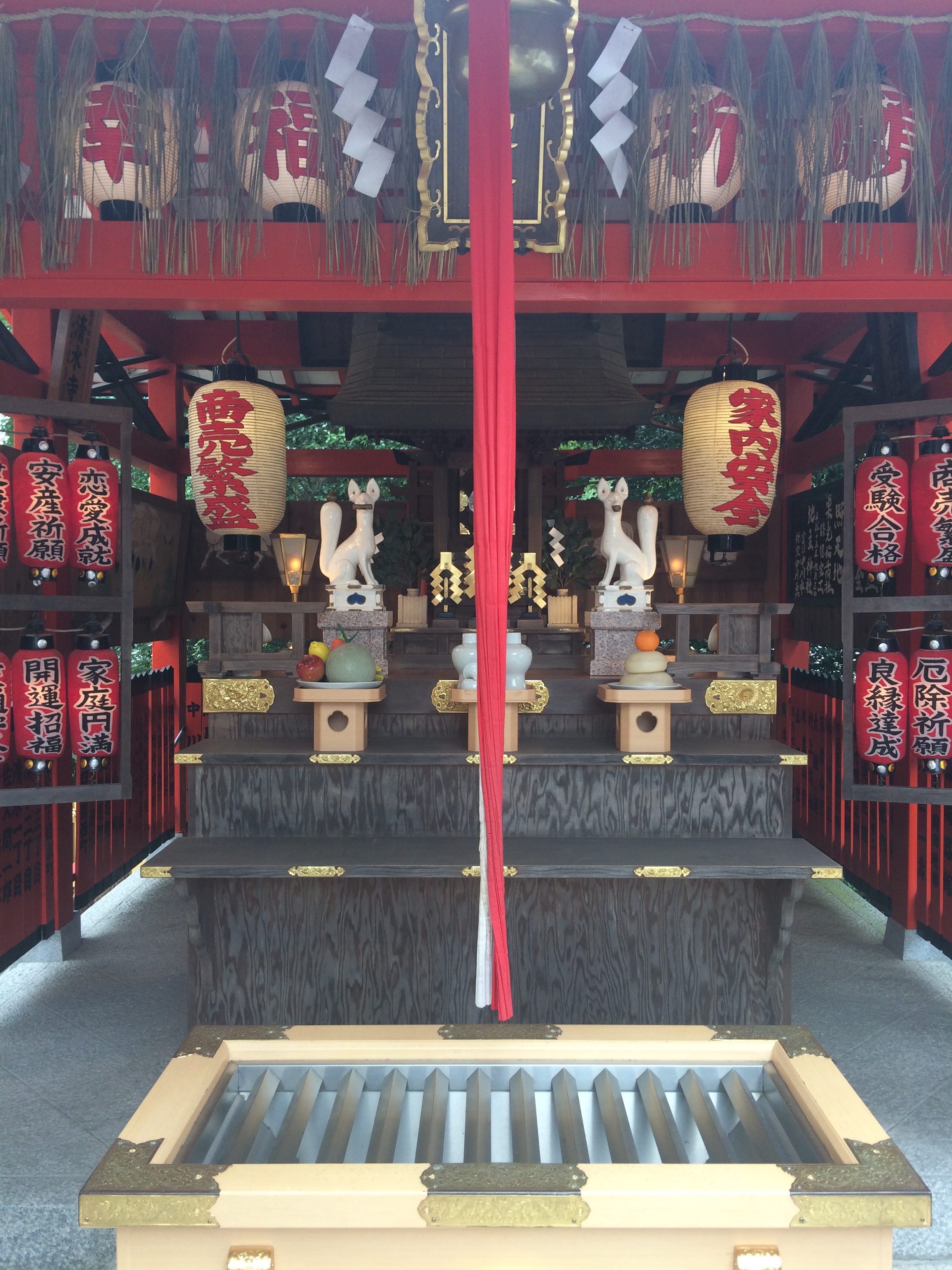
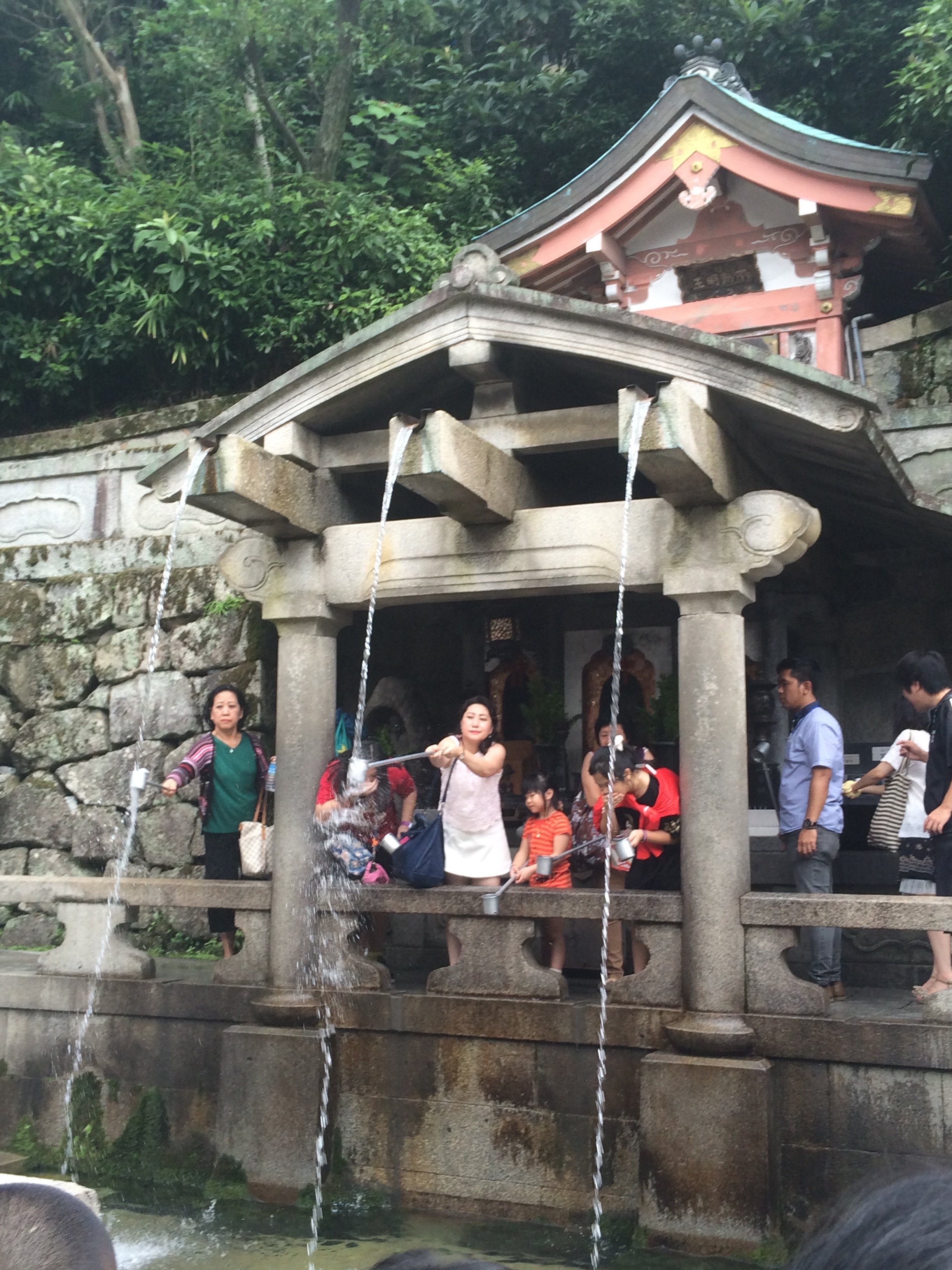
Kiyomizu-dera is a temple made all of wood, and constructed with no nails, which is incredible. It is one of the biggest tourist attractions in Kyoto and the tri-level pagoda out front is definitely a symbol often seen in reference to the city. Bright orange gates and pagodas greet you as you walk up the hill towards this more humble, yet quite amazing, structure. Behind the wooden temple is the Jishu shrine, dedicated to the deity of love and matchmaking, so of course I had to pay that one a visit :).  These grounds also feature water from a waterfall that is said to have wish-granting powers so you’ll see lines of people waiting their turn to gather some water to drink. It was pretty hilarious to watch as adults looked almost childlike, playing amongst a fountain spouting 3 streams of water.

IMG_9276 IMG_9263 IMG_9155  IMG_9230 IMG_9252 IMG_9228 IMG_9223 IMG_9199 IMG_9200 IMG_9211   IMG_9191 IMG_9188 IMG_9245 

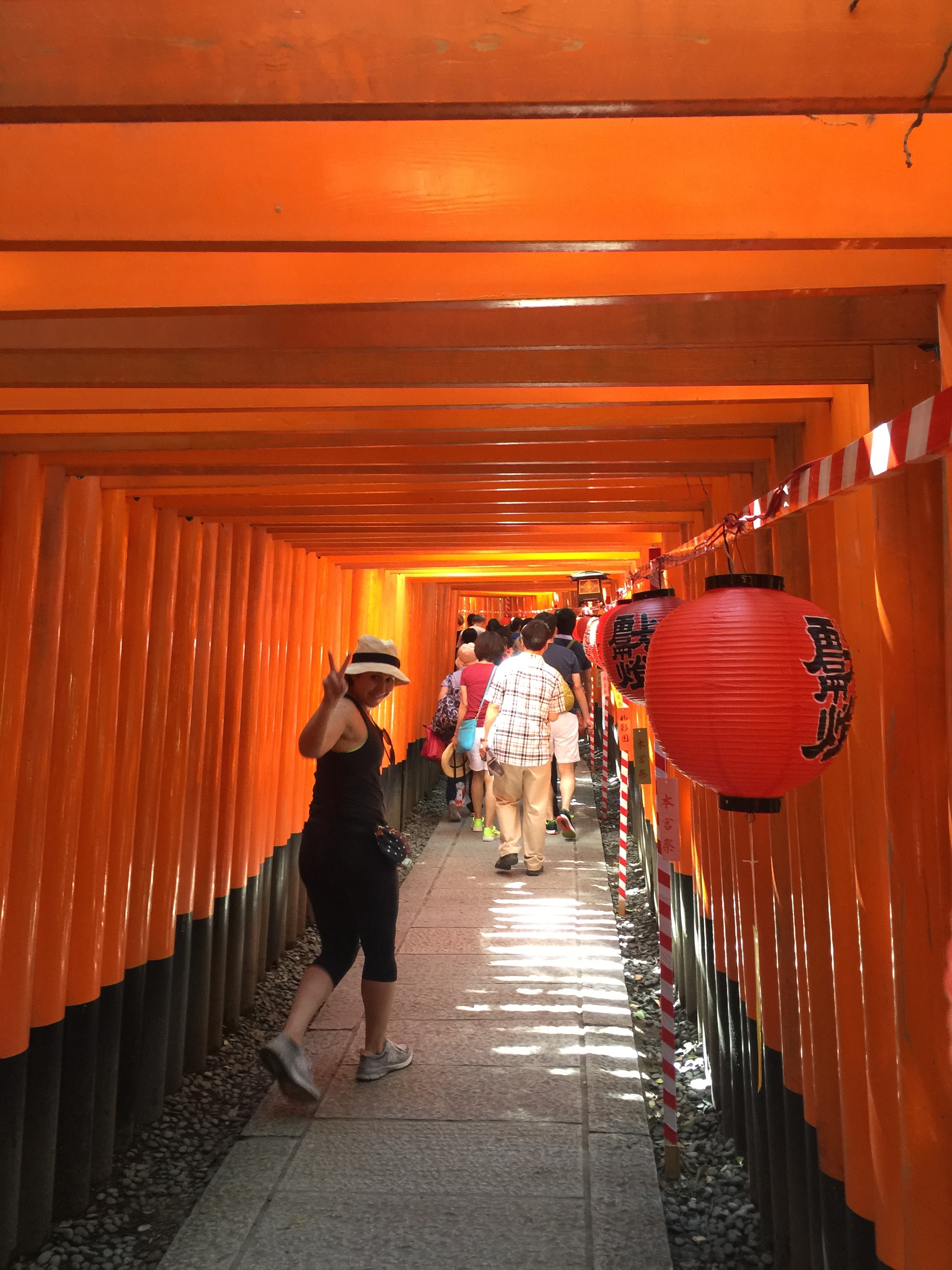
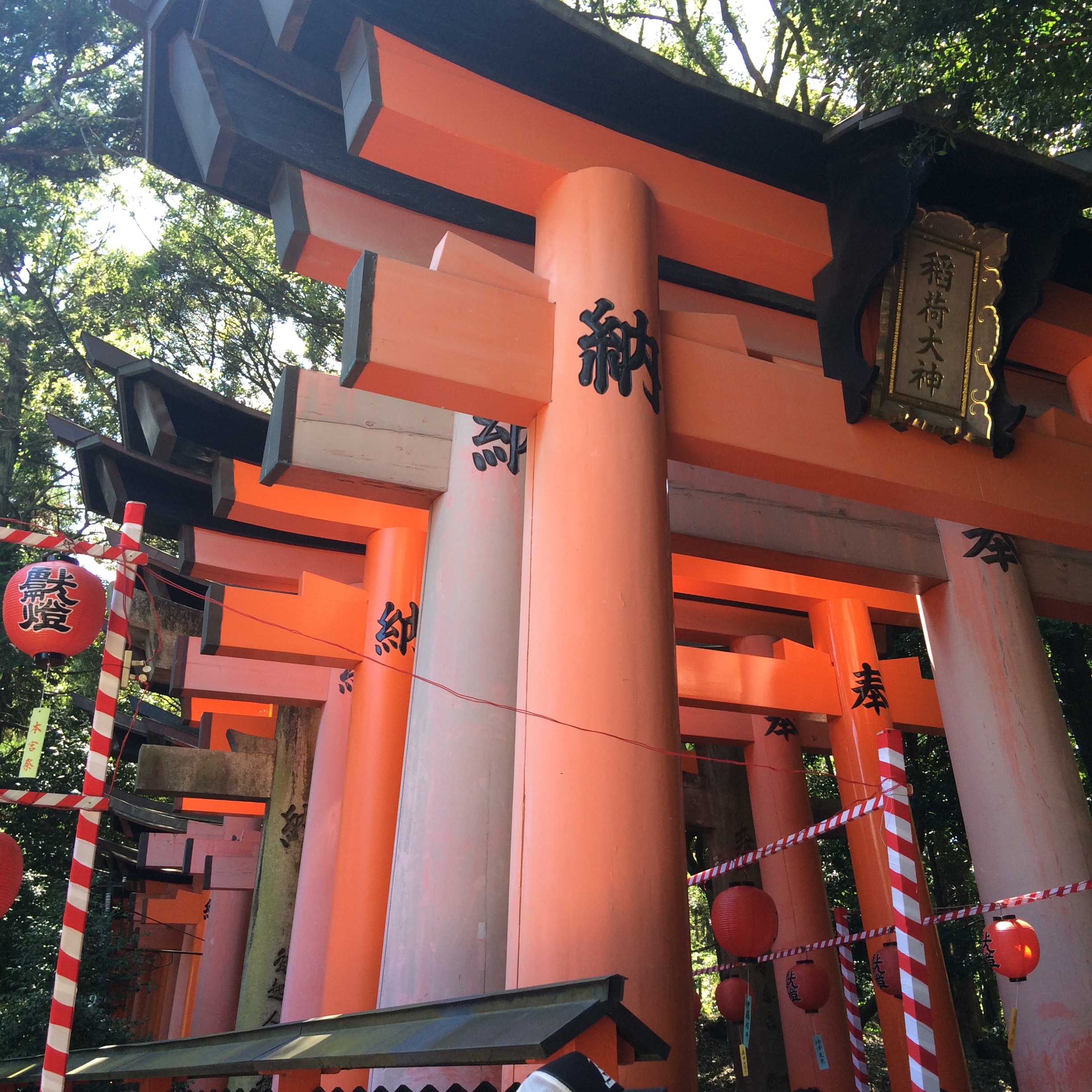
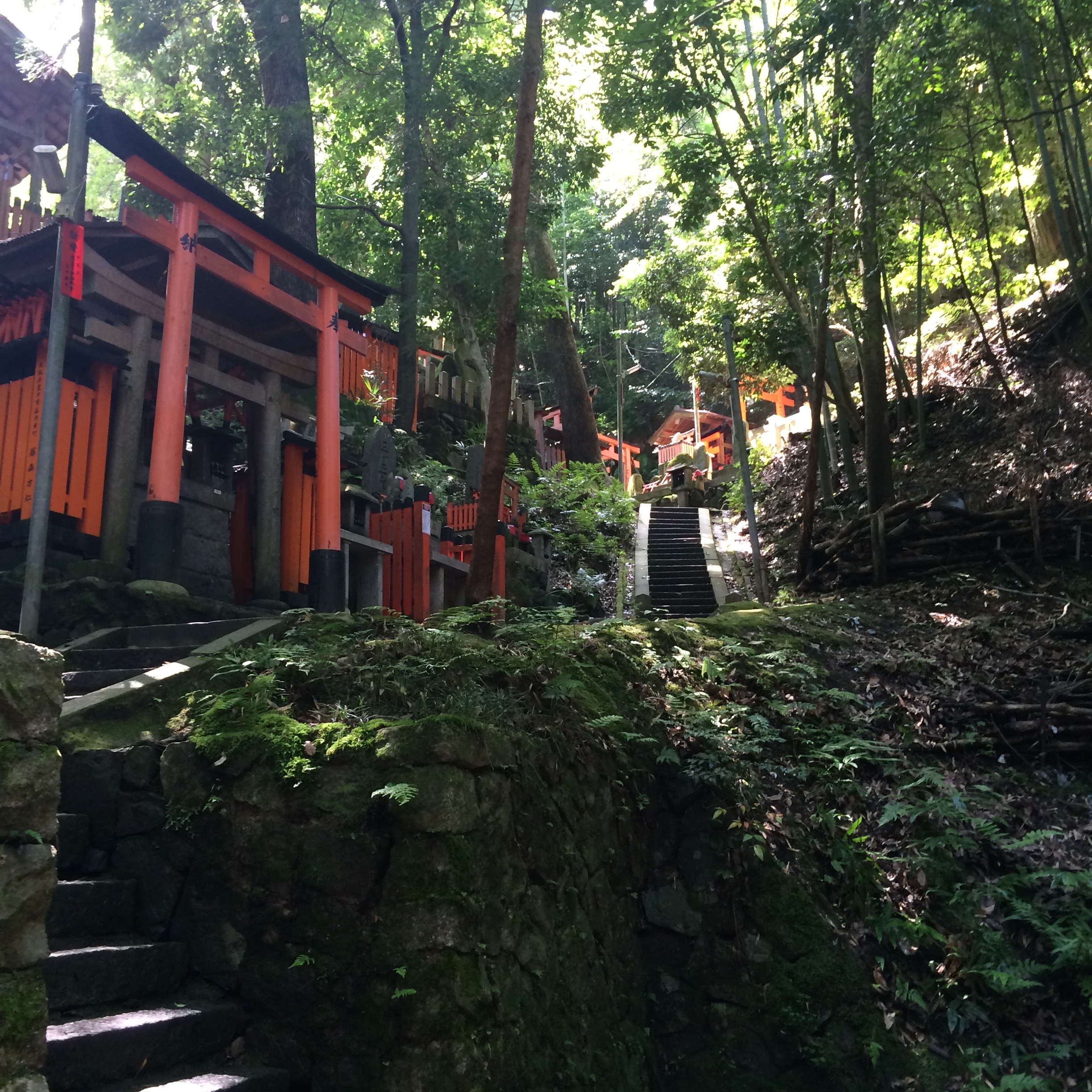
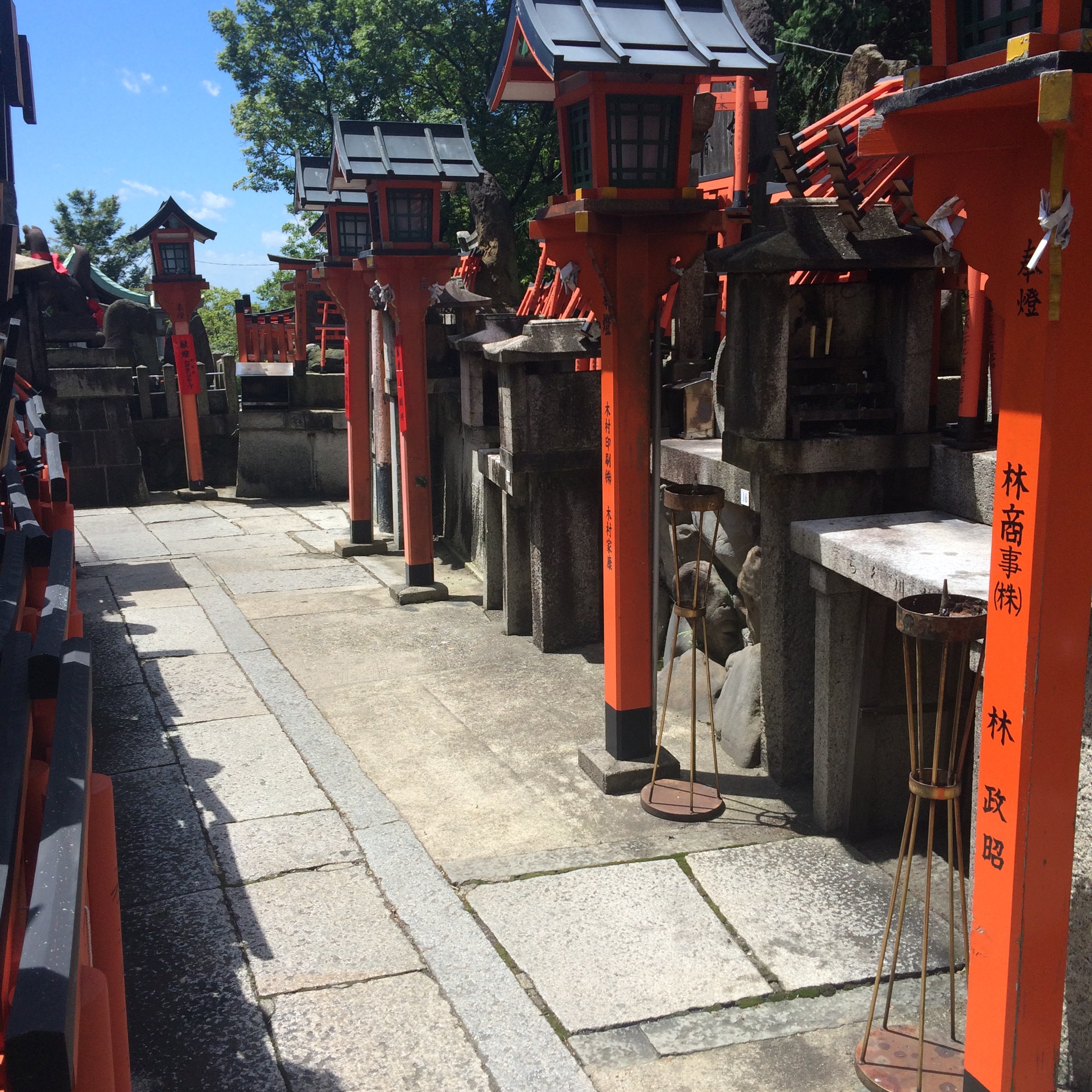
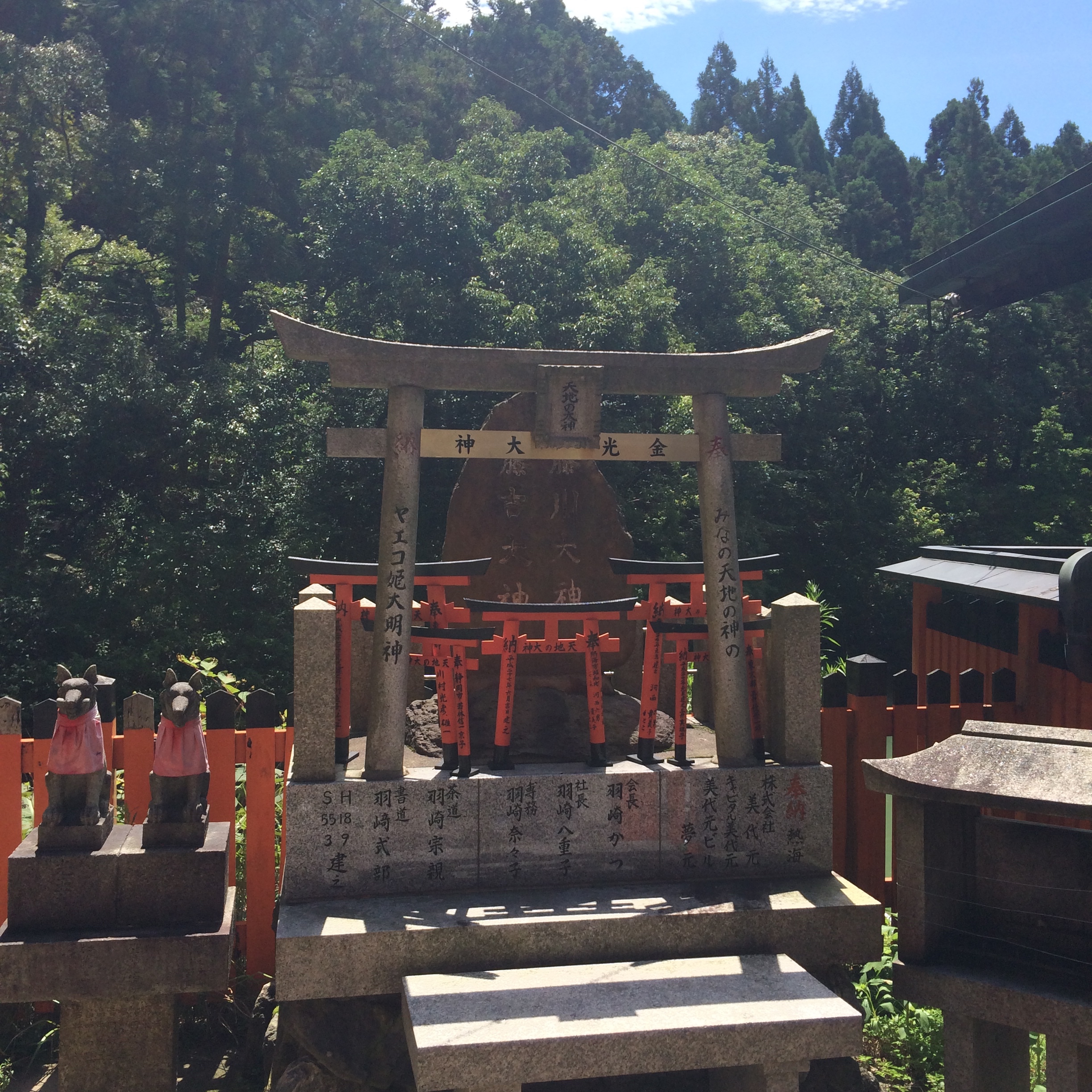
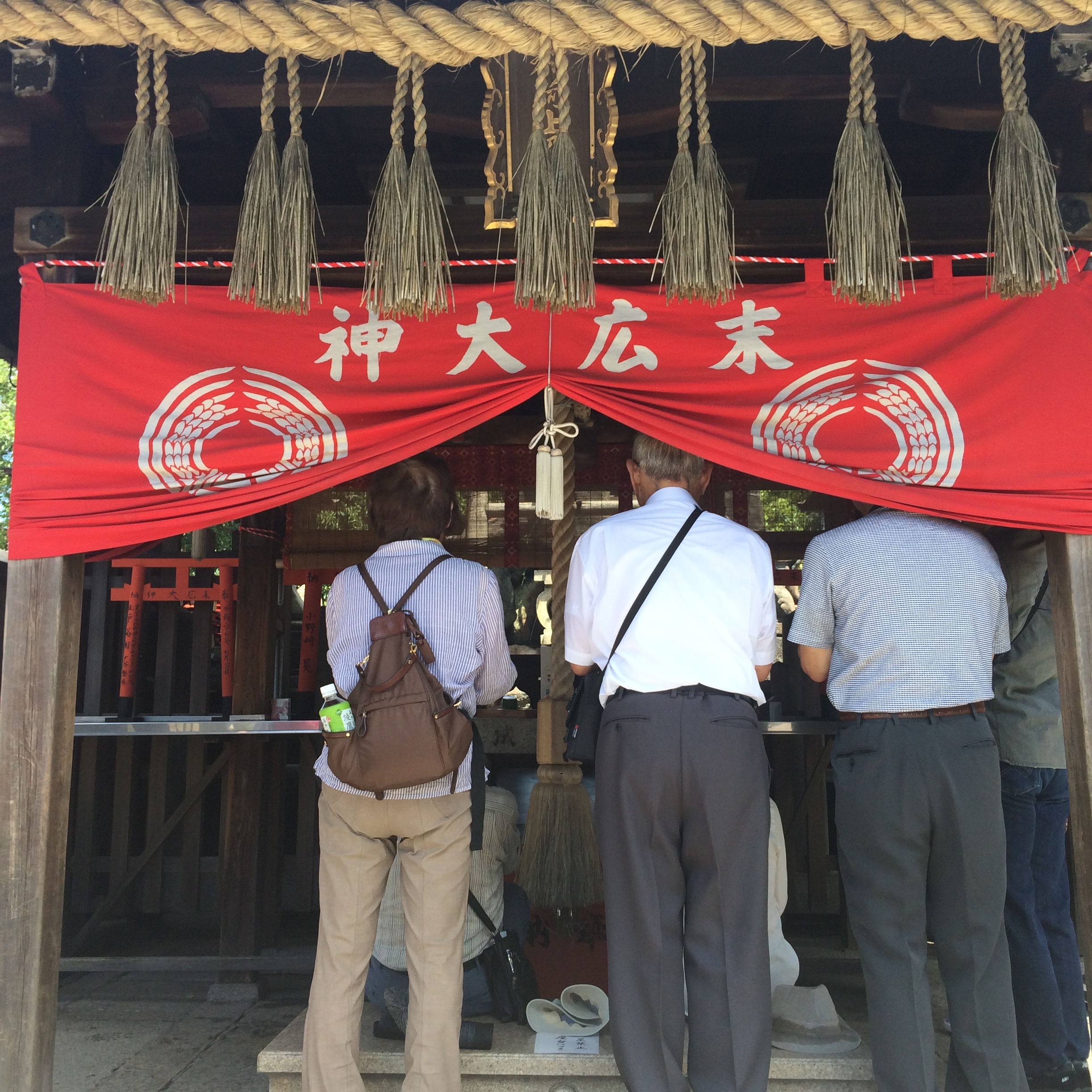
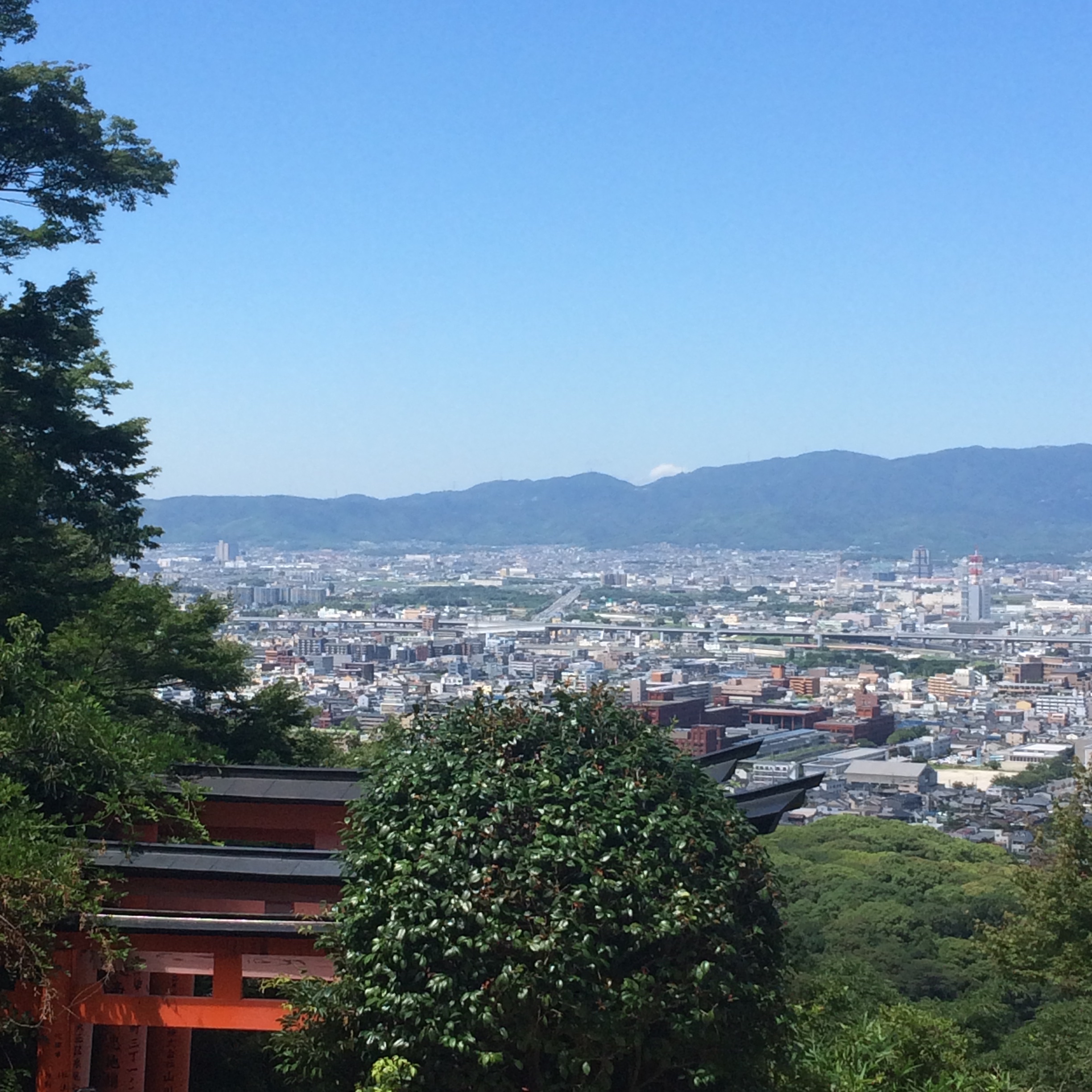
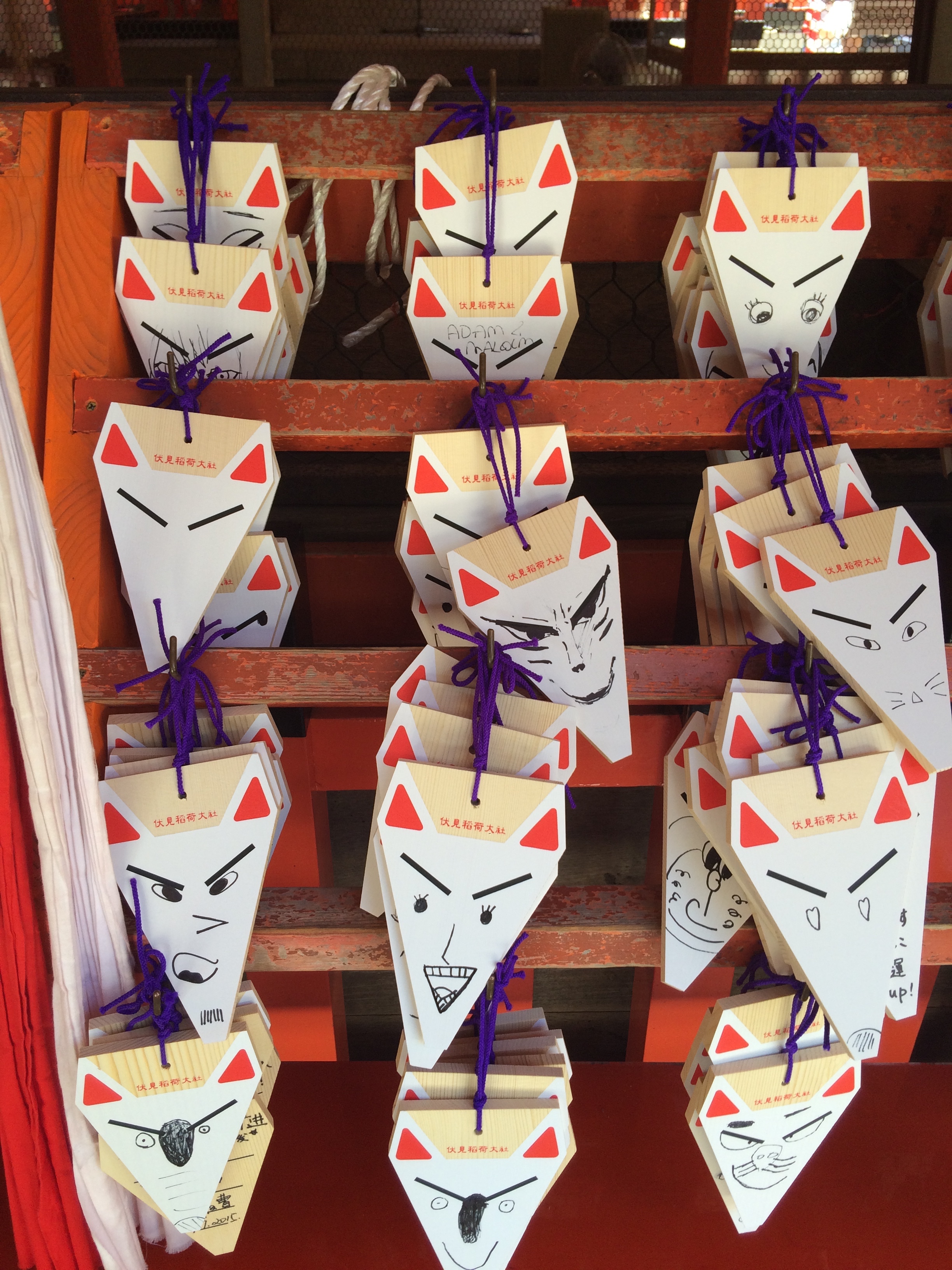
The last big site we took in was Fushimi Inari and its bright orange (vermillion, technically) torii gates, which are probably the most iconic place here. I had seen them in pictures but never knew exactly what it all was. Inari is the god of rice and patron of business, so this is the main shrine paying respect to him, and the gates are the pathway to the main shrine…but there are many other small Shinto shrines along the way. It’s a two-hour walk through all of the gates, but the smaller shrines almost make for little rest stops here and there, some even with shops and restaurants. The fox plays a prominent role in this place, as foxes are viewed as messengers. As such, the wishes and prayers that you could tie on to the shrines here were on fox-head shaped paper. I thought it fitting to use this opportunity to write a wish for what’s to come next for me professionally, seeing as I was writing on a fox and all… This is a larger than life place and I’m so glad we did the hike and got to see it all.

IMG_9002 IMG_8866 IMG_8770 IMG_8839 IMG_8768 IMG_8831 IMG_8794 IMG_8825 IMG_8814 IMG_8828 IMG_8819 IMG_8854

The rich culture and history in Kyoto is so easily felt. I really loved getting to see it all, despite feeling overwhelmed by it at times. I was supposed to spend less time in Kyoto and visit other nearby places as well, but I’m so glad that I decided to extend my time here so that I could really immerse myself and see and do everything that I wanted to. As you might have noticed, this post talked nothing of food, a shock to many I’m sure. I spent lots of time sampling things at the Nishiki market, and ate some other terrific meals in Kyoto, so don’t miss it later this week. Arigato!

IMG_8471

KYOTO:EVERYTHING ZEN…AND SHINTO

KYOTO KAISEKI

IMG_8469

I’ve been in Kyoto the past few days, just 2.5 hours from Tokyo. Kyoto was the last capital in Japan (before it moved to Tokyo where it remains today), and everywhere you look, from street corners to beautifully curated spaces, you’ll see a temple or a shrine…but I’ll get into all that later. There is so much to write about, so I’m just going to focus on some food – one meal actually, our first dinner in Kyoto.

IMG_8390 IMG_9099 IMG_9100

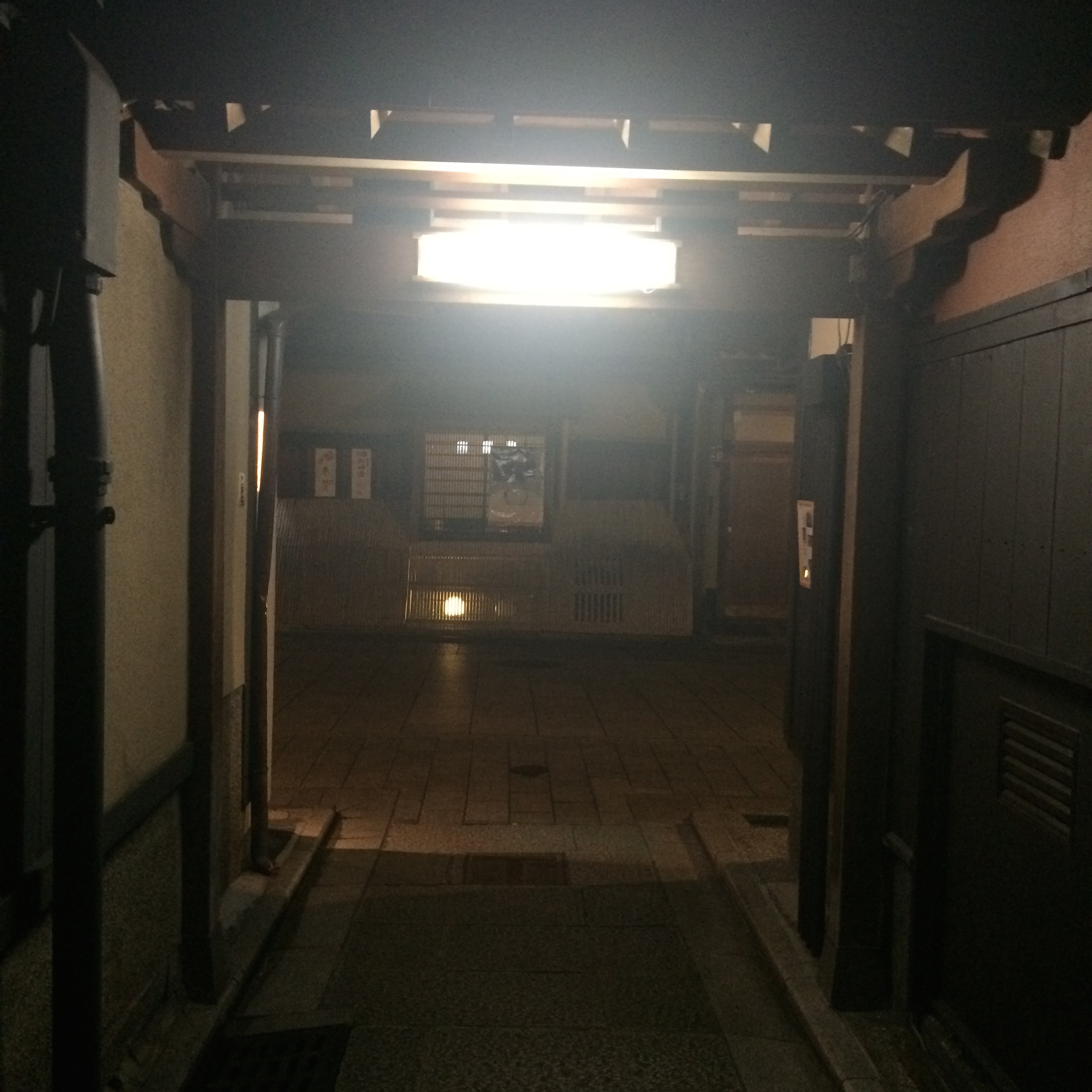
This dinner was a traditional kaiseki meal in the Geisha district of Kyoto – Gion. This area looks straight out of a movie – tiny alley-like streets, nondescript building facades with lit lanterns telling you that they’re open. It took us a couple tries to find the right place (remember these signs aren’t in English!), but with a little help we got there. We slid open the wood door and were met by our hostess and waitress for the night, in full traditional kimono.

IMG_8441

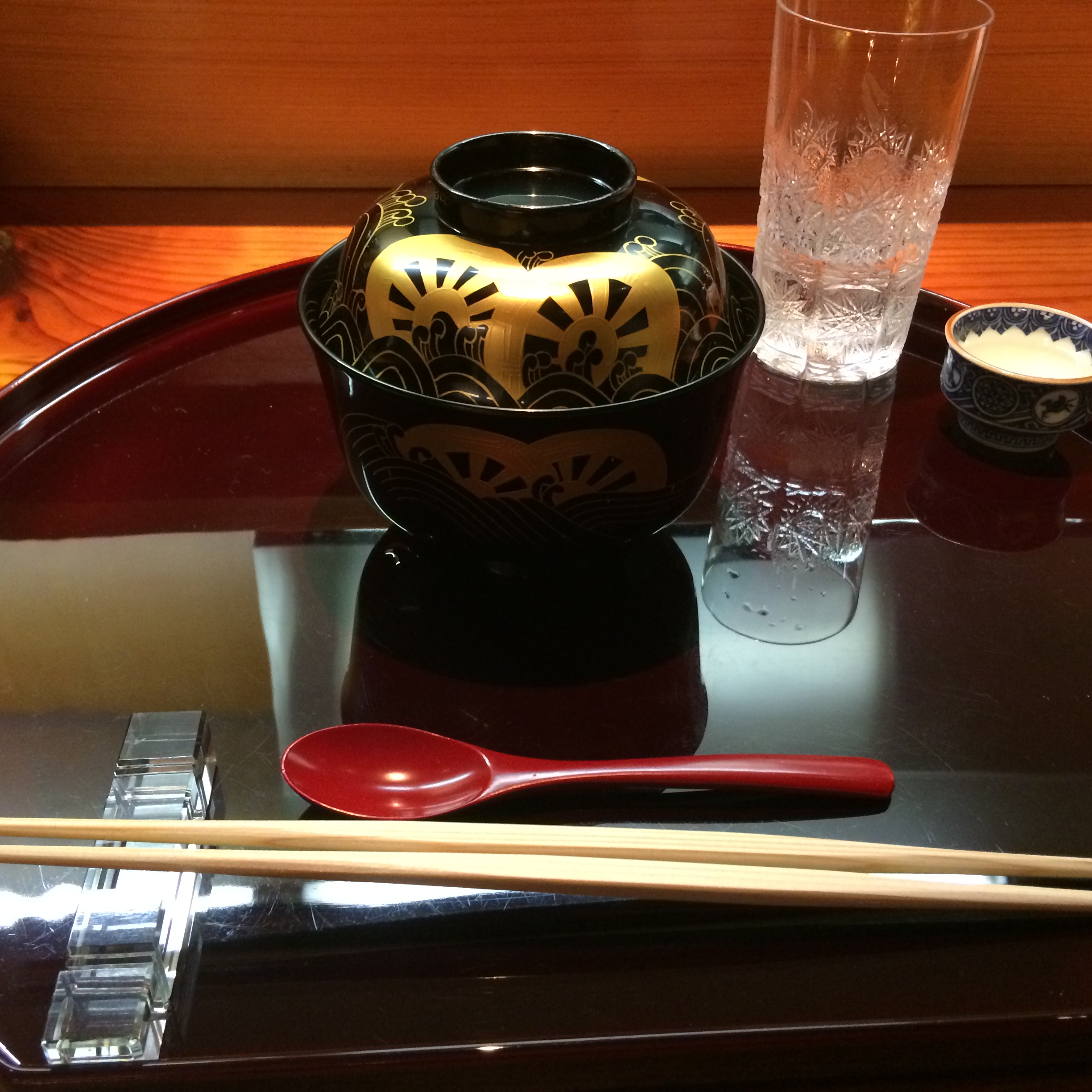
Kaiseki means multi-course Japanese meal, and at Gion Nanba this meant 12-courses. We sat at the bar of this traditional Japanese building, instead of a private tatami-mat room – it was great to see the chefs creating each dish right in front of us! Everything we ate was fresh, local and seasonal – it was truly a memorable meal and experience.

IMG_8433

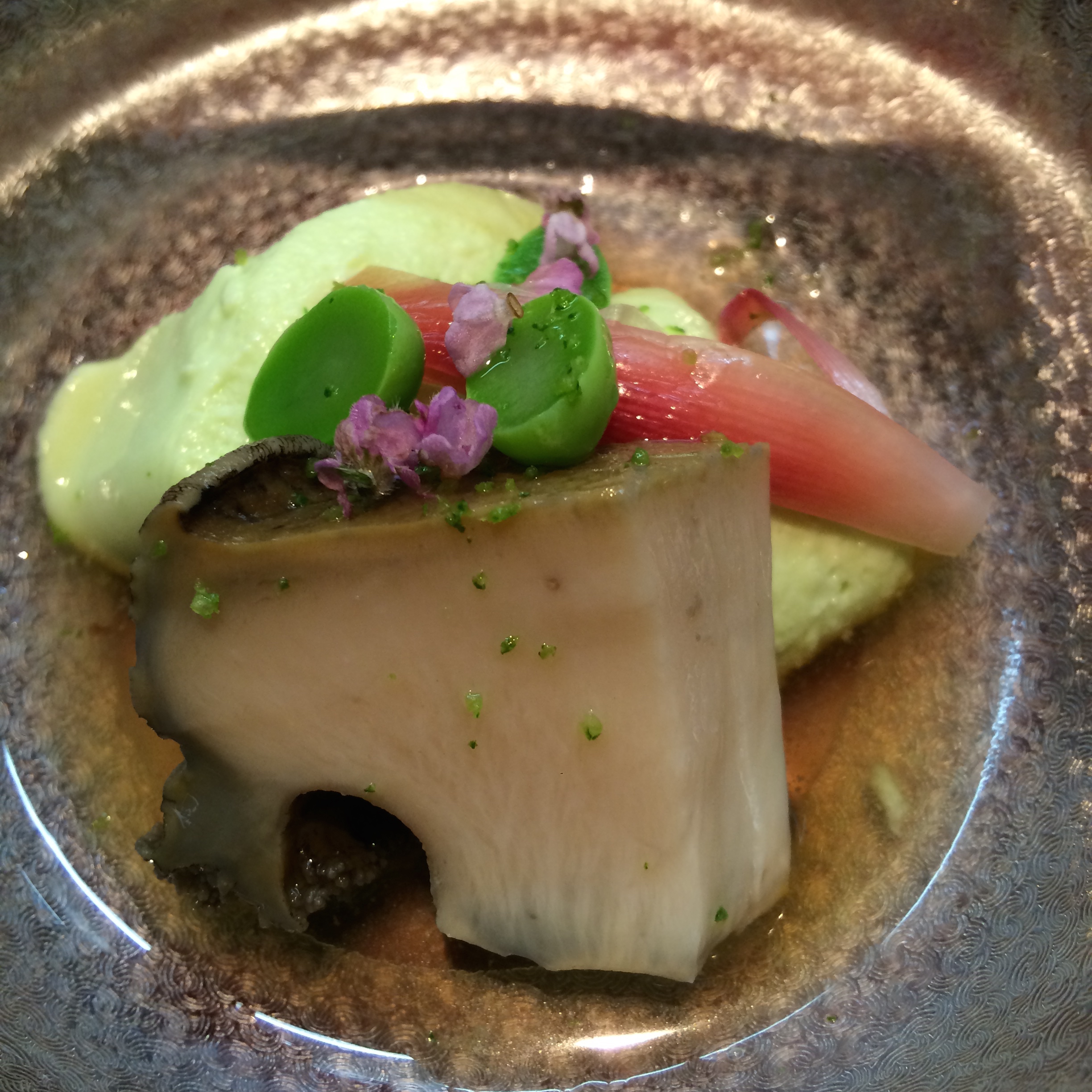
First up was Abalone with an edamame custard, actual edamame and a pickled onion. I don’t think I had ever had abalone before this, glad to add it to the list.

IMG_8391 IMG_8393

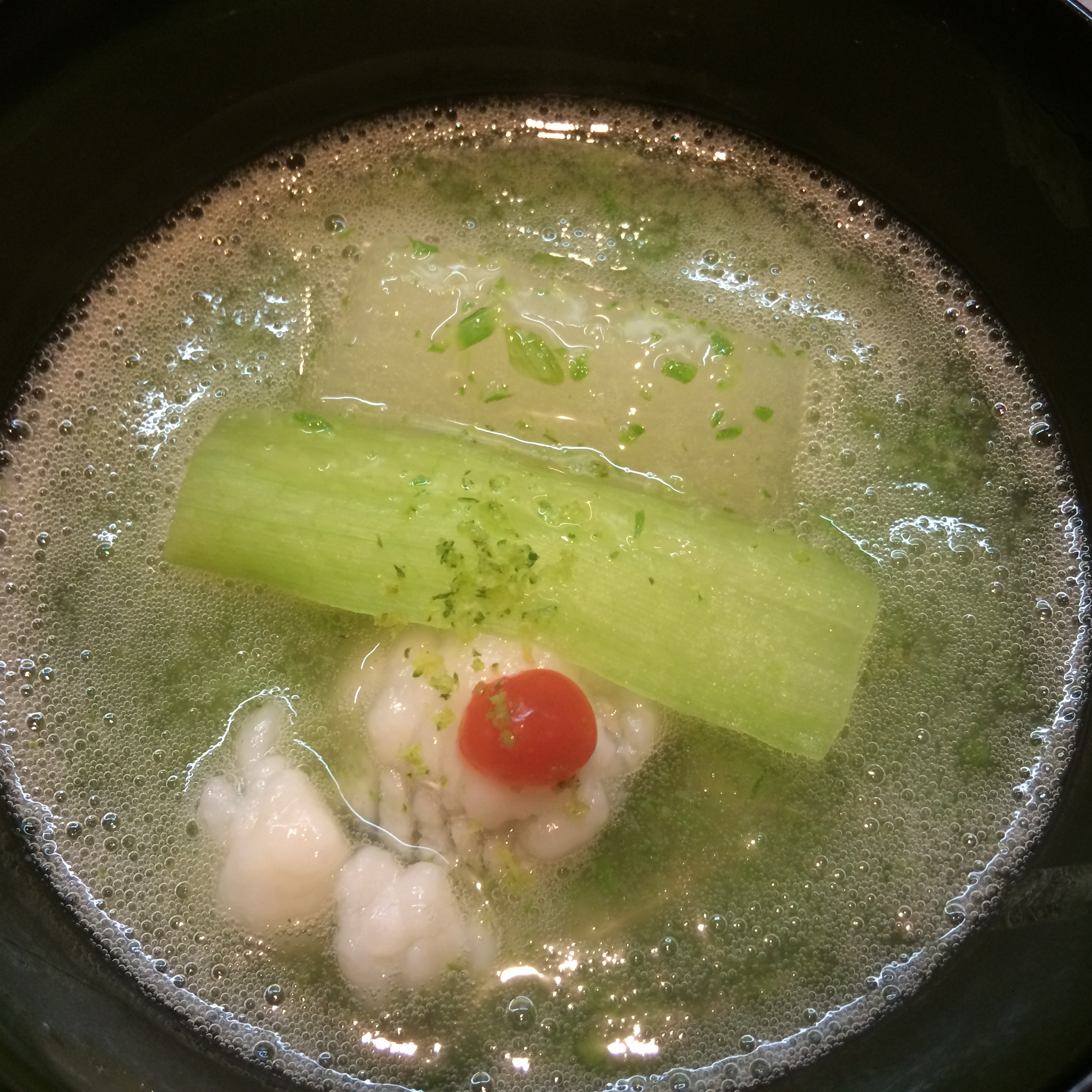
Next we had a soup made from okra, with sea eel (anago), celery and winter melon. Anago seems to be very common in Japan, and I like it so much better than unagi (fresh-water eel).

IMG_8395 IMG_8397

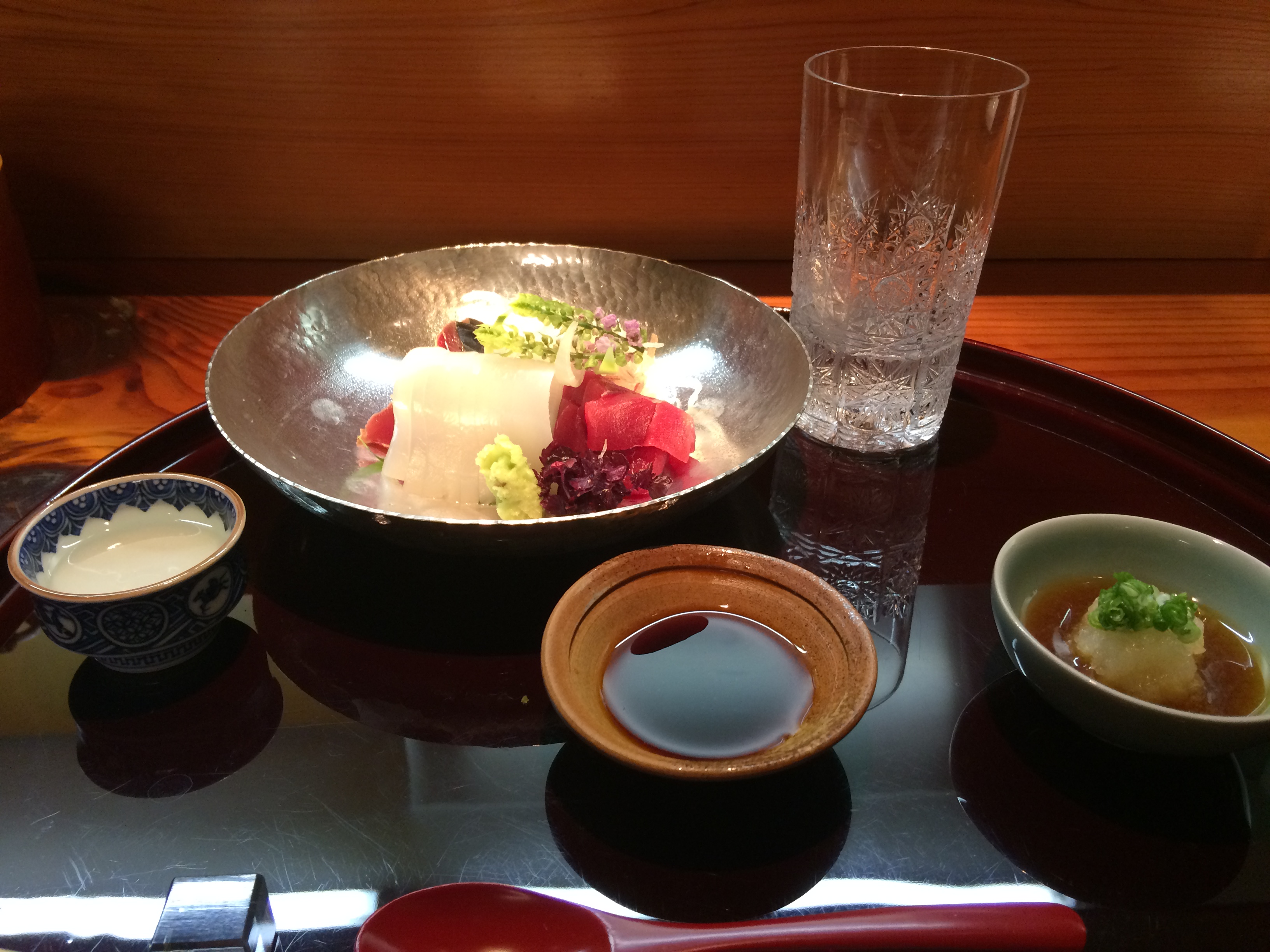
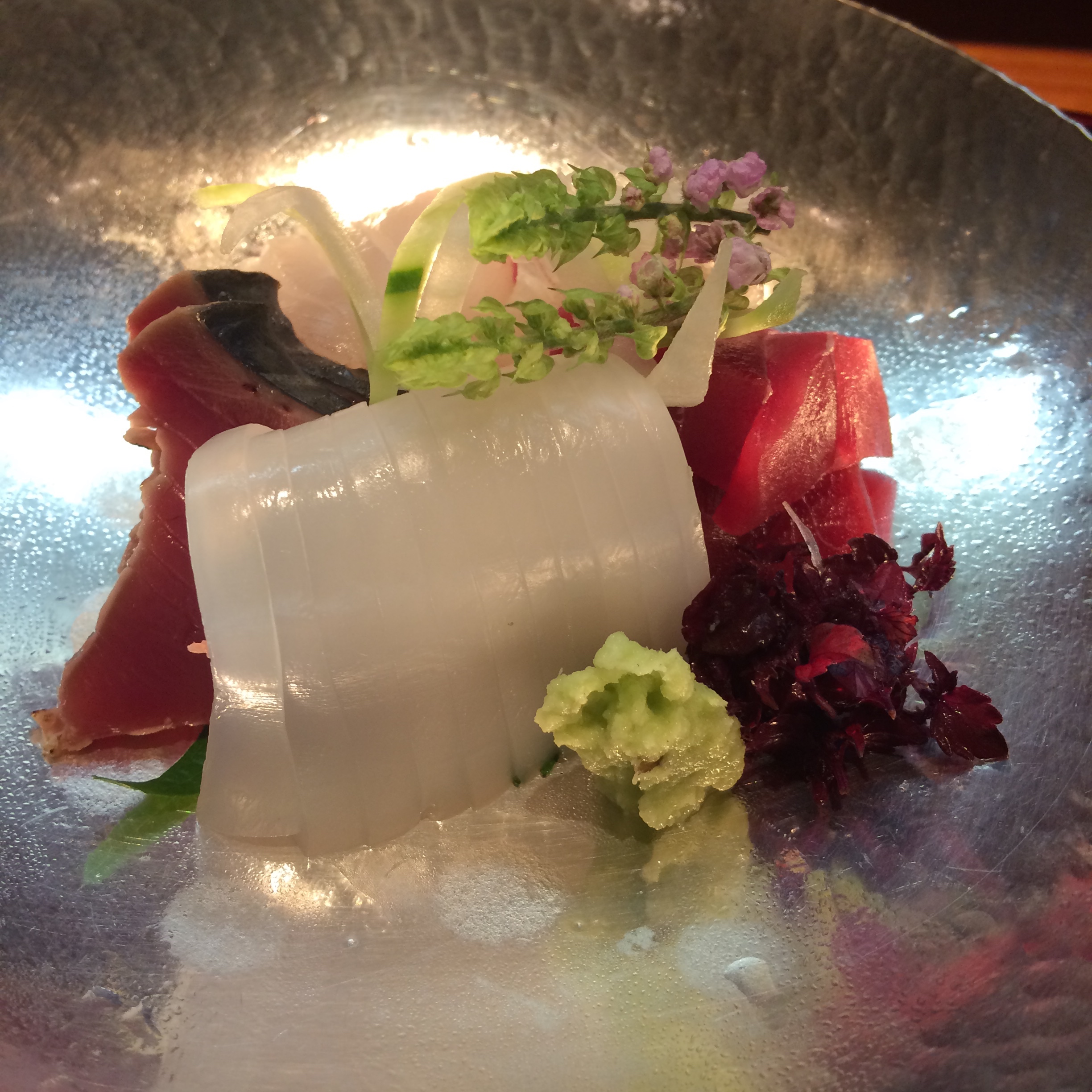
Third course was the sashimi course – tuna, bonito, squid and sea bream with fresh wasabi. So fresh and so clean. And real, grated wasabi is so flavorful and actually has a texture unlike the paste version we eat at home.

IMG_8401 IMG_8404

The meat course was Wagyu, of course, with ponzu and fresh wasabi. If you look close enough at this photo you can see the marbling of the meat – so delicious!

IMG_8408  IMG_8405

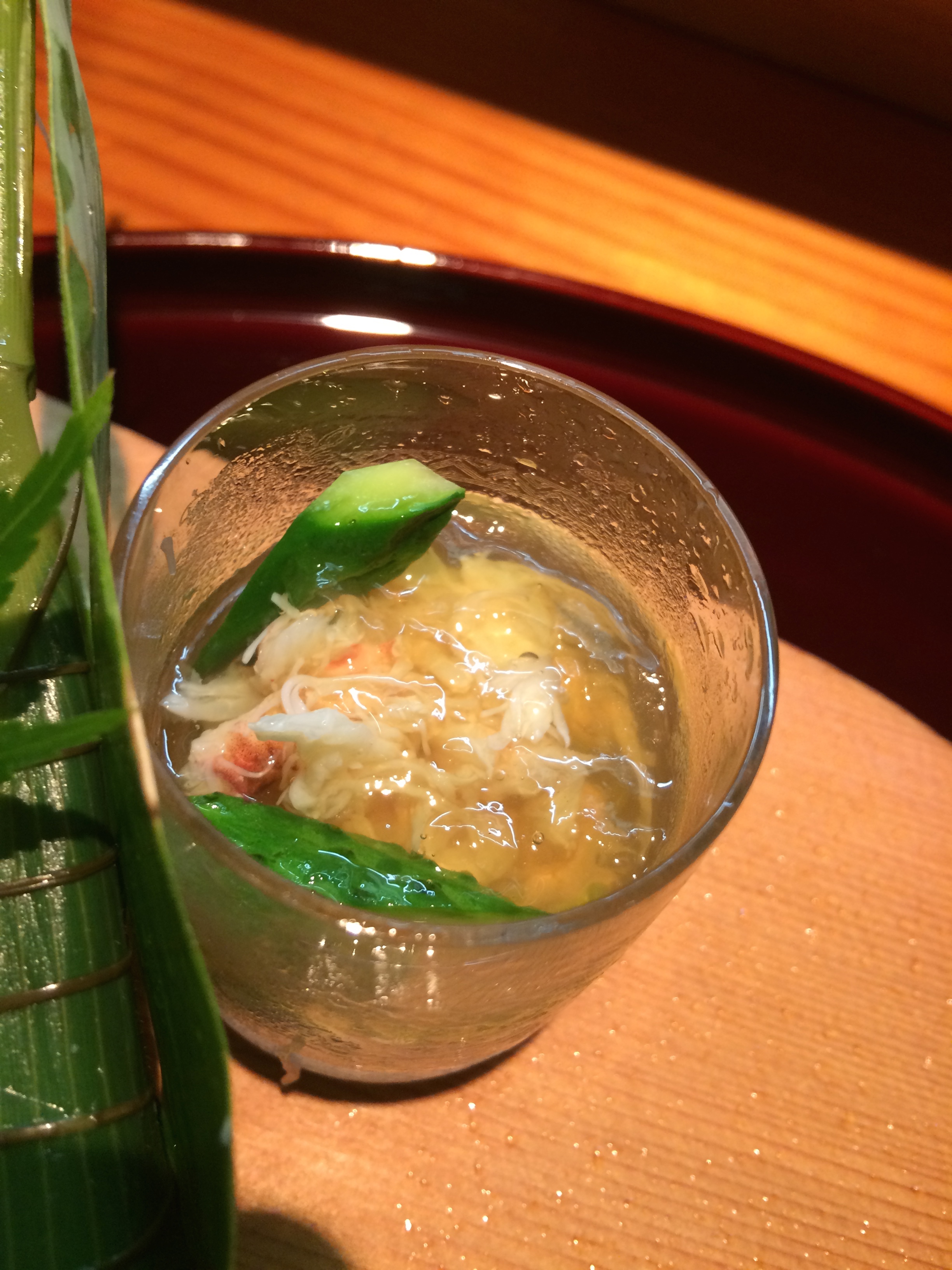
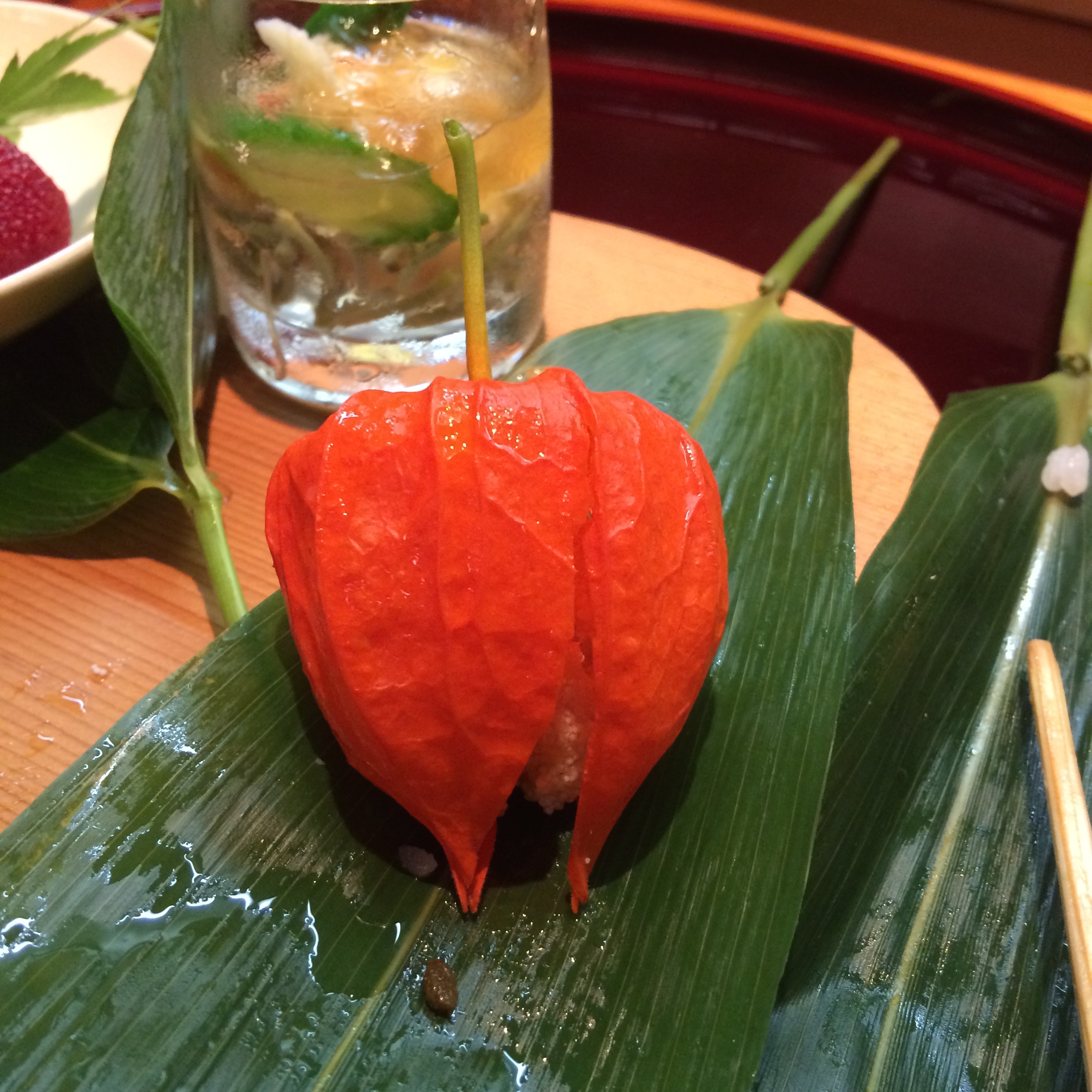
This next plate was so intricate and beautiful. There was a conical leaf-wrapped present with a piece of sushi inside. This present was tied with string so precisely and yet it was so delicate. A shot of crab with cucumber and a gelatinous sea-plant that reminded me in a way of chia seeds (the gelatinous part, at least). Lastly a small dish with a slice of amazingly sweet sweet potato, a mountain peach (yamamomo…WOW!), a tempura-fried piece of fish, and a decorative lantern flower filled with egg and rice.

IMG_8416 IMG_8422 IMG_8418 IMG_8423

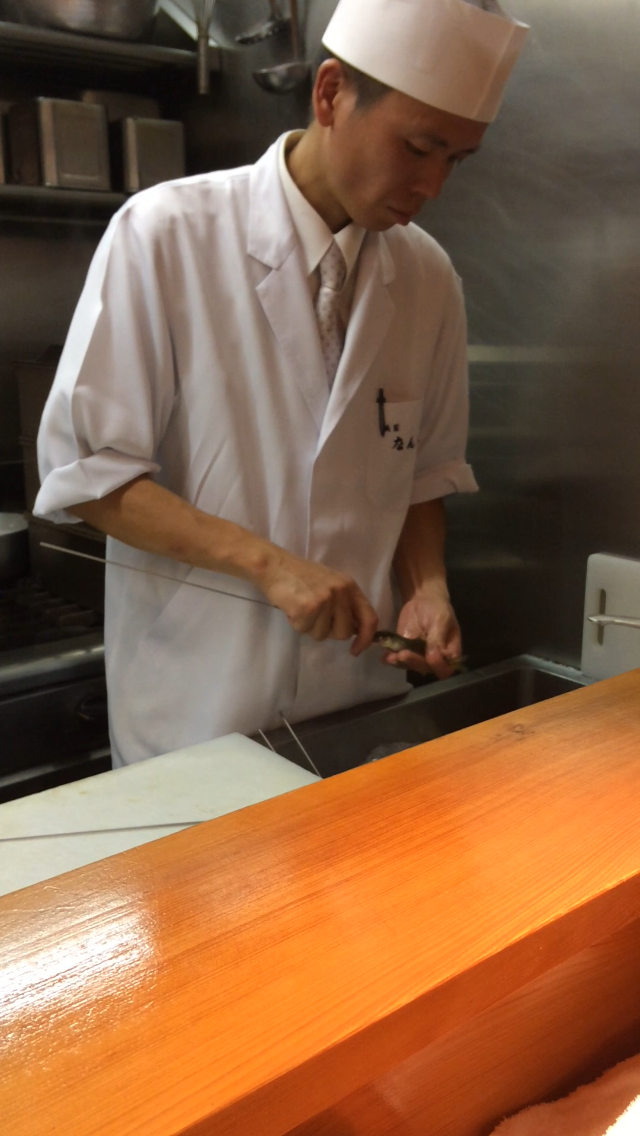
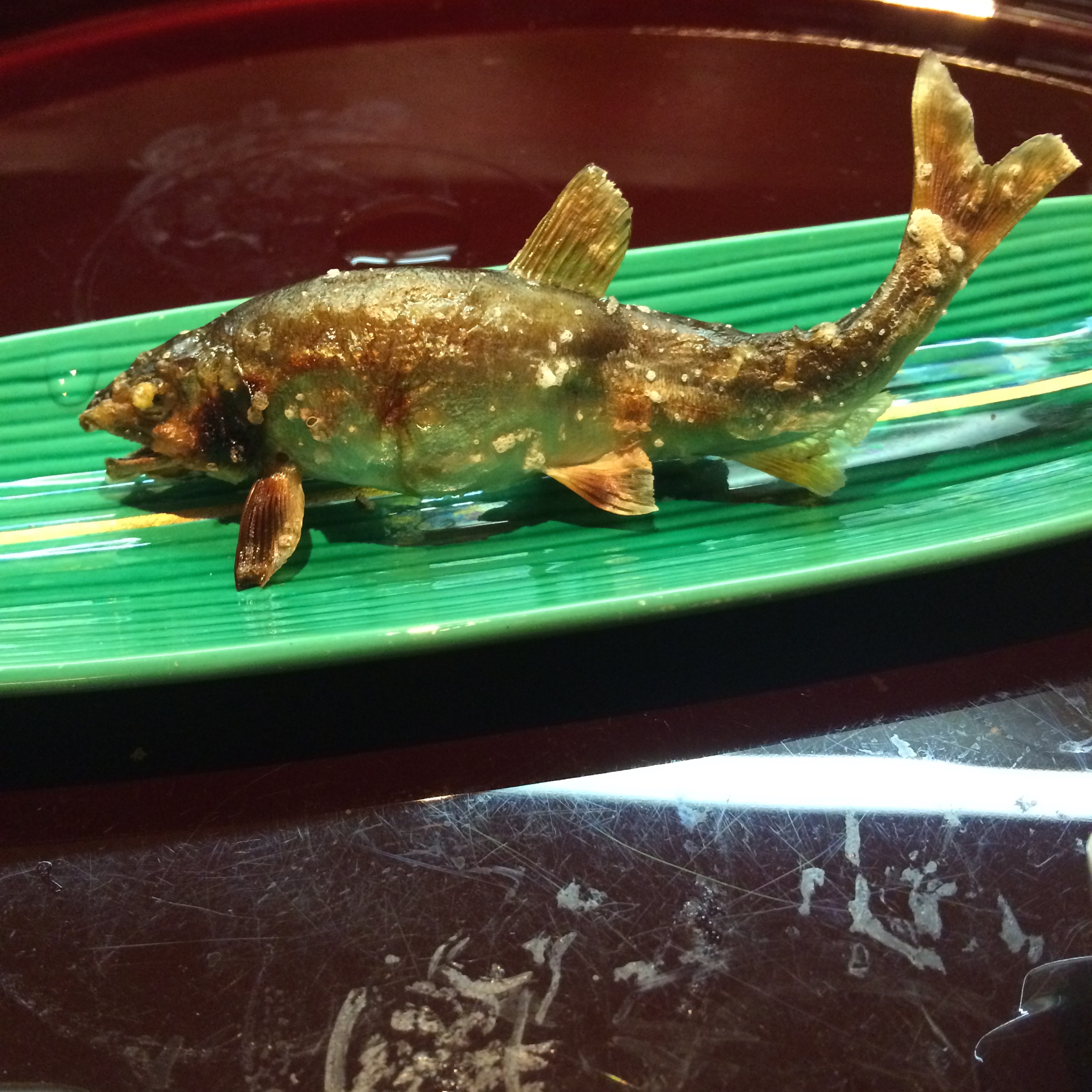
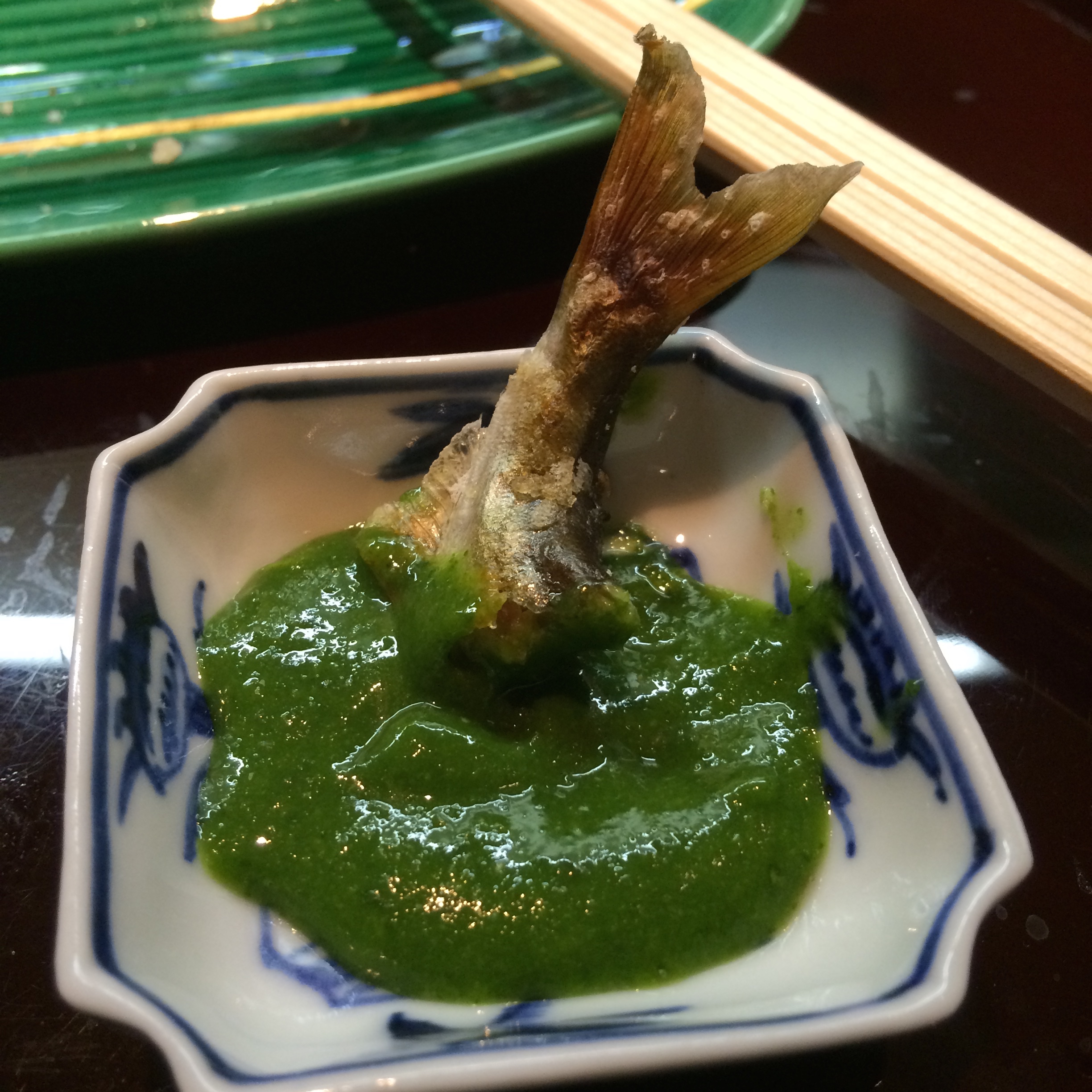
The 6th course was one that we had anticipated for a while because we watched it’s creation. A few courses before we saw one of the chefs holding live fish, and quickly skewering them and putting them into the oven to cook. I have to admit, I somewhat dreaded this course but honestly these sweet fish and the dipping sauce that came with it were pretty damn good.

IMG_9108 IMG_8424 IMG_8427IMG_8428

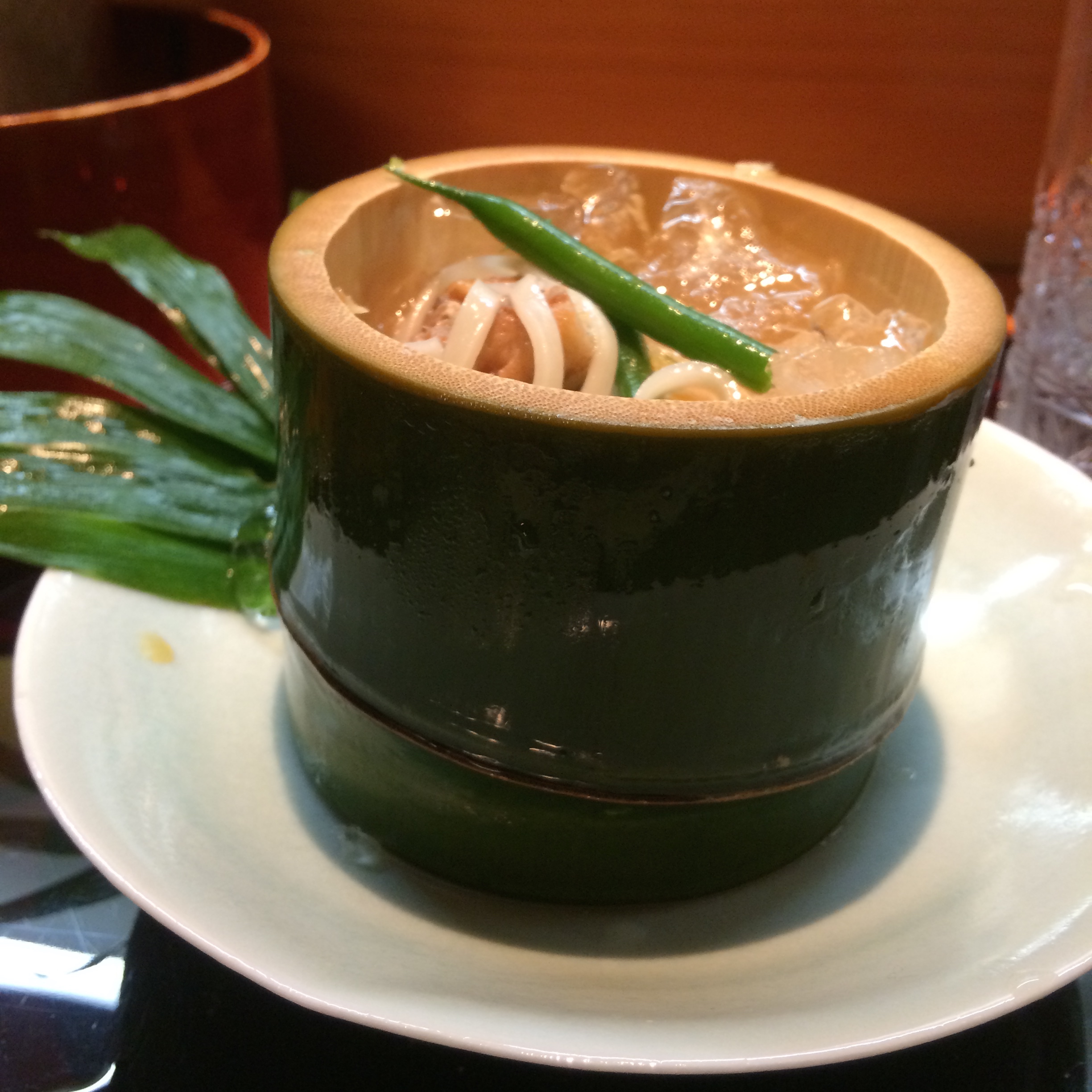
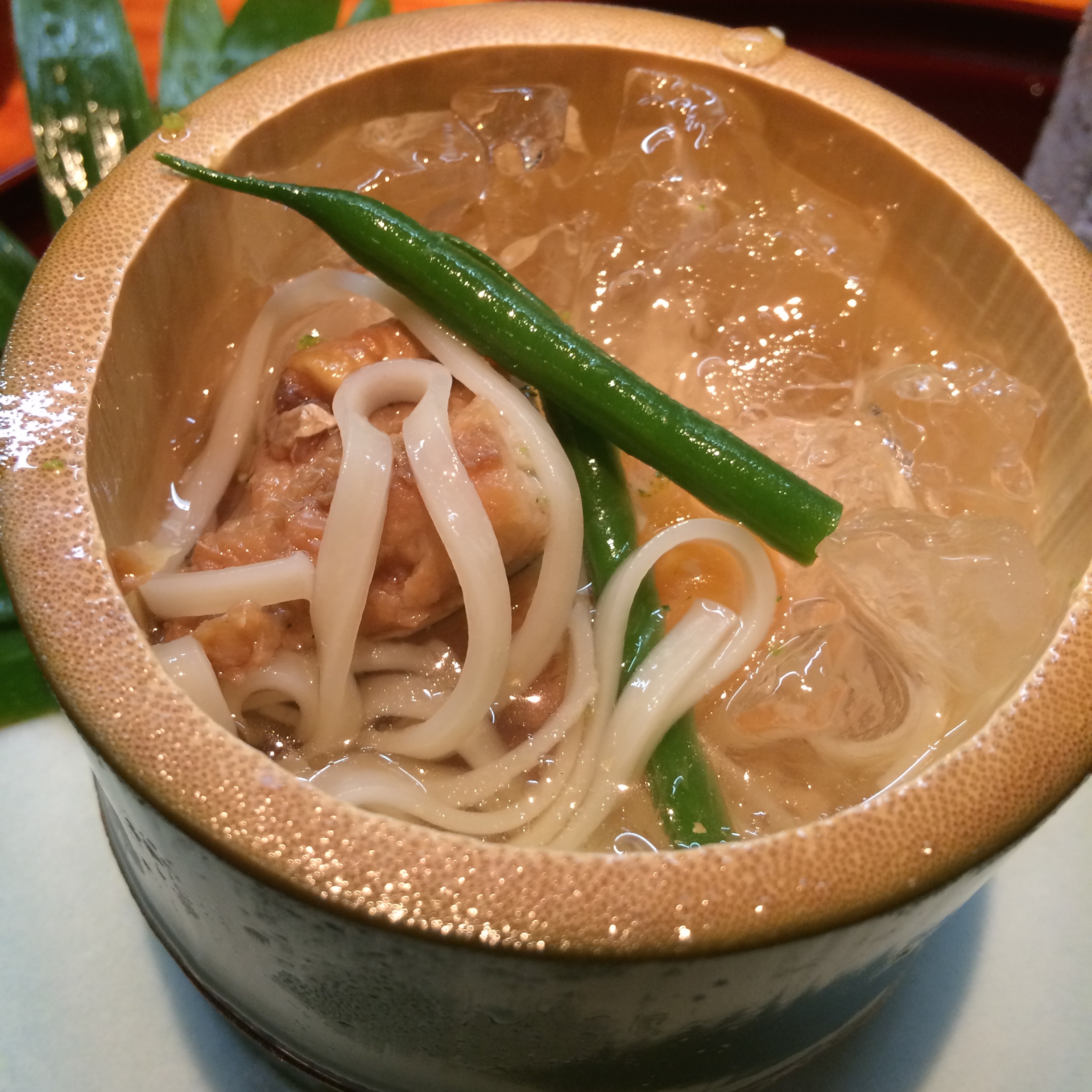
Next up, served in bamboo, were fresh noodles with sea bean, abalone, and an egg. Noodles etc. were to be removed from their ice bath, plunged into the dipping sauce of soy sauce and sesame seeds and eaten.

IMG_8430 IMG_8431

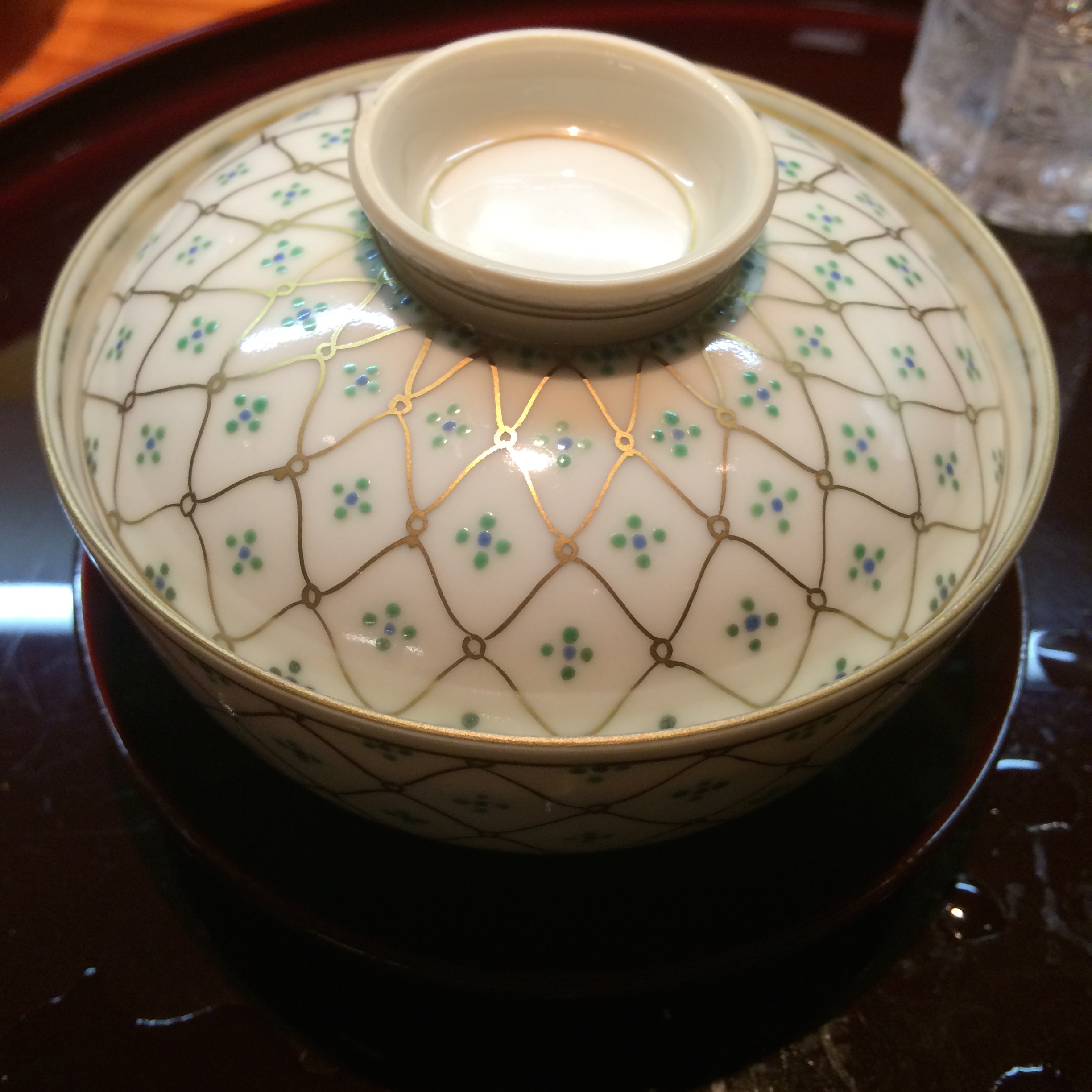
The last soup dish was one of sea bream, lotus root and chestnuts. I loved the chestnuts hidden at the bottom and the flavor of the lotus root in this almost porridge-like soup.

IMG_8434 IMG_8435

The last savory course was traditional – pickled vegetables (very big here), sticky rice with chestnuts (in season here in Japan), miso soup, and tea.

IMG_8437 IMG_8439    IMG_8440 IMG_8438

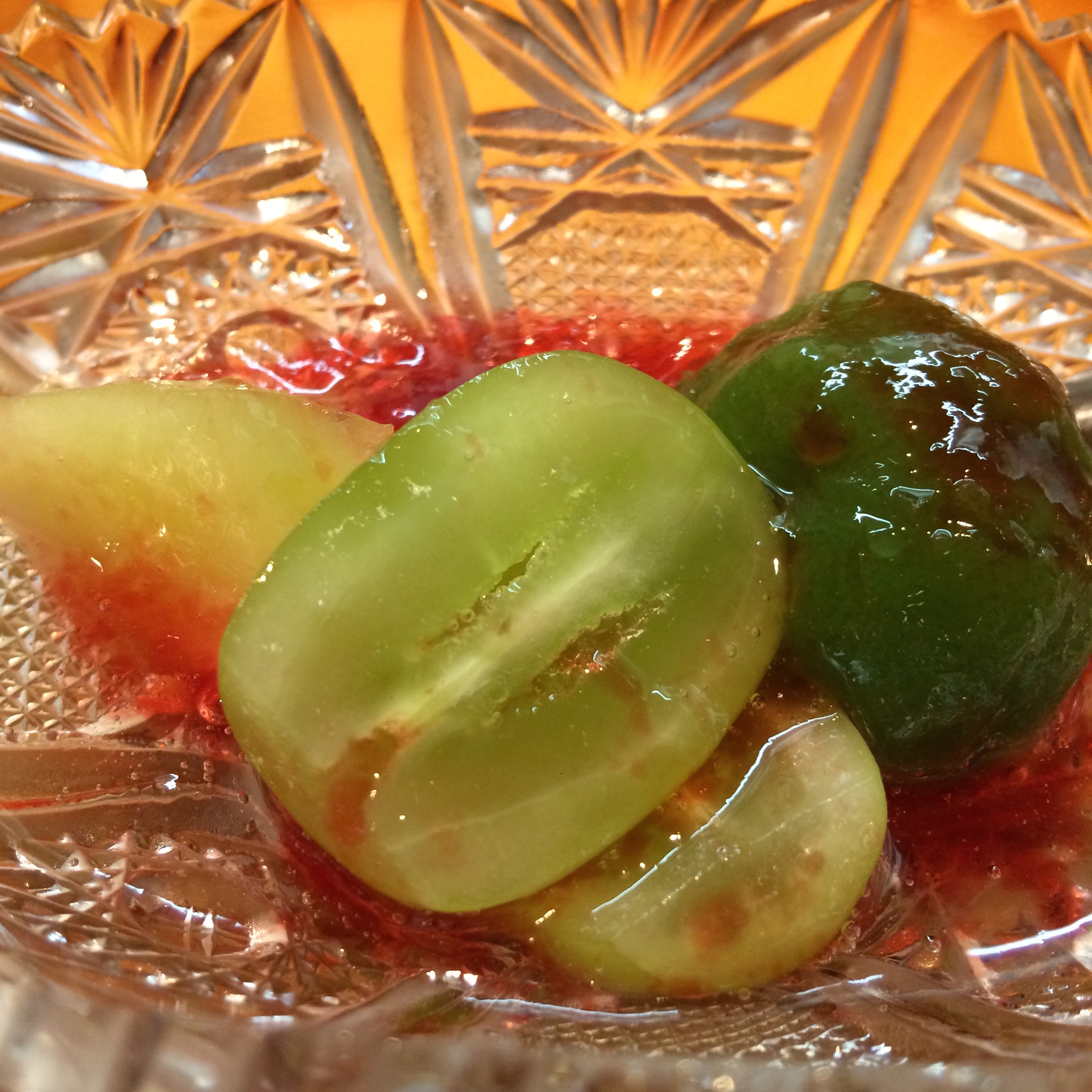
Dessert began with fruit: Japanese apricot, a green grape and melon in wine jelly. The Japanese take their fruit very seriously, so these small selections were fantastically flavorful.

IMG_8443 IMG_8445

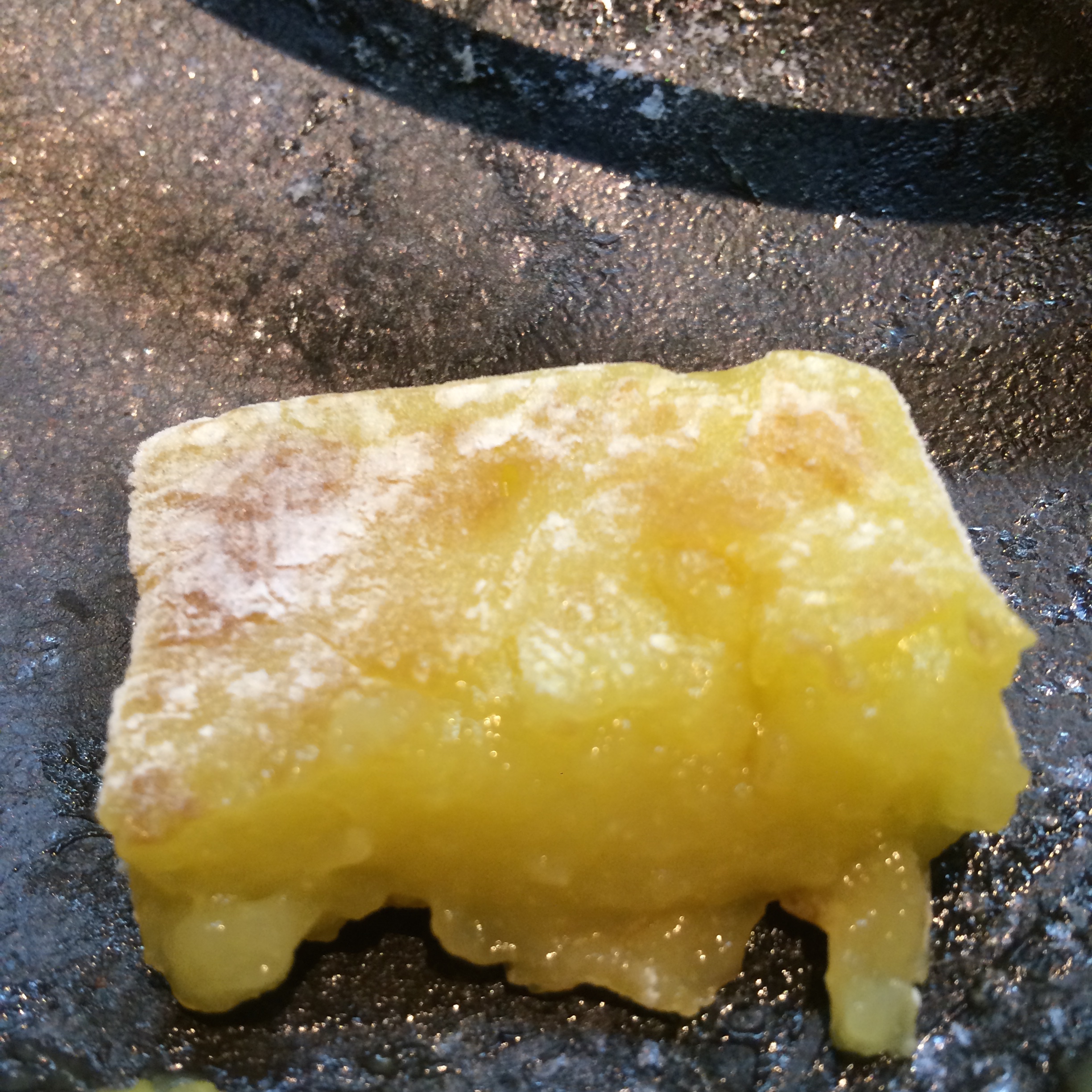
Kaiseki desserts end with a “dry” sweet, which in this case ended with a  twist on mochi, which is all over Kyoto. This was a homemade sweet corn mochi, served warm. It’s been a couple of days since this meal and I’m still thinking about this really unique dessert. I wish it was more commonplace so I could go buy some at the market here – that corn flavor was creamy and perfect.

IMG_8448 IMG_8449

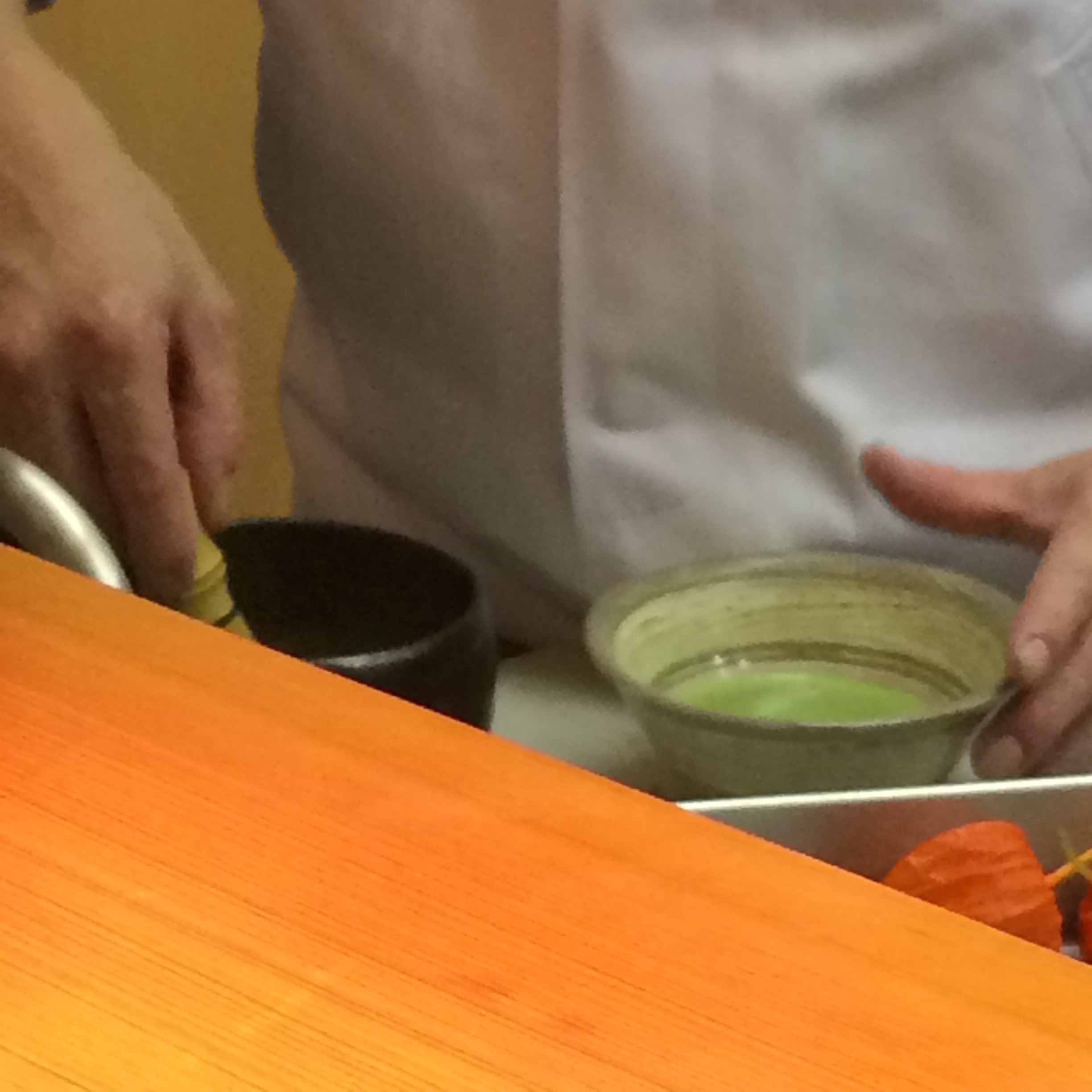
The meal came to a close with traditional Matcha Green Tea. Chef whisked this high-grade green-tea powder for a few minutes to create this bowl of tea. Like so many things here, it is all part of the ritual and tradition. Look at that deep green color!

IMG_8411 IMG_8412 IMG_8450 IMG_8453

This was such a great way to kick off our time in Kyoto. I loved the setting for this meal, all of the beautiful dishes used for each course, and just getting to understand the traditional foods and styles of Kyoto. There is so much more where this came from – temples and monkeys and gardens, and a lot more food – so stay tuned.

KYOTO KAISEKI

TOKYO: OVERSTIMULATION

IMG_7931
Writing to you from that building…

It’s been 2 more days, and we’ve done so much walking and exploring, yet somehow I feel like there is no way to ever really feel like you’ve seen it all here…because there is something new to see and taste around every corner. Every nook and cranny of this city is utilized, and it’s so cool to see how these tiny spaces are filled and used. Whether there’s a shrine hidden in between buildings, a tiny space invader staring at you amidst the other visual noise of the city, or a great shop or restaurant in what seems so clearly like an alley, it’s always something.

IMG_7900 IMG_7903

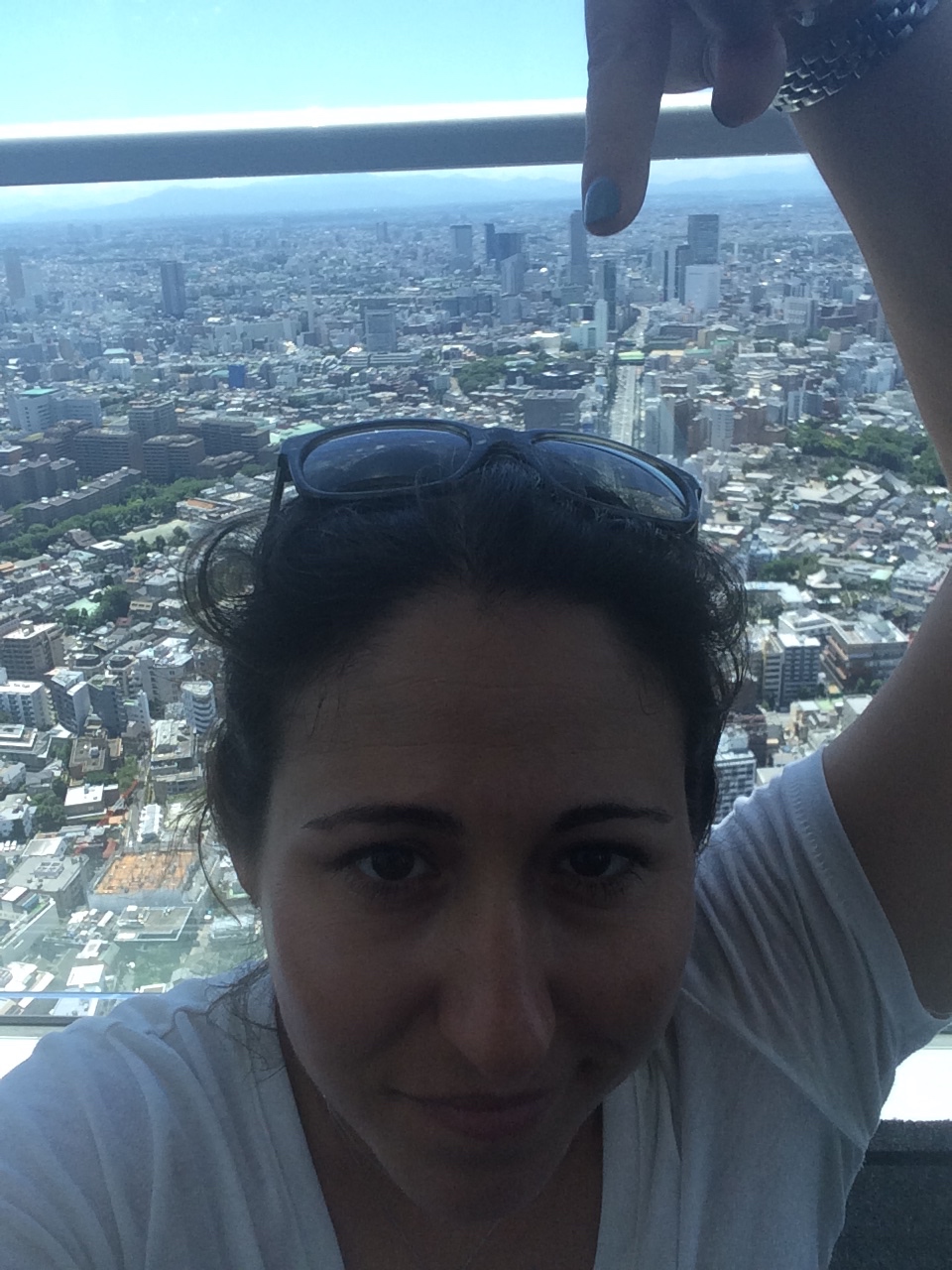
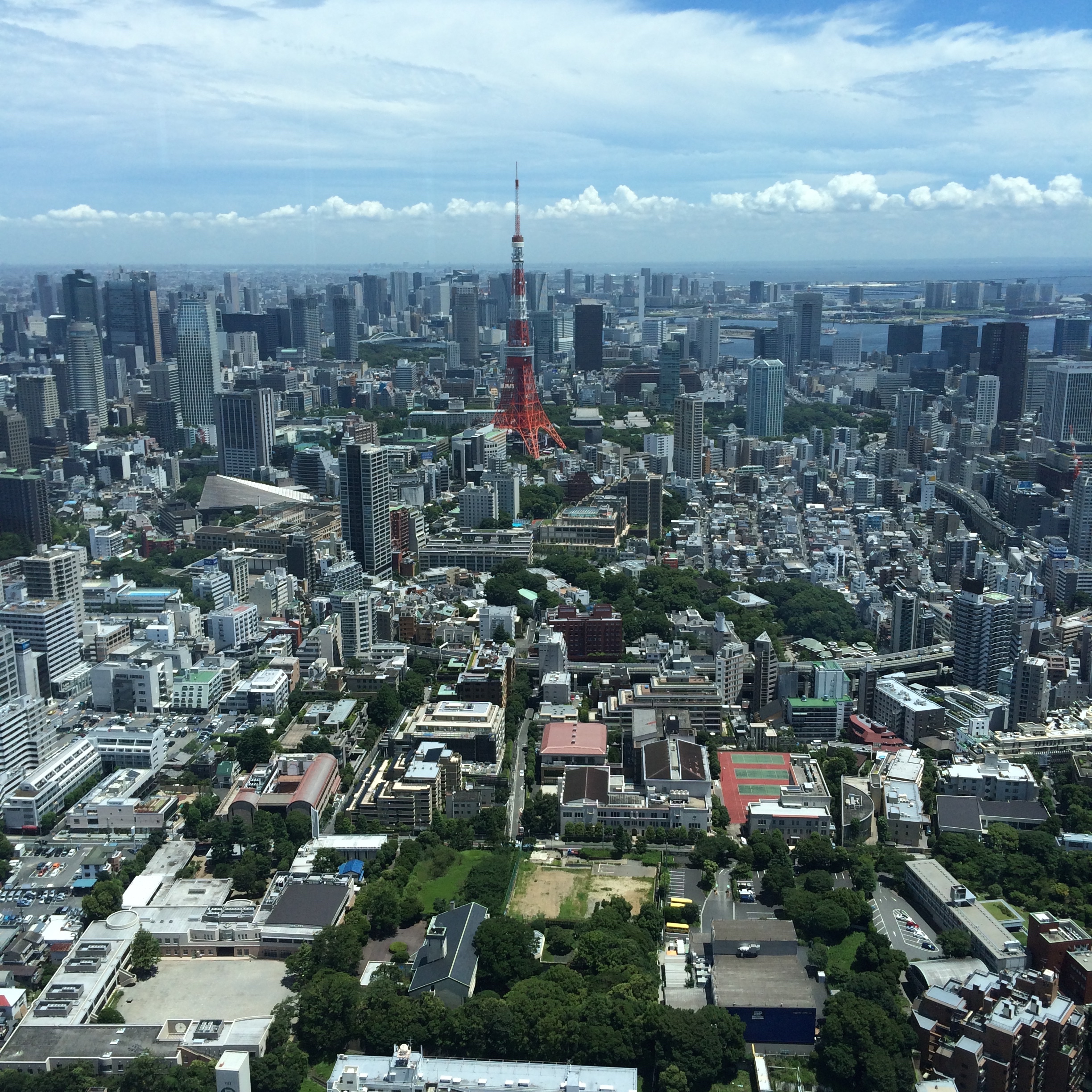
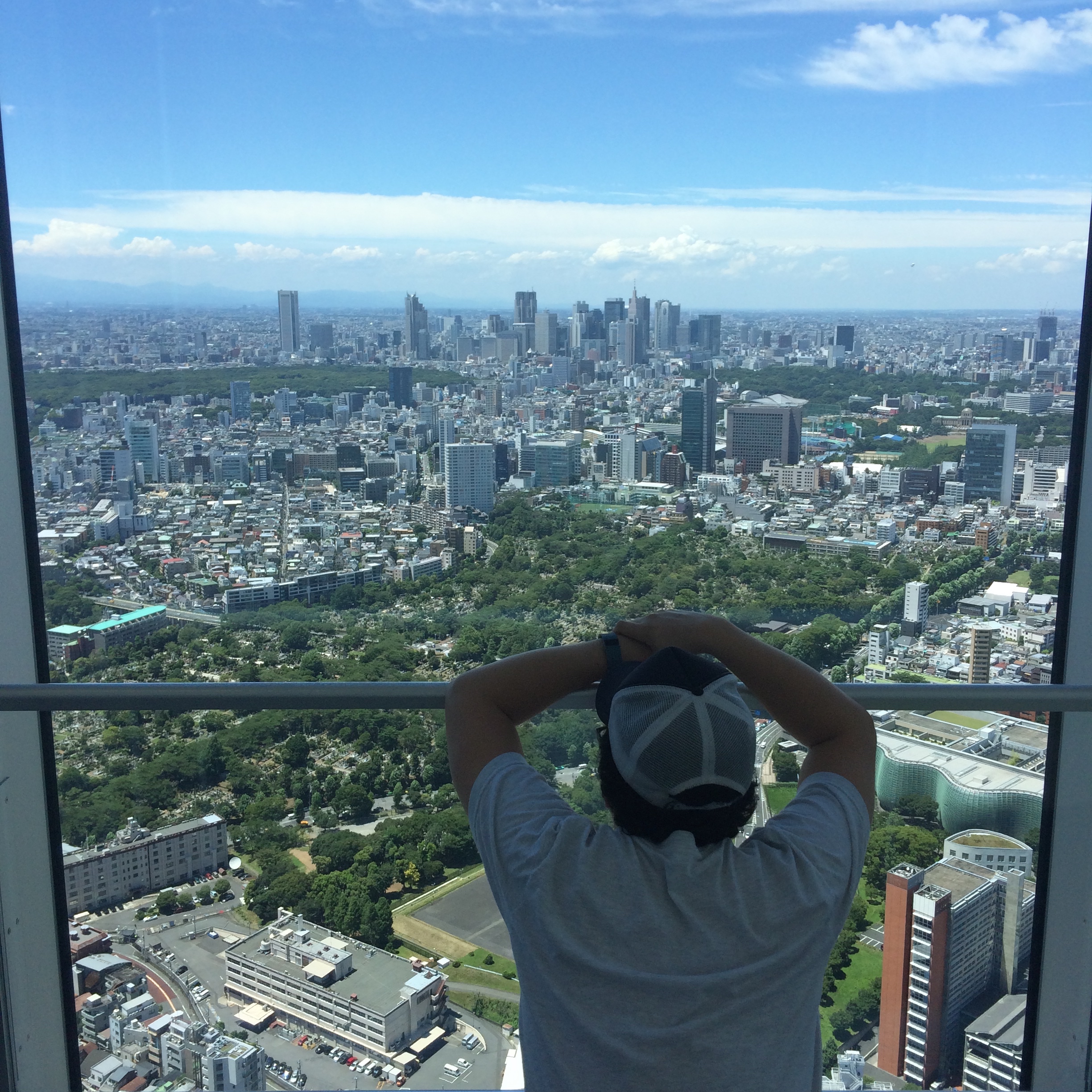
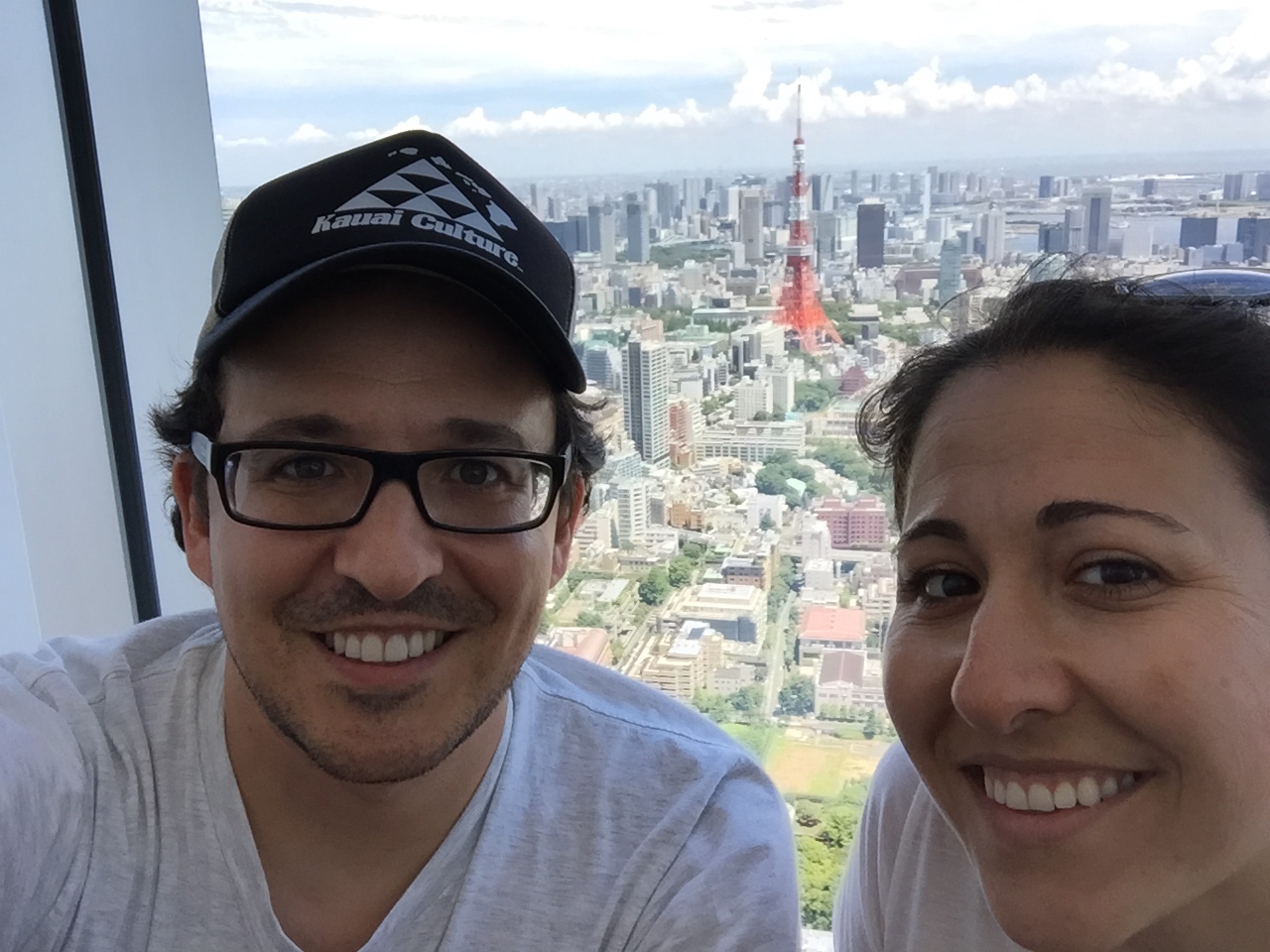
I was ready to take a step back, or up, and get some perspective and my bearings. On the 52nd floor of the Mori Tower in Roppongi I could see the entire city. Now that I had seen a lot of the city up close it was cool to see it from up high and really be able to put the puzzle of how this city is laid out together. We could easily see the Tokyo Tower, Sky Tree, my brothers building in Shibuya, and even a tiny glimpse of Mt. Fuji in the distance.

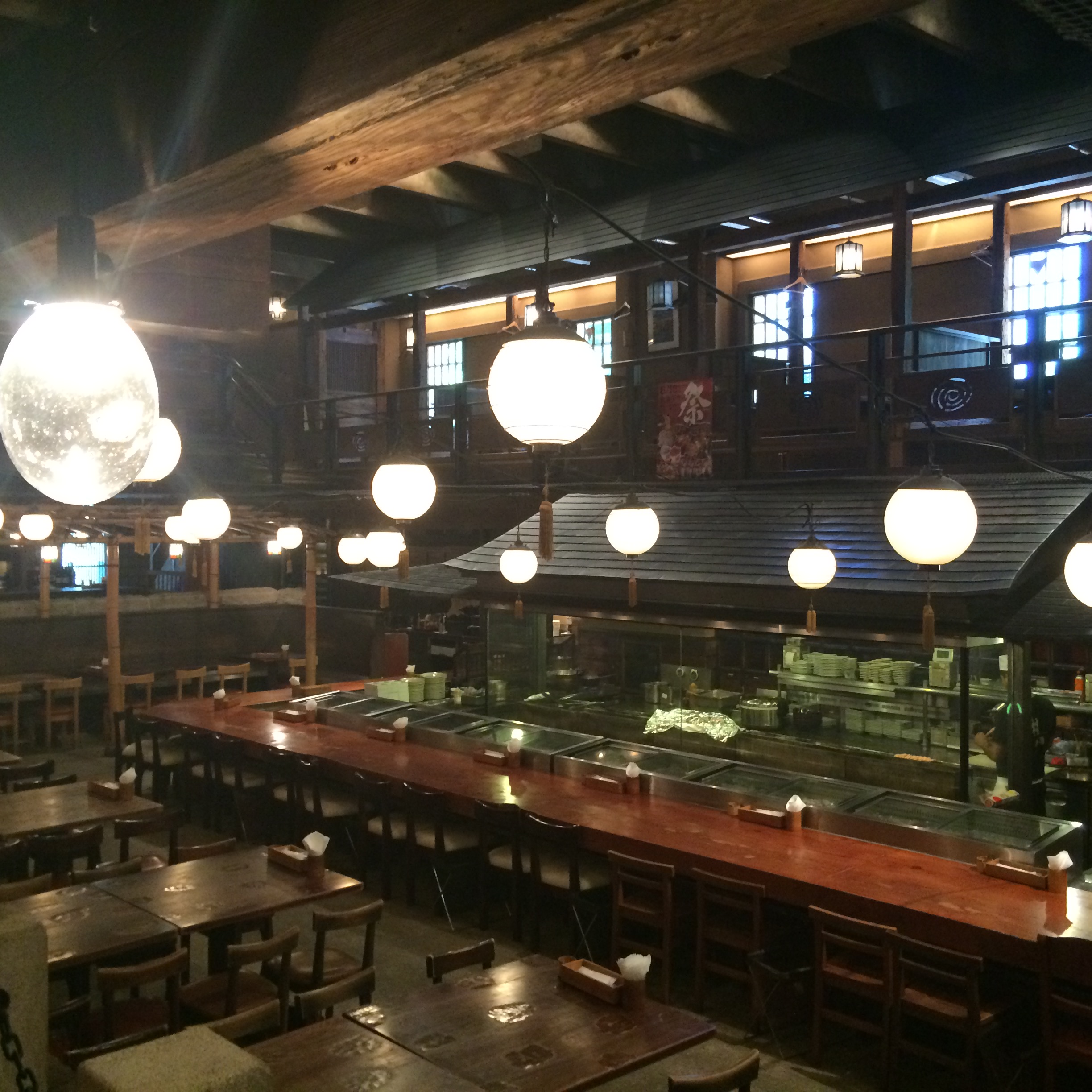
IMG_7919 IMG_7911 IMG_8156We continued walking through the streets of Roppongi, and then back in the direction we came. The heat, combined with the 24,000+ steps we walked, combined further with jet lag, kind of made the rest of the day a blur for me but I was happy to continue walking and seeing new parts of neighborhoods that we had already walked through. I couldn’t pass up a quick photo op at Gonpachi, the restaurant that acted as the model for much of where Kill Bill takes place. There used to be one in LA as well, and they seem to look exactly the same. Upon walking in, I really just wanted to peak out back to double check that it wasn’t somehow snow covered and that O-Ren and Uma weren’t battling it out live…but it’s 90+ degrees here, that must’ve been the heat stroke/exhaustion/jetlag setting in.

IMG_7969 IMG_7885

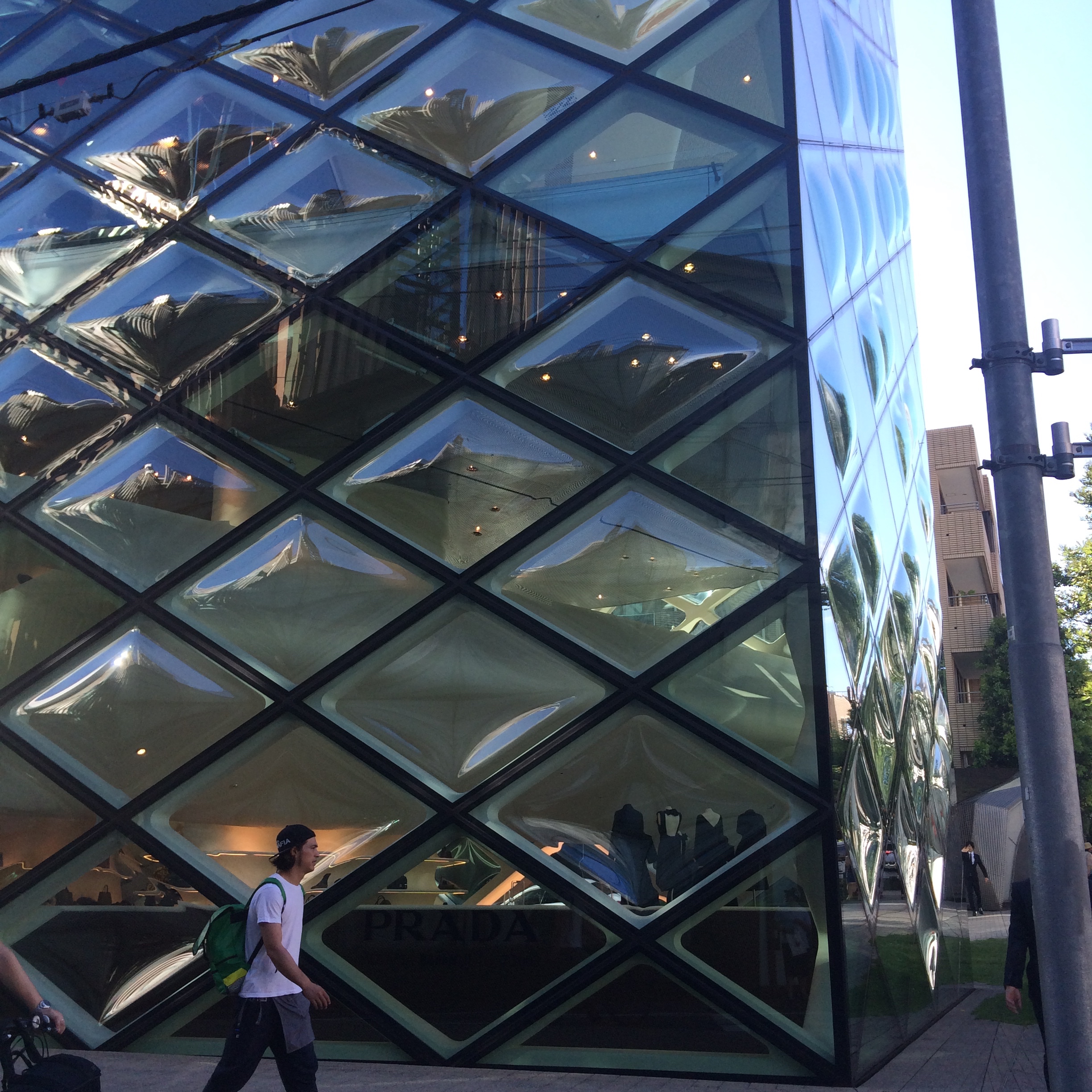
We walked past the Prada store that I had been reading so much about as far as the building it’s housed in. I could feel the A/C from outside so demanded a quick stop in, which I quickly realized was a mistake because here we were sweaty and disheveled from the weather and we thought we should walk into the perfectly manicured Prada store?!

IMG_7978 IMG_7981

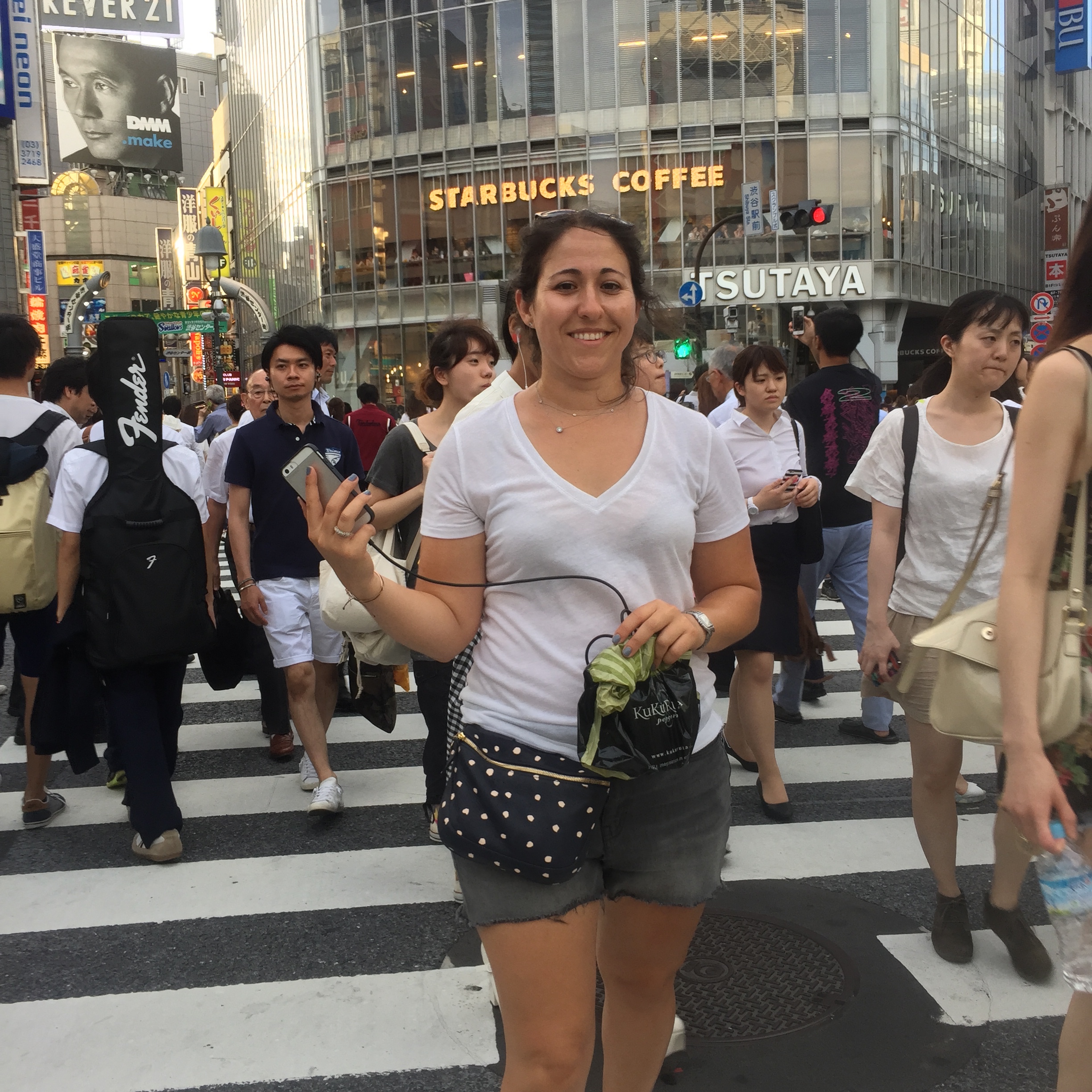
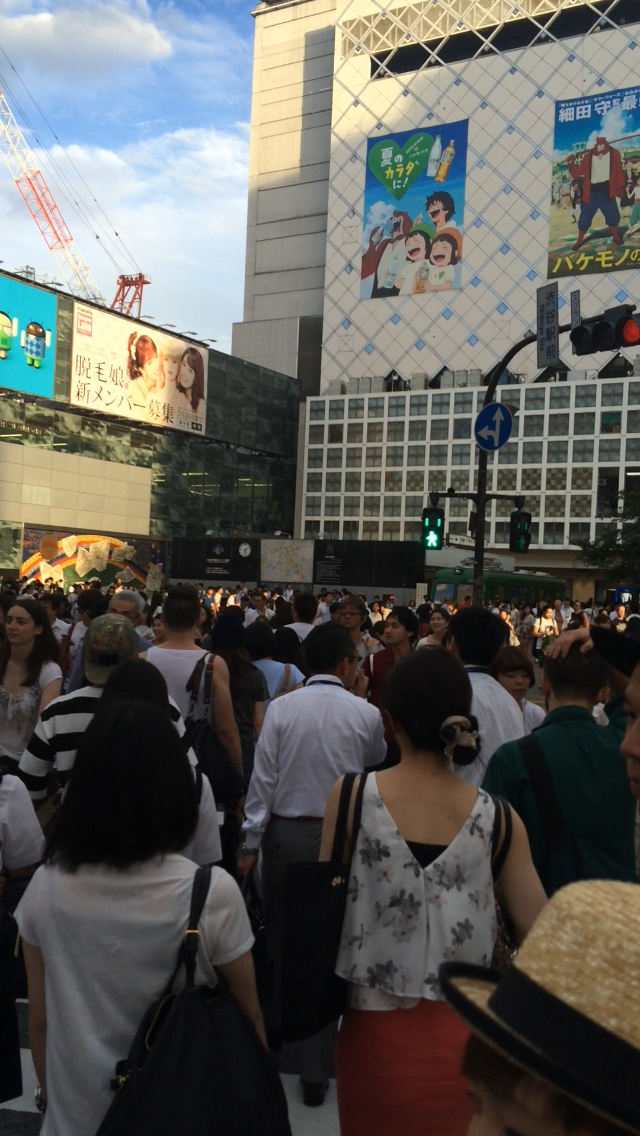
We made a quick exit and then walked back towards home and through Shibuya Crossing once again. This time it was actually crowded, people walking in every possible direction…although I don’t think it came close to the sorts of crowds that this crossing is known for.

IMG_8016 IMG_8162 IMG_8164 IMG_8031

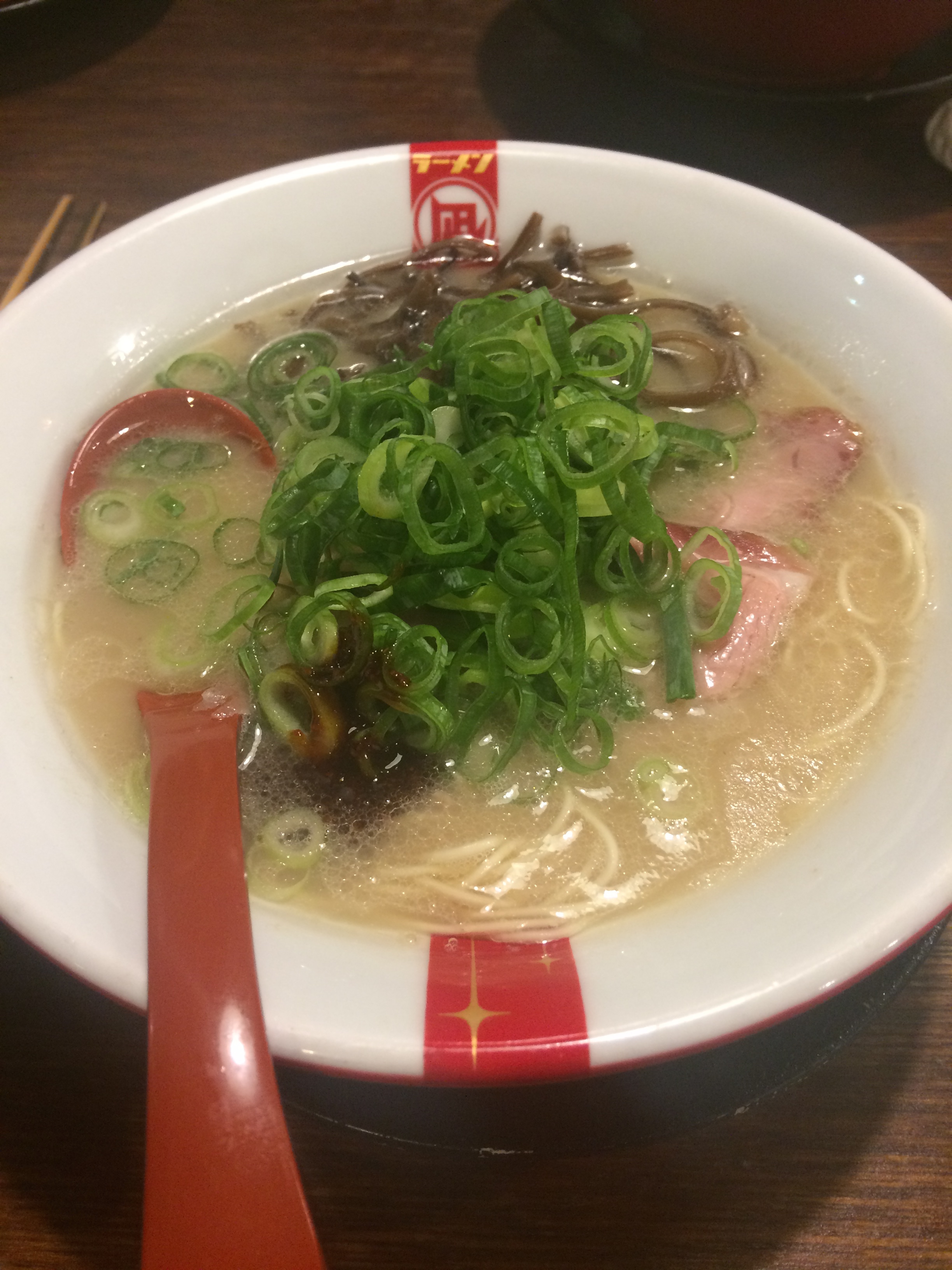
Ramen was on the docket for dinner. We walked up to the place, ordered from a vending machine, received a ticket, handed it to the waiter and sat down at our table. The waiter came to ask how we wanted our noodles, how we wanted our broth, and if we wanted any extras. For this first time out we just ordered everything the standard way. Next time I would add an egg and maybe try spicy broth, but this was a great bowl of soup as is! The awesome thing about this trip is I have time – there will be many more ramen opportunities!!

IMG_8038

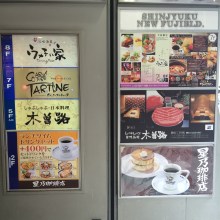
After such a hard day physically we needed to take it down just a notch. So, we relaxed all morning and then went out in time for lunch. I had read about Kisoji, a Wagyu Shabu Shabu place in Shinjuku, the area where most of our day was going to take place, so we decided to go there. The restaurant was up on the 5th floor, my first meal above ground here, and as you can see since the name of the restaurant is obviously not in English we just had to look through the signs and pictures to figure out exactly where in this general vicinity the restaurant was…they don’t really use addresses here.

IMG_8043

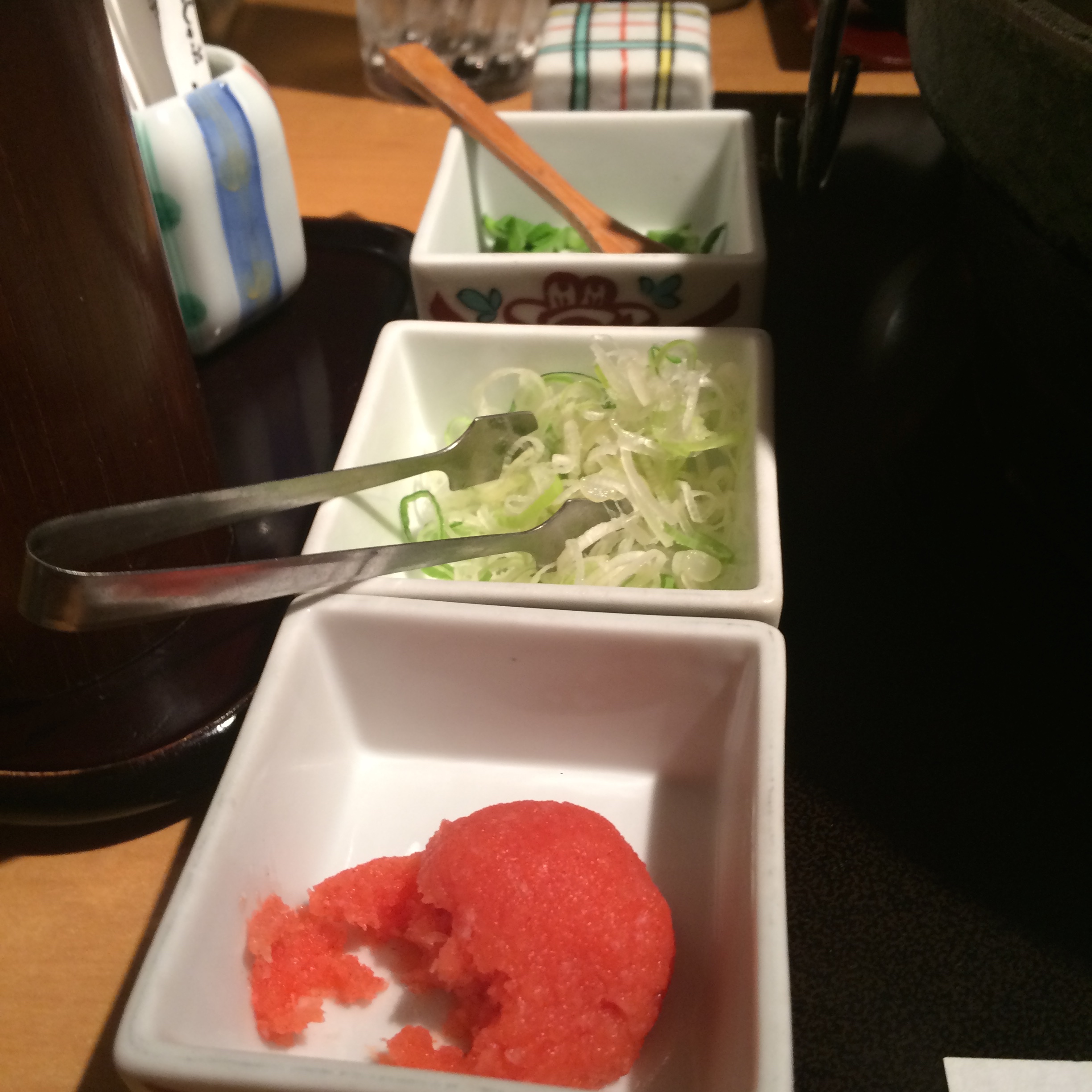
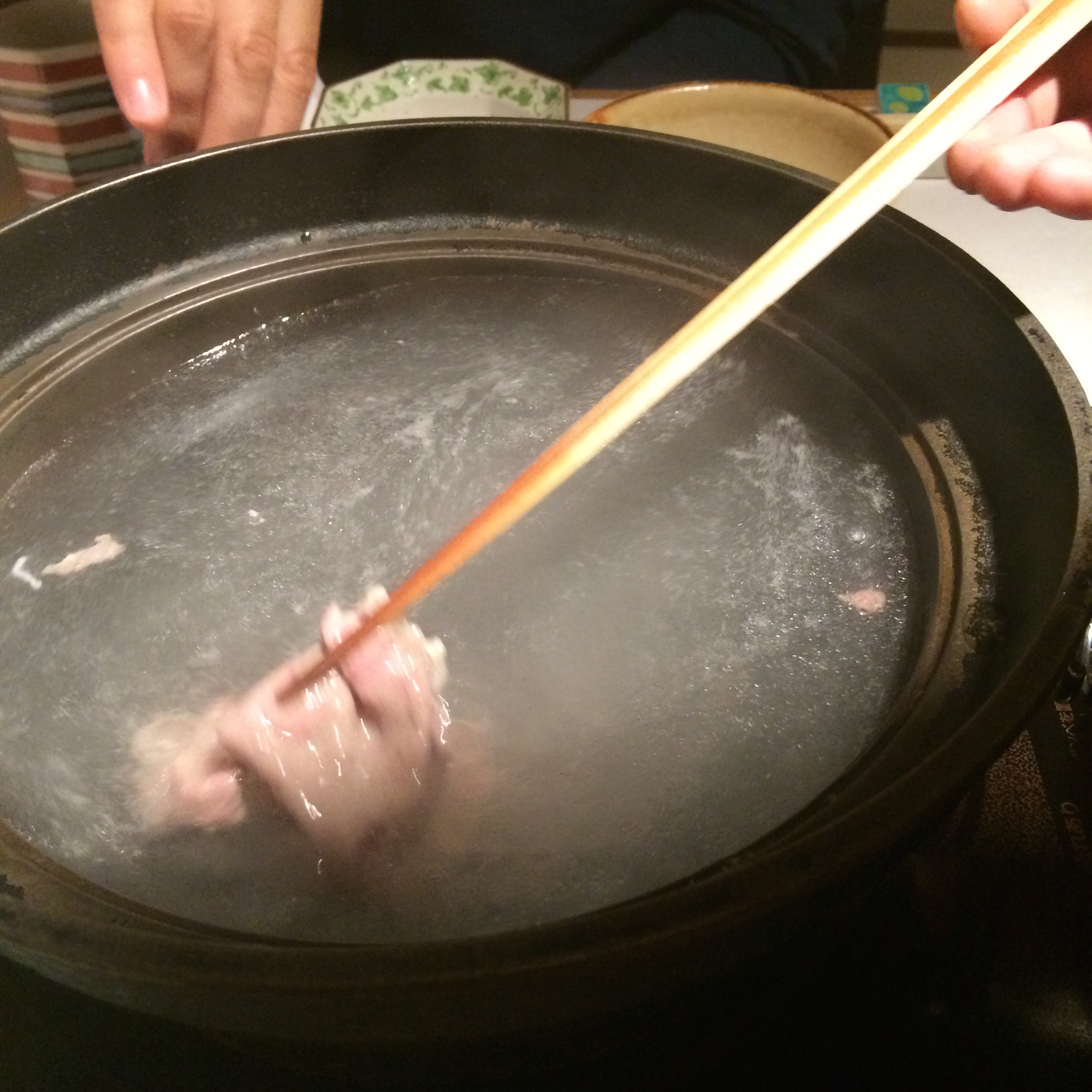
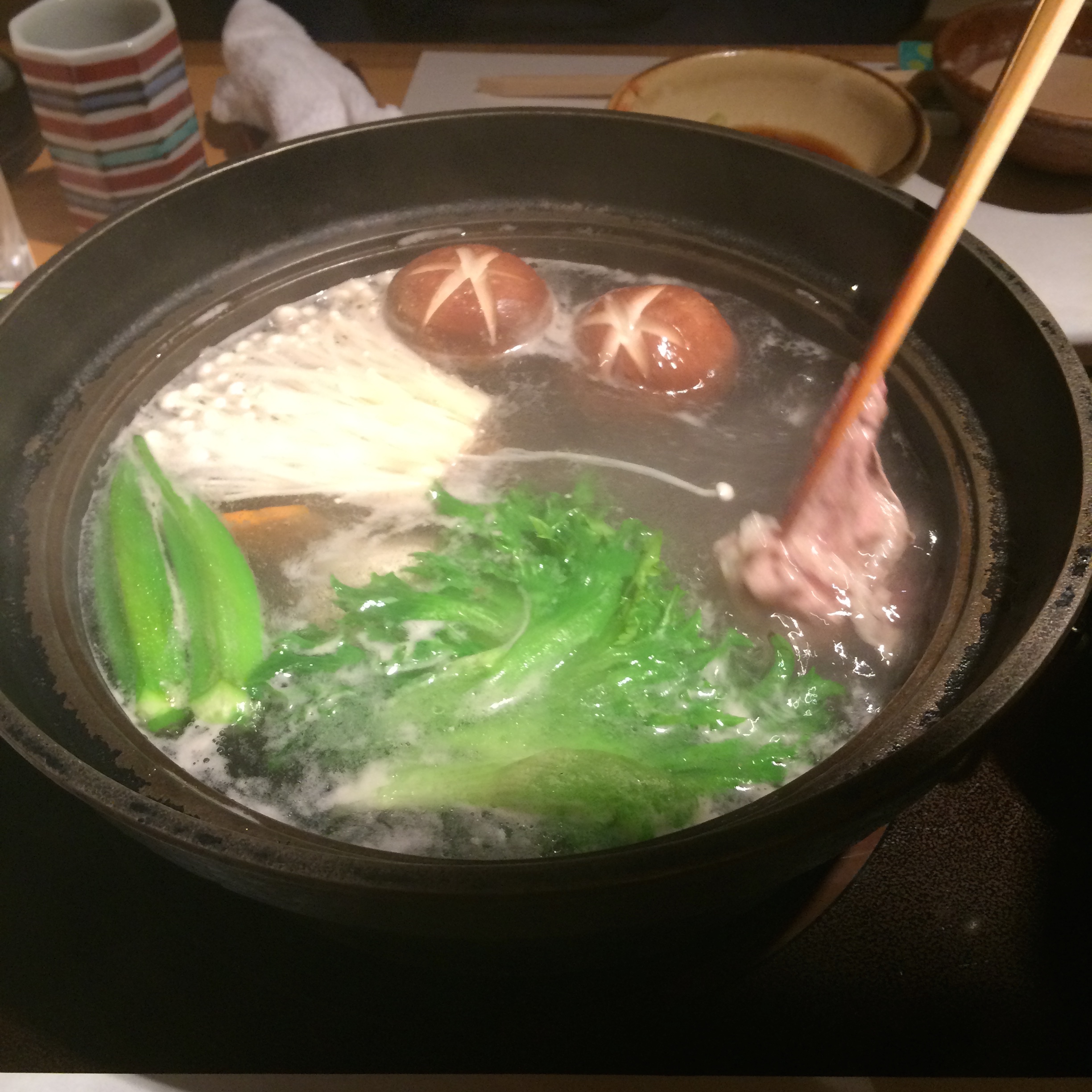
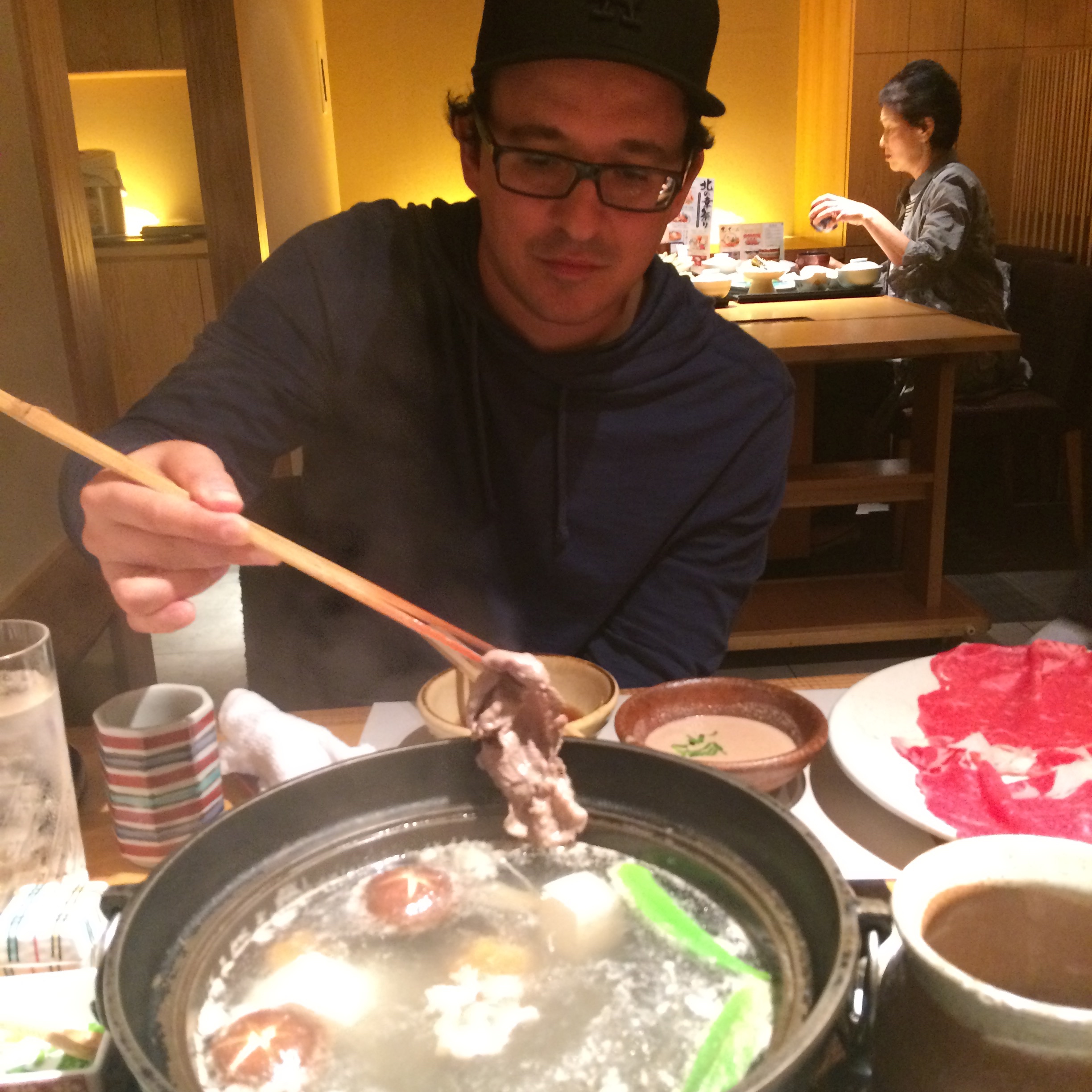
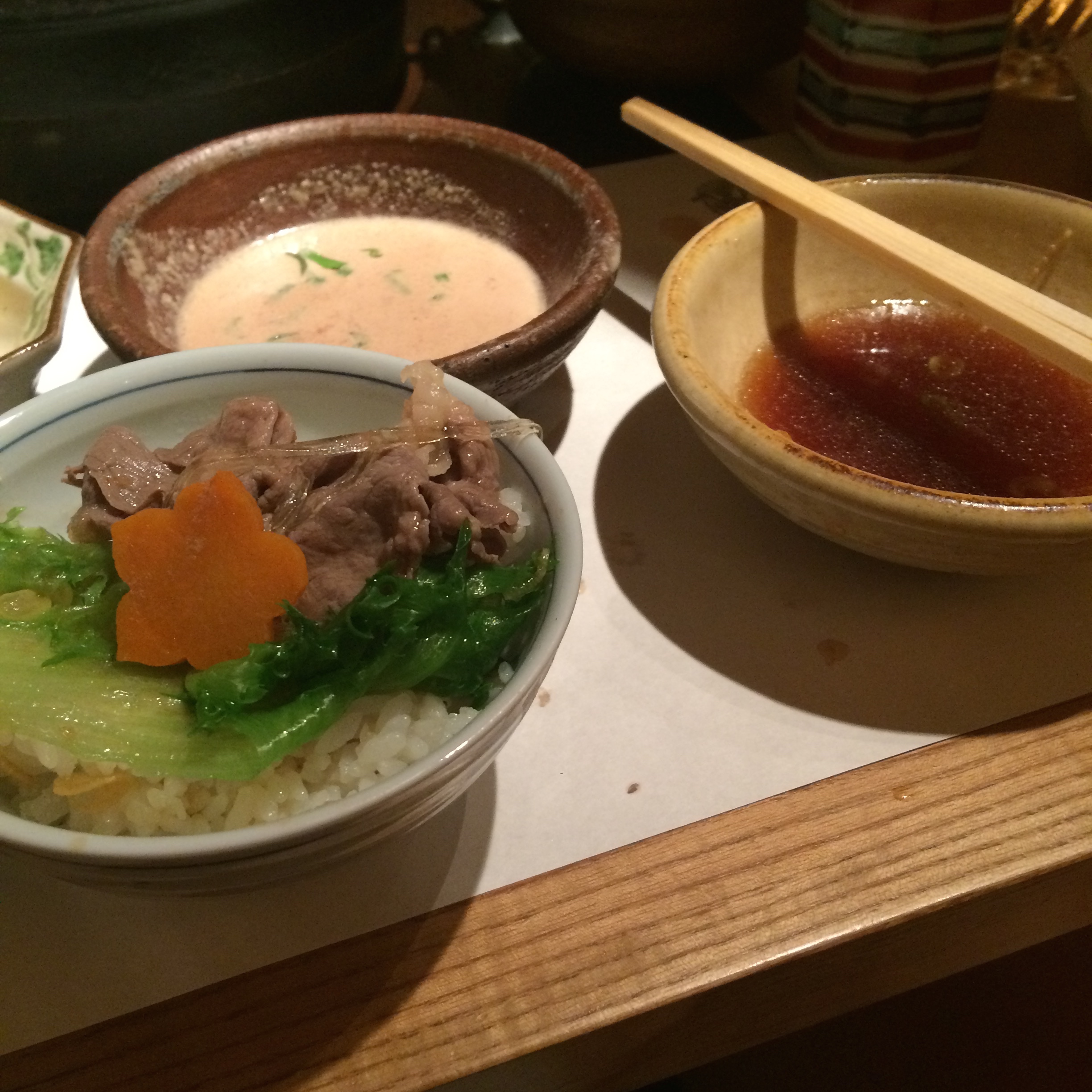
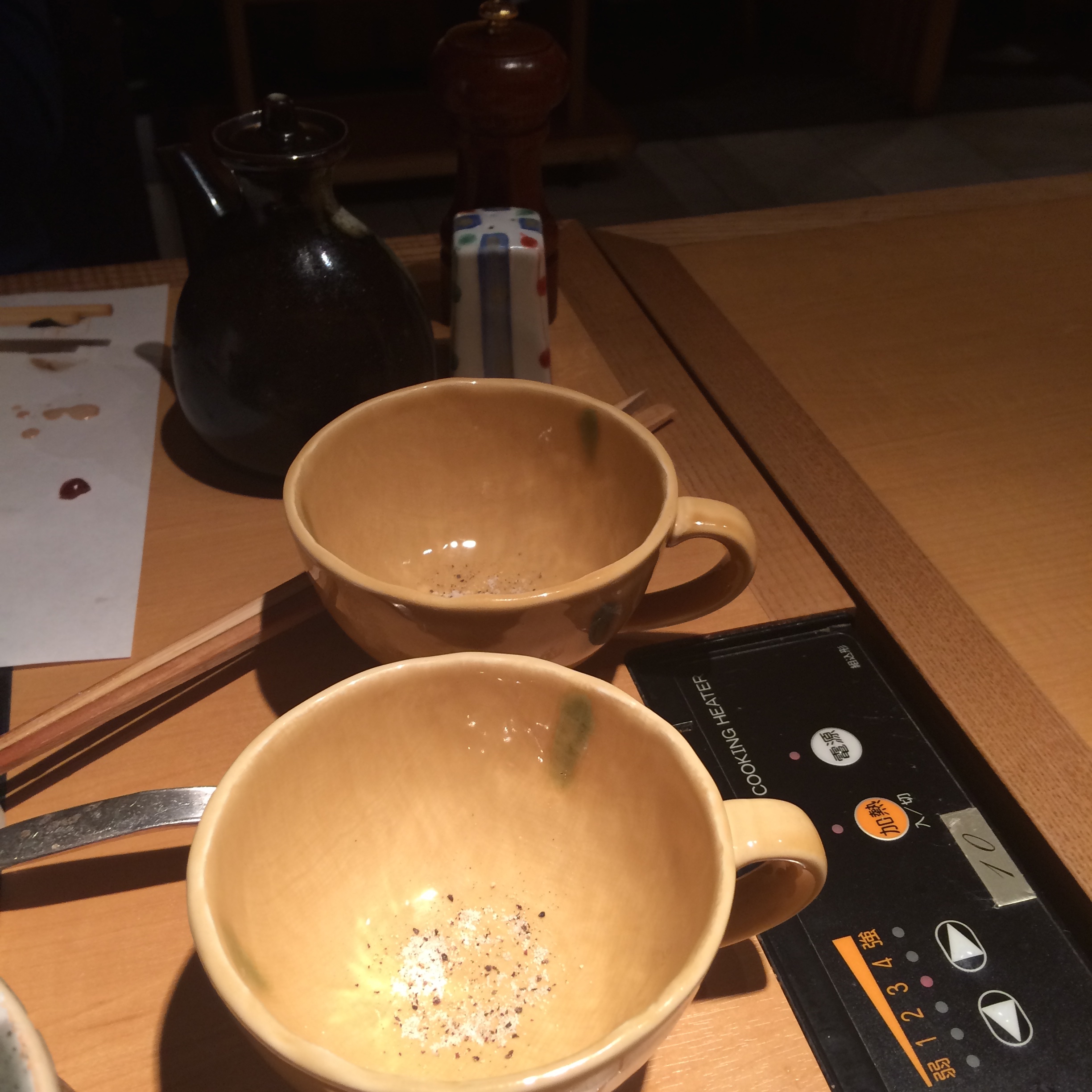
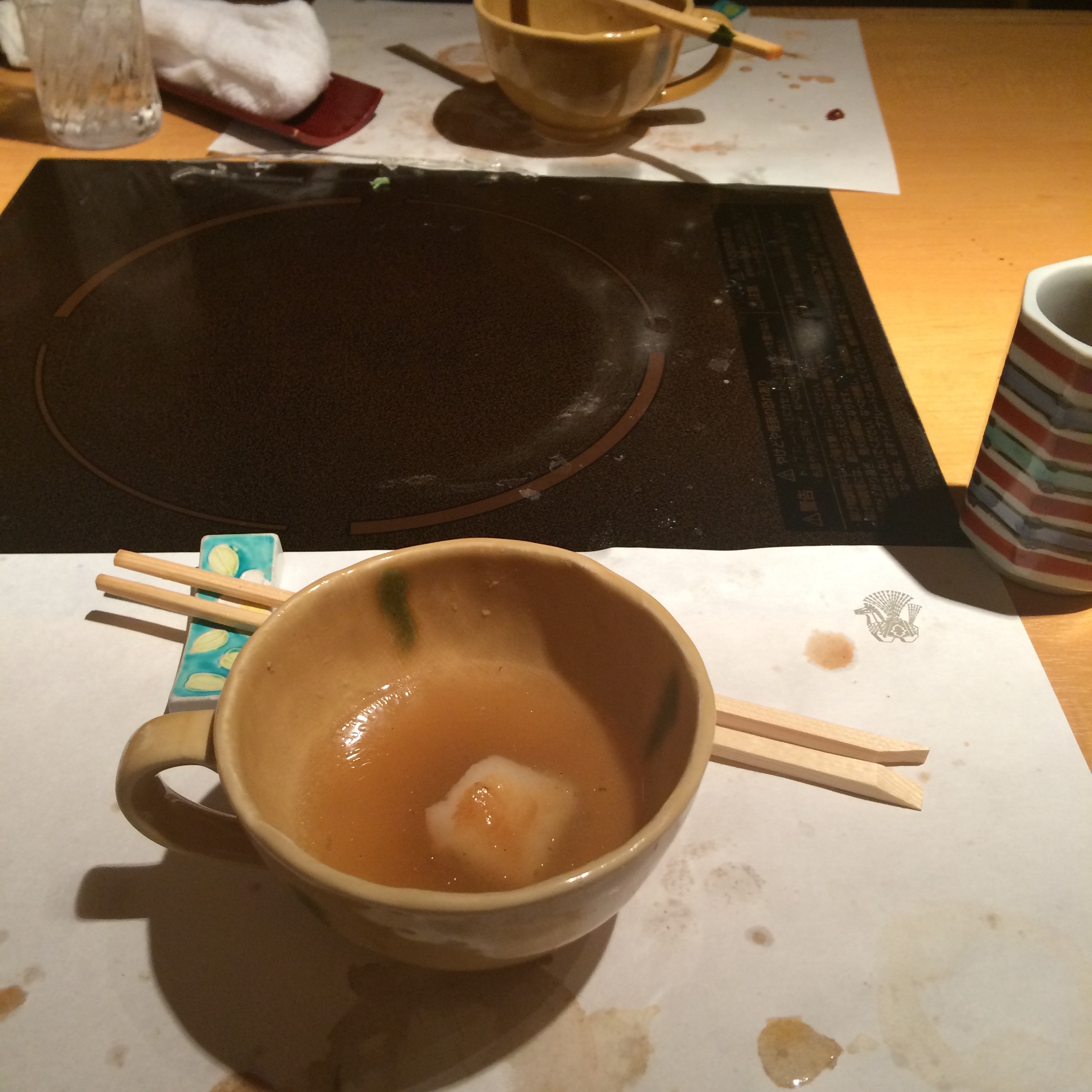
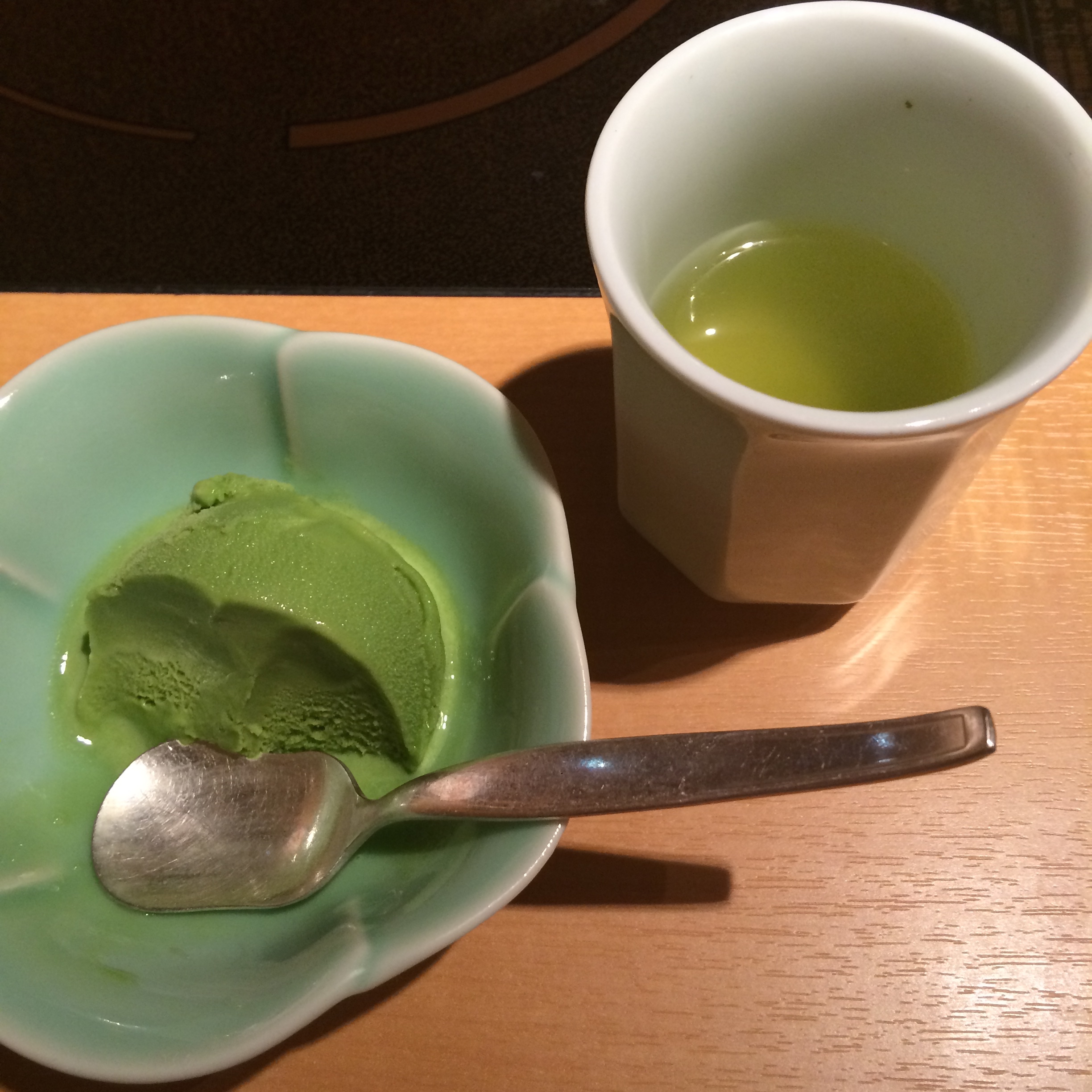
Now, some of you know that shabu shabu is one of the meals I love most at home (at Mizu 212!), but after experiencing shabu the way I did here I feel like we’re kind of butchering it at home. The simplicity, as well as the ceremony and process of it all is quite beautiful here. Immediately you are given little dishes filled with your 2 sauces, as well as sides of horseradish, scallion, and garlic, so you can prepare the sauces the way you like them. Usually at home I ask for my sauce to be made for me and I like it extra spicy, but here that wasn’t even an option, so I reveled in the delicious and simple flavors…completely changed my outlook for my next visit to Mizu. Another difference here is after all the meat and vegetables are done, they prepare noodles with salt and pepper and a little soy, as well as the water that your meal was just cooked in. It’s a delicious soup! I didn’t think I had enough room after we ordered an extra plate of meat, but thank god I did. The meal ended with Green Tea two ways – ice cream and hot tea. A nice, long, relaxing meal, but now I was stuffed and needed to walk just a little bit.

IMG_8045 IMG_8056 IMG_8060 IMG_8050 IMG_8053 IMG_8055  IMG_8064 IMG_8074  IMG_8076 IMG_8079

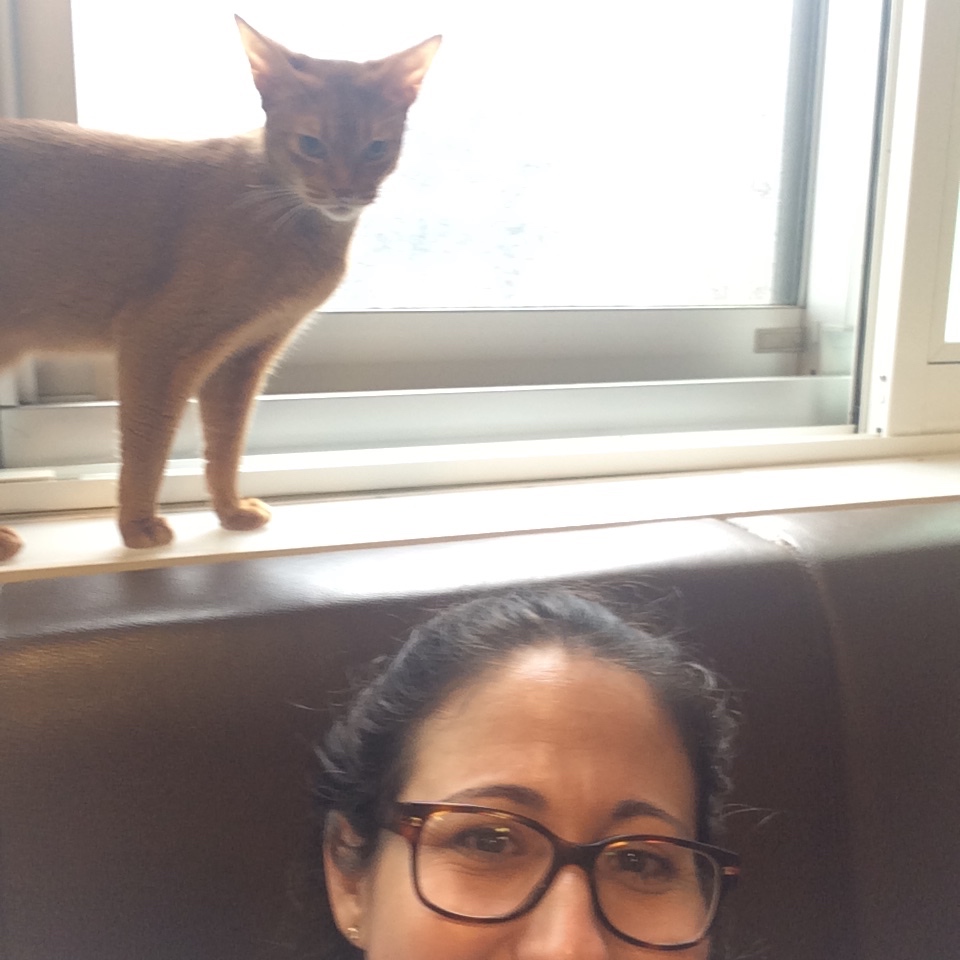
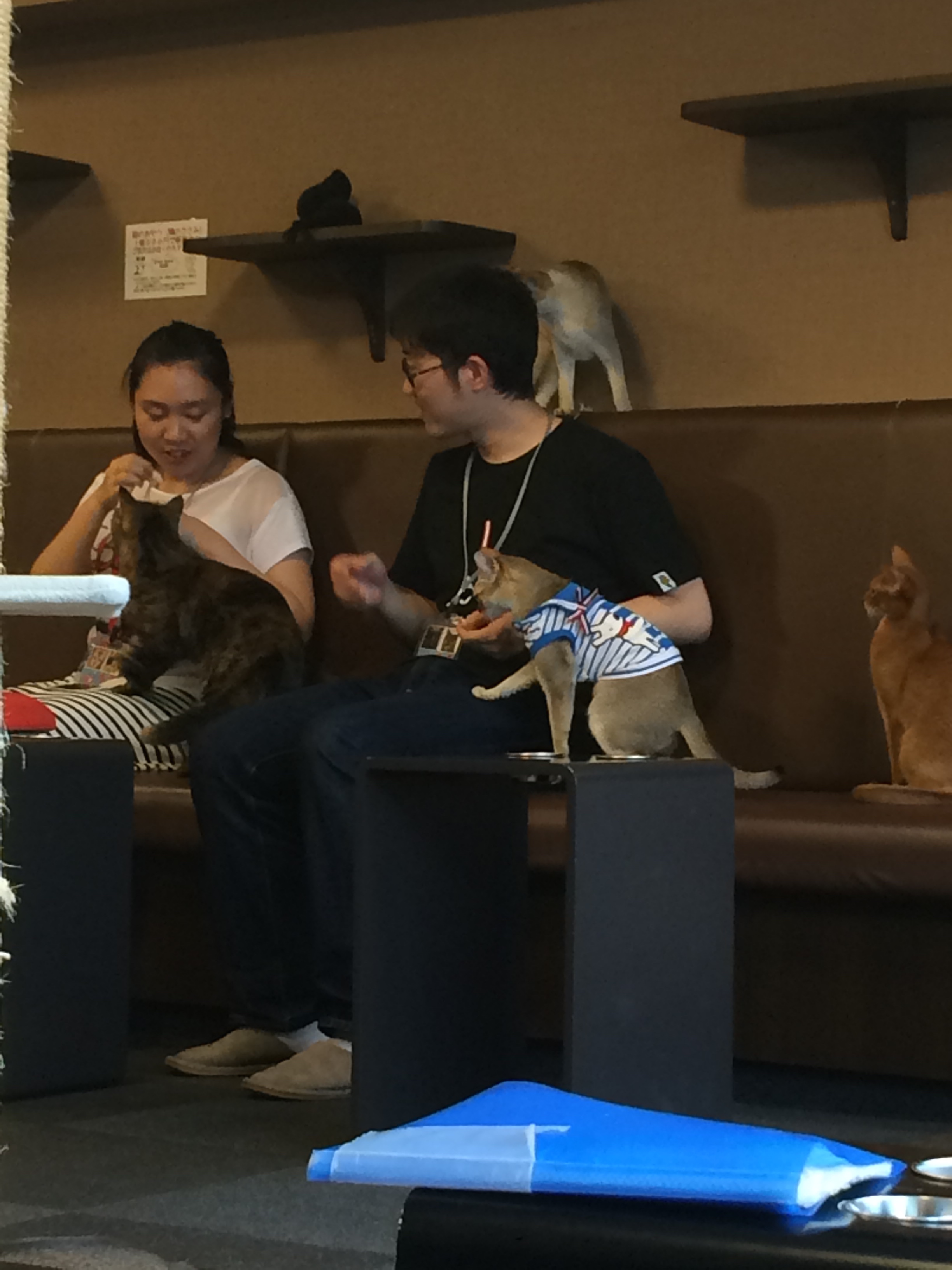
Our day was going to be a bit “cat” centric from here. First up was a visit to one of the many cat cafes I have heard so much about. Now, I’m a cat lover so I was excited for this, but I have to admit it was too much maybe even for me. I think I prefer the adorably tiny pets at the pet stores here rather than this. However, I’m so glad I got to see what this is really all about…

IMG_8085 IMG_8090 IMG_8089 IMG_8100 IMG_8104

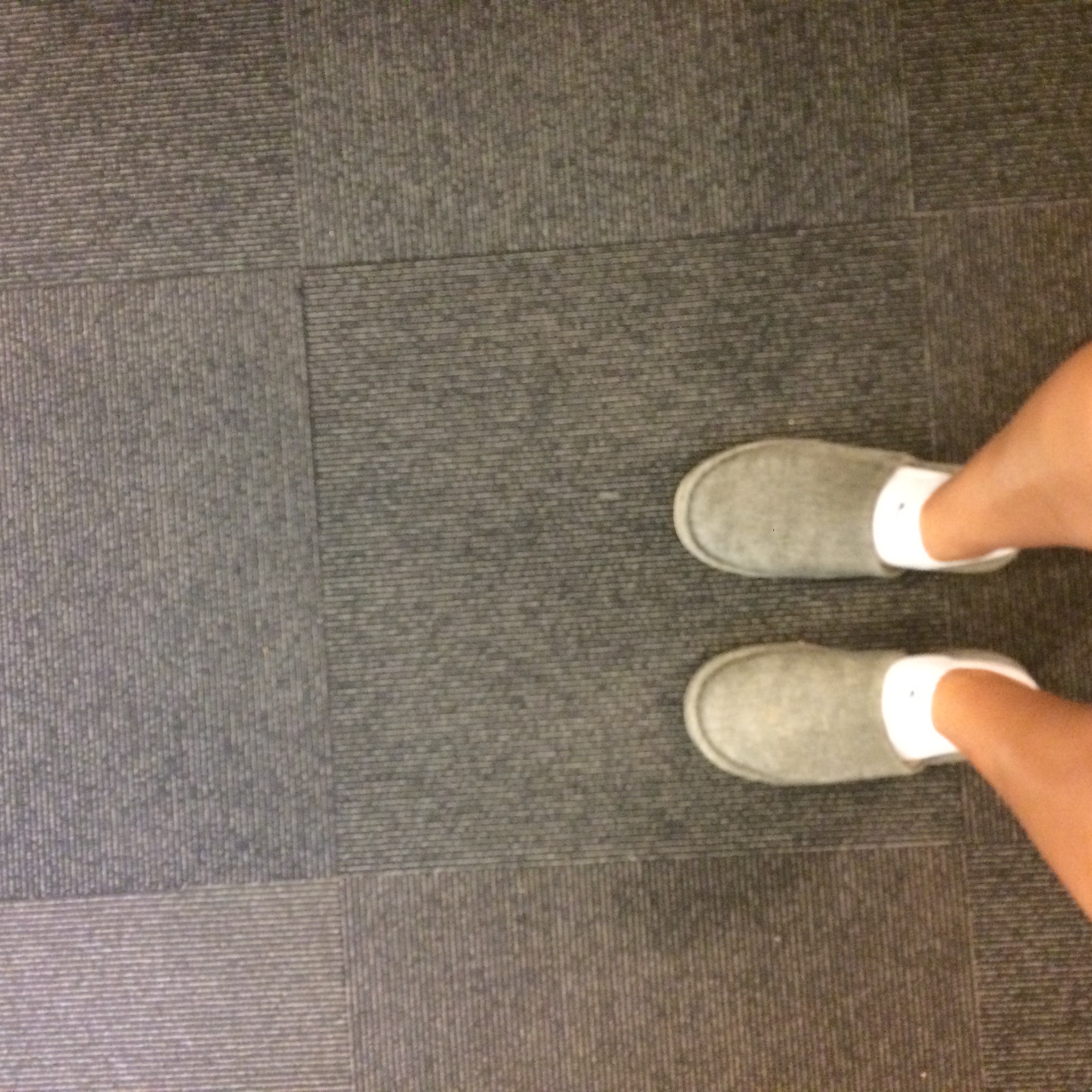
Firstly, you have to wear slippers – so very Japanese. Secondly, these cats are no dummies – they want to talk to you and cuddle up on you if you pay to get some treats to feed them. If you are sans treat, like I decided to be, you aren’t getting any love. It was funny to watch and witness it all but I can’t imagine going somewhere like this on the reg.

IMG_8109 IMG_8110IMG_8111 IMG_8146

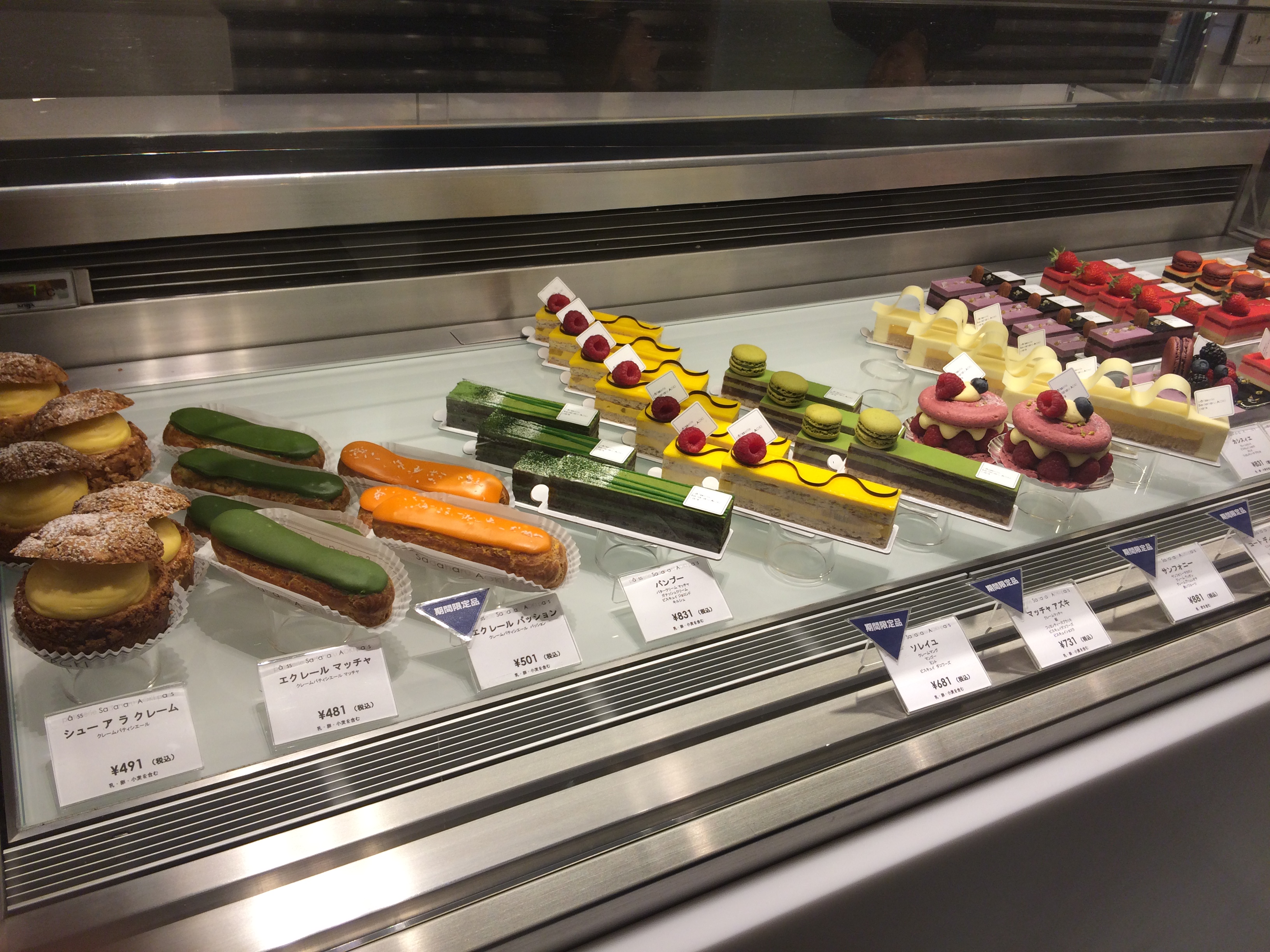
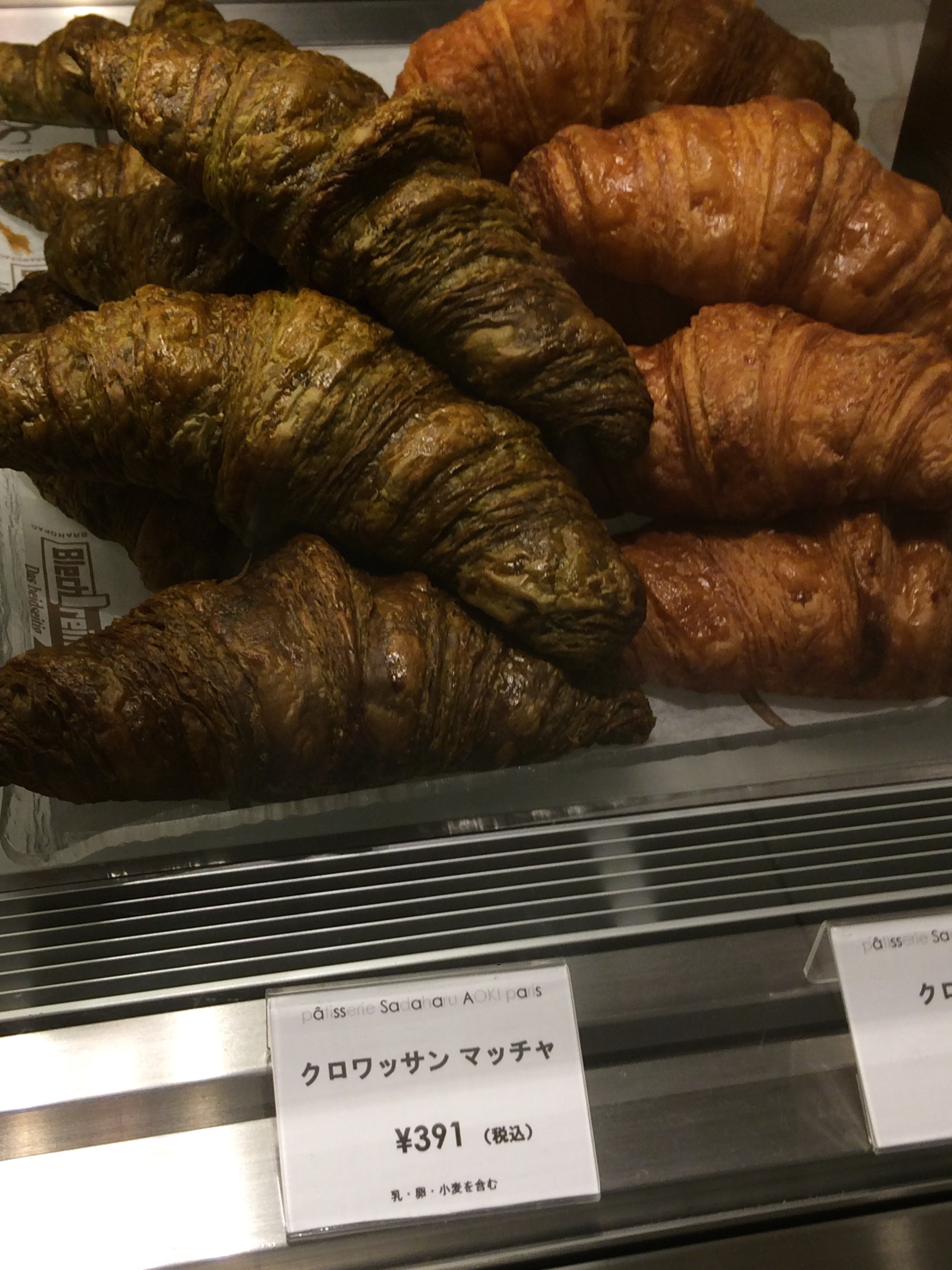
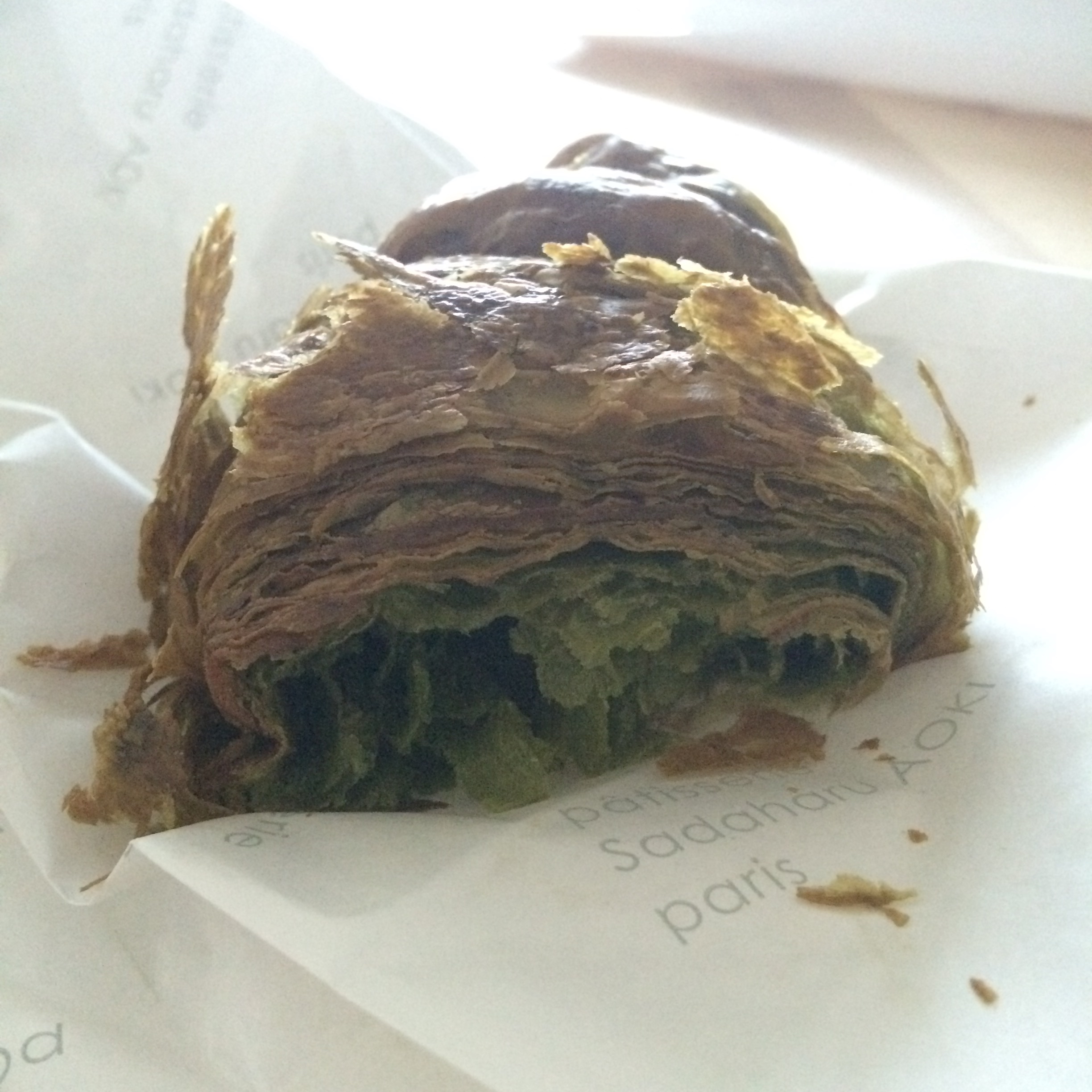
Next up was a quick stop in Isetan department store to check out their depachika (read:basement food hall). This one is supposed to have the best, and since we visited two others in the Ginza the other day, I wanted to see what this one had on the others. We mainly stuck to the patisserie area and I definitely understand what has everyone talking. If you couldn’t tell I’m loving green-tea (or macha) flavored everything here, and that wasn’t about to stop now. I got a macha croissant and a macha canele from a french patisserie for later. I haven’t had the canele yet, but the croissant was very green inside, yet pleasantly subtle as far as the green tea flavor went.

IMG_8124 IMG_8119 IMG_8123

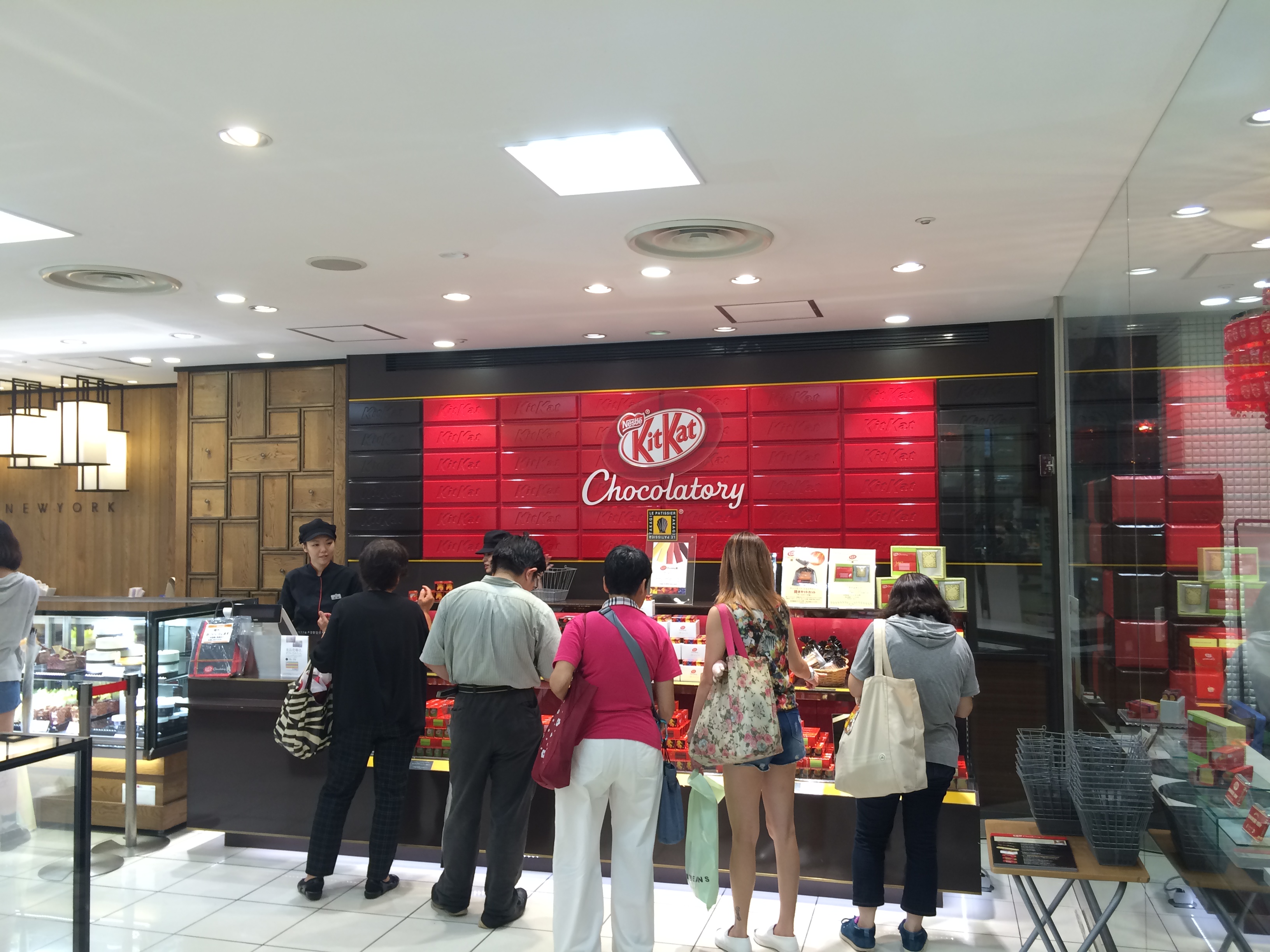
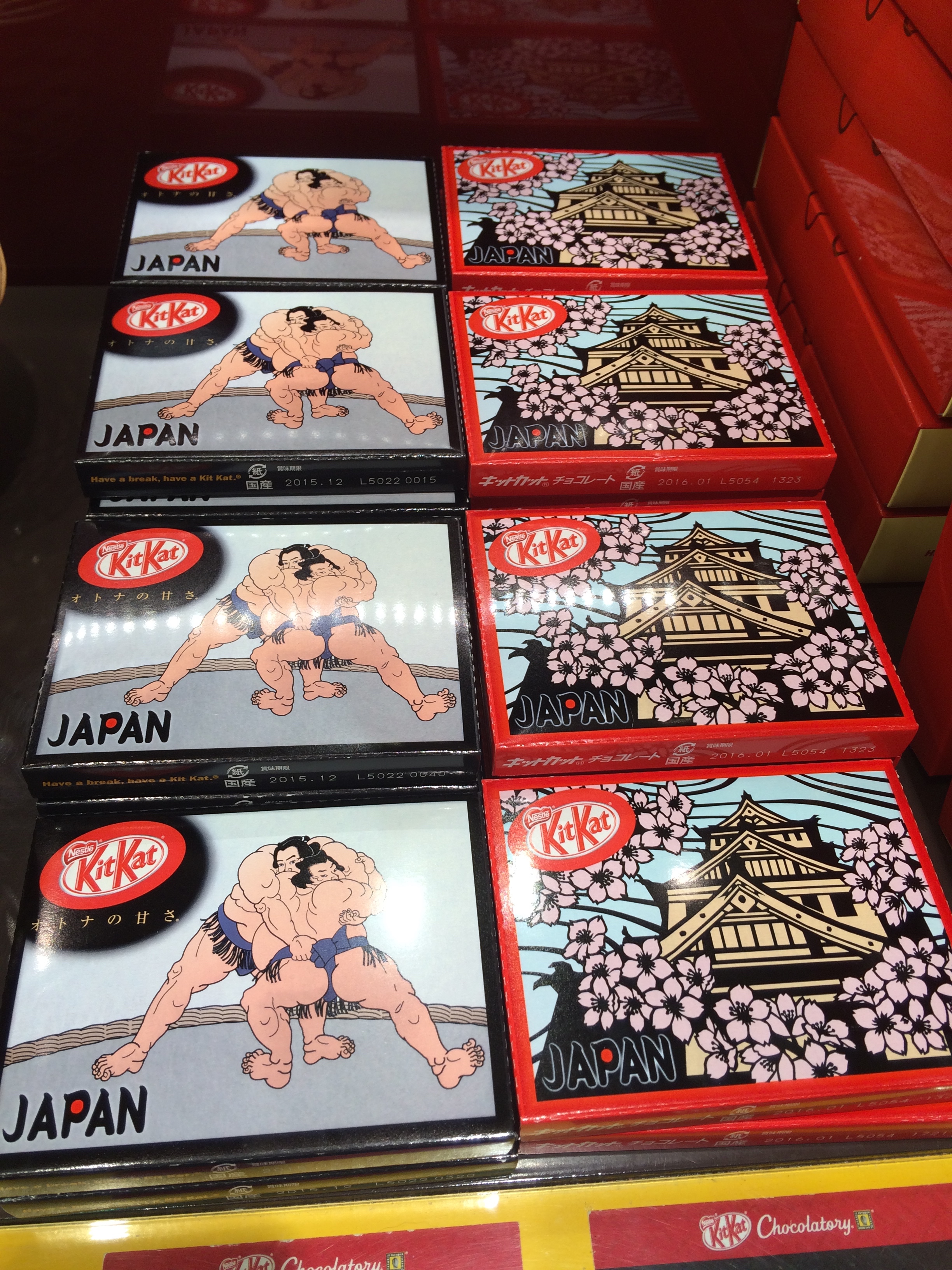
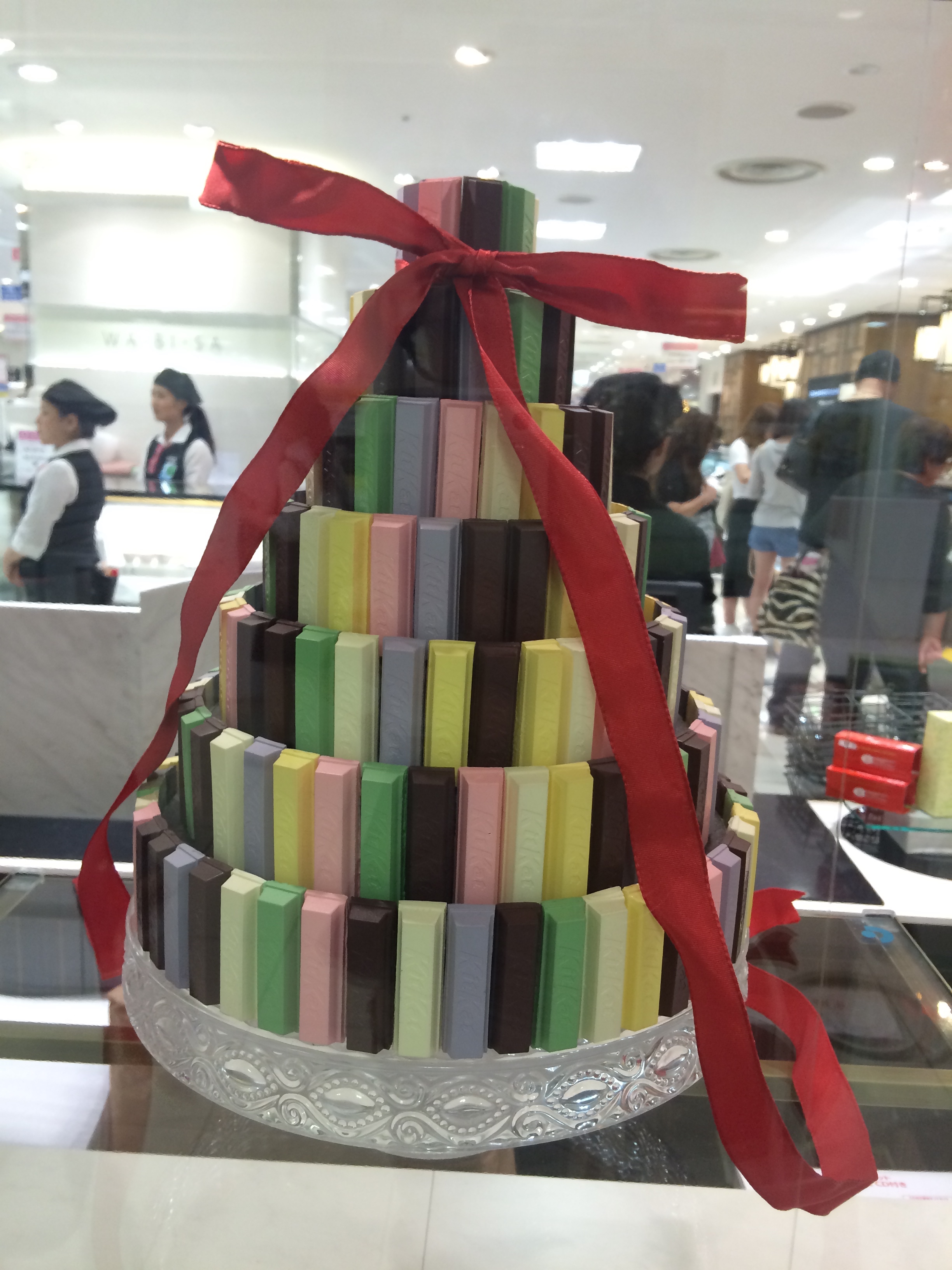
Our last stop of the day continued the cat theme, or Kat I should say. We had read that there was a special Kit Kat boutique with special flavors in another depachika, so we had to see what this was all about. I’ve always been fascinated by candy from other countries – whether it be different flavors that you can’t find in the US or just different candy altogether. I’m not even a huge Kit Kat fan, to be honest, but I couldn’t let special Japanese flavors be out in the world without at least investigating. We haven’t opened any of them yet but it won’t take long before the seals are broken. I’ll report back next time.

IMG_8136
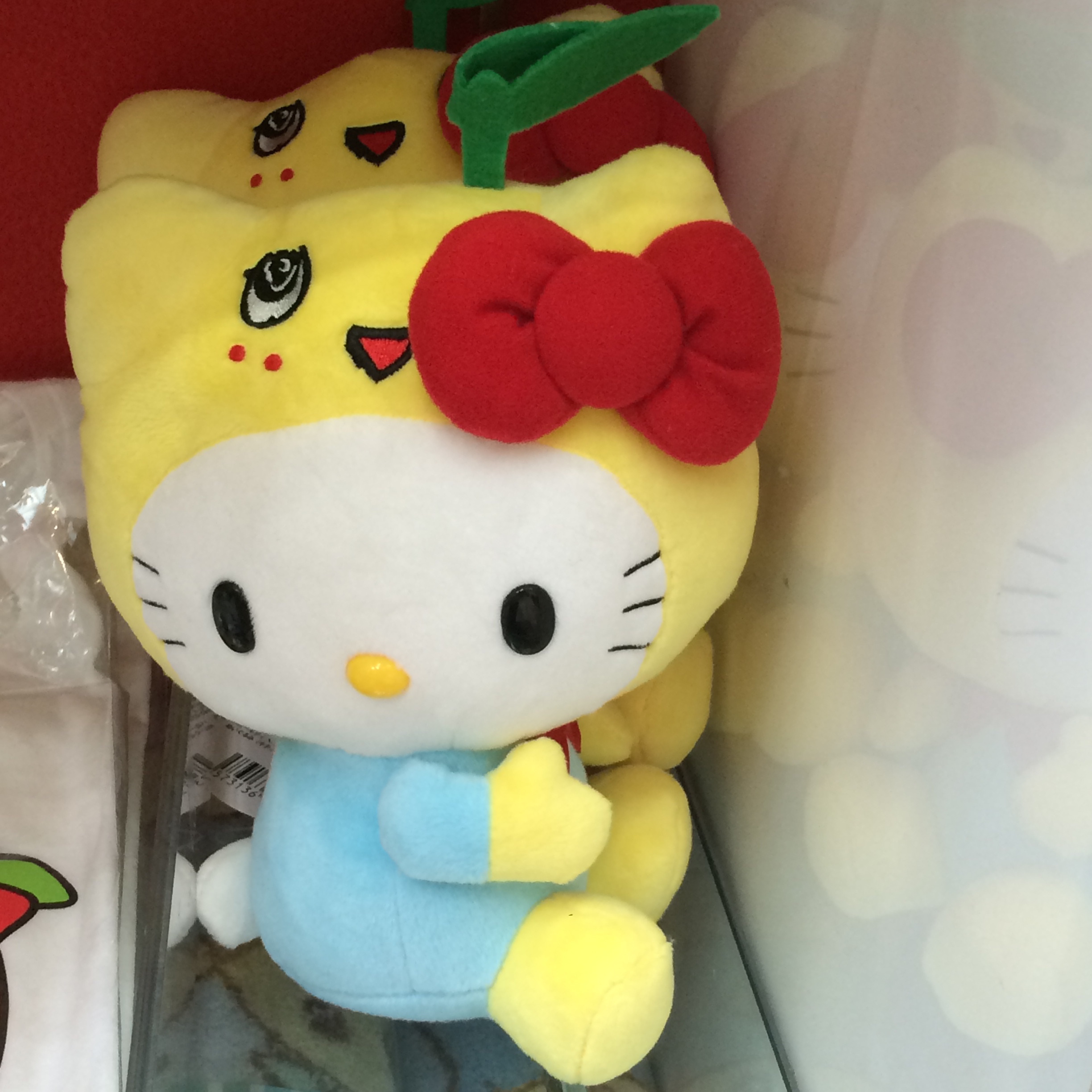
Hello Kitty dressed up as the mascot, Funassyi

Heading to Kyoto this weekend and then back to Tokyo for more. I feel like I’m just finally getting to know and understand this place and now I can start getting into the interesting cultural things I’m finding out about, like mascots and how serious the Japanese take their fruit. But first up, some old world history (and more food) in Kyoto.

TOKYO: OVERSTIMULATION

TUNE IN TOKYO!

IMG_7605

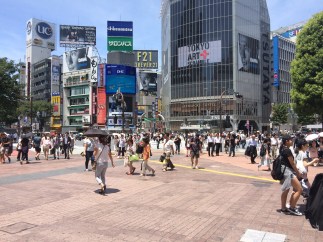
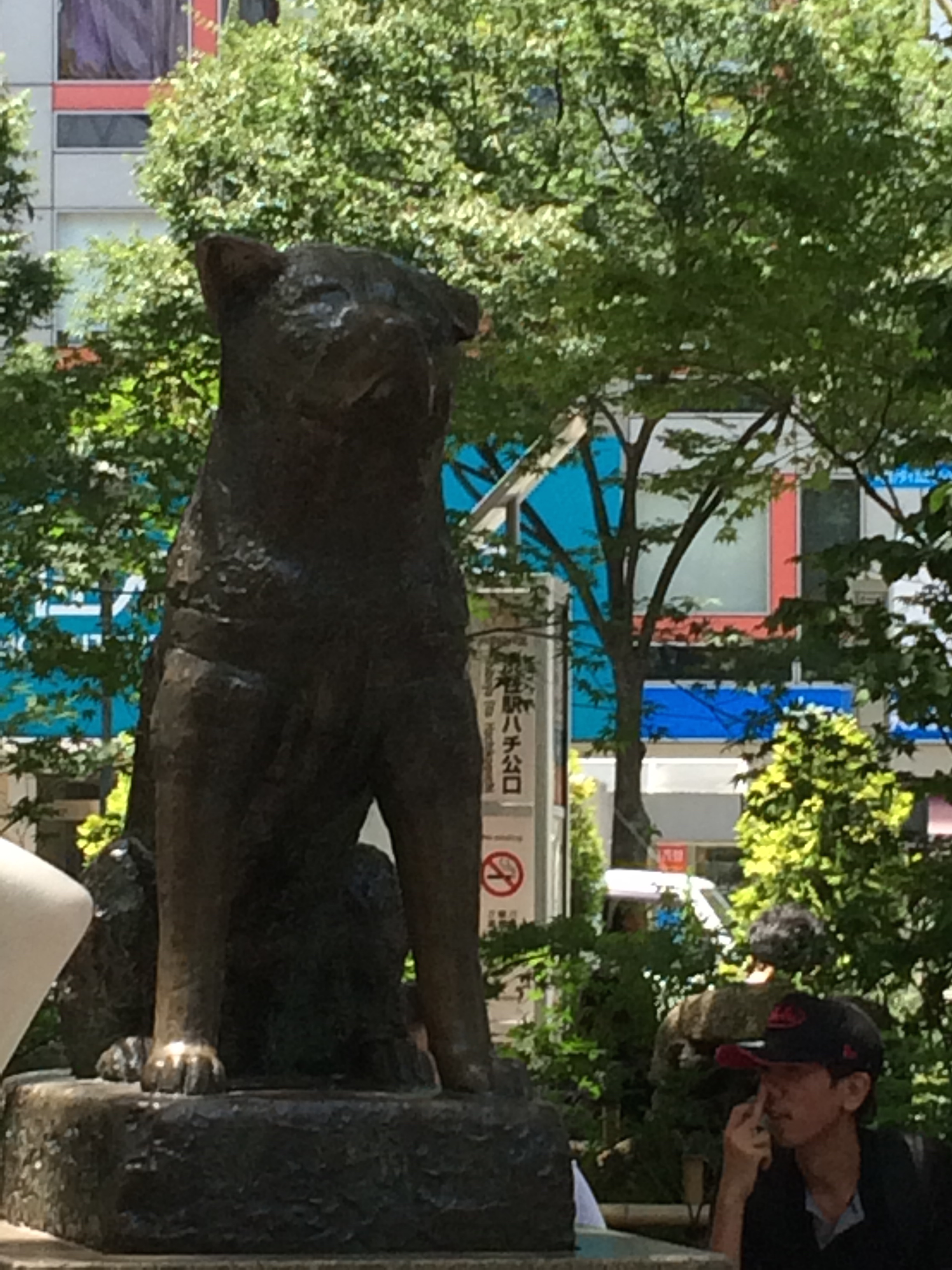
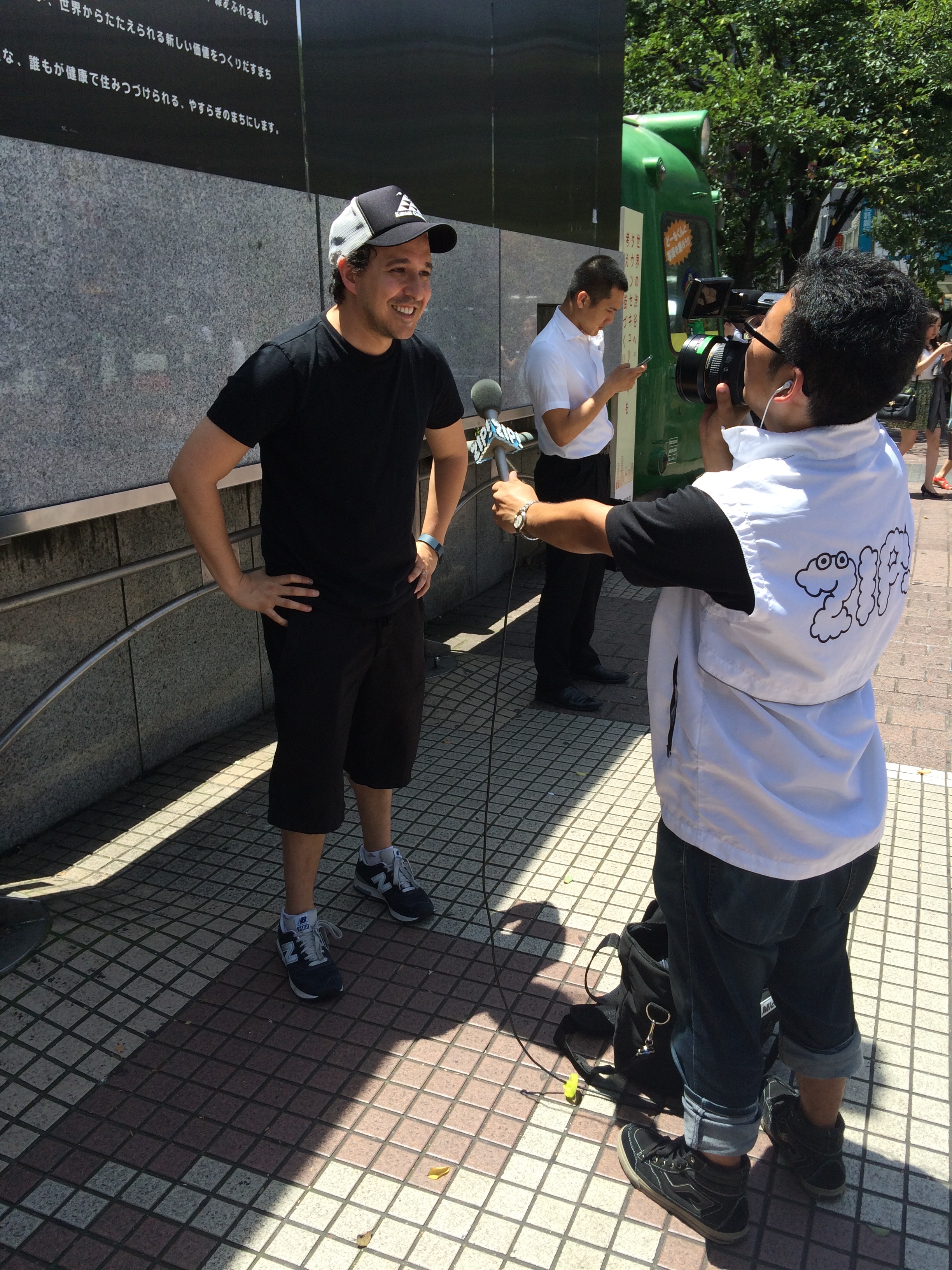
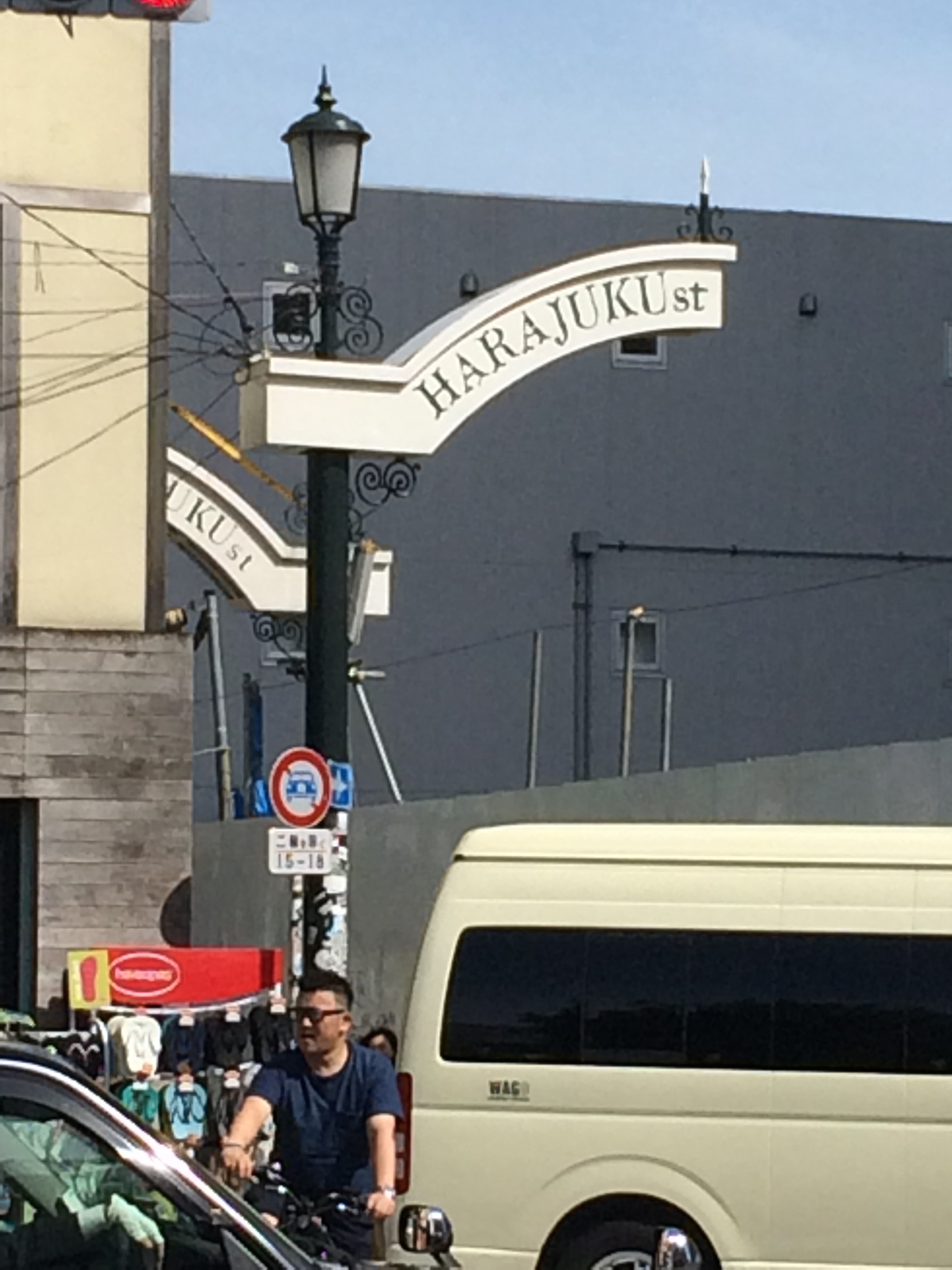
I’ve been in Tokyo for 2 full days now and walked over 20 miles. We’ve covered so much ground, and yet I feel like we’ve just scratched the surface. Day 1 was spent getting my bearings. My brother lives in Shibuya so he showed me his area, Harajuku and the Meiji Shrine in Yoyogi Park. We passed through Shibuya crossing at a time that seemed to be a record for least amount of people at one time – curious to see it the next time we pass through. It is really hot and humid out so it might be that while still very crowded, there are less people out and about than usual. We saw the loyal Hachiko dog statue, my brother was approached and interviewed by a local tv channel in the square, and then we crossed through Shibuya and the day began.

IMG_7598 IMG_7590 IMG_7601 IMG_7594

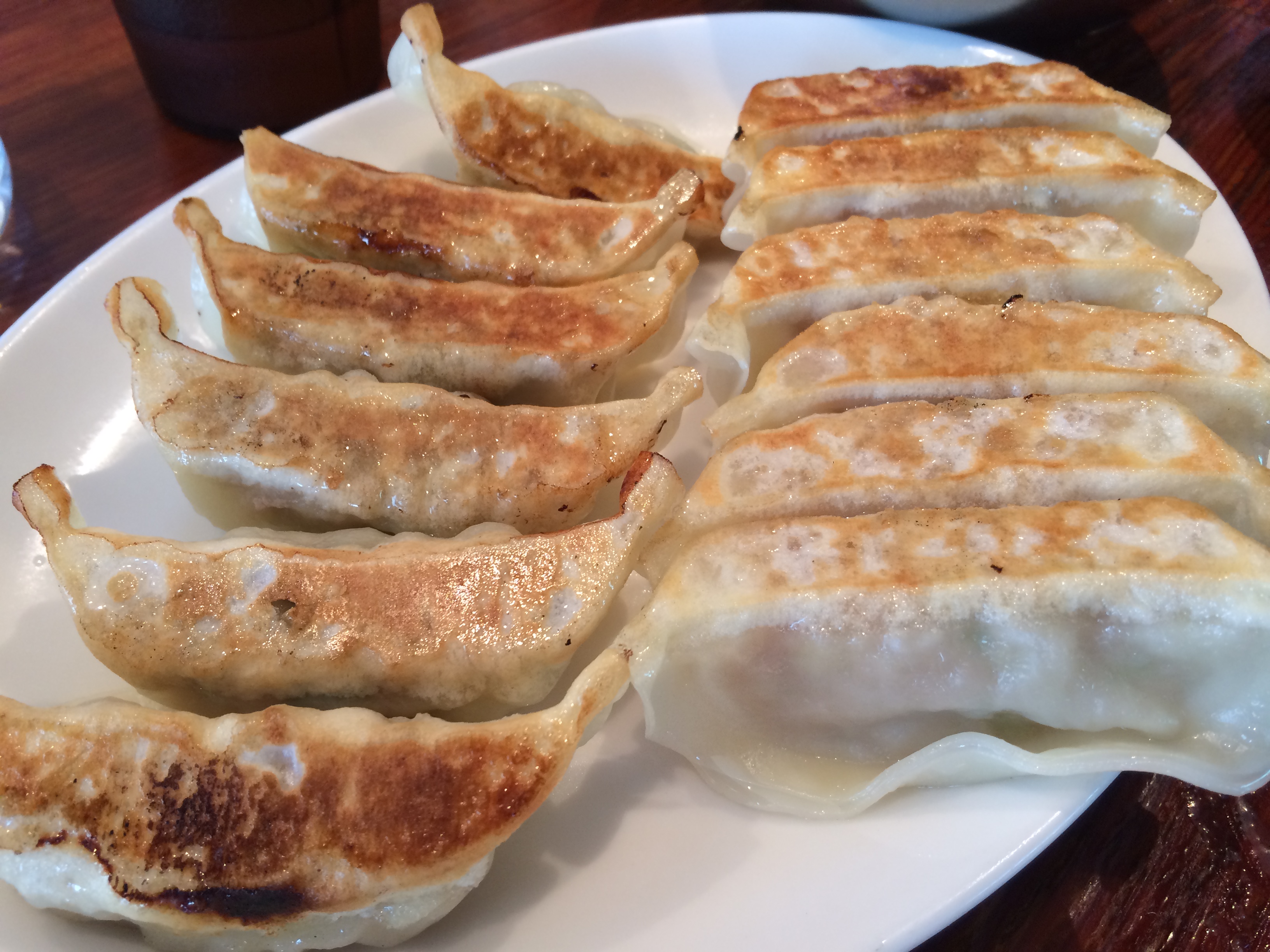
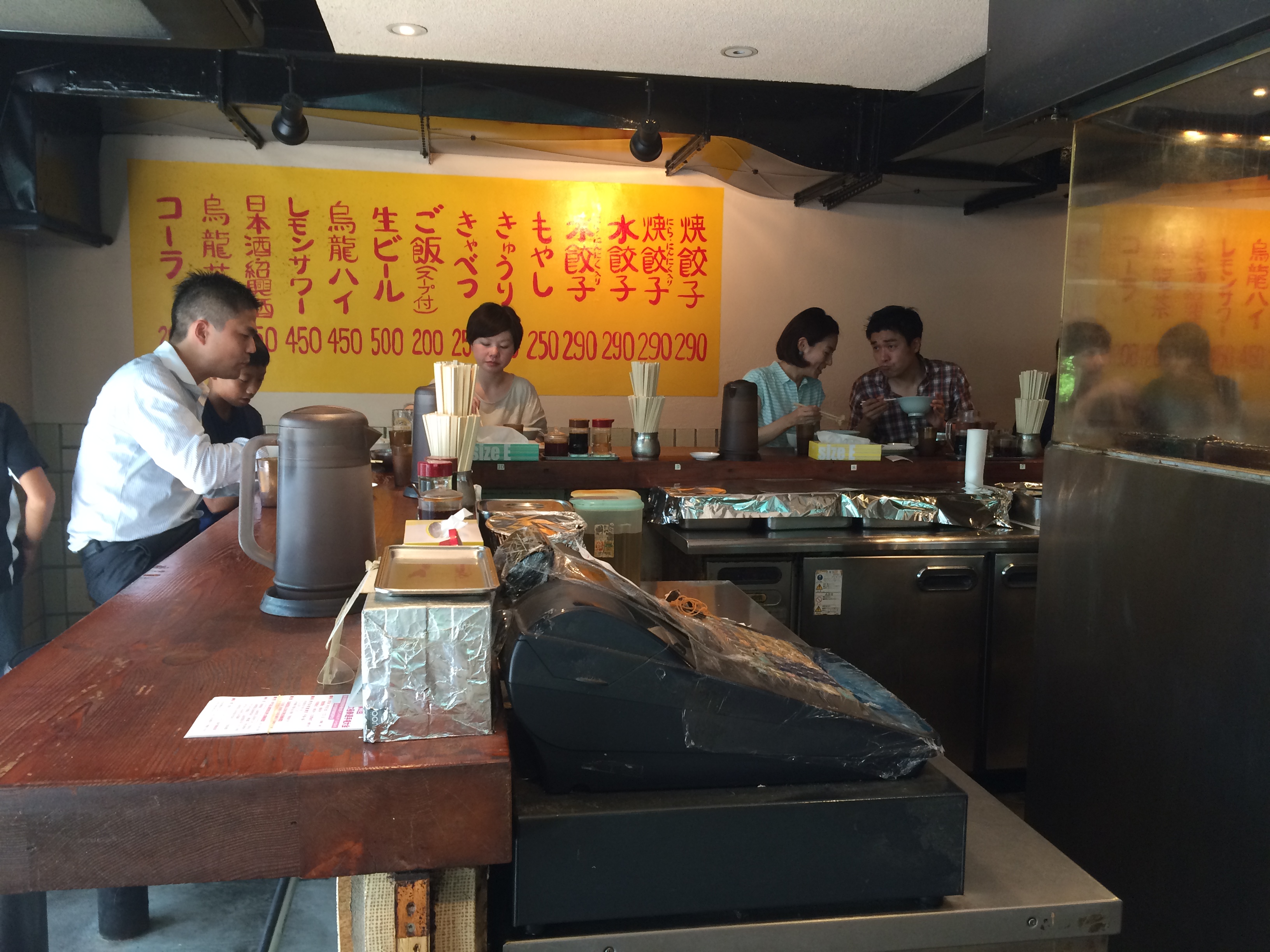
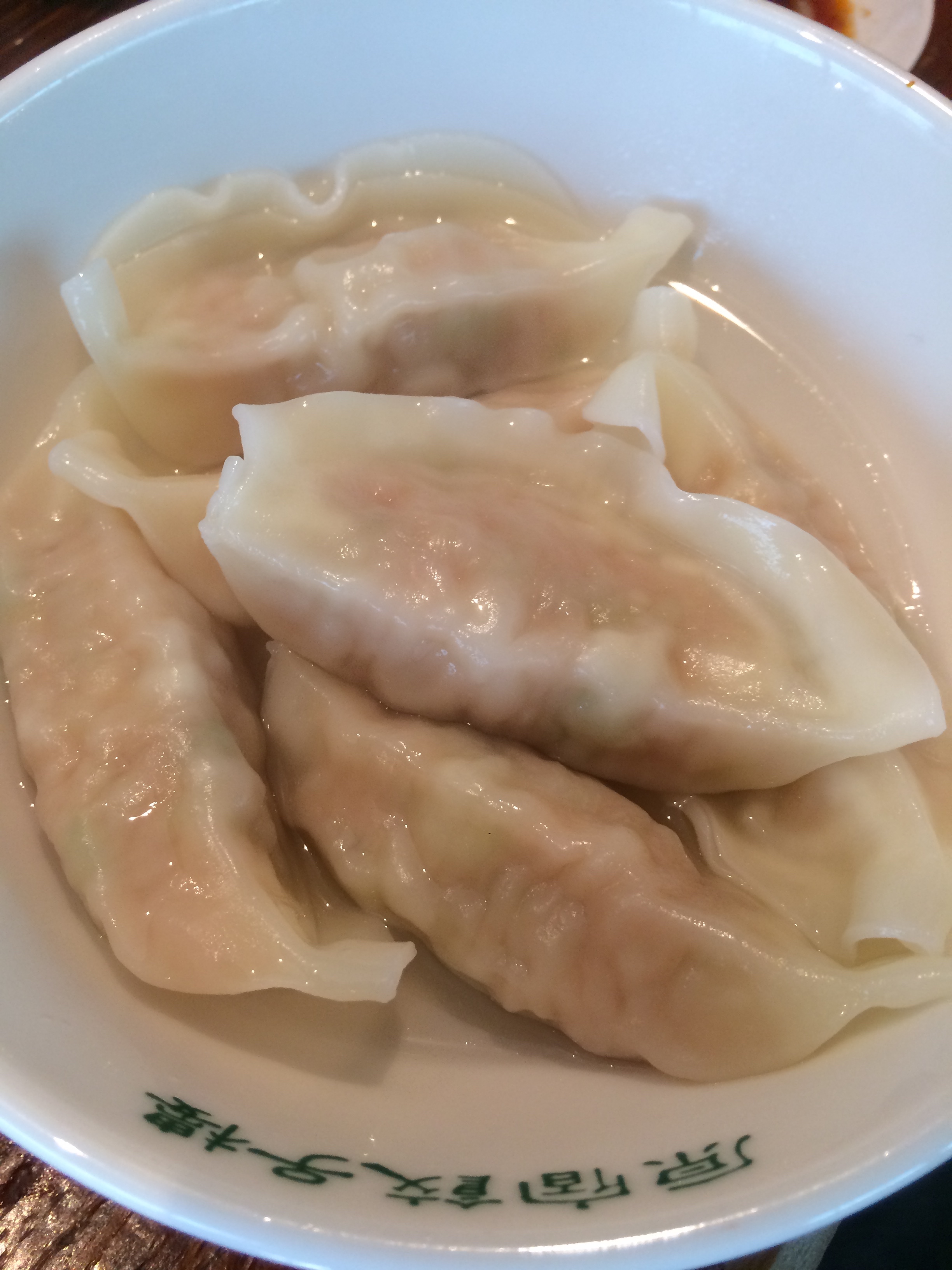
We walked down Cat Street, which is one of my favorite little areas so far. Shops line both sides of the pedestrian street, and it just has a very quaint, almost smalltown feel to it. For lunch we stopped into Gyoza Lou and ate at the bar. The menu is extremely simple…steamed or fried, with onions and garlic or plain/original…but it works!! They also have some side dishes – bean sprouts with some kind of delicious meat sauce, cabbage with vinegar, cucumbers with miso. It was all delicious and a great way to kick off what I know will be 2 weeks packed full of great eats.

IMG_7611 IMG_7609 IMG_7612

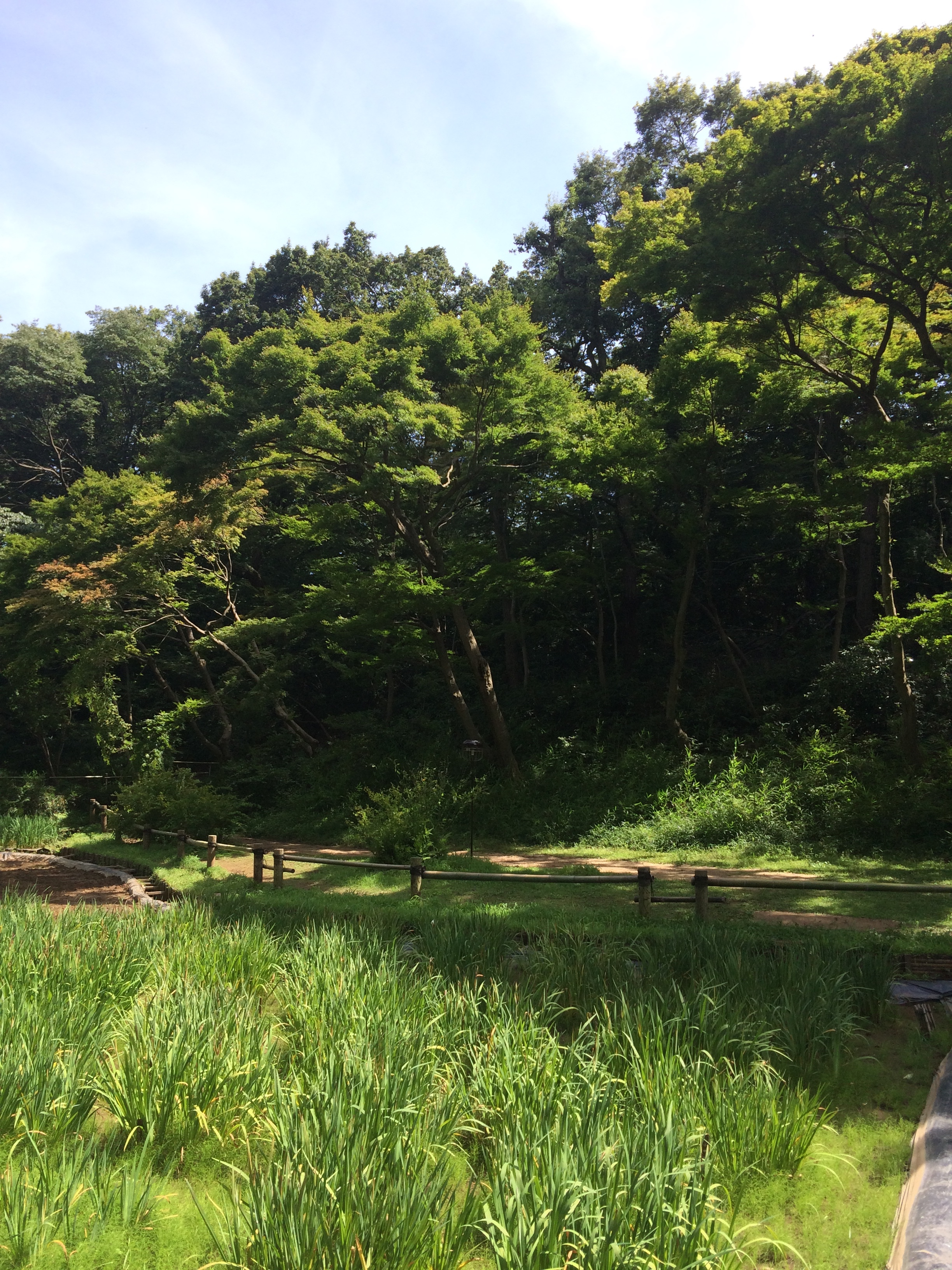
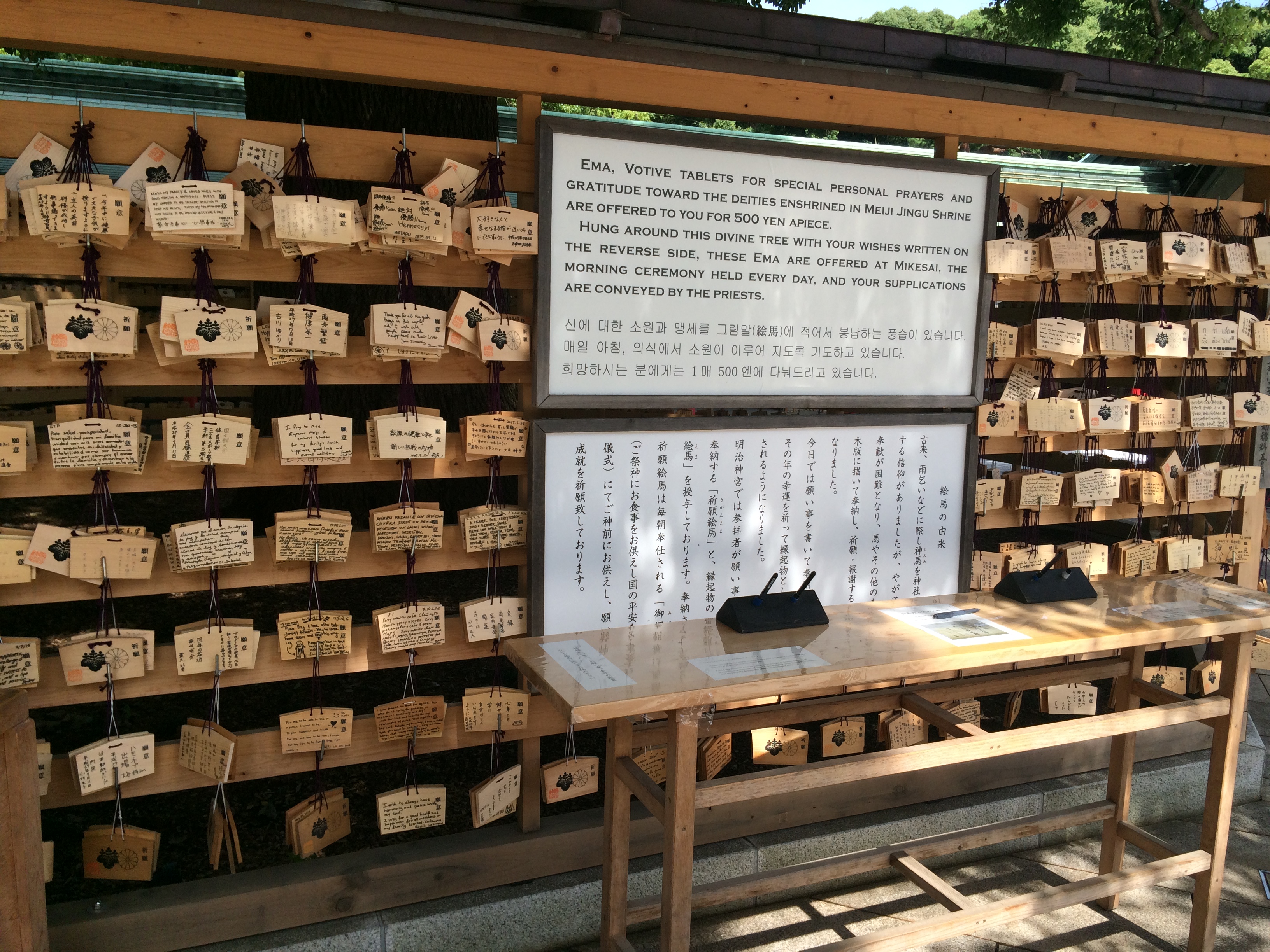
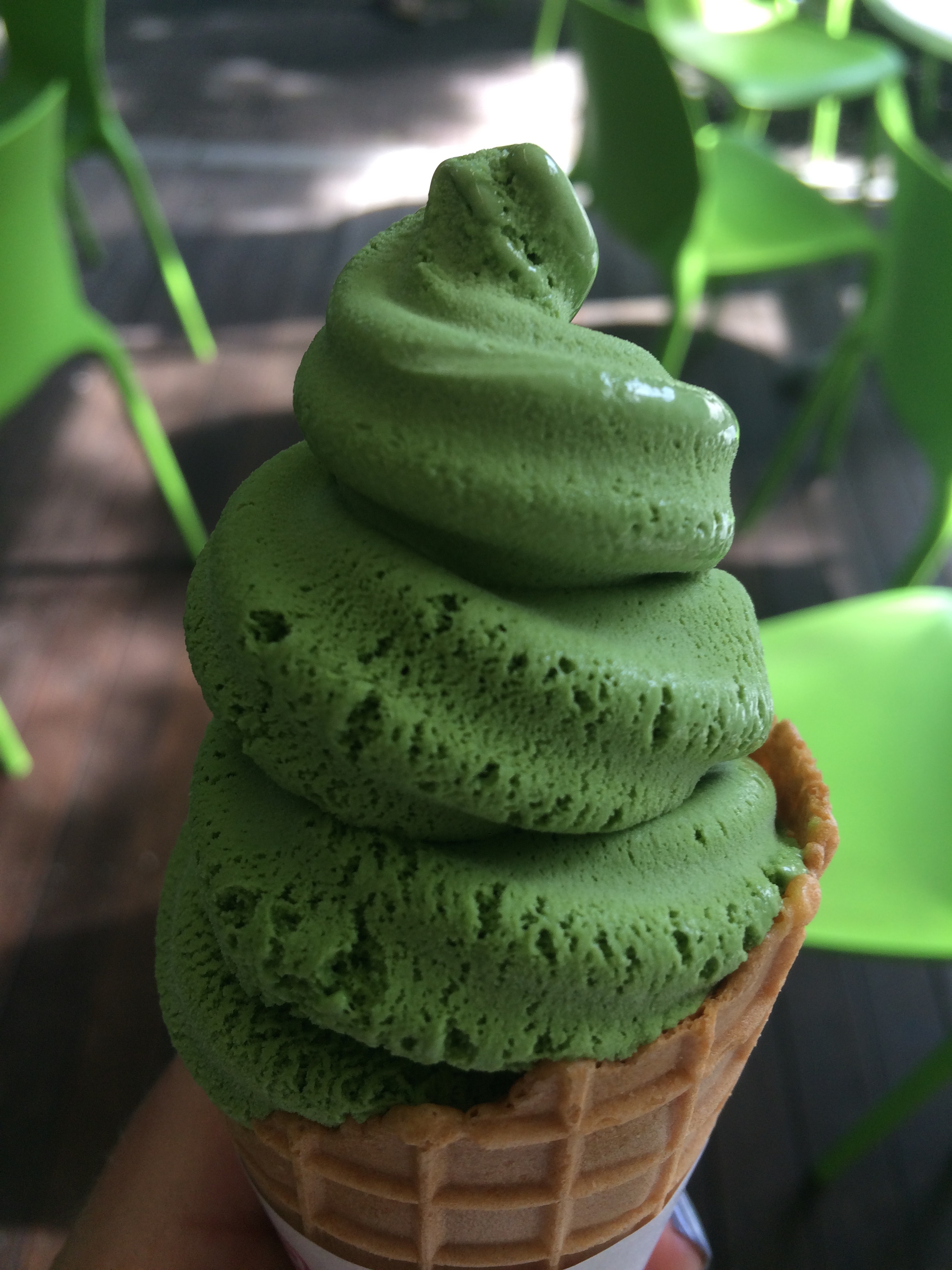
After lunch we continued to tour the area on our walk to Yoyogi Park and the Meiji Shrine. It’s hard to believe that amidst the hustle and bustle of this city there is such a peaceful and quiet area. As soon as you enter the wooden gate of the shrine you feel like you’re in another place. The entire area is gravel with trees lining and covering up top. There are lush Japanese gardens on the grounds as well as the Shinto shrine itself. After ceremoniously bowing twice, clapping twice, and bowing once more, in front of the shrine, we headed out of the park, got ice cream (green tea, for me) and continued on our tour.

IMG_7613 IMG_7630 IMG_7622 IMG_7625 IMG_7624 IMG_7618IMG_7631

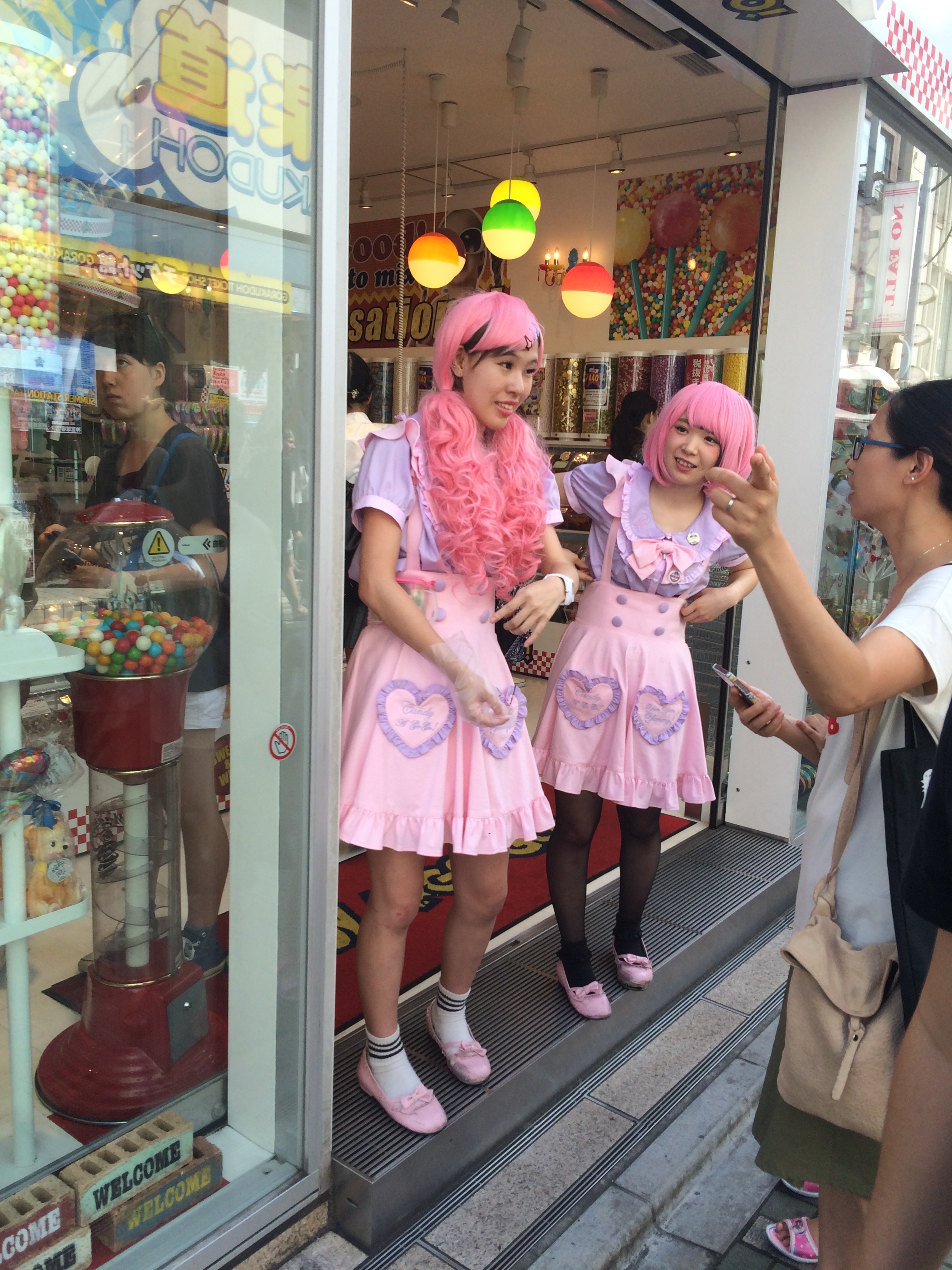
Next up was a walk through the streets of Harajuku to see some of the awesome fashions (more to come in its own post soon).

IMG_7643 IMG_7640

Exhaustion hit around 4:30pm (12:30am PST) and we headed home to relax for a while. We stayed local for dinner and I went to sleep wondering if I would wake up at 4am again like I had that day.

IMG_7726 IMG_7692IMG_7700 IMG_7697

4:30am on Day 2 and I was up again. I debated if I was already too late to make it to the fish market in time for the tuna auction, and seeing as everyone says line up around 3:30am, I opted not to risk it. While I waited for my brother to wake up, I had a rice-ball snack from 7-11 (a risk in itself, just in that it’s a mystery what is in it).

IMG_7584 IMG_7685

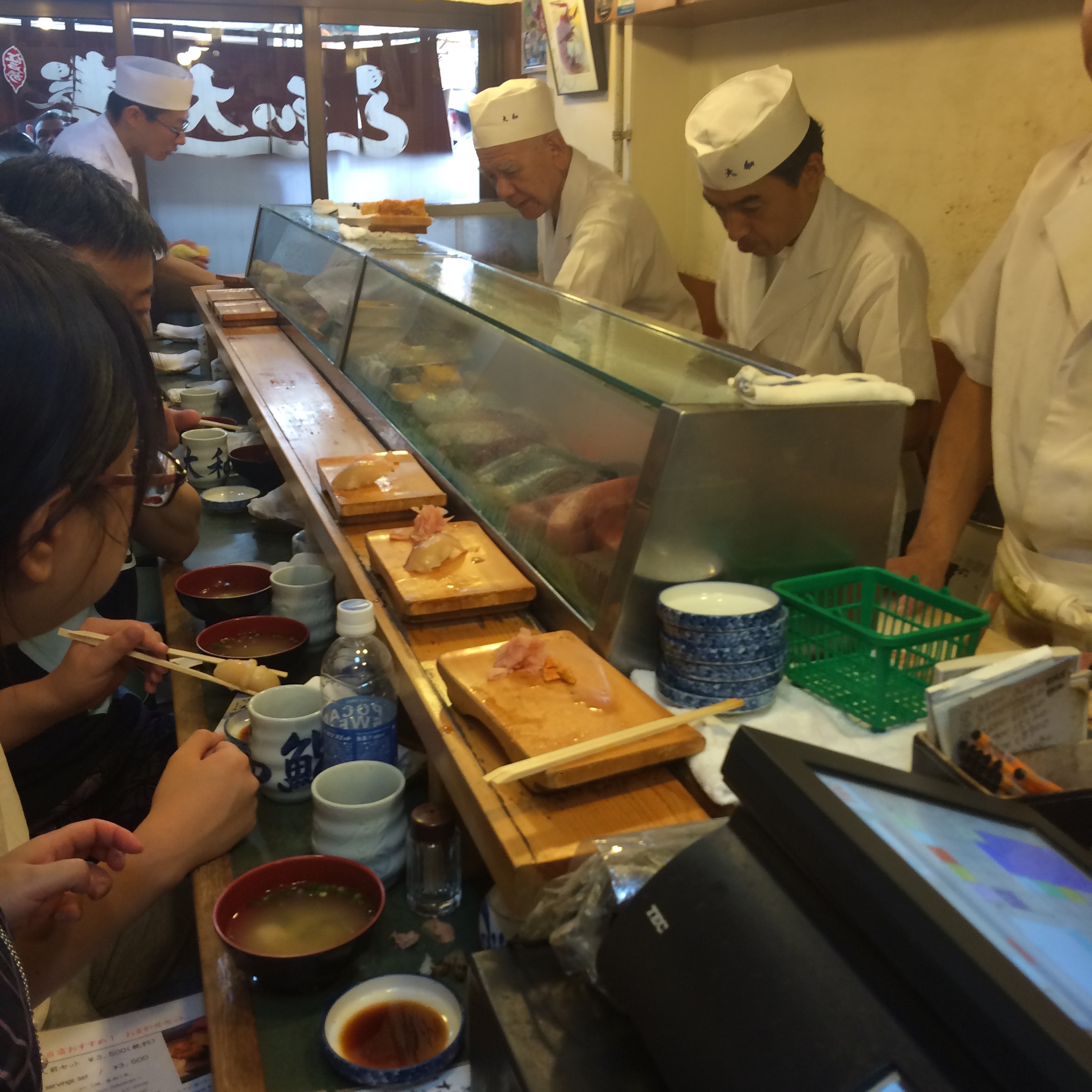
At a slightly more normal breakfast hour we hit up Tsujiki Market for breakfast sushi, instead of the early-morning auction. Hoping to capitalize on the heat and the fact that less people seem to be out and about, we got to the market at around 9 and got in line for Sushi Daiwa. The alleys of the fish market are jampacked with small restaurants serving all sorts of Japanese cuisine. We were eating 30 minutes later, inside at a 10-seat sushi bar. We each ordered “the set” and the sushi began rapidly appearing on my plate. I had heard that many of these sushi meals are very quick, and I wasn’t sure if I had to keep up with the pace of the chef in order to stay in his good graces, but after a couple of pieces I found my groove and stopped rushing.

IMG_7704 IMG_7706  IMG_7707 IMG_7709 IMG_7712 IMG_7713 IMG_7718 IMG_7722

Toro; Squid; Shrimp;Tuna Roll; Salmon Roe Roll; Uni; a fish that has no common American translation; Medium-Fat Tuna; Tamago; Seawater Eel. All served with Miso soup and Green Tea. Not a bad way to start the day!!

IMG_7694 IMG_7695 IMG_7727 IMG_7745IMG_7749 IMG_7735 IMG_7730 IMG_7744 IMG_7702 IMG_7753 IMG_7736 IMG_7746 IMG_7747 IMG_7751 2IMG_7739 IMG_7742

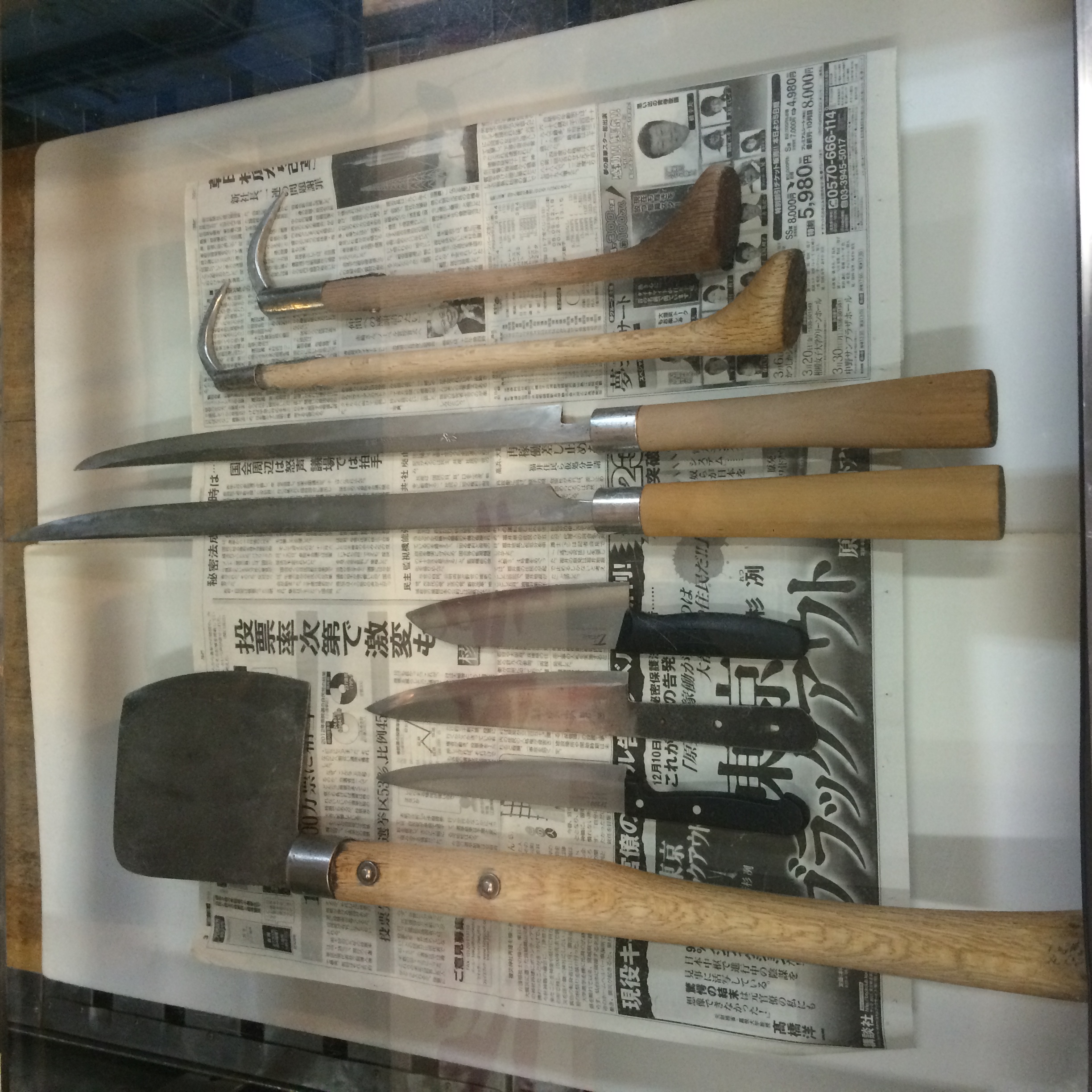
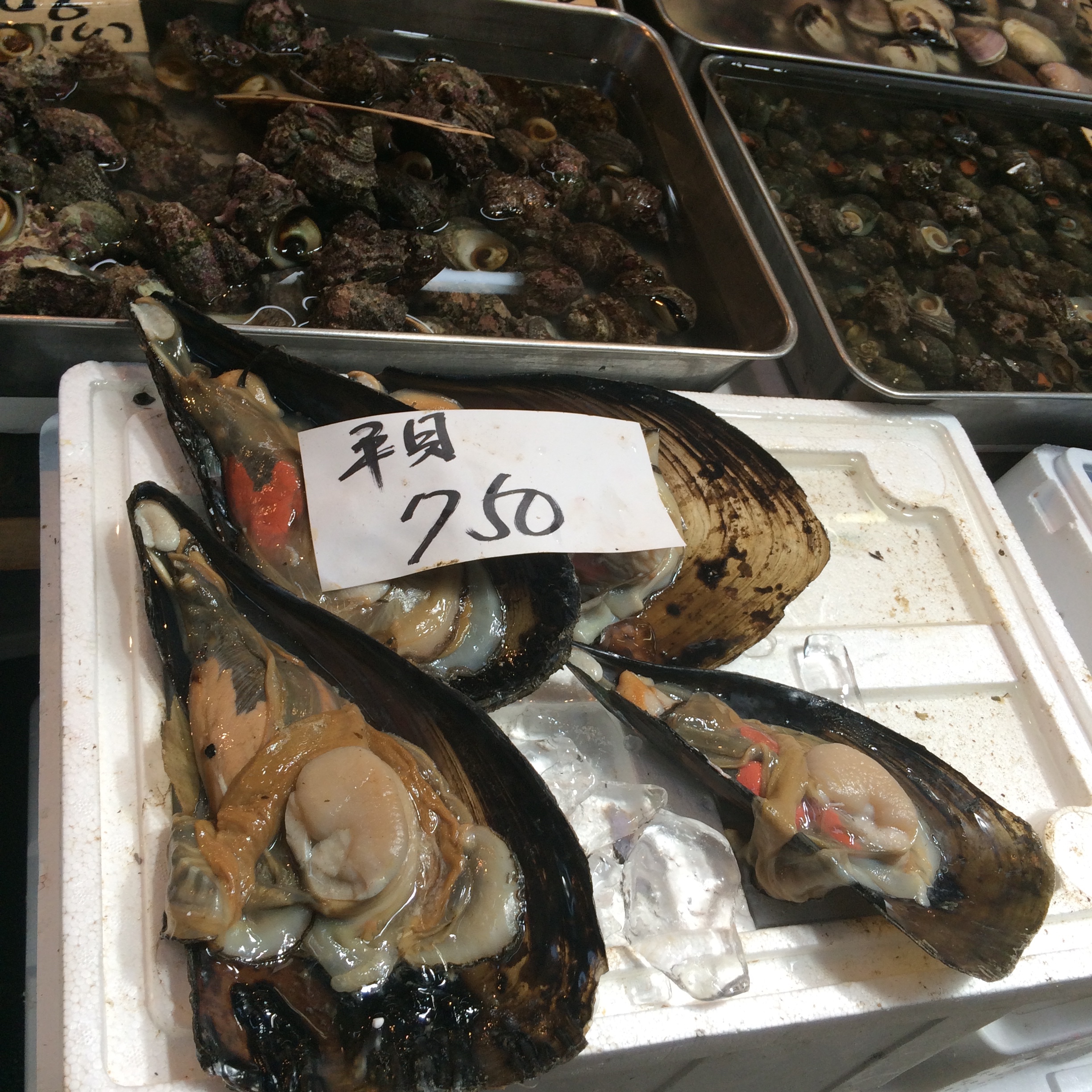
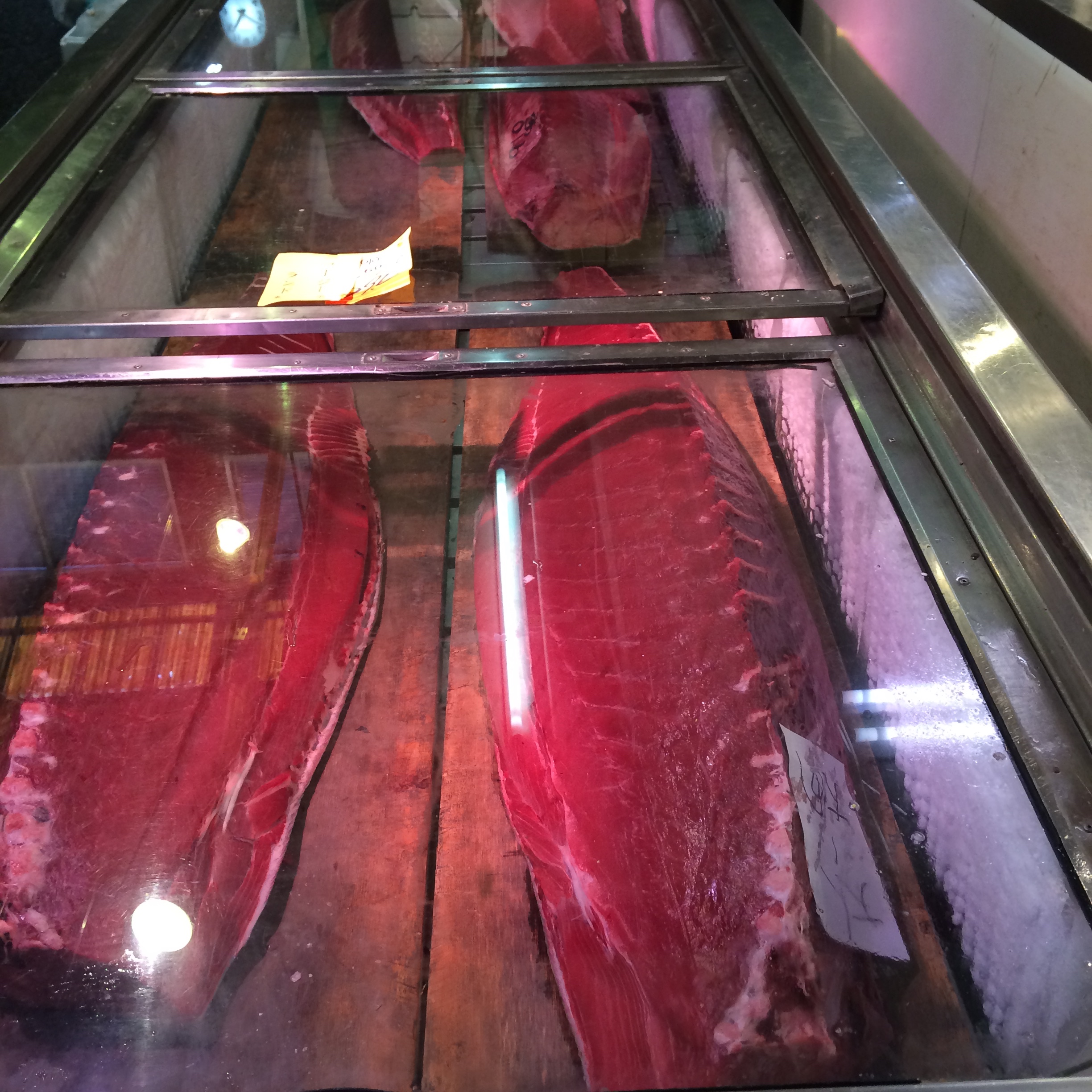
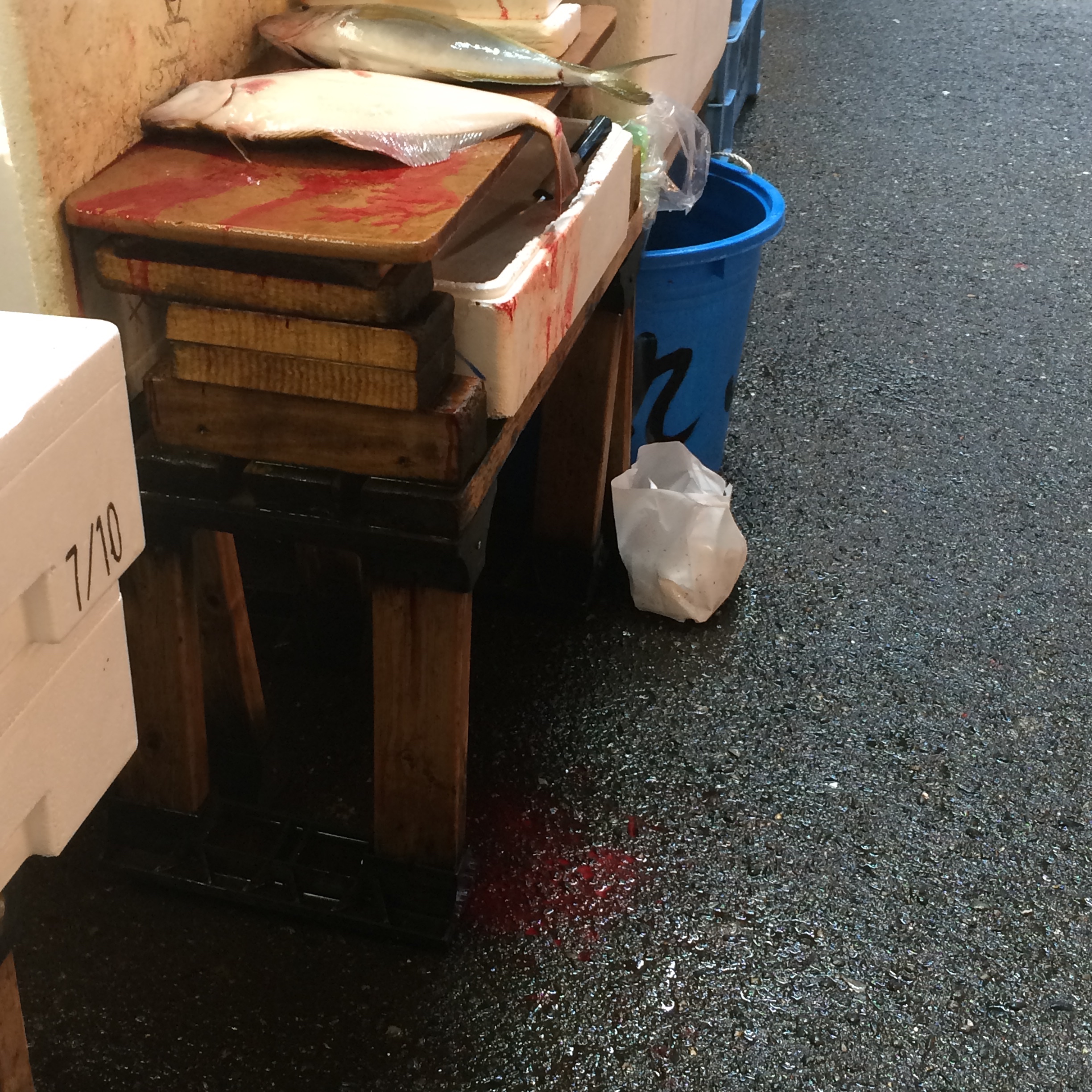
We walked around the fish portion of the market and got to see this vibrant, active market at work, just before closing down for the day. There are men on different vehicles zipping every which way, and if you don’t keep your eyes open you will most definitely get hit…they are not stopping for you! We saw every kind of creature from the sea, and then some, being sold. There were fish heads here, chum there, a fish being gutted over there somewhere, not a moment without visual stimulation!

IMG_7819 IMG_7792 IMG_7782 IMG_7813

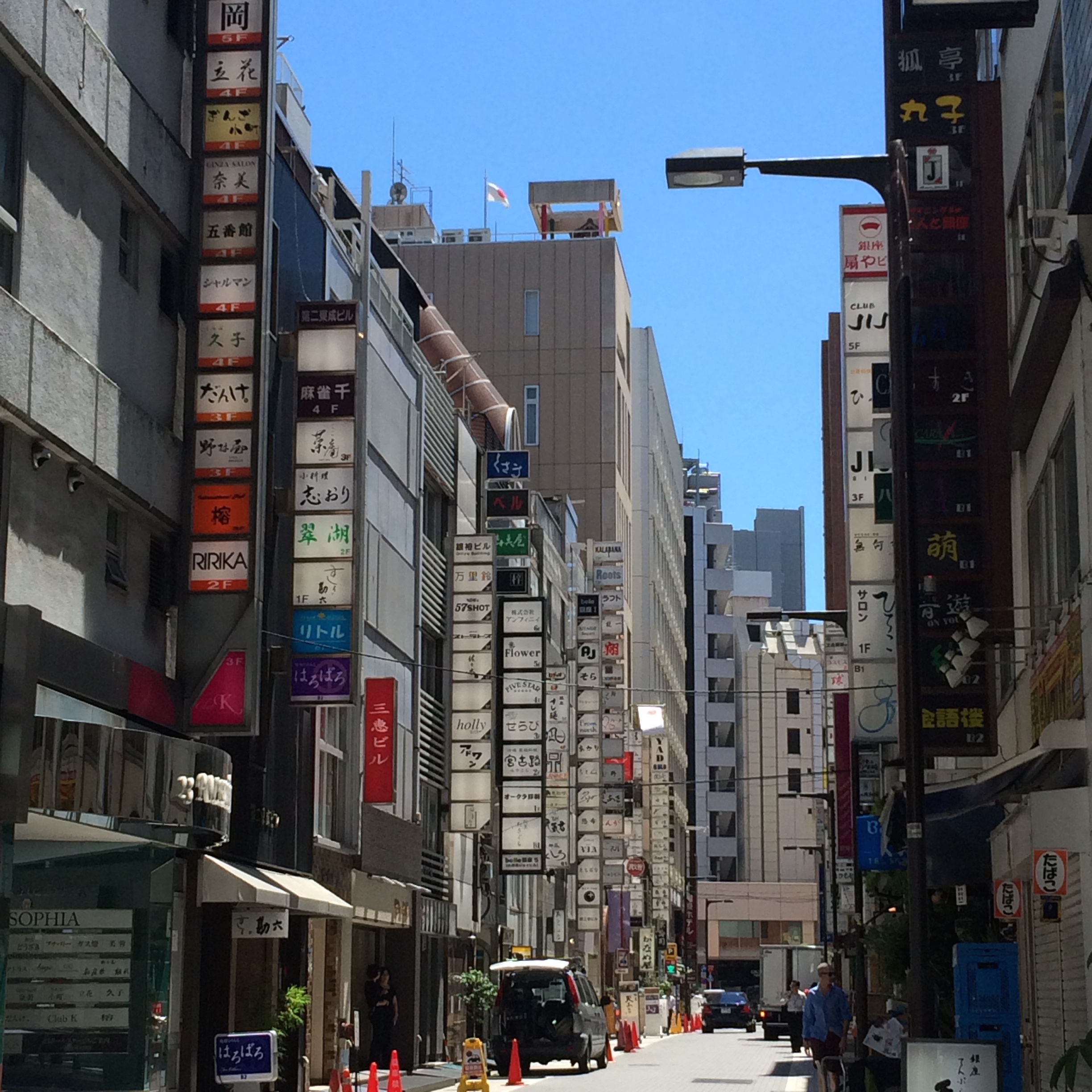
The rest of the day was spent in The Ginza, a big luxury and entertainment district in Tokyo. I’m starting to get the hang of constantly looking up while I’m walking around outside. Each floor of a building can be something else here, so my eyes are always on the lookout. Not to mention the awesome architecture and facade design around every corner!

IMG_7779 IMG_7789

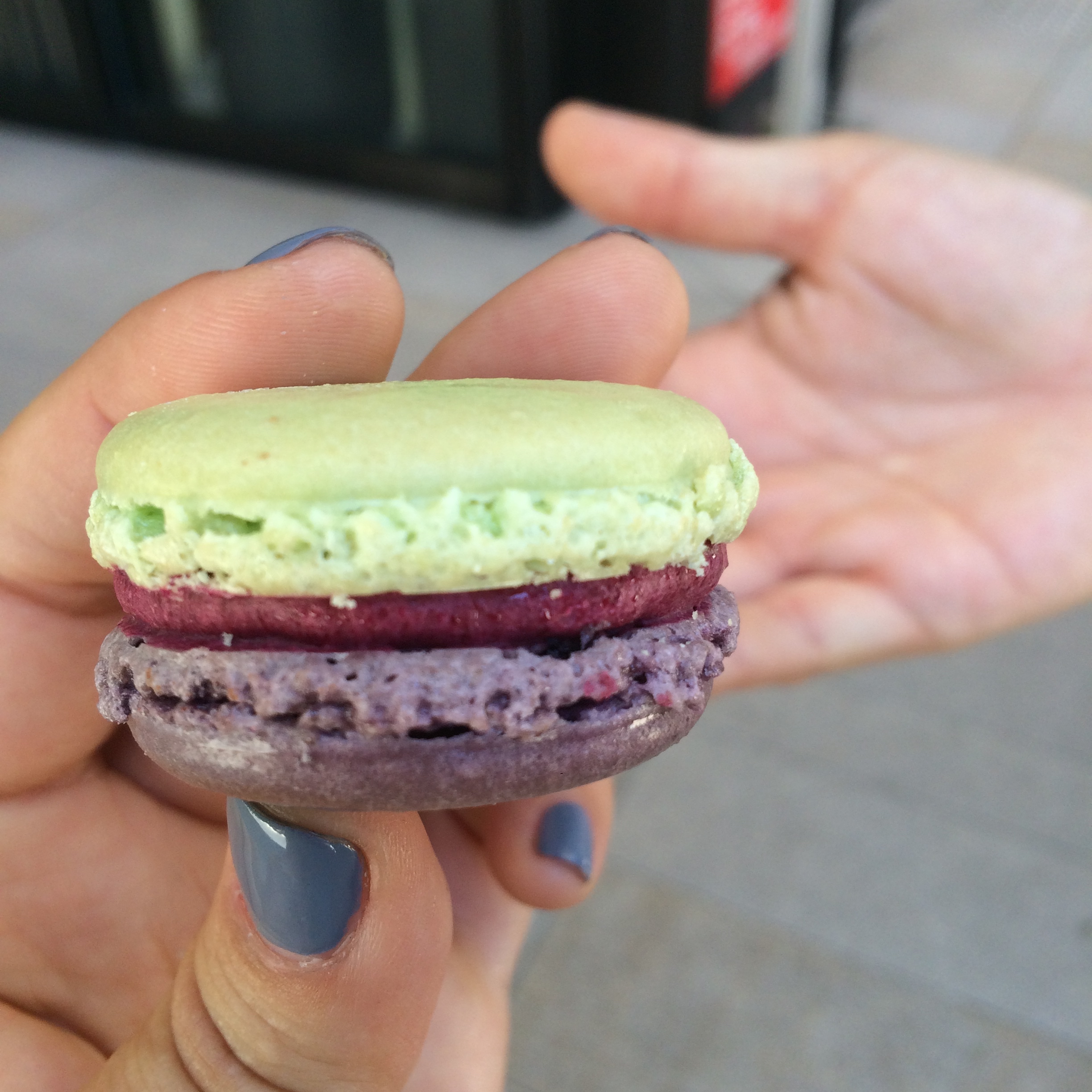
We visited the food halls in the basements of a few of the big department stores and sampled some different treats throughout the day (a basil french macaron, and a mochi with a dried apricot in the center) before a tempura lunch in one of the department stores.

IMG_7834 IMG_7841IMG_7848 IMG_7840 IMG_7839 IMG_7844

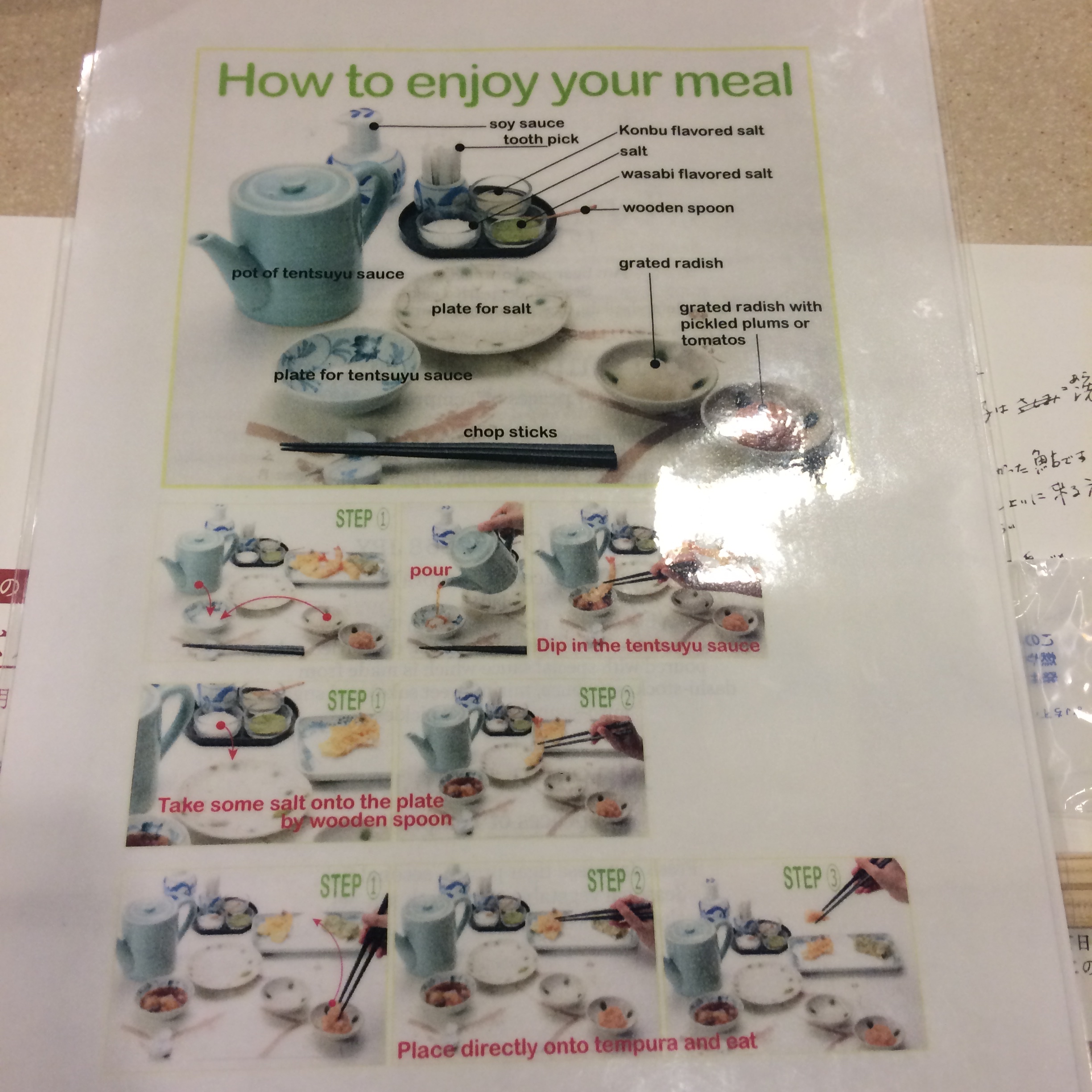
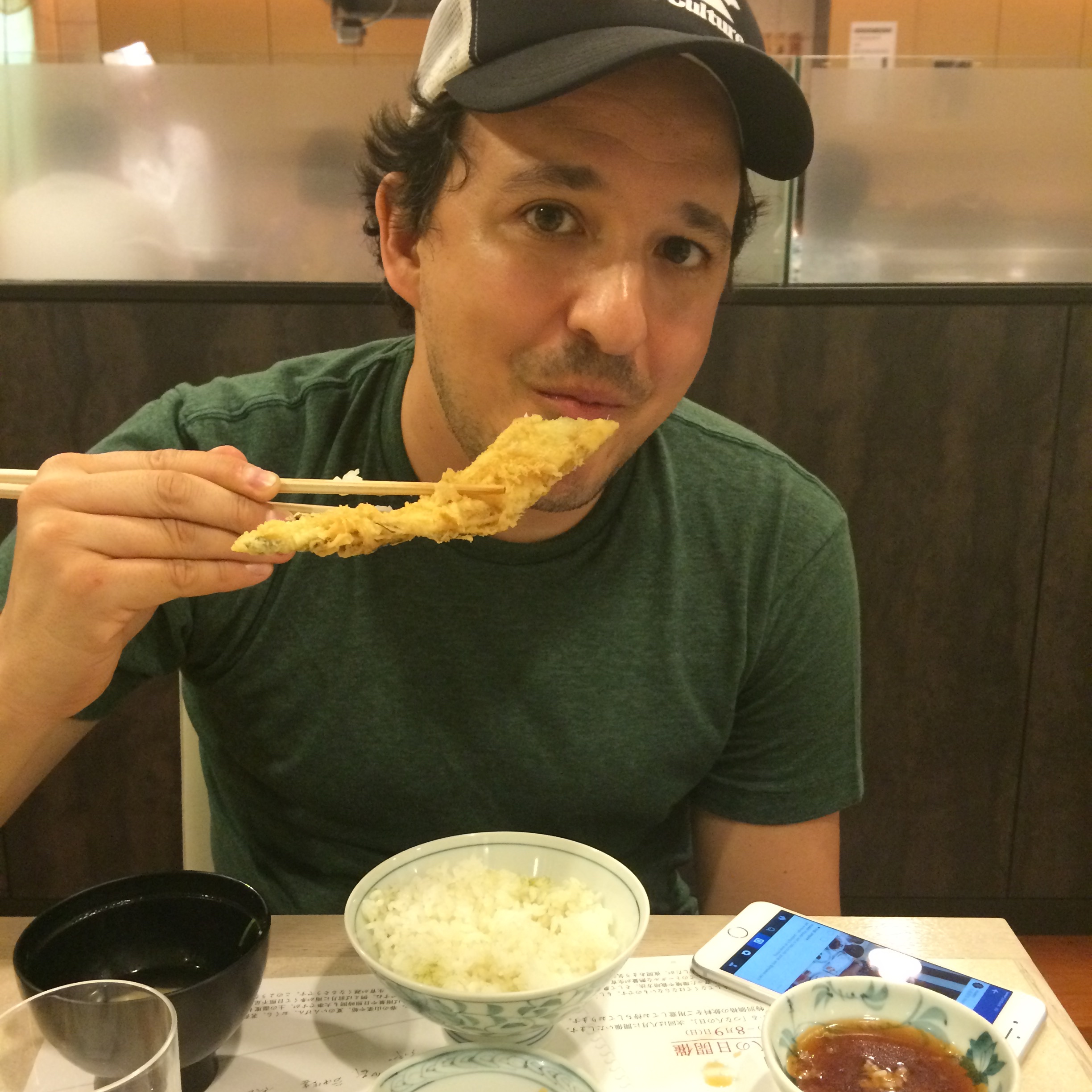
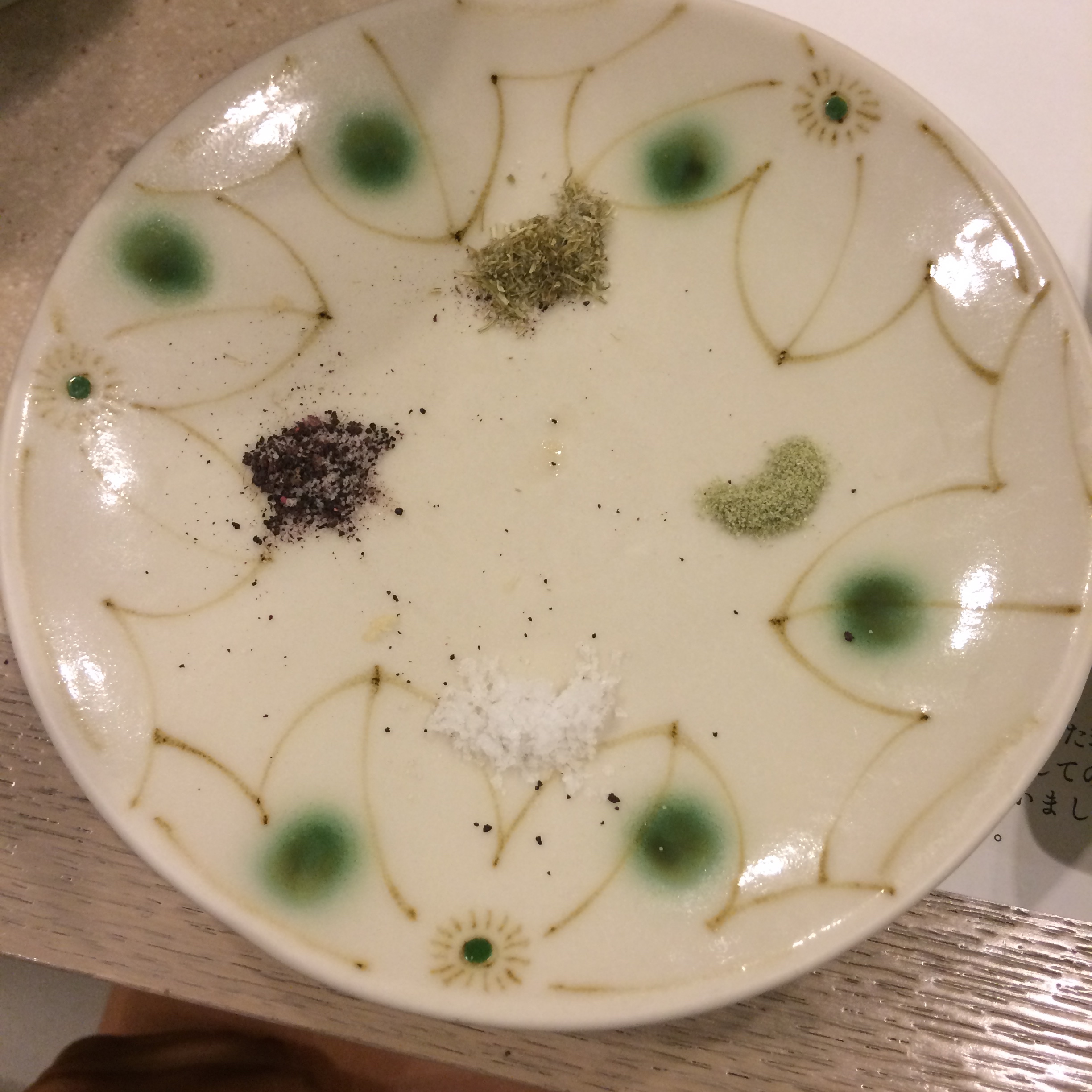
The back of our menus had a handy guide to the proper way to eat tempura. The 4 salts on the side of the table (regular, unclear what the purple one was, wasabi and konbu) are one potential method of seasoning and enjoying your tempura. As soon as I tasted the wasabi salt, all bets were off. I started putting it on everything – my rice, in the gazpacho shot they served with the meal…it really just makes anything taste amazing! (In fact, I’m eating eggs right now and just commented that wasabi salt would be a game changer if we had it).

IMG_7867 IMG_7872IMG_7877 IMG_7879IMG_7874 IMG_7880IMG_7881 IMG_7883

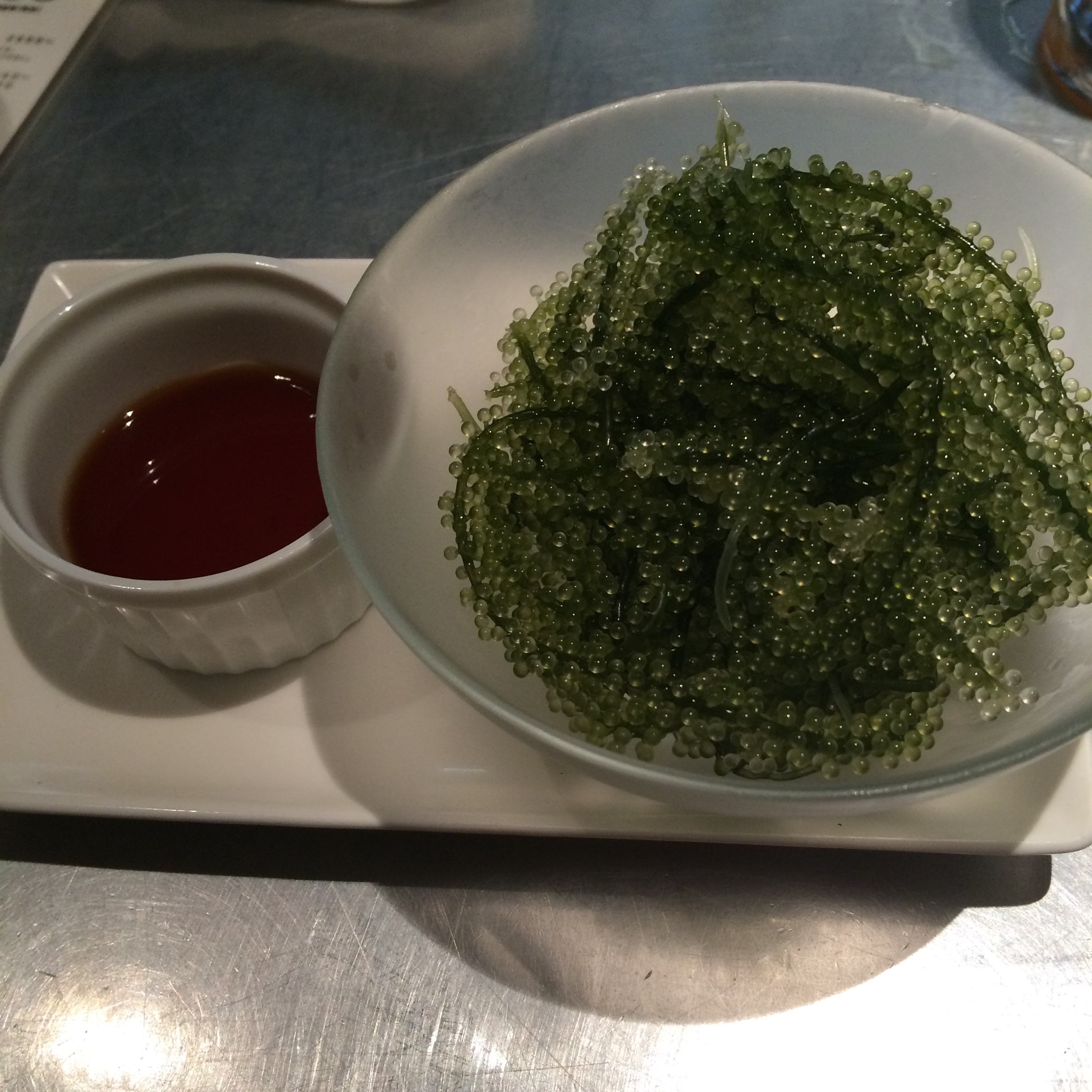
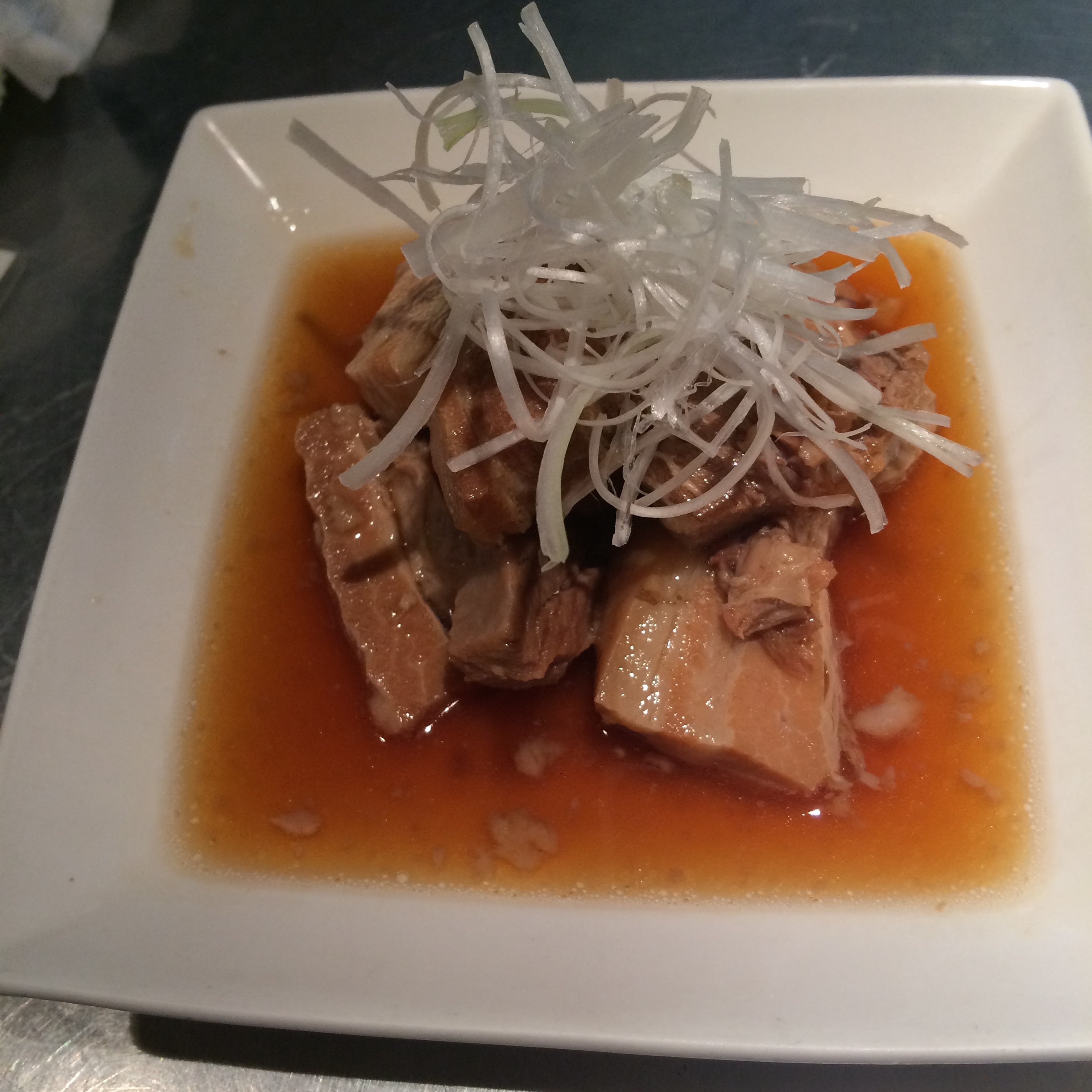
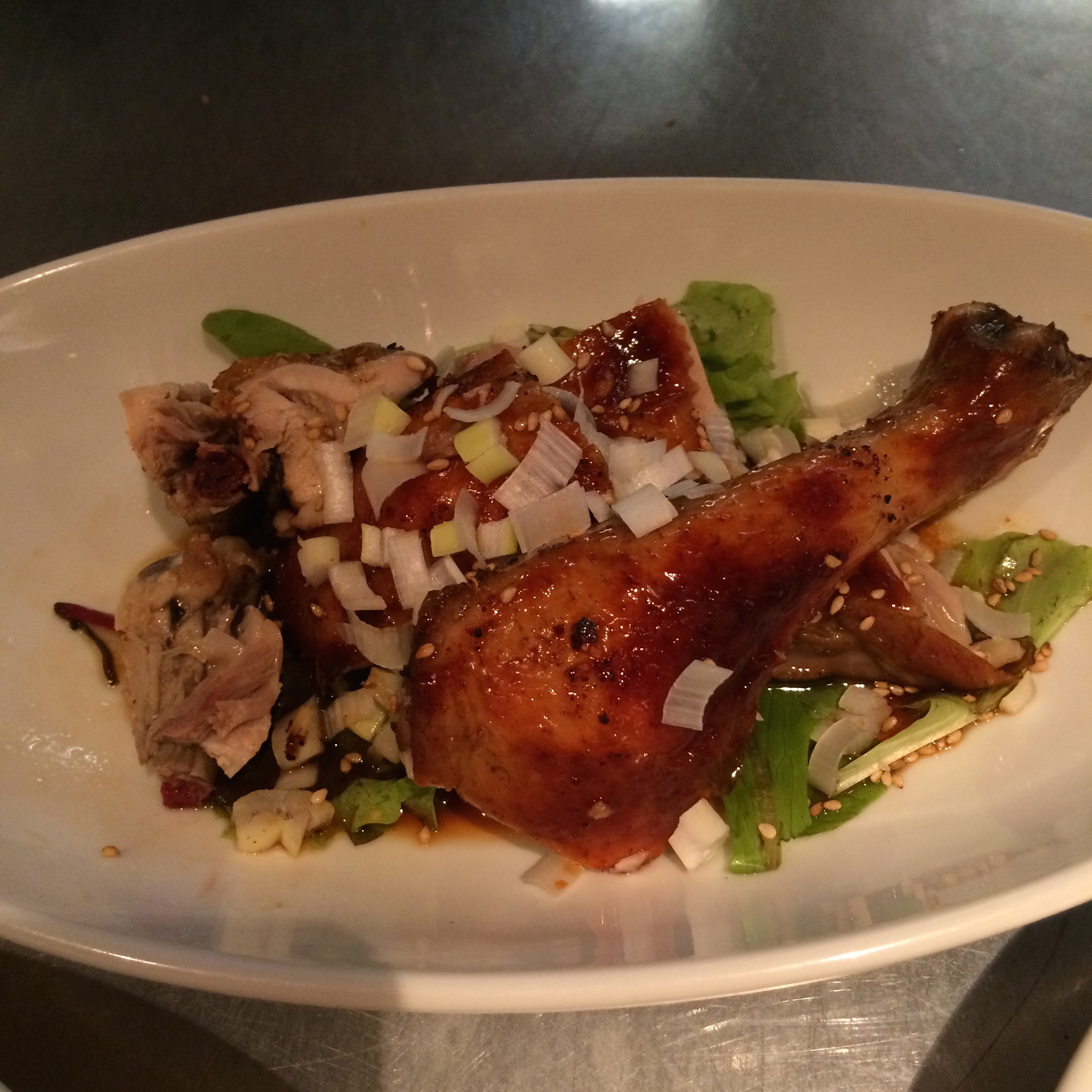
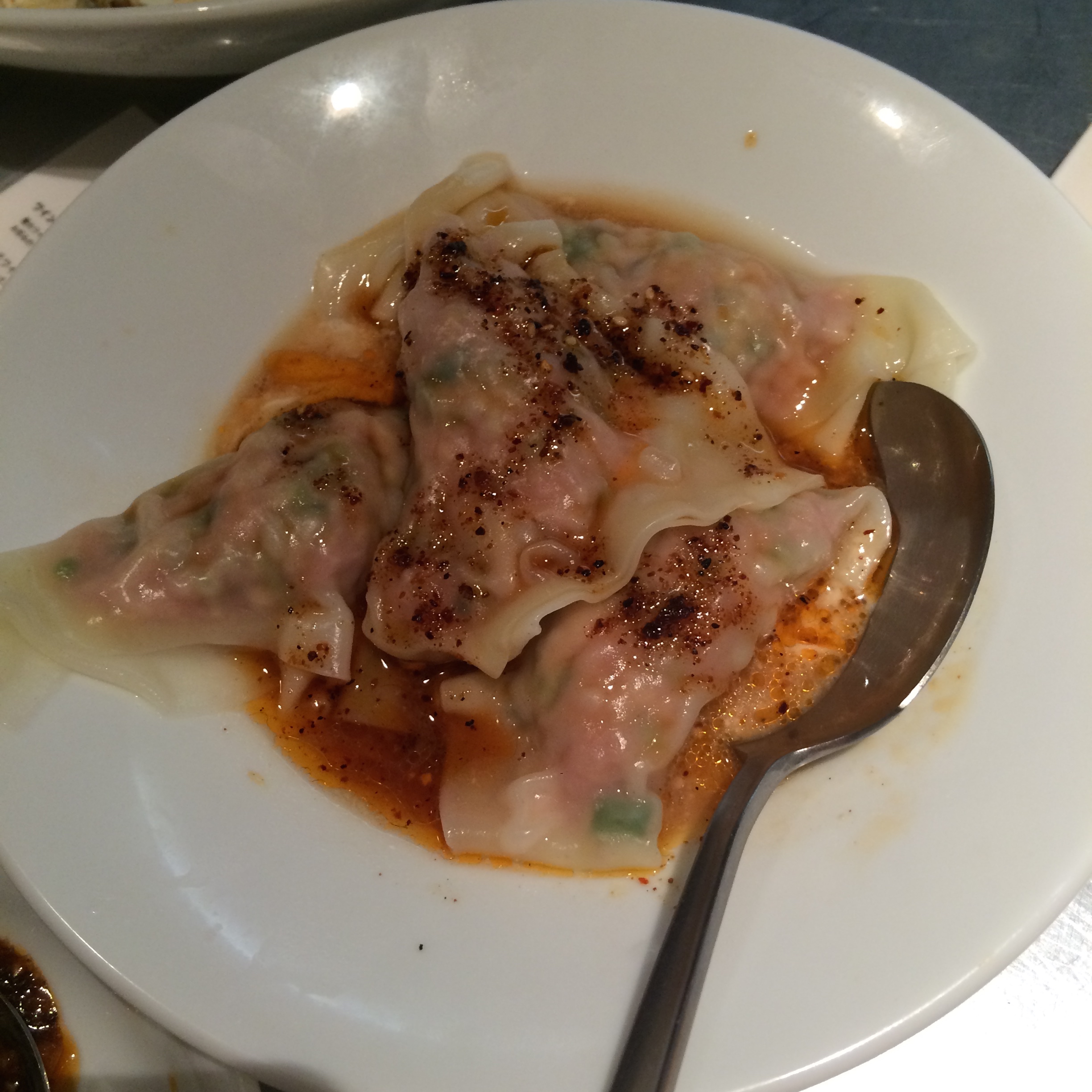
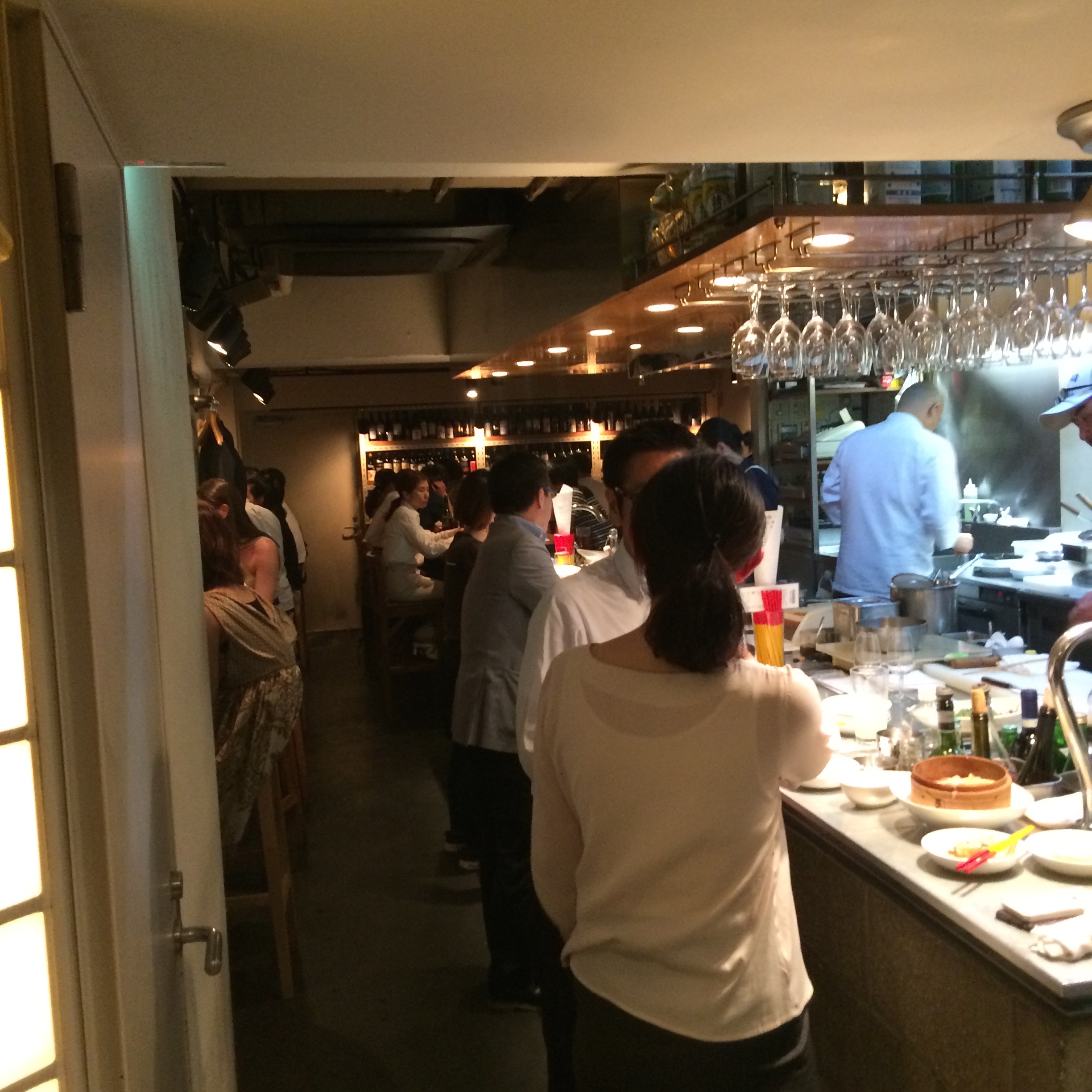
After another 10-mile day we were both exhausted. With the jetlag and time difference hitting hard, I could have easily fallen asleep at 7pm, but I was determined to stay awake until a reasonable hour. We headed out to another local spot that we had passed the night before – Tama. From the outside it reminded me of a tapas bar in Spain – people standing at the bar while the chefs cook in front of you, and then lively tables in the back. Menu was all in Japanese, as they tend to be, which was a challenge. Luckily my brother knows enough to converse with the staff, but ordering is still a bit of a gamble. Tama specializes in food from Okinawa – think Hawaiian, in many ways. We ordered based on what my brother had had last time he was there, as well as just by looking at what the chefs were making for others, and the result was SO MUCH FOOD. We started with delicious seaweed called Umibudo, which has an awesome texture. Then an omelette with seasweed and salad with bitter melon, spam, tofu, and egg. We finished things up with a delicious spicy tofu dish, some pork belly, a chicken dish, and finally wontons in a sesame sauce. It was all delicious, and I loved the atmosphere here.

IMG_7675

A great end to two days packed full of exploring. I couldn’t stay up much past 10:30pm, but I actually got 6 hours of sleep so hoping that things are moving in the right direction towards normalizing. Stay tuned, it’s only just begun!!

TUNE IN TOKYO!

CAN’T SAY NO TO NOCINO

IMG_7488_2IMG_6107

Ever since visiting friends in Bologna, Italy a few years ago, I have been hooked on ‘hooch’…nocino to be specific. Nocino is a liqueur from the Emilia Romagna region in Northern Italy. On my first night in Bologna, Francesca and Peter told me about this digestif made from green walnuts. I’m slightly allergic to walnuts so I was slightly afraid to try this drink, but truth be told there is so much alcohol in nocino that it must break down any component that I would have a reaction to. Luckily,I had no reaction and from there it became my answer to the jet lag I was suffering through at the beginning of my trip. A couple nocinos in and I was ready for bed :).

IMG_7486 IMG_7491_2 IMG_7489

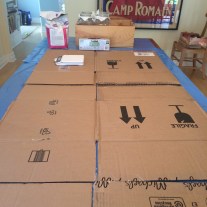
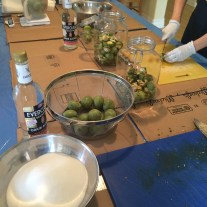
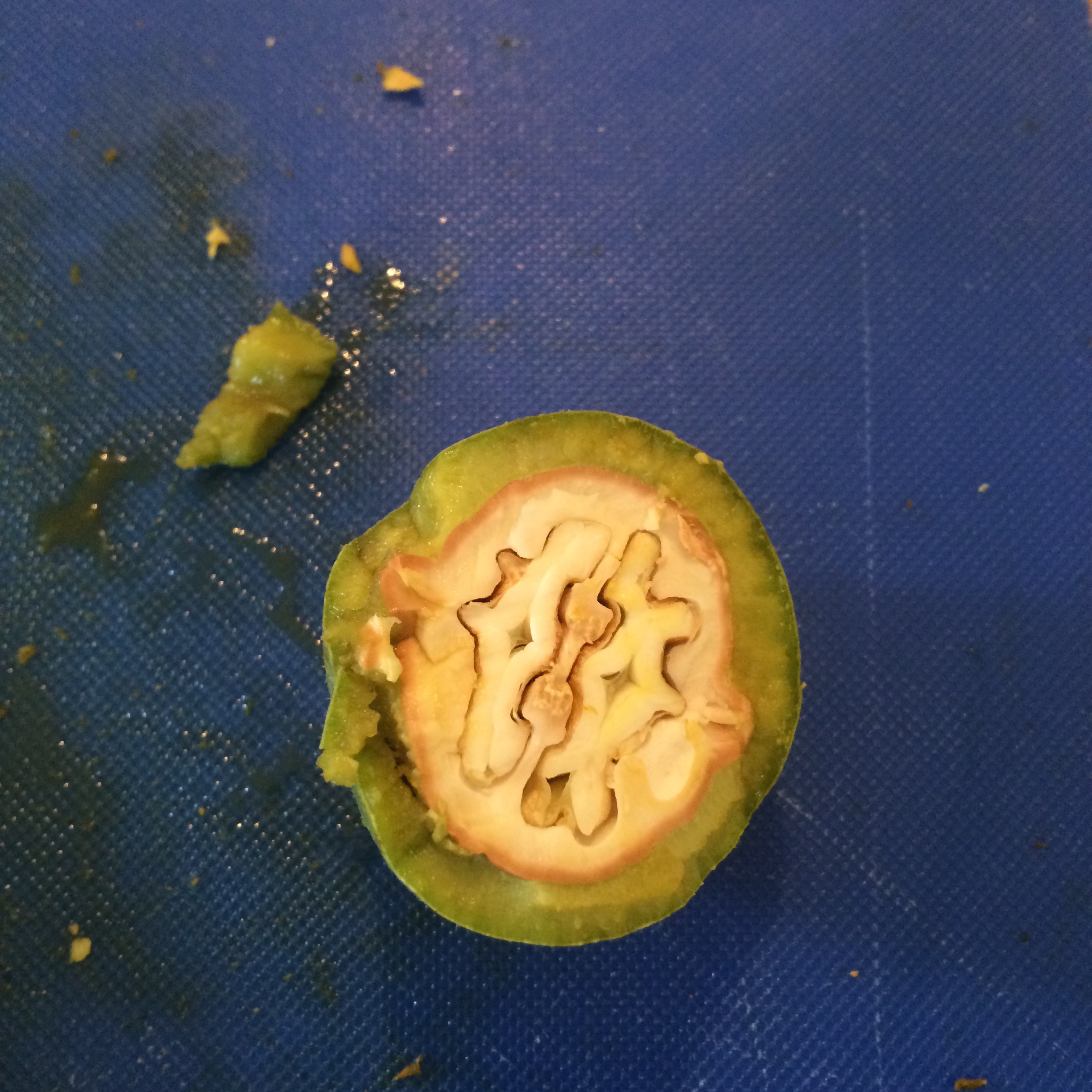
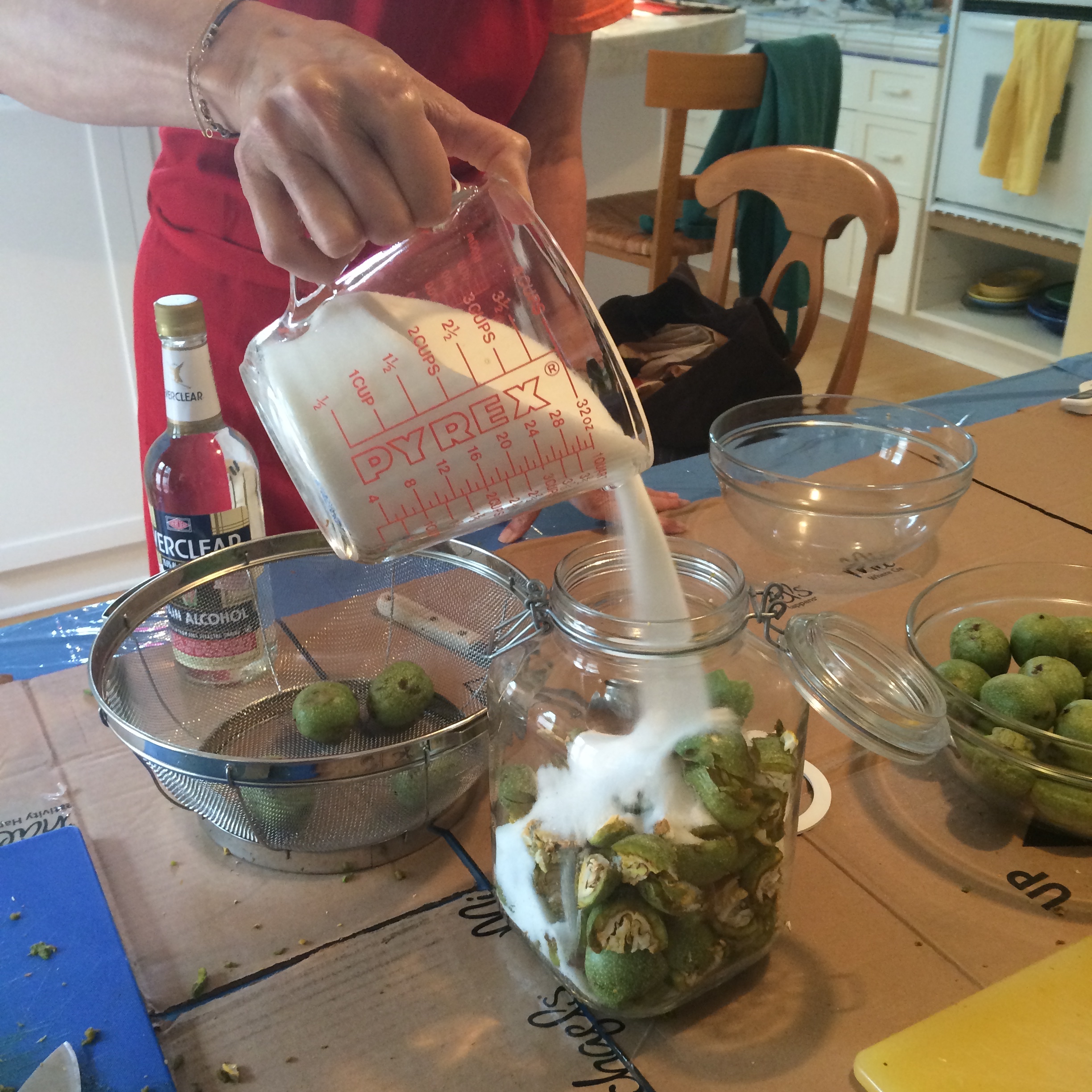
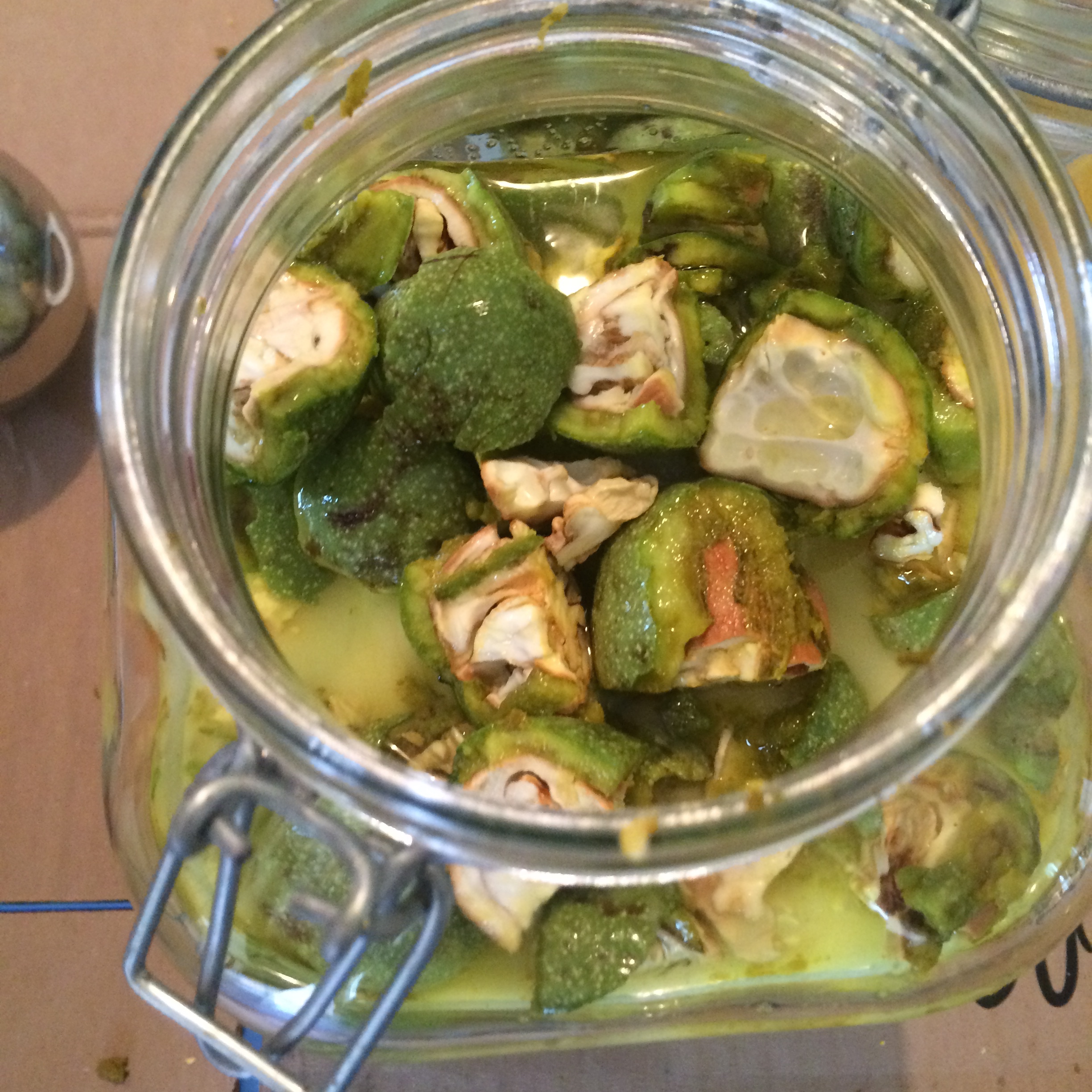
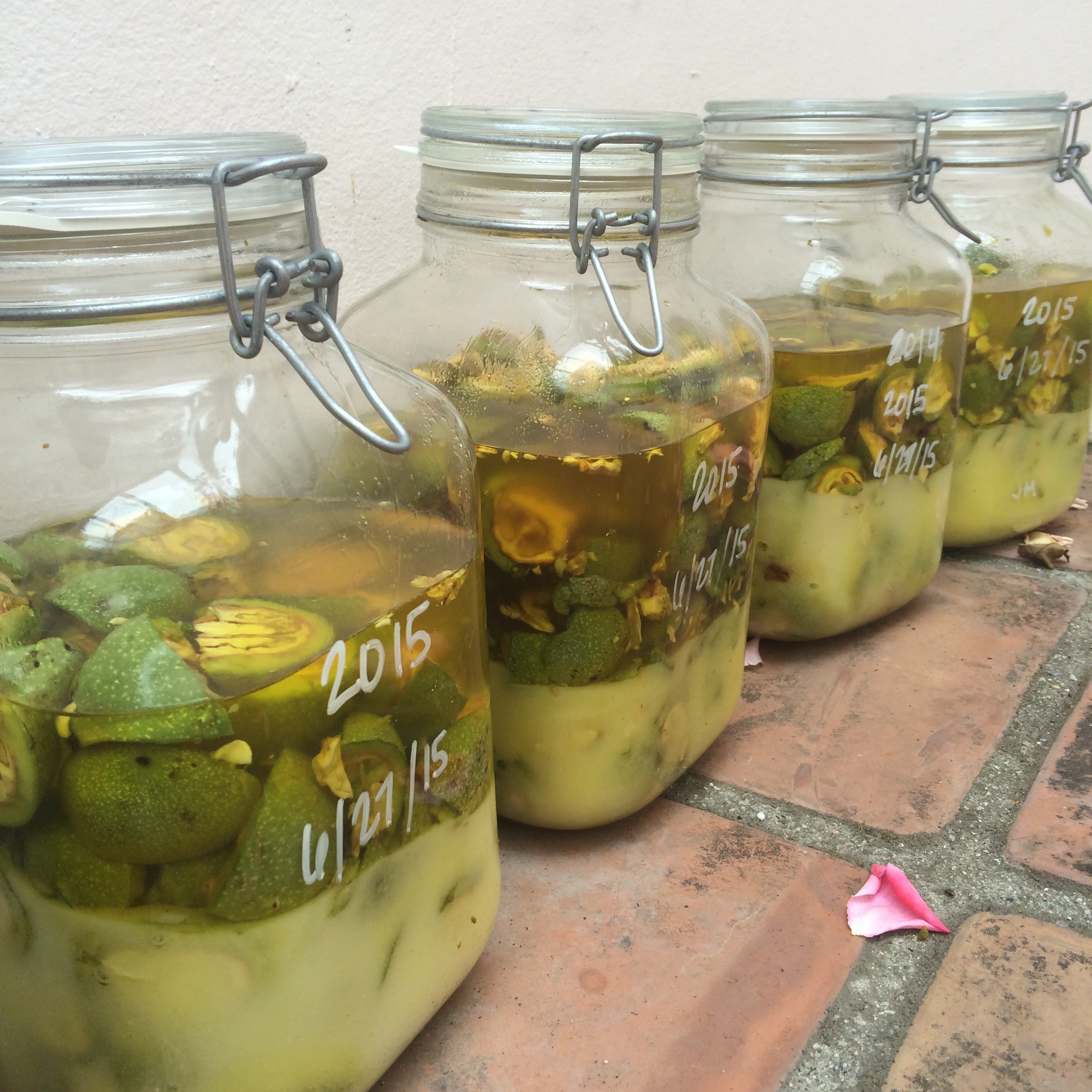
For the past few years my friends at D.O.P Kitchen have made their own nocino in Los Angeles and I have been lucky enough to be able to join in the process a couple of times. We started the batch for 2015 last week. Nocino needs 6 months to sit in the sun before it’s ready to drink, so, in June, around the summer solstice, green walnuts are harvested, chopped and quartered, and combined with sugar and grain alcohol (Note: green walnuts are just unripe walnuts). Some add spices to their nocino mixture, but we learned from our friends at Bluone who are natives to Emilia Romagna and therefore who would never add anything to their walnuts…I guess if it ain’t broke, right?!

IMG_7493_2 IMG_7494IMG_7496_2 IMG_7501_2 IMG_7500

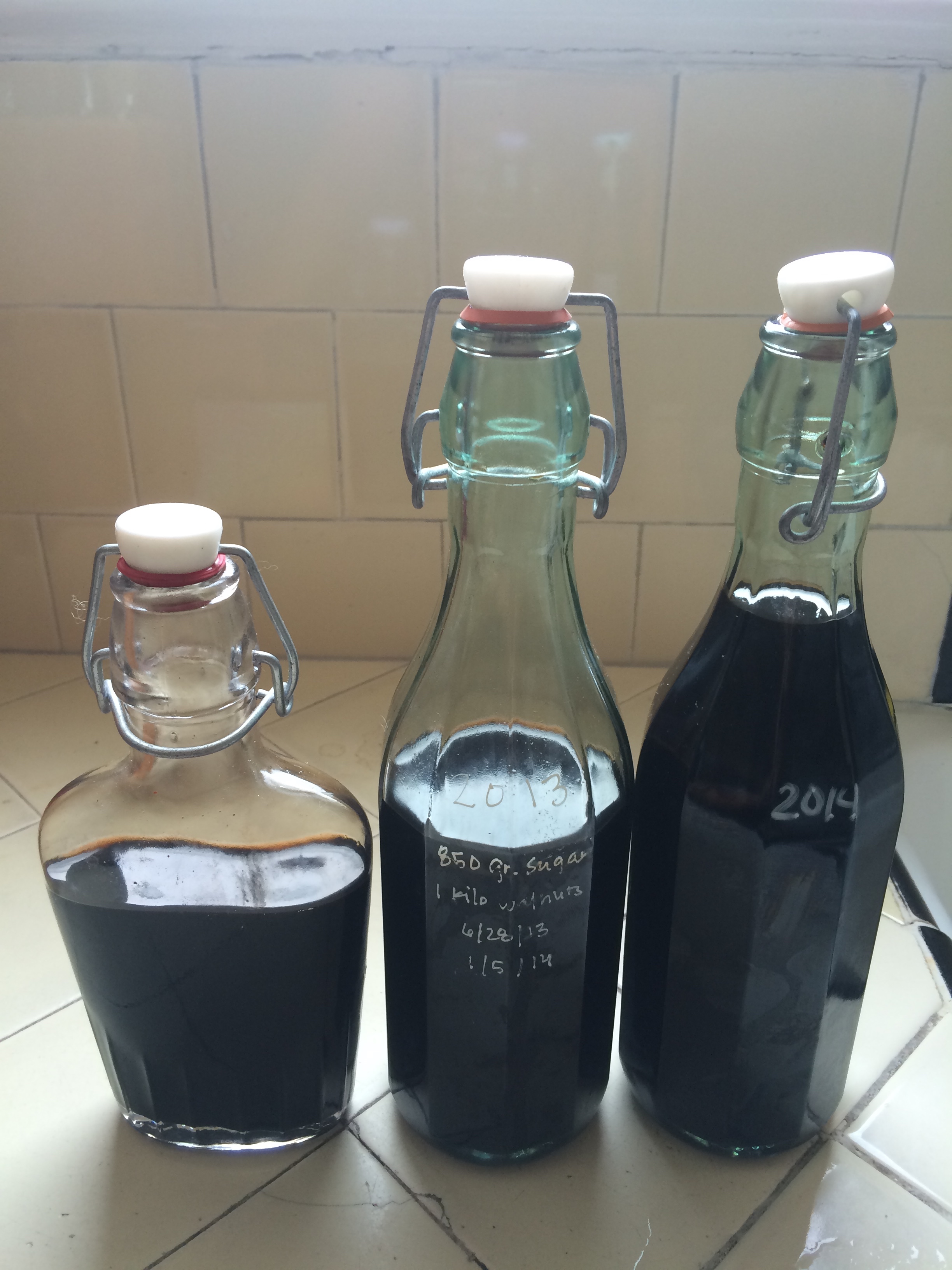
As you can see, the green walnut/sugar/alcohol mixture is clear in June, but by December when it is decanted it is a somewhat thick, dark brown liqueur. I have all 3 vintages of D.O.P Nocino: 2012, 2013 & 2014 in my liquor cabinet at home and when 2015 is ready at the end of the year, I will be doing a tasting/flight for myself…and anyone else who wants to partake. I think the 2012 will be perfect to pour over some ice cream while the 2014 and 2015 will be great to keep sipping on…but I’ll have to let you know for sure in January. Until then, if you happen to see Nocino on a menu, give it a try, I don’t think you will be disappointed!

IMG_7506_2 IMG_7570 IMG_7571

CAN’T SAY NO TO NOCINO