You’ve seen and heard about some of the great meals that I’ve had thus far in BA, but I haven’t talked about the more traditional foods here yet…well other than the ice cream, of course.
Yesterday I took an Argentine cooking class, so this seems as appropriate a time as any to talk about real Argentine food. Of course Steak is the biggie here. Whether it’s Ojo de Bife (Rib Eye), Bife de lomo (Tenderloin), or Bife de chorizo (NY Strip), you really can’t go wrong. Typically very plain, just seasoned with salt, but served with chimichurri, a somewhat spicy oil-based sauce with herbs…which is for me the whole reason to be eating the steak in the first place, but that’s just me. On practically every block there is a Parrilla – a restaurant with a grill – and they all serve steaks, other grilled meats, and a variety of sides dishes.

The other night I had a true Parrilla experience when I went to La Cabrera, thought to be one of the best in BA. A friend told me I couldn’t leave this country without trying the Proveleta, a pot of grilled Provolone with herbs, even if I was eating alone. So, I started with a half order of the Proveleta, still probably enough for 4 people, followed by a half-sized Bife de chorizo, again far too much meat for 1. At La Cabrera they bring you all sorts of vegetable side dishes – some with cheese, some with ham, potentially 1 or 2 on the healthier side (ie sans fat).
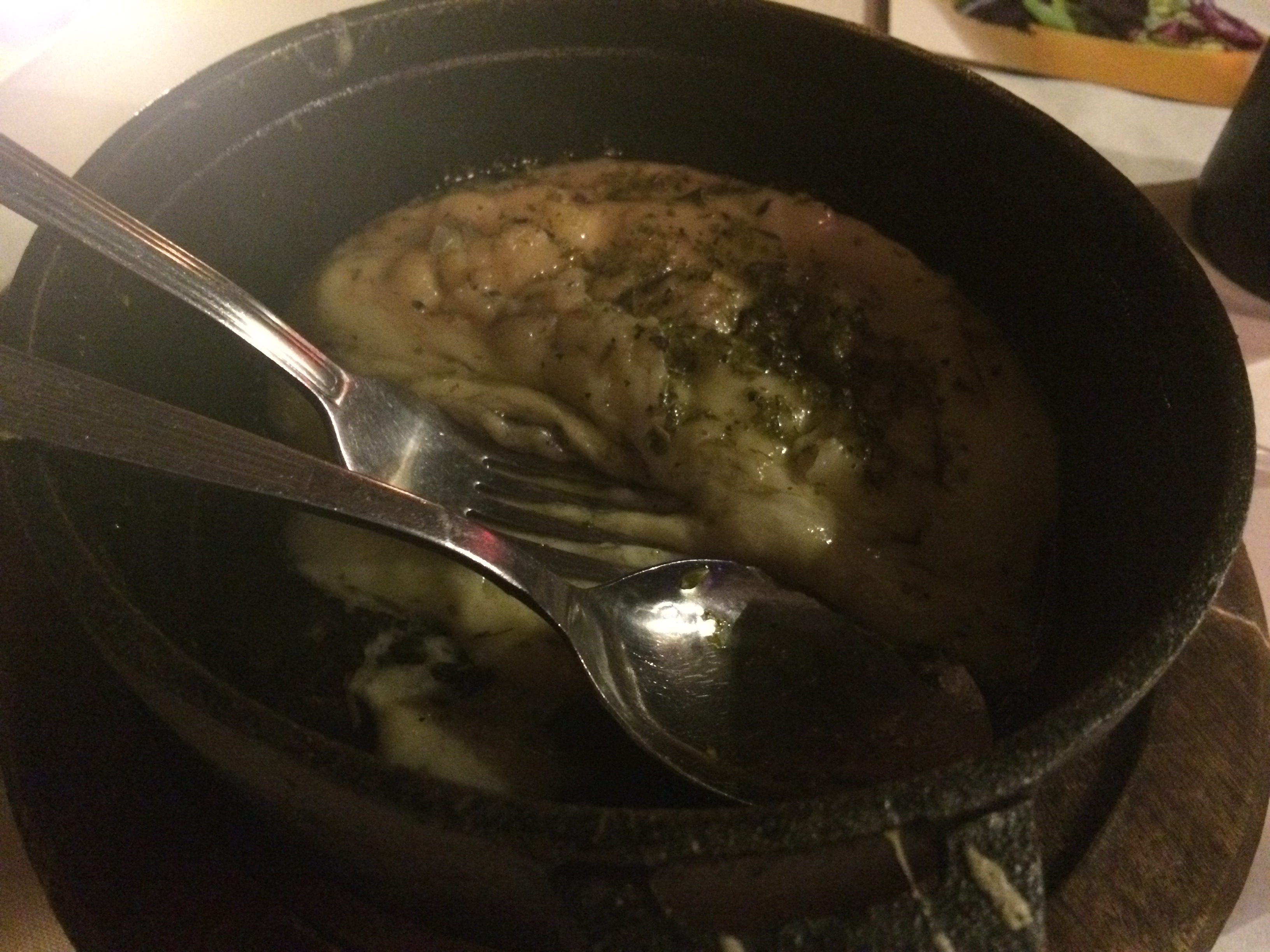
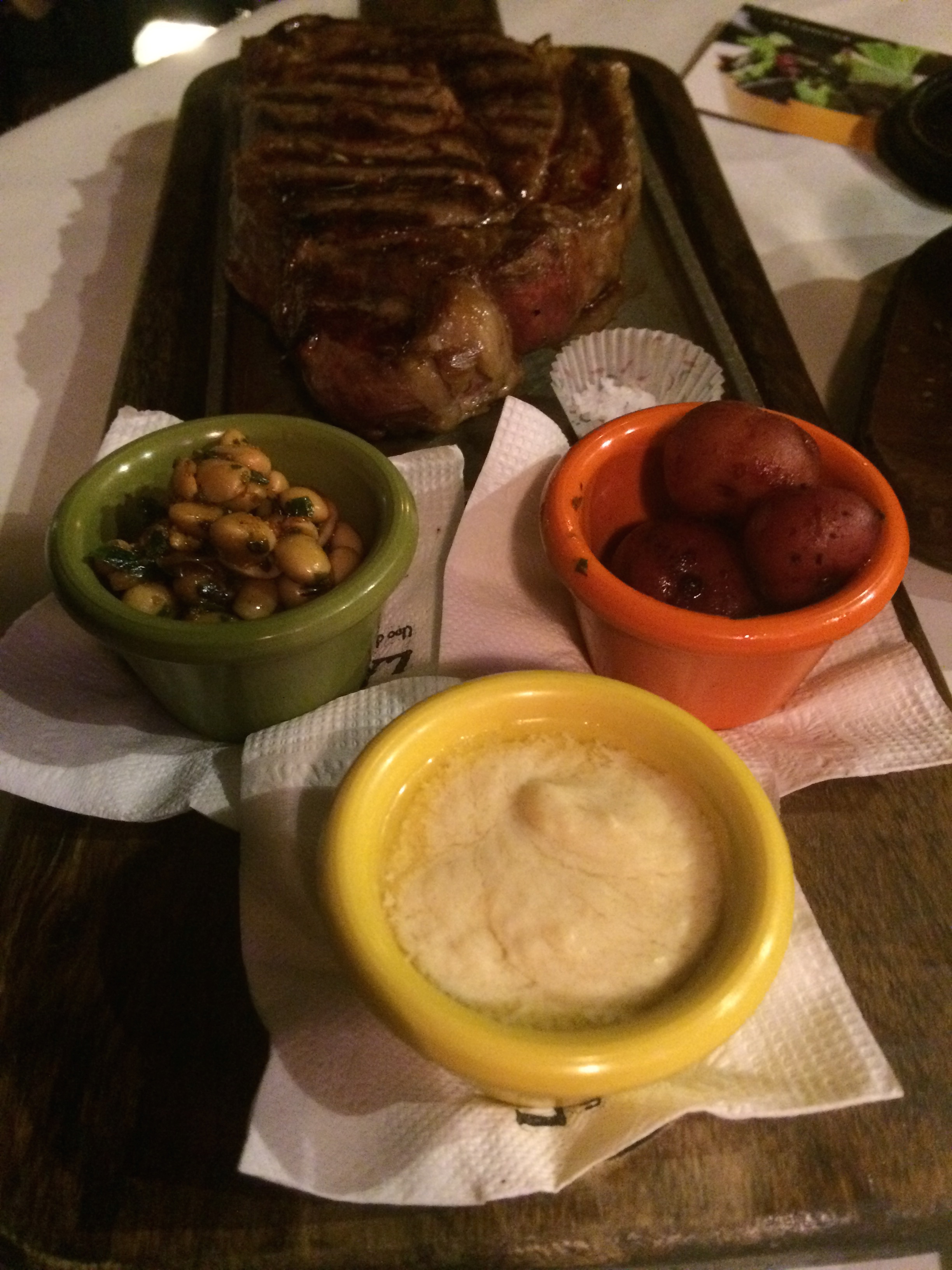
I soldiered through as much as humanly possible, but the amount of food left on the table was ridiculous. Regardless, I’m so glad I had the full parrilla experience. My faces below at the end of the meal will pretty much let you know how full I was feeling.

Now the cooking class I took was not about grilling meat. Instead, we learned how to make empanadas, a traditional Argentine lentil stew, typical dulce de leche sandwich cookies called Alfajores, and then finished with some Yerba Mate tea.
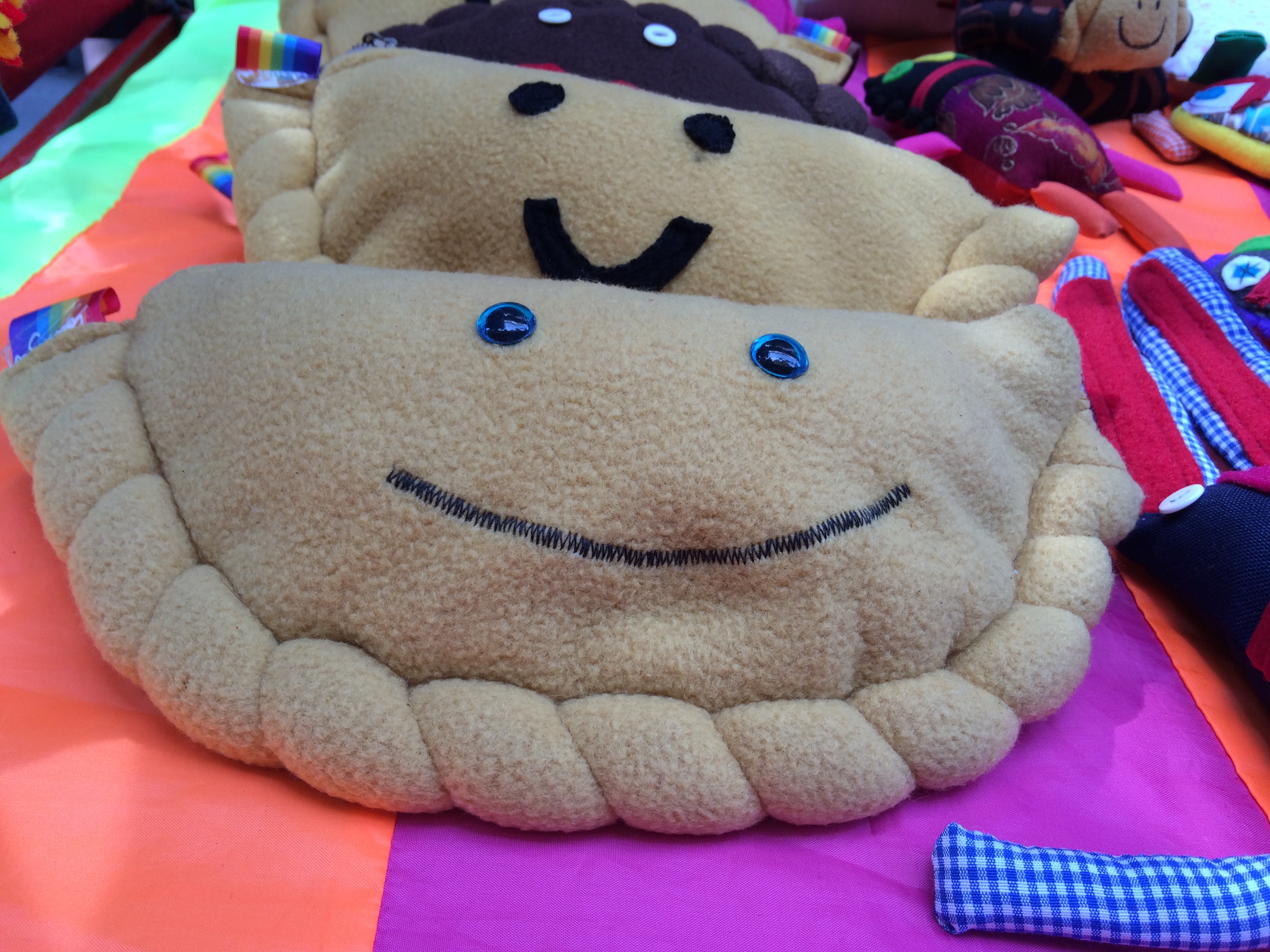
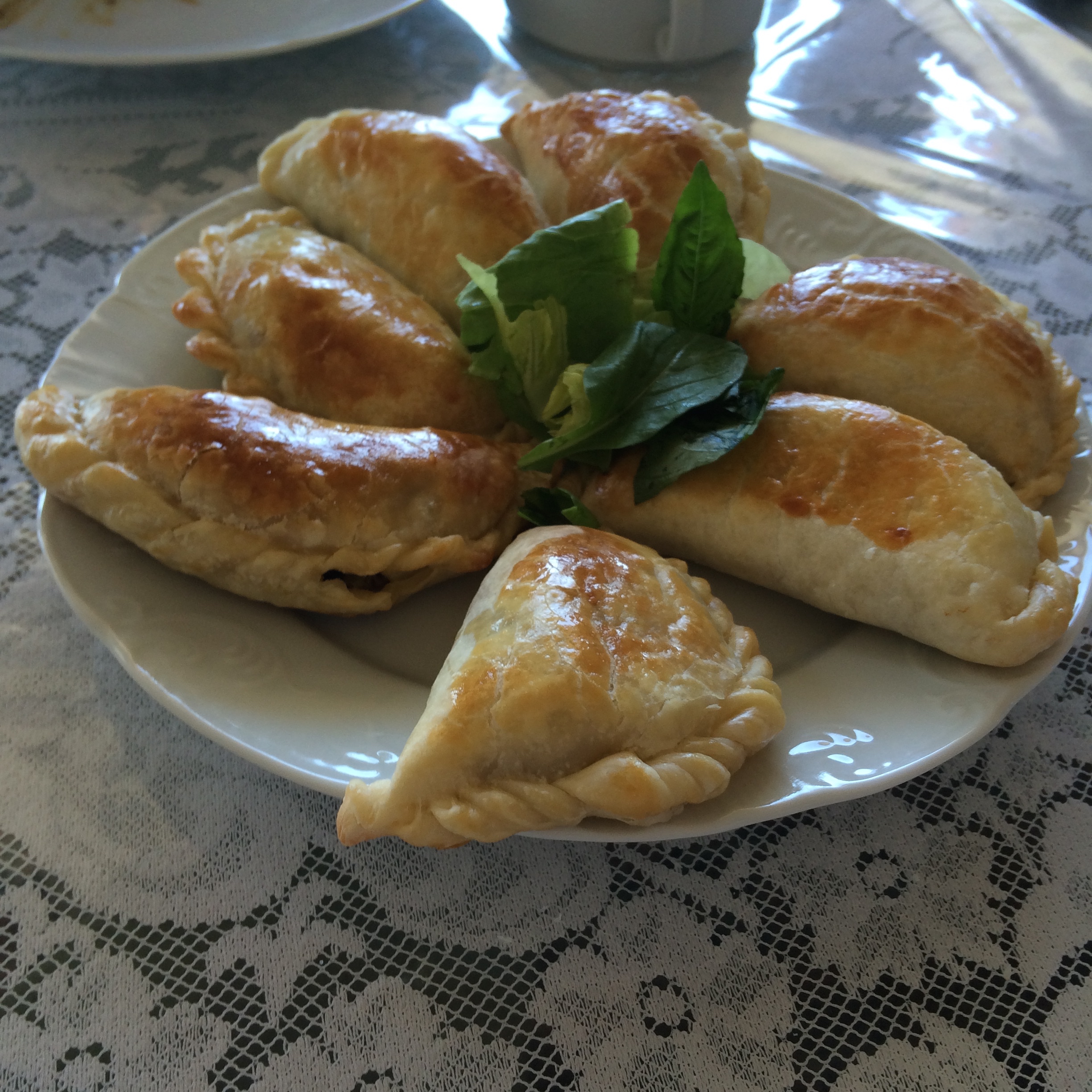
I’ve been eating empanadas since I got here. Typically for lunch, especially if I’ve been on the run, either from a pizza place or a bakery, but I also had one at a sit-down establishment as well. I’ve been able to try a bunch of traditional fillings (beef, onion and cheese, spinach and cheese) to get a sense for what I like. You can see below that while mostly similar, each place makes them a little bit differently.

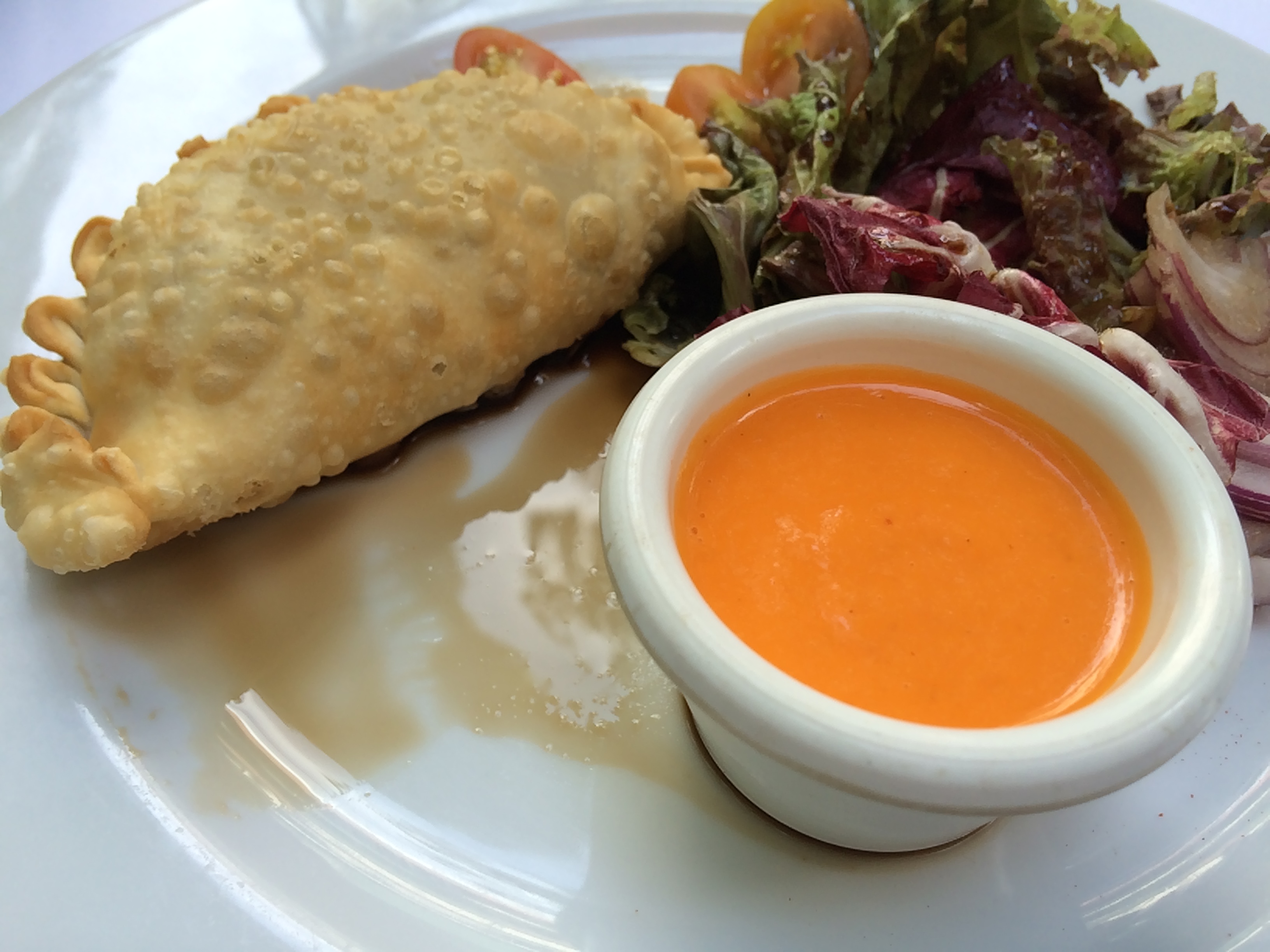


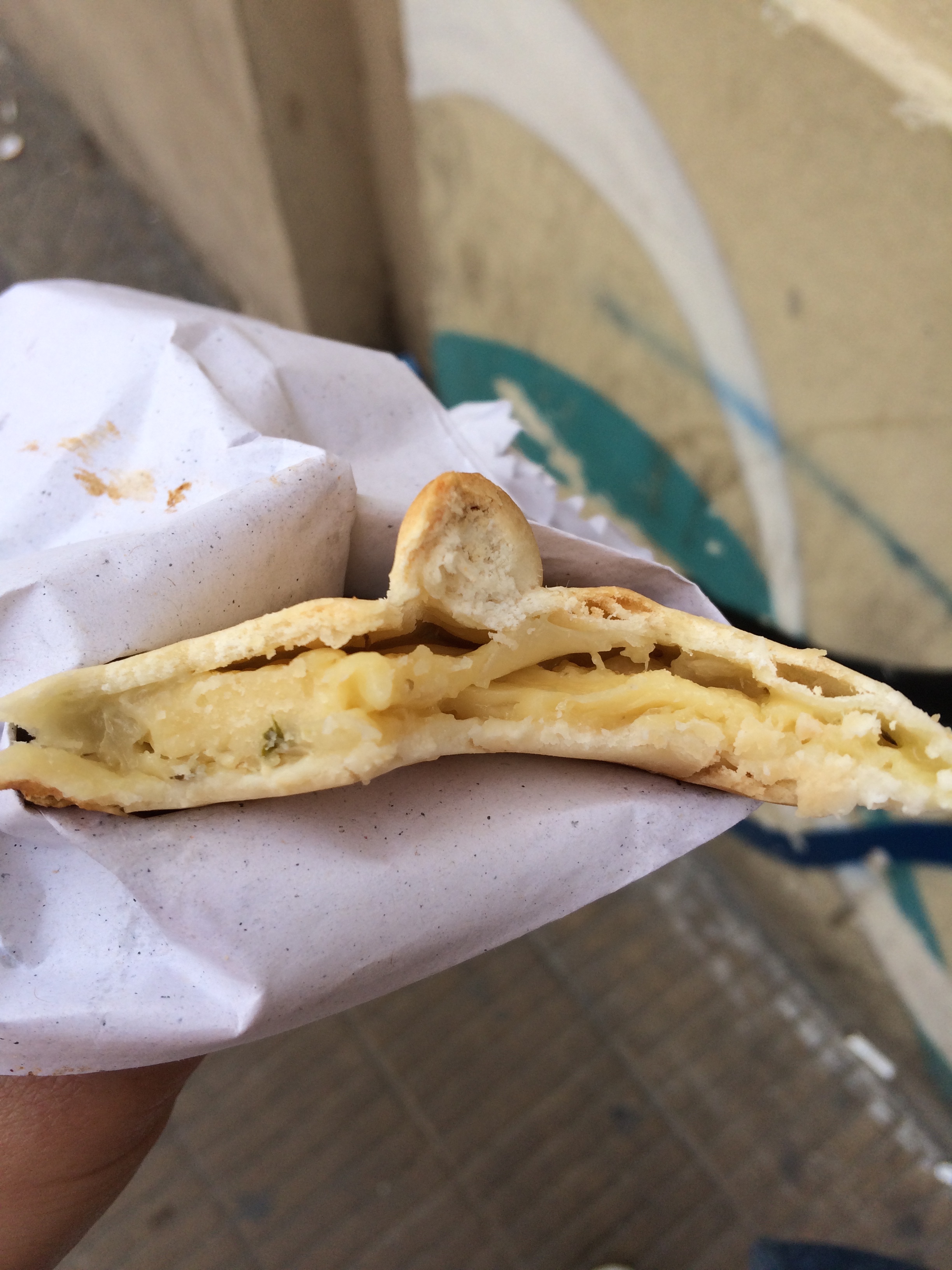
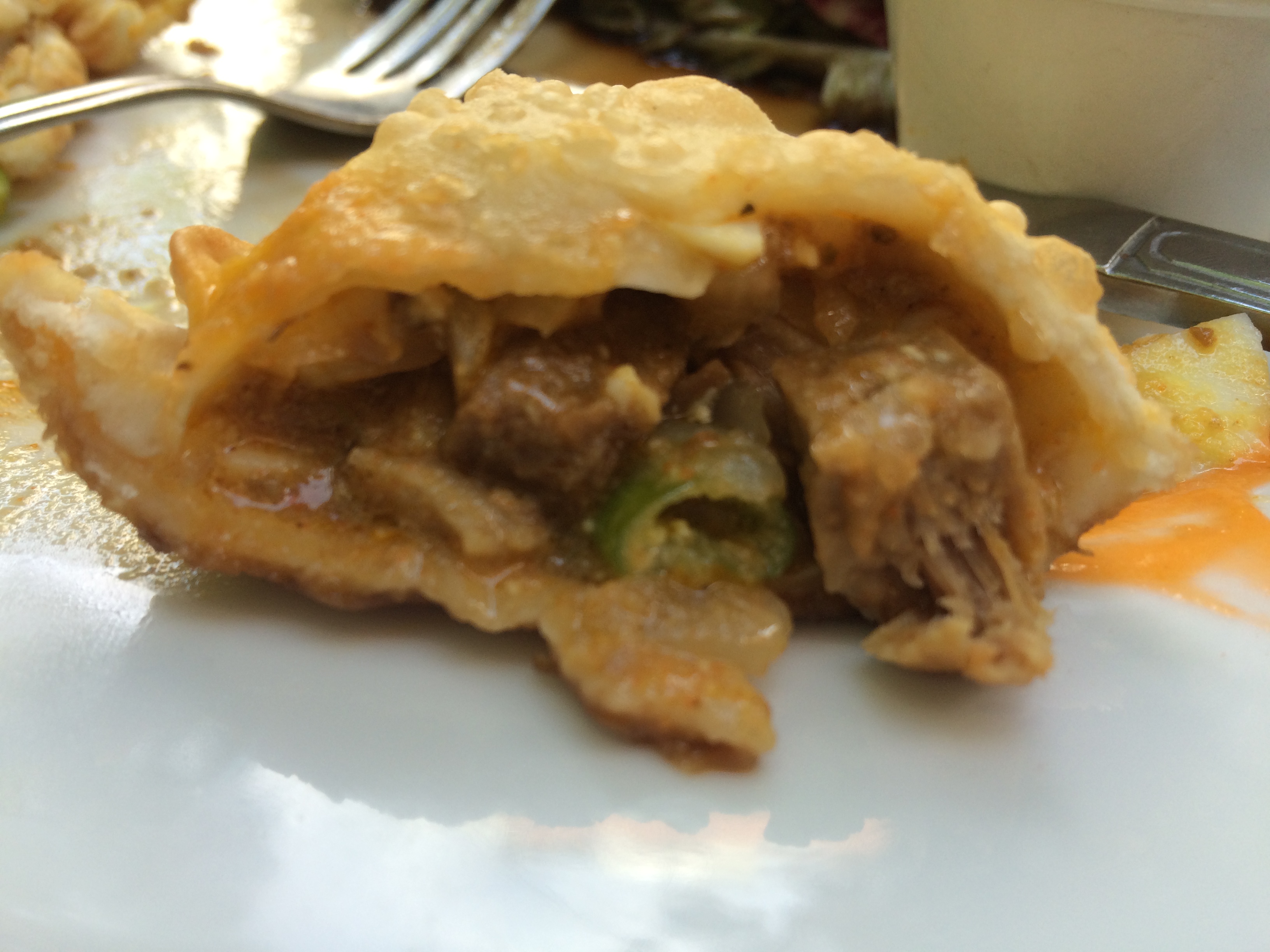
For the cooking class we made a version of the typical ground beef empanadas found here. Most of the ones I’ve had on the street have been beef with some hard boiled egg as well. Our recipe in class did just that, with the additions of a few raisins and some green olives for salt. The beef is cooked with onions and bell peppers and just a few seasonings – cumin, pepper and some red pepper flakes – and then mixed with the other ingredients.

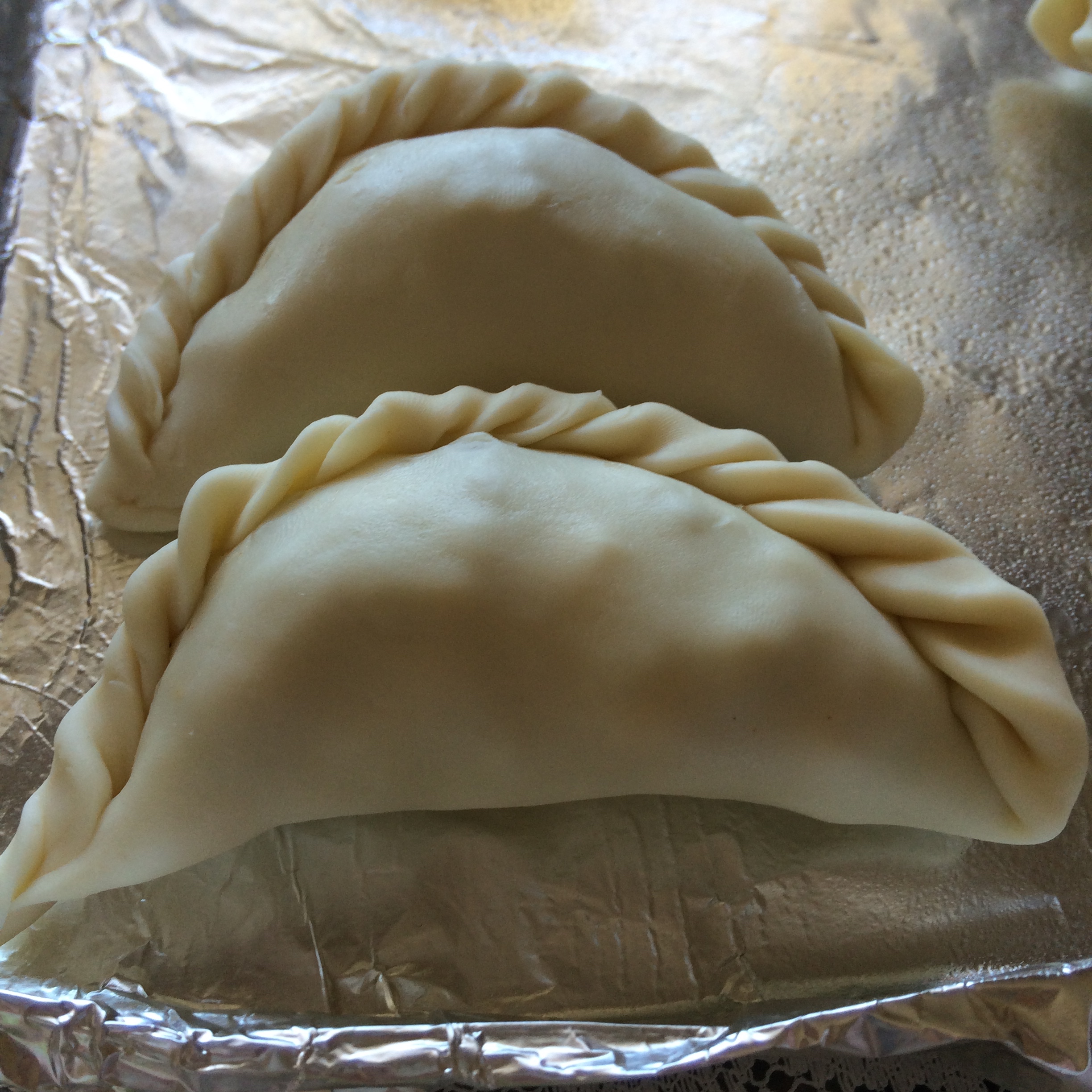
From there you take an empanada wrapper, put some of the meat mix inside and then fold it up and close it, with a closure that signifies what the filling is. The traditional top braid typically signifies a beef filling. I made the 2 empanadas in the picture on the left. And on the right, cooked and ready to eat!
We also made this delicious stew of lentils, squash, carrots, bell peppers, onions, chorizo and pancetta. Using the same spices as the meat mixture for the empanadas, this was a very easy way to make a really hearty delicious meal.

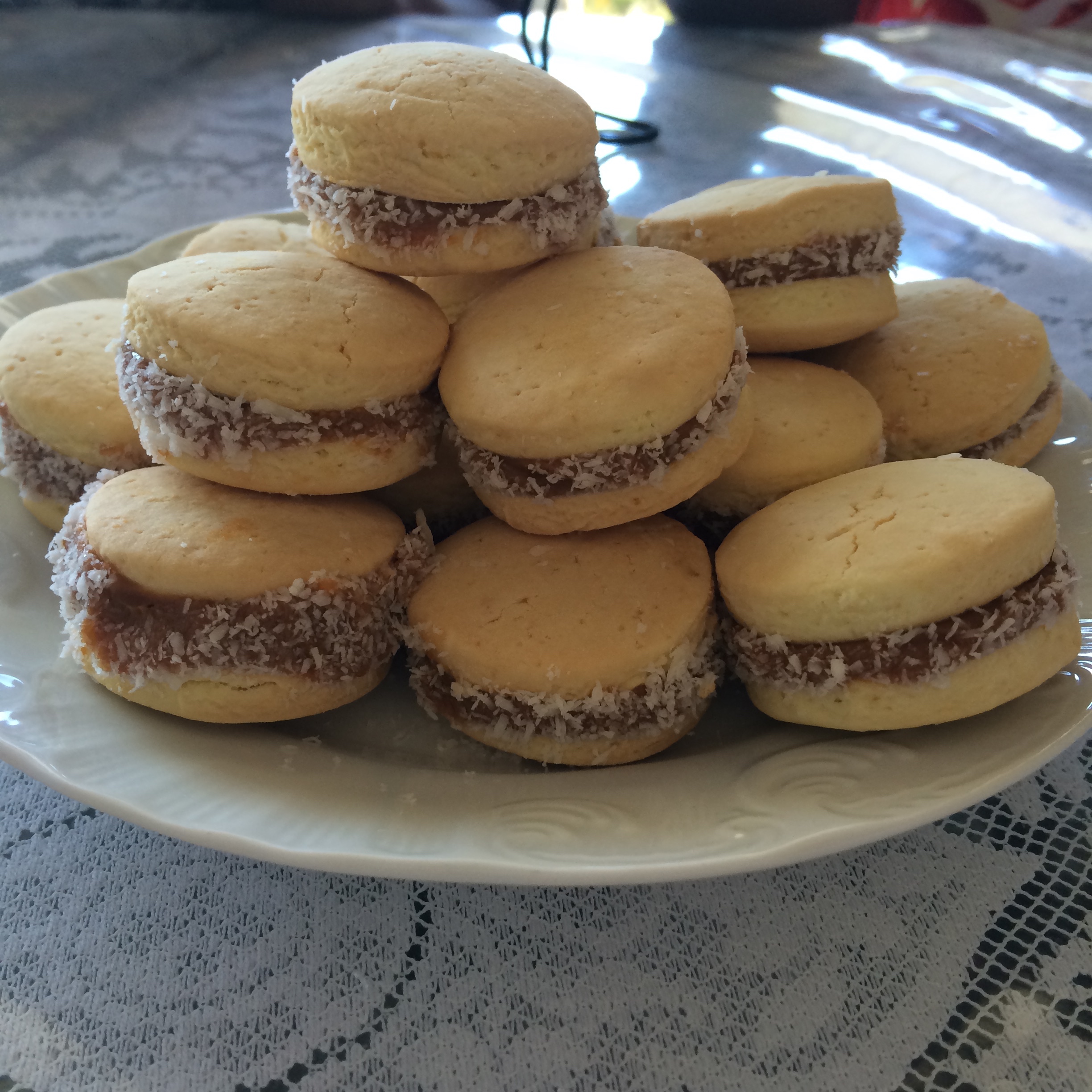
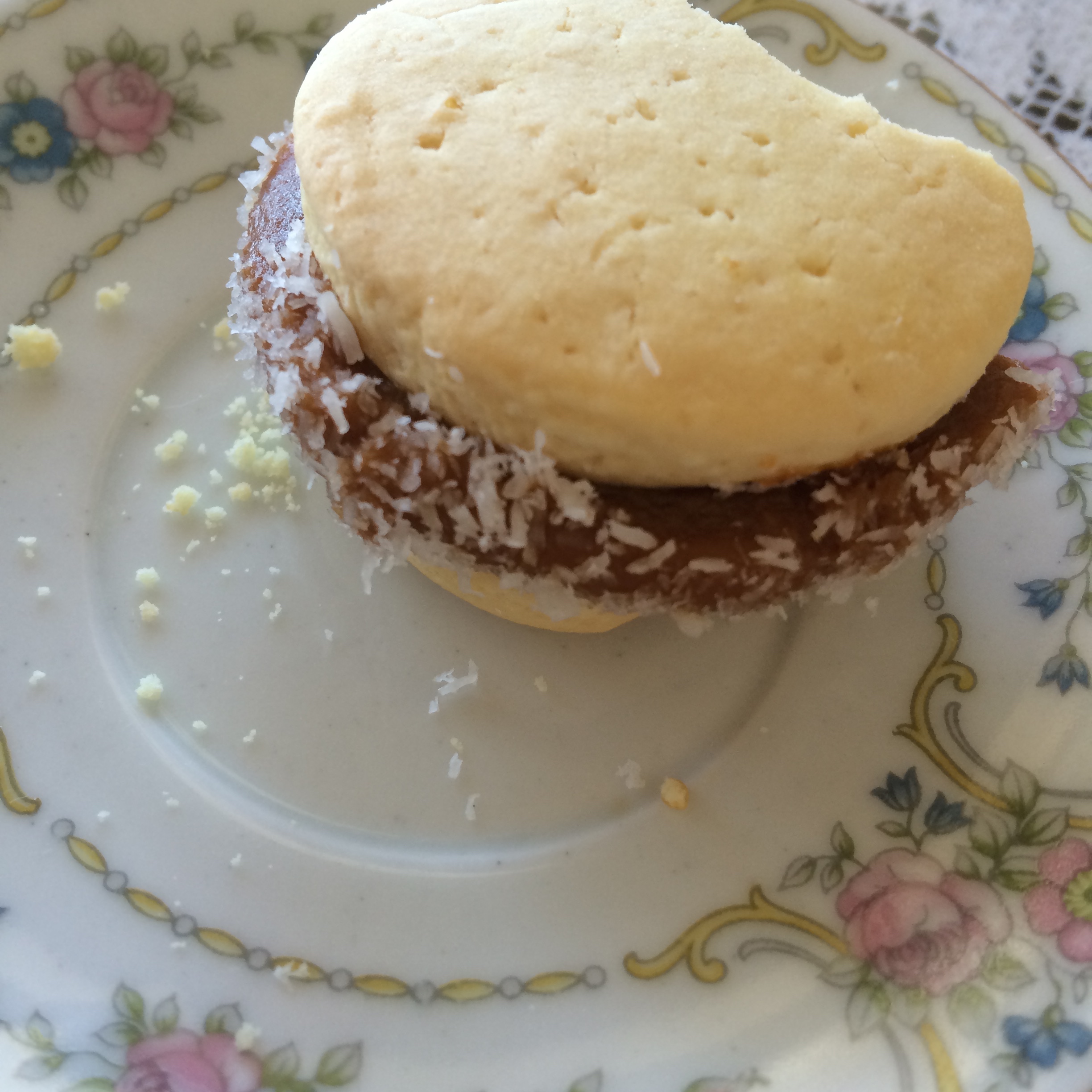
For dessert we made the dulce de leche sandwich cookies, known as alfajores here. We made the dough – just simple sugar cookies essentially, with the taste of lemon zest. The interesting thing about these cookies is that they are made with more corn starch than flour, so the texture is meant to be crumbly. We spread dulce de leche on one side, topped it off with another cookie, and then rolled the exposed dulce de leche in very fine coconut. These cookies can be found pretty much everywhere in town, and they are pretty delicious!
And to end the day, we learned about Mate. This is traditional tea here, drunk from special gourds. It is usually a communal experience, so it isn’t something that you can just order in a restaurant. Norma, our teacher, made the Mate and passed it around the table, the way it’s done here. I’ve seen numerous people out and about for the day with their gourd, and a thermos full of water, but I didn’t totally understand the concept. Now I know that the gourd is filled with loose mate leaves, and then hot water is poured over it. So, you only get a few sips each time around. Typically when drunk communally, the host pours the water and passes it clockwise. The first person drinks and then passes it back for more water to be added so that the next person can enjoy. Mate is bitter and earthy, I loved it…but I understand how it can be an acquired taste!

And that’s your Argentine food lesson for today. Back later with more crazy meals I’m sure.
 The Laid-Off Life